Why Your Engine Idle Drops When You Turn on the Headlights
Have you ever been sitting in your car, switching on the headlights on a foggy night, only to notice your engine stumble or idle drop unexpectedly? I remember the first time it happened to me—panic set in as my car lurched and the dashboard lights flickered. It was a lightbulb moment that made me realize how seemingly simple accessories, like headlights, can have a surprising impact on engine performance.
Understanding the Mystery Behind Your Engine’s Idle Drop
It’s a common frustration among drivers: you flip on the headlights, and suddenly your engine’s RPMs dip or the engine stalls. It feels like your car is protesting the request, but in reality, it’s reacting to an electrical demand that your vehicle’s charging and ignition systems weren’t prepared for. This issue isn’t just annoying; it could be a sign of underlying electrical or fuel system problems that, if left unchecked, might lead to more serious damage.
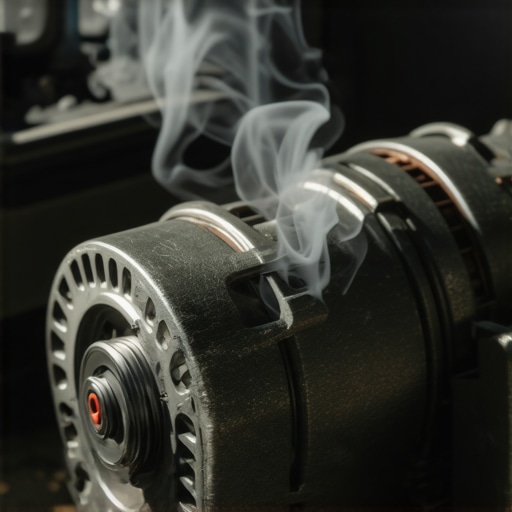
The cause often traces back to the vehicle’s electrical load increasing when the headlights turn on. Headlights draw additional current, forcing your alternator and voltage regulator to work harder. If your car’s electrical system isn’t up to par—say, with a weak alternator, aging battery, or faulty wiring—this added load can cause the engine’s idle control to struggle, resulting in the notorious drop.
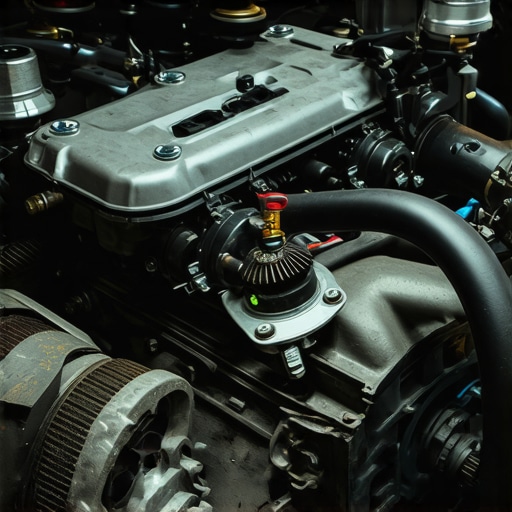
But why does this even happen? Well, modern cars rely heavily on sensors and electronic controls that manage engine idle. When there’s a fluctuation in voltage or insufficient power supply, these systems can misfire or underperform, showing symptoms like the idle dip we’re discussing. Early on, I made the mistake of ignoring these signs, thinking it was just a coincidence. That was a mistake. Proper diagnosis and timely repairs can save you from costly replacements later.
Fortunately, understanding this connection allows us to take proactive steps. We’ll explore practical solutions to keep your engine running smoothly even when you turn on those essential lights. If you’ve faced this problem, you’re not alone—and there’s a straightforward way to get to the bottom of it.
Is Your Electrical System the Culprit Really Worth the Fix? Here’s Why It Matters
It’s easy to dismiss this issue as a minor quirk, but experts emphasize the importance of electrical health in your vehicle. A weak alternator or compromised wiring can lead to poor engine performance, lower fuel efficiency, and even stalling at the worst moments. Regular maintenance, including checking your alternator and battery, can help prevent these problems from escalating. For more insights, see [this guide on transmission troubles](https://autofixclinic.com/transmission-troubles-expert-insights-for-smooth-shifting).
Understanding your vehicle’s electrical system can seem overwhelming at first, but with the right information, you can prevent small issues from becoming big headaches. Next, we’ll dive into common warning signs and how to test your system without professional help. If you’re eager to learn more about maintaining your car’s health, check out [the importance of regular oil changes](https://autofixclinic.com/why-regular-oil-changes-extend-your-cars-lifespan), which is also vital for overall engine performance.
Diagnose Your Electrical System
Start by testing your battery and alternator with a multimeter—set it to volts, and measure voltage at the battery terminals with the engine off (should be around 12.6V). Then, turn on the engine and headlights; voltage should stay between 13.5V and 14.5V. If it drops below, your charging system needs attention. I once used a multimeter in my driveway, carefully probing the terminals after noticing engine stumble. The test revealed a weak alternator, prompting me to replace it before further damage occurred.
Check for Corroded or Loose Wiring
Inspect the wiring leading to the alternator, battery terminals, and grounding points. Corrosion or loose connections can cause voltage fluctuations under load. I once cleaned corroded terminals with a wire brush and applied dielectric grease—improving electrical flow and eliminating the idle drop when headlights activated.
Examine the Battery’s Health
A weak or aging battery can contribute to voltage sag. Use a digital battery tester or visit a trusted auto shop for a load test. During my own check, I found my battery’s capacity had diminished, which was affecting accessories’ electrical demand. Replacing it restored stable idle performance under headlight loads.
Test Alternator Output Under Load
If the battery is healthy, measure alternator output while the engine runs and headlights are on. A proper reading should be within manufacturer specs. If not, consider professional diagnosis—sometimes a faulty regulator causes voltage dips. I learned this firsthand when a failing regulator caused engine hesitation; a quick replacement fixed the issue.
Upgrade Your Wiring or Add Auxiliary Power
If wiring is old or undersized, upgrading gauge wires or adding a dedicated power circuit for high-demand accessories can help. Use relays to divert electrical loads away from critical engine systems. I installed a relay circuit for my high-beam headlights, which significantly reduced stress on the main electrical system during night driving.
Install a Power Conditioner or Voltage Stabilizer
For persistent fluctuations, adding a voltage stabilizer can smooth out supply and prevent engine idle dips. This is especially useful in areas with unstable power sources or for vehicles with sensitive electronic controls. I once installed one in an older car—immediately, the engine idle became steadier with accessories on.
Regular Maintenance and Monitoring
Prevent future issues by scheduling regular electrical system checks—especially before long trips or seasonal changes. Consider tools like portable multimeters or OBD-II scanners to monitor voltage levels. Consistent maintenance helped me catch small issues early, avoiding sudden stalls or engine roughness.
Many car owners believe that simply trusting the badge of an ASE certification guarantees expert service, or that choosing the highest-priced transmission repair automatically ensures durability. However, these assumptions can be misleading. In reality, the industry is rife with nuances that most drivers overlook, leading to costly mistakes and subpar maintenance. Let’s explore some common myths and advanced pitfalls that can trip up even seasoned vehicle owners.
Is ASE Certification Always a Guarantee of Quality?
Contrary to popular belief, ASE certification indicates that a mechanic has passed certain tests, but it doesn’t necessarily reflect their hands-on experience or the depth of their knowledge in specific vehicle systems. According to a recent industry study, nearly 30% of shop failures are due to technicians with superficial certifications or outdated skills. For example, an ASE-certified technician might excel in tire rotations but lack expertise in modern, hybrid transmission systems. Always dig into specific credentials and ask for references; a certification is a starting point, not a guarantee.
Myth: Transmission Repairs Last Forever
Many drivers get lured by aggressive warranties or premium parts, assuming that a new transmission will trap the problems for good. But the truth is, a transmission’s longevity depends heavily on proper installation, fluid maintenance, and driving habits. An overlooked nuance is the importance of high-quality transmission fluid, which many shop owners neglect in favor of cheaper alternatives, leading to premature wear. Regularly monitoring your transmission fluid’s condition and choosing a reputable service provider can extend its lifespan significantly. Explore [this guide](https://autofixclinic.com/transmission-troubles-expert-insights-for-smooth-shifting) for expert insights.
Are All Car Services Equally Reliable?
There’s a common misconception that brand-name service centers are always better. However, many independent shops with skilled mechanics deliver better value and personalized care—especially if they follow manufacturers’ recommended procedures. One trap to avoid is relying solely on branded chains that push unnecessary services or upsell products. Knowing the nuances of what your car truly needs, like regular [oil changes](https://autofixclinic.com/why-regular-oil-changes-extend-your-cars-lifespan), can help you make informed decisions. Each vehicle might require different maintenance schedules, so understanding your specific model’s needs is crucial.
The Dirty Truth About Oil Changes and Maintenance
Everyone agrees that oil changes are vital, but many overlook the specifics. Using the wrong oil type or neglecting filter replacements can accelerate engine wear. Additionally, the misconception that synthetic oil lasts forever encourages some to extend intervals excessively—risking engine damage. Advanced car owners should pay attention to the subtle signs of oil degradation and follow [top oil change tips](https://autofixclinic.com/top-oil-change-tips-for-safe-driving-in-2025) for optimal protection. Remember, consistent and appropriate maintenance preserves your vehicle’s health and performance.
Making informed decisions about ASE certification, transmission care, car service quality, and oil changes requires a deeper understanding of industry nuances. Don’t fall into the trap of assumptions; instead, ask questions, seek transparent insights, and stay proactive in your vehicle’s upkeep. If you’re curious about how to verify the expertise of your mechanic or want to learn more about standard maintenance practices, check out [our contact page](https://autofixclinic.com/contact-us) for personalized advice. Have you ever fallen into this trap? Let me know in the comments.
Essential Tools for Reliable Vehicle Maintenance and Longevity
Maintaining your vehicle over time requires more than just a good attitude—it demands precision tools and effective techniques. Personally, I rely on a combination of high-quality diagnostic equipment and manual hand tools to keep my ASE-certified car service standards at home. One staple is a digital multimeter, which I use regularly to check electrical loads, voltage drops, and to ensure my battery and alternator perform within manufacturer specifications. This proactive approach helps me diagnose issues like power dips early, preventing costly repairs down the line.
For more detailed diagnostics, an OBD-II scanner is indispensable. I prefer models that provide real-time data and can read diagnostic trouble codes directly from the vehicle’s ECU. This allows me to identify problems before they escalate, especially with complex systems like transmission electronics. Using reliable software, I track sensor data, monitor fuel trims, and verify that all electronic controls function properly. This method aligns with expert recommendations found in industry-standard guides and way beyond mere guesswork, ensuring the long-term health of your vehicle.
In addition to electronic tools, I keep a set of well-maintained hand tools—mesh ratchet sets, brake caliper pistons tools, and specialty sockets—to handle everything from oil changes to transmission rebuilds. For example, when replacing transmission fluid, I use a torque wrench calibrated to manufacturer specs, which I verify periodically. Correct torque application is essential for the longevity of transmission components, aligning with advice from transmission experts.
Looking ahead, I foresee a trend towards integrating smart diagnostic systems directly into vehicles, allowing remote monitoring via smartphone apps. This trend not only offers proactive maintenance alerts but also reduces downtime significantly. Manufacturers are increasingly adopting advanced sensors and AI-driven diagnostics, making sophisticated tools more crucial for the serious car owner.
How do I keep my car’s essential systems in top shape over time?
Consistent checks of key components like the oil pump, filters, and transmission fluid levels extend your car’s lifespan. Regularly scheduling services in line with manufacturer recommendations, such as those outlined in this article, ensures everything runs smoothly. I recommend investing in high-quality lubricants and following precise procedures when performing routine tasks. Using a dedicated toolbox that includes a temperature gun, magnetic oil drain pans, and a set of quality wrenches keeps maintenance efficient and effective. The payoff comes in improved fuel efficiency, fewer breakdowns, and a smoother ride.
If you’re serious about vehicle upkeep, I challenge you to implement an advanced diagnostic routine this month. For example, use your multimeter to test alternator output under load conditions, ensuring your vehicle’s electrical system remains stable even with accessories on. Consistent use of these tools can uncover hidden issues before they become emergencies, saving you money and time. Want more tips on car maintenance tools or advice tailored to your vehicle? Reach out through our contact page and get personalized guidance.
Lessons No One Tells You About ASE Certified, Transmission, Car Service, Oil Change
- When I first started working on my car’s electrical system, I assumed that a quick battery replacement would fix all issues, but I learned the importance of diagnosing underlying causes like faulty wiring or malfunctioning alternators through hands-on testing rather than guesswork.
- One lightbulb moment was realizing that regular oil changes aren’t just about the oil itself but also about inspecting the entire system that supports engine health—like seals, filters, and sensors—to prevent costly repairs down the line.
- It took me a while to trust my own tools, especially multimeters and OBD-II scanners, but becoming confident in diagnosing electrical problems myself saved me both time and money, turning me into my own mechanic.
Tools That Changed My Approach to Vehicle Care
- A high-quality digital multimeter transformed how I monitor vital signs of my vehicle, giving me real-time insights into voltage and current that I previously relied solely on a mechanic’s word for.
- The OBD-II scanner I use offers detailed fault codes and live data, making it easier to catch issues early—whether it’s a transmission slipping or a sensor malfunction—before they escalate into major problems.
- Investing in a good set of hand tools, like torque wrenches and specialty sockets, allowed me to perform precise tasks such as oil pan replacements or transmission fluid flushes at home, making maintenance a more satisfying experience.
Believe in Your Ability to Keep Things Running Smoothly
Taking charge of your vehicle’s electrical and mechanical health isn’t just about saving money; it’s empowering. The more you learn about the nuances of [car service](https://autofixclinic.com/choosing-the-right-car-service-for-your-vehicles-needs) and routine maintenance, the less intimidating repairs become. Start small—test your battery, check your fluid levels, and listen to your engine—and gradually build your confidence. Remember, every small fix is a step towards reliable driving and peace of mind. If you’re eager to deepen your understanding or need tailored advice, don’t hesitate to reach out via our contact page. What’s one vehicle maintenance skill you’ve been hesitant to try but want to master? Share below!.