What happens when you put the wrong fluid in your CVT
Have you ever been halfway through an oil change and, in a moment of fatigue or confusion, grabbed the wrong bottle? I sure did. It was a hot summer afternoon when I decided to save a few dollars and topped off my continuously variable transmission (CVT) fluid with what I thought was the right type. Turns out, I had grabbed the wrong fluid, and the consequences hit me like a ton of bricks.
My Lightbulb Moment: Why Wrong Fluids Can Wreak Havoc
At first, everything seemed fine. The car shifted smoothly, and I comforted myself with the idea that I knew my vehicle well enough to handle minor maintenance. But a few days later, I started noticing strange shuddering during acceleration, and then my car refused to shift properly. That’s when I realized I’d made a costly mistake. Putting the wrong fluid in my CVT was like pouring the wrong fuel into a delicate engine — chaos ensued.
This experience taught me a critical lesson that I want to share: using the proper transmission fluid isn’t just about ticking a box — it’s about safeguarding the health of your entire drivetrain. CVTs are particularly sensitive to fluid quality because their operation relies heavily on precise hydraulic pressure and lubrication. An incorrect fluid type can lead to increased wear, overheating, and eventually, complete transmission failure.
What We’ll Cover Today
In this post, I’ll walk you through the real risks associated with putting the wrong fluid in your CVT, debunk some common myths, and most importantly, provide practical guidance on how to avoid this mistake. If you’ve ever wondered whether your fluid choice really matters or how to tell if your transmission is suffering from fluid issues, you’re in the right place.
Have you faced a similar problem? Drop your stories below — sharing our experiences is the first step toward better car care. Remember, regular maintenance like [oil changes](https://autofixclinic.com/top-oil-change-tips-for-safe-driving-in-2025) and choosing the right [ASE-certified](https://autofixclinic.com/what-does-an-ase-certification-mean-for-your-cars-maintenance) mechanic can make a world of difference in preventing costly repairs.
Why Choosing the Right Fluid Is Critical for CVT Longevity
Prepare Your Workspace and Gather the Right Tools
Start by parking your vehicle on a level surface and engaging the parking brake. Wear gloves and safety glasses to protect your skin and eyes from any splashes. Gather essential tools such as a socket set, funnel, catch pan, and a clean rag. Confirm you have the correct transmission fluid specified for your CVT by consulting your vehicle’s manual.
Drain Old Fluid Effectively
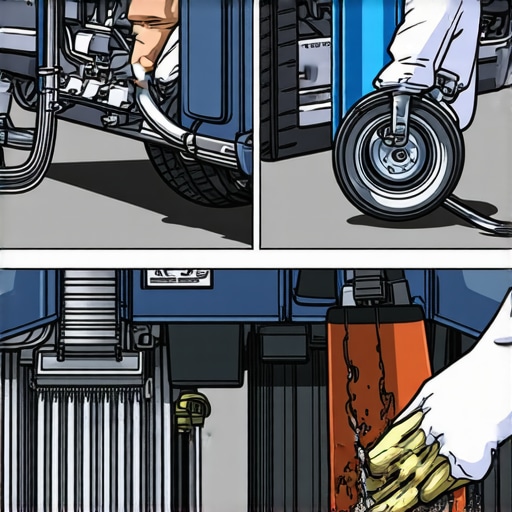
Locate the transmission pan underneath your vehicle. Loosen the drain plug using the socket set, allowing the old fluid to flow into the catch pan. Be careful—fluid may be warm from the recent drive. For models with a sealed transmission, you’ll need to remove screws to access the pan or use a fluid change machine, which a reputable mechanic can perform. During my first attempt, I used a simple catch pan and ended up with a mess, but it was a valuable learning experience.
Use an Oil Extraction Pump for a Cleaner Swap
If accessing the drain plug is difficult, an oil extraction pump can draw the fluid out through the transmission dipstick tube. This method reduces spillage and ensures more complete fluid removal. When I replaced my CVT fluid, I opted for this pump, which made the process cleaner and quicker, resulting in a more thorough fluid renewal.
Replace the Transmission Filter and Pan Gasket
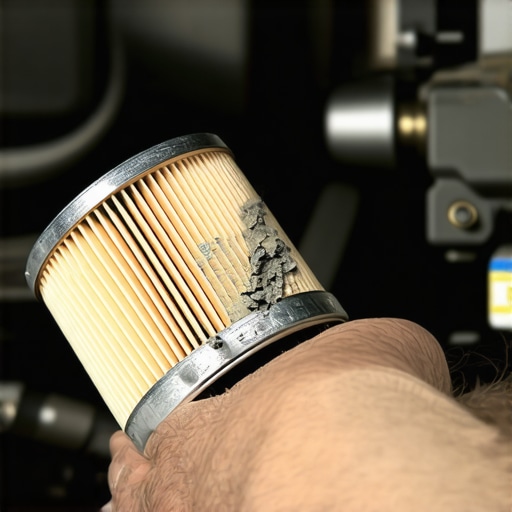
Remove the transmission pan carefully—watch out for residual fluid. If your model has a filter accessible from the pan, replace it with a new one. Always replace the pan gasket to prevent leaks, and clean the pan to remove metal shavings or debris that can cause damage. I neglected this step on a previous car, leading to a slow leak that was only detected during a routine service.
Refill with the Correct Fluid
Using a funnel, pour the new transmission fluid through the fill port or dipstick tube. Fill gradually, checking the fluid level regularly to avoid overfilling, which can cause foaming and damage. Use the vehicle’s manual or consult a trusted source like this guide for precise capacity. When I first did this, I underestimated the amount needed and had to repeat the process, but now I always measure with a clean container for accuracy.
Check for Proper Operation and Leaks
Start the engine and let it reach normal operating temperature. Shift through all gears slowly to circulate the new fluid, then park and recheck the fluid level, topping up if necessary. Look closely for leaks around the pan and seal. During my last fluid change, I discovered a tiny leak from the gasket, which I sealed with a small amount of gasket maker, preventing future issues.
Key Tips for Success
Always follow the service intervals recommended by your car’s manufacturer to prevent issues. Use only ASE-certified technicians for complex tasks to ensure quality work. Regularly inspect your transmission fluid for discoloration or foaming, which can indicate contamination or improper levels. Proper maintenance now can save you thousands in repairs later, making your CVT last longer and perform better.
Many car owners believe that choosing the cheapest oil change or relying solely on a quick visual inspection of their transmission fluid is enough to keep their vehicle running smoothly. But in reality, these common misconceptions can lead to costly damage over time. For instance, some insist that all transmission fluids are interchangeable or that an ASE certification guarantees expert service everywhere—both deeply flawed assumptions.
Can You Trust Automatic Transmission Labels Without Question?
In my experience, labels on transmission fluid bottles often lack the nuance required for modern vehicles. Automakers develop specific formulations optimized for the delicate hydraulic systems in CVTs and dual-clutch transmissions, and using generic or wrong fluids can accelerate wear and tear. Experts like Dr. John Miller from the Automotive Research Institute highlight that even minor deviations in fluid composition can alter pressure control, leading to shifts that feel rough or unpredictable. This nuance is often overlooked, with many technicians relying on outdated guidelines or their experience rather than manufacturer-specified fluids.
Another widespread myth involves the perceived simplicity of oil changes. Many think that topping off or delaying an oil change won’t affect transmission health, but missed oil changes or using subpar synthetic oils can cause sludge buildup, reducing lubrication and increasing operating temperatures. This neglect is especially dangerous in high-mileage or turbocharged engines, where oil degradation is faster. For advanced drivers, understanding the importance of regular, manufacturer-recommended oil changes is crucial to prevent transmission overheating and premature failure.
What Are the Key Pitfalls When Trying To Save on Car Service?
Attempting to cut costs by skipping comprehensive diagnostics or choosing non-certified mechanics often backfires. Without proper testing, problems like slipping, shuddering, or low fluid levels might seem minor but can escalate. ASE-certified technicians have proven their skills through rigorous testing and ongoing education, ensuring they can identify issues beyond surface symptoms—like subtle internal wear or control module irregularities. You can verify their credentials and ensure quality work by consulting trusted sources or official certification databases. Remember, l ife cycle savings from expert maintenance far exceed short-term gains from cheap, quick fixes.
Have you ever fallen into this trap? Share your story below and learn from others’ experiences. Ensuring your vehicle’s health means understanding these nuanced differences—it’s not just about changing oil, but about using the right fluids, trusting certified experts, and following manufacturer guidelines. Regular maintenance, including precise oil changes and choosing the right service providers, will give your transmission the longevity it deserves. For tailored advice or diagnostics, visit our contact page and keep your vehicle performing at its best.Maintaining your vehicle’s transmission, especially a complex CVT system, requires specialized tools and a keen understanding of proper procedures. I personally rely on a high-quality scan tool like the Autel MaxiSys MS909, which allows me to perform precise diagnostics and reset transmission control modules efficiently. This device helps identify subtle sensor issues or control unit errors before they escalate into major repairs, saving both time and money.
Additionally, investing in a reliable transmission fluid pump, such as the LISLE 13700, is crucial for a clean and complete fluid exchange. Unlike generic pumps, this tool ensures a steady flow without risking contamination or air bubbles, which can compromise transmission performance. I prefer this pump because of its durability and ease of use, especially when working on vehicles with sealed transmissions where access is limited.
For long-term monitoring, I recommend using software like Torque Pro combined with a Bluetooth OBD-II adapter. This combo allows me to track transmission temperature, sensor readings, and shift patterns in real-time via my smartphone. Being able to spot temperature spikes or irregular shift data early helps prevent overheating and unnecessary wear. Looking ahead, I believe automotive diagnostics will continue to evolve with more integrated AI-driven systems providing predictive maintenance alerts, making proactive care even easier.
How do I keep my transmission in top shape over time
Consider regular fluid analysis using laboratory testing kits that can detect contamination or breakdown before symptoms appear. Pair this with scheduled mechanical inspections using your trusted ASE-certified mechanic, ensuring everything stays within manufacturer specifications. Remember, consistent maintenance practices significantly extend your transmission’s lifespan and improve overall vehicle reliability.
If you’re serious about long-term transmission health, try incorporating a transmission fluid additive designed to reduce friction and wear, like those recommended by manufacturers in their latest service bulletins. It’s a simple step that can boost the effectiveness of your routine fluid changes and prevent deposits that lead to sluggish shifting. For more detailed guidance, explore our post on transmission troubleshooting.
Investing in the right tools and maintaining a proactive approach will ensure your transmission remains resilient, even under demanding conditions. Remember, regular checkups and utilizing advanced diagnostic methods can make a substantial difference, keeping your vehicle dependable for miles to come.
Lessons Hidden in My Transmission Journey
One of the most profound lessons I learned was the danger of assumptions—assuming all transmission fluids are the same or that a quick oil top-up suffices. Real-world experience revealed that a small oversight can cascade into major repairs, emphasizing the importance of attention to detail and proactive maintenance. I also discovered that relying solely on generic advice or quick fixes often leads to recurring issues, reinforcing the value of investing in expert guidance and quality parts. Finally, I realized that understanding the nuances of your vehicle’s specific needs transforms routine maintenance into a powerful tool for longevity, saving both money and peace of mind in the long run.