How to remove bird droppings without damaging your clear coat
Ever had that sinking feeling when you glance at your car and see fresh bird droppings smeared across your hood? I remember the moment vividly. I was rushing home after a long day, only to spot the telltale white specks ruining my sleek paint job. My first instinct was to grab a cloth and scrub—big mistake. That tiny bit of urgency cost me more than I realized: tiny scratches forming where I thought I was cleaning. It was a lightbulb moment for me, and hopefully, for you too.
Why Removing Bird Droppings Carelessly Can Ruin Your Car’s Finish
Bird droppings are more than just an eyesore. They contain acids and other corrosive substances that can eat away at your clear coat if left unattended, leading to paint damage and costly repairs. The tricky part is, many car owners, including myself at first, underestimate how delicate their paint is, especially the clear coat designed to protect your vehicle’s color.
Early on, I made the mistake of using aggressive cleaning methods—rubbing with a rough cloth or applying harsh chemicals. Those shortcuts only expedited the damage, leaving behind micro-scratches that, over time, dull the shine. The key lesson here? Patience and proper technique are essential. Fortunately, I learned effective methods that ensure you remove droppings without sacrificing your finish.
According to automotive experts, using the correct approach can prevent future paint deterioration and keep your car looking new longer. Not sure if you’re safe? Have you ever noticed how even small scratches can turn your vibrant paint into a dull, uneven surface? If so, you’re not alone.
Now, let’s dive into how you can treat bird droppings properly—saving you money and preserving that flawless gleam of your vehicle.
Prepare Your Materials and Environment
Before diving into cleaning, gather soft microfiber cloths, a bucket of water, pH-neutral car wash soap, a spray bottle with clean water, and a专imate detailing clay. Park your vehicle in a shaded area to prevent quick evaporation, which can cause spots or streaks. I once attempted to clean bird droppings under direct sunlight, resulting in streaks that required re-washing—saving time means working in optimal conditions.
Soften and Loosen the Droppings
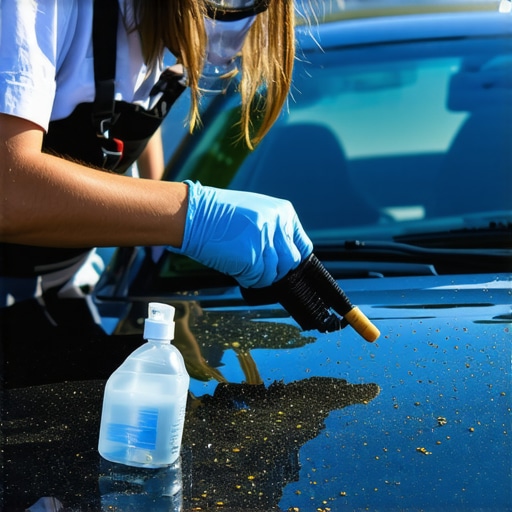
Spray the droppings generously with plain water or a gentle car-specific cleaner. This step is like softening hardened glue before removal—without it, you’re risking scratches. Wait about 1-2 minutes; this allows the acids to break down slightly, making removal safer. During my first attempt, I skipped this step, and the droppings smeared, scratching the clear coat. Be patient; it’s worth the extra minute.
Gently Remove the Droppings
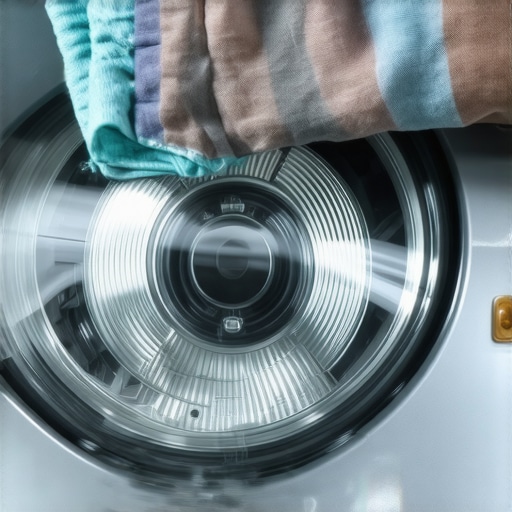
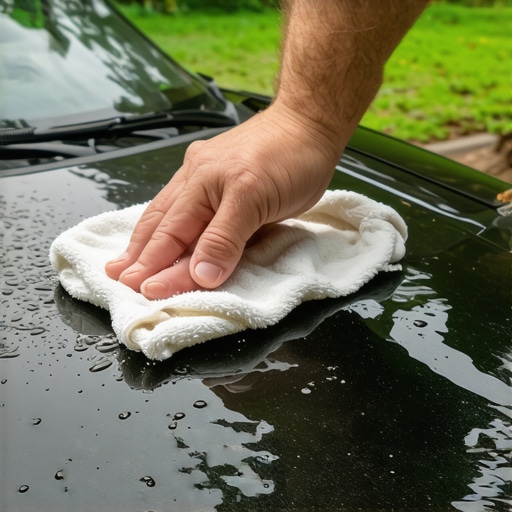
Use a clean, damp microfiber cloth to gently lift the softened droppings. Do not scrub vigorously—think of washing delicate glassware, not scrubbing rust off steel. Light pressure prevents micro-scratches. I remember softly wiping, which avoided micro-abrasions and preserved the gloss.
Use Clay for Residual Contaminants
Damp the contamination area and glide a clay bar over it, regularly kneading the clay to expose a clean surface. This technique is akin to polishing a gemstone—removing minute impurities without harming the surface. The clay traps remaining particles, preventing them from scratching while you wipe. For instance, after using clay, I noticed my hood felt smoother and looked shinier—like getting a new coat of paint.
Tip: Apply lubricant generously during clay use, and avoid dry rubbing which can cause scratches. You can prepare a quick lubricant with car wash soap diluted in water, or purchase dedicated detailing sprays.
Finish With a Rinse and Dry
Rinse the treated area thoroughly with clean water to remove any residue. Then, dry it using a soft microfiber towel, patting gently to avoid streaks. This ensures no leftover acids or particles remain, which could continue to damage the paint. I learned this the hard way—residual moisture can contain contaminants that burn into the finish if left sitting overnight.
Apply Protective Wax or Sealant
Once clean and dry, apply a high-quality wax or paint sealant. Think of this as applying a shield to your car’s surface, creating a barrier against future bird droppings and environmental contaminants. This extra step boosts your vehicle’s shine and resilience. I use a quick detailer spray periodically, which keeps the paint smooth and minimizes bonding for future droppings.
Even seasoned car owners often hold onto misconceptions about transmissions, service routines, ASE certifications, and oil changes. Let’s clear up some of these myths and highlight advanced nuances many overlook.
Is an ASE Certification Ever a Guarantee of Expert Service? Think Again
Many believe that an ASE certification assures top-tier repair quality. While it’s a credible credential, it’s not infallible. ASE-certified mechanics may excel in specific areas but might lack expertise in newer or less common vehicle technologies. Studies, such as those referenced by automotive industry analyses, show that certifications are a baseline, not a gold standard. Always ask for specific experience related to your vehicle model. Curious how to verify your mechanic’s credentials? Check out this guide.
Misconception: All Transmission Fluid Is Created Equal
Many think topping off or flushing the transmission with any generic fluid will do. However, as explained on transmission maintenance pages, using the wrong transmission fluid type can lead to slipping, overheating, or even complete transmission failure. High-mileage vehicles demand specific formulations, and neglecting this nuance can be costly. For detailed advice on proper transmission care, visit this resource.Maintaining your vehicle’s performance over the long term requires the right equipment and a solid understanding of essential procedures. Personally, I rely on a few specialized tools that have made routine maintenance safer and more efficient. For example, a high-quality digital multimeter is indispensable for diagnosing electrical issues, allowing me to quickly verify sensor signals or battery health without guesswork. I prefer models with auto-ranging capabilities, which save time and reduce potential errors during testing.
Additionally, a professional-grade scan tool, such as the Autel MaxiCOM series, provides comprehensive diagnostics beyond what basic code readers can offer. It interfaces directly with the vehicle’s computer systems, giving me access to live data streams, sensor outputs, and manufacturer-specific codes. This tool has helped me identify issues before they become serious problems, saving money and preventing breakdowns.
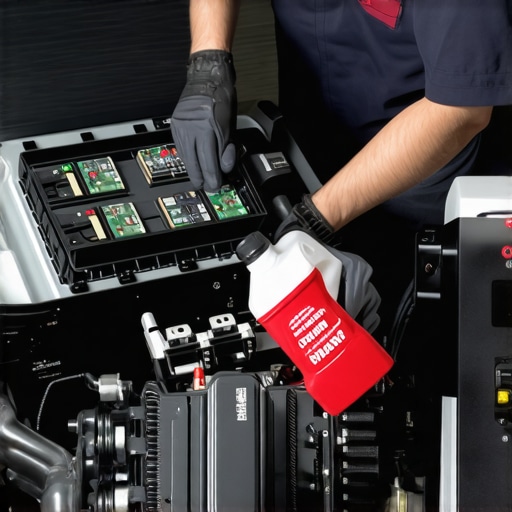
For fluid system maintenance, I use a fluid extractor pump with a flexible hose. This tool simplifies the process of changing transmission, coolant, or oil without the mess or the need to lift the vehicle. I’ve found that regularly removing old fluids with this device extends component life and maintains optimal operation—especially critical for transmission longevity, as detailed in protocols outlined by industry experts.
When it comes to long-term results, investing in quality tools pays off. They not only improve diagnostic accuracy but also empower you to perform more complex tasks like replacing a transmission solenoid or flushing the cooling system with confidence. These actions, when done properly, can prolong your vehicle’s lifespan, enhance safety, and retain resale value.
Looking ahead, I believe the trend will shift further towards digital ergonomics—integrating tools directly with apps and cloud-based data logs to track maintenance over time. This integration will enable predictive maintenance, reducing unexpected failures.
**How do I maintain my vehicle’s transmission over time?** Regularly scheduled fluid changes are critical. Using a high-quality, manufacturer-approved transmission fluid significantly reduces wear and helps prevent costly repairs. For a detailed guide, consider reading about the importance of adhering to service intervals, which I detail on my blog.
If you’re serious about long-term vehicle health, I recommend trying an advanced diagnostic scan or investing in a precision fluid extraction pump. These tools can prevent minor issues from becoming major repairs, saving you money and frustration down the road. Remember, proper maintenance isn’t just about fixing problems; it’s about proactively preventing them before they happen.
Lessons I Wish I Knew Before Trusting Quick Fixes
One of the hardest lessons I learned was that rushing through oil changes or neglecting expert advice can lead to costly repairs down the line. I used to think that topping off fluids or ignoring small warning signs was harmless, but delaying professional service only worsened issues like transmission shudders or engine vibrations. It’s vital to prioritize credibility over convenience—investing in proper maintenance now prevents headaches later.
The second insight came from realizing that certifications such as ASE aren’t a guarantee of perfect service. Mechanics with credentials can still miss nuances specific to your vehicle model. Always ask direct questions about their experience with your specific make and model to ensure you’re getting top-tier care.
Finally, I discovered that trusting generic advice or shortcuts, especially when it comes to transmission fluid or oil choices, can weaken your vehicle’s longevity. Tailoring your maintenance routine by following manufacturer recommendations and consulting trusted resources makes a significant difference in the long run.
My Go-To Resources for Premium Car Care
- High-Quality Diagnostic Tools: My Autel MaxiCOM scan tool has become indispensable for proactive diagnostics, catching issues before they escalate, and saving me money. It’s a reliable way to access detailed data about my vehicle’s systems and identify potential problems early.
- Specialized Guides and Manuals: Keeping a service manual tailored to my car’s make helps me understand the specific requirements and troubleshooting methods. Resources like the official manufacturer guides or trusted automotive websites ensure I’m following the right procedures.
- Expert Blogs and Communities: Blogs like Autofix Clinic and forums dedicated to car maintenance offer firsthand experiences and tips. They’re valuable for insights on ASE certification nuances or transmission care that you won’t find elsewhere.
- Quality Tools for Routine Maintenance: Investing in tools such as precision oil extractors and high-grade microfiber cloths transforms a tedious task into a streamlined process. These tools empower me to perform routine maintenance effectively and confidently.
Your Next Step Toward Confident Car Care
Taking charge of your vehicle’s health is more accessible than you might think, especially when armed with the right knowledge and tools. Remember, consistent, thoughtful maintenance not only extends your car’s lifespan but also enhances safety and resale value. Don’t wait for a breakdown—be proactive and treat your vehicle as the valuable asset it is. If you’re ready to elevate your car care game, start with small steps today. How about scheduling your next oil change with a trusted mechanic or learning more about proper transmission maintenance? Share your experiences below—I’d love to hear your journey to better car care!