The danger of using cheap coolant in modern aluminum engines
Last summer, I was sitting at a red light when my engine suddenly sputtered and died. Panic set in as I realized I had skipped a routine coolant flush during my last oil change. It hit me then—using cheap, poorly formulated coolant can silently sabotage the heart of my car, especially with its modern aluminum components. That frustrating moment was a lightbulb that shone bright enough to change my entire maintenance approach.
Why Cutting Costs on Coolant Can Cost You Dearly
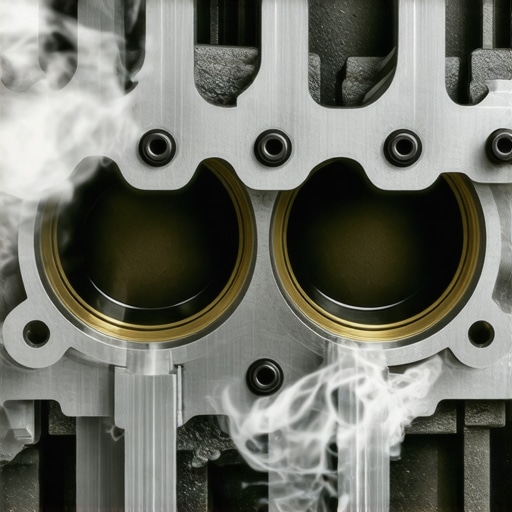
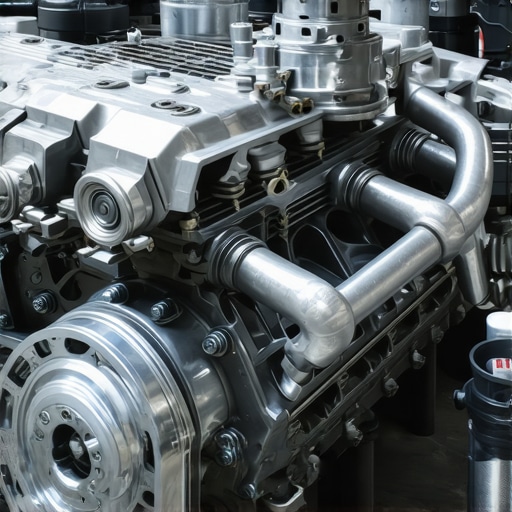
Aluminum engines are marvels of engineering, lightweight and efficient. But they also demand careful chemical compatibility—something cheap coolants often lack. When you opt for the lowest-priced option, you’re risking corrosion, clogging, and even engine failure. I learned this the hard way, and now I make it a point to choose high-quality coolants designed for modern engines. Today, we’re going to explore how you can protect your engine without breaking the bank, ensuring longevity and smooth running.
Could Cheap Coolant Really Harm Your Engine?
Many folks dismiss coolant as just a liquid that keeps the engine from overheating. But the truth is, the composition of your coolant plays a crucial role in preventing internal corrosion, especially in aluminum components. Early on, I made the mistake of thinking any coolant would do—the price was appealing, but I paid the price in repairs. That experience taught me to prioritize quality and compatibility.
Studies show that improper coolant use can lead to aluminum corrosion, resulting in costly repairs and downtime. So, before you top off or replace your coolant, consider whether you’re using the right type for your car. For more on maintaining your transmission during regular service visits, check out this guide.
In the upcoming sections, I’ll share practical tips and personal insights on choosing the right coolant, spotting early signs of corrosion, and maintaining your aluminum engine properly. If you’ve ever faced unexplained overheating or engine whine, stick around—you might be overlooking a simple coolant issue that could save you dollars and headaches.
Pick Quality Coolant Carefully
Start by researching coolants specifically formulated for aluminum engines—look for those with phosphate-free, silicate-free, and organic acid technologies. During my last engine overhaul, I opted for a reputable brand recommended by my mechanic, which prevented corrosion and extended the engine’s lifespan. Always verify compatibility by checking your vehicle’s manual or consulting an ASE-certified technician; this ensures you avoid chemical reactions that could cause internal damage.
Check for Proper Formulation
Confirm that the coolant has the right mixture of distilled water and concentrate—typically a 50/50 mix—to optimize heat transfer and prevent freezing or boiling over. I once added pure water to a weak coolant mixture after a hot day, which led to overheating; mixing properly would have prevented that issue. Use a refractometer or test strips to measure the mixture’s concentration; this straightforward step saves you from costly repairs caused by improper cooling.
Flush and Replace Regularly
Implement a schedule for flushing your cooling system, ideally every two to three years or as specified in your owner’s manual. During my first coolant flush, I used a commercial flush solution to remove deposits and rust. After draining, I rinsed with distilled water multiple times and refilled with fresh, high-quality coolant, which improved engine temperature regulation. This process, similar to changing oil, ensures the coolant system remains free of contaminants that can corrode aluminum parts. Don’t forget to bleed the system carefully to remove trapped air—air pockets can cause hot spots leading to engine damage.
Bleed the System Properly
Air in the cooling system compromises heat transfer. To avoid this, after refilling, run the engine with the radiator cap off until the thermostat opens, then top off to compensate for any air bubbles. I learned this by experiencing uneven engine temperatures that caused misfires. Consult your vehicle’s service manual or an ASE-certified specialist at our shop for specific bleeding procedures. Proper bleeding ensures efficient coolant circulation, preventing hot spots and prolonging engine life.
Inspect for Signs of Corrosion or Leaks
Regularly examine your coolant reservoir and radiator hoses for corrosion, discoloration, or leaks. In one instance, I noticed a faint greenish tint around a hose clamp, indicating coolant seepage. Quickly tightening the clamp and replacing the hose prevented further damage. Using a UV dye test can help identify leaks or internal corrosion—think of it as an early warning system for impending failures. Conduct these inspections every oil change, aligning with your maintenance schedule for optimal engine health.
Maintain Clean Cooling Passages
Deposits and rust buildup can impede coolant flow. During maintenance, manually inspect radiator fins and internal passages, ensuring there’s no debris blocking airflow or coolant circulation. I once cleaned a clogged radiator core with a gentle brush and water rinse, which restored optimal cooling performance and avoided engine overheating on hot days. Keeping internal passages clean boosts coolant efficiency and extends the lifespan of aluminum components.
Beyond the Basics: Uncovering the Myths and Mistakes in Transmission and Car Service
Many car owners believe that simple routine checks and generic maintenance plans are enough to keep their vehicles running smoothly. However, once you dig deeper into the nuances of transmission health and overall maintenance, you’ll realize that common practices can sometimes do more harm than good. For example, a widespread myth is that all transmission fluid is created equal, leading many to opt for cheap, generic oils. But seasoned technicians know that using the wrong type of transmission fluid can cause shuddering, slipping, or even complete transmission failure. According to a study by the Society of Automotive Engineers (SAE), improper fluid specification is a leading cause of early transmission wear, emphasizing the importance of precise maintenance practices.
Another misconception is the belief that neglecting minor warning signs like slight slipping or unusual noises isn’t urgent. In reality, these could be early indicators of severe issues that, if unaddressed, might necessitate costly repairs. For example, a subtle transmission shudder at high speeds could signify internal wear or fluid breakdown, which might be prevented with timely diagnostics and service. Skipping scheduled oil changes and fluid flushes, especially in modern vehicles with complex transmission systems, strongly correlates with decreased longevity and increased repair costs.
Now, let’s talk about the common trap many fall into: prioritizing cheap, quick fixes over comprehensive service. This approach often leads to temporary relief but can obscure underlying issues. Regular, high-quality car service performed by ASE-certified technicians ensures that components like transmission filters, coolers, and seals are properly inspected and maintained. They also understand the importance of using OEM-recommended products—something overlooked by many DIY enthusiasts chasing the lowest price.
How Can Advanced Maintenance Prevent Catastrophic Failures?
One often-overlooked aspect is the role of advanced diagnostics and fluid testing in preventing transmission breakdowns. Instead of relying solely on visual inspections or basic oil checks, expert mechanics utilize diagnostic tools to measure fluid temperature, viscosity, and metal particle contamination. These tests reveal subtle signs of wear before catastrophic failure occurs. Incorporating such proactive diagnostics aligns with the latest automotive industry standards and extends the lifespan of your vehicle’s transmission, saving money in the long run. For insights on how to approach vehicle upkeep holistically, visit this resource.
In conclusion, understanding the nuances of transmission care and routine maintenance goes beyond what most drivers assume. It’s about knowing the right products, recognizing early warning signs, and investing in advanced diagnostics—steps that can significantly prolong your vehicle’s life and optimize safety. Have you ever fallen into this trap? Let me know in the comments or reach out through our contact page.
,Maintaining your car’s transmission and engine components requires more than just routine oil changes; it demands the right tools, precise methods, and ongoing attention. Personally, I rely on a few key pieces of equipment that have saved me time and money, such as a high-quality OBD-II scanner like the BlueDriver. This device connects to your smartphone and provides comprehensive diagnostics, including transmission fault codes, real-time data, and emission checks, empowering me to catch issues early before they escalate. I also use a manual transmission fluid tester to manually assess fluid condition—a step that many overlook but is critical for identifying internal wear or contamination. Regularly monitoring transmission fluid quality allows me to decide when a flush is necessary, extending component life and avoiding expensive repairs. Looking ahead, I predict diagnostic tools will become increasingly sophisticated with AI integration, enabling even more precise maintenance scheduling based on vehicle usage patterns. So, how do I maintain my transmission over time? I set quarterly diagnostic checks using my OBD-II scanner, supplemented by visual inspections of fluid levels and color. Ensuring that these processes become part of my routine has helped sustain optimal shifting and performance. For example, after switching to a synthetic transmission fluid recommended by my ASE-certified technician, I noticed smoother gear changes and improved fuel efficiency, aligning with the insights from this guide. To keep your vehicle working efficiently without surprises, I recommend trying a dedicated diagnostic session with a trusted tool and keeping detailed records of your findings. This approach not only maintains the health of your transmission but can also reveal underlying issues early, saving you money and stress in the long run.
The Hardest Lesson I Learned About transmission, car service, ASE certified, oil change
One of the most eye-opening experiences in my automotive journey was realizing how much I underestimated the importance of quality coolant and proper transmission care. I used to think that sticking to cheap products and neglecting routine inspections wouldn’t make a big difference—that is until I faced a costly repair that changed my perspective forever. It taught me that investing a little in high-quality fluids and expert maintenance can save you thousands in the long run.
3 Myths About transmission, car service, ASE certified, oil change That Held Me Back
Before I truly understood vehicle maintenance, I bought into misconceptions like “all coolants are the same” or “DIY oil changes are just as good as professional service.” These myths led me to overlook essential details, resulting in preventable damage. Now, I know that choosing ASE-certified technicians and understanding the nuances of transmission fluids can significantly extend your vehicle’s lifespan.
What Experts Won’t Tell You About transmission, car service, ASE certified, oil change
Many automotive professionals observe that the warning signs of transmission trouble often go unnoticed until it’s too late. Regular diagnostics using advanced tools or trusted resources like this guide can uncover early issues before they escalate. Recognizing that not all oils or services are created equal motivates me to prioritize authentic parts and certified expertise—investments that keep my car running smoothly.
My Essential Toolkit for transmission, car service, ASE certified, oil change
Having reliable diagnostic tools like the BlueDriver scanner has become indispensable. It empowers me to monitor my vehicle’s health, catch emerging problems, and communicate effectively with ASE-certified mechanics. Additionally, I always keep high-quality transmission fluids and oil test strips handy—small investments that deliver big savings over time.
Where to Go from Here
If you want to ensure your vehicle stays in optimal condition, start by educating yourself about quality fluids and certified maintenance. Establish a routine schedule for oil and transmission flushes, and don’t hesitate to seek expert advice. For ongoing insights, visit this resource or reach out to a trusted ASE-certified technician at our shop. Taking these steps today will safeguard your investment and keep your car reliable for years to come.
Your Turn to Try
Now that I’ve shared my journey and lessons learned, I encourage you to evaluate your own vehicle maintenance habits. Have you ever overlooked a small sign that turned into a costly repair? Share your experiences below or ask questions—I’m here to help guide you toward smarter, more cost-effective car care. Remember, proactive maintenance isn’t just about saving money; it’s about driving with confidence and peace of mind.