
Why your car hums only when you turn left
Have you ever sat in your car, feeling that unsettling buzz or hum only when you make a left turn? At first, I thought it was just my imagination—an odd little quirk of my vehicle. But then, it happened repeatedly. That nagging noise, as if my car was protesting, seemed to have a mind of its own. I remember pulling over one day, frustrated, trying to figure out what was causing this peculiar sound that only appeared in those moments of turning left.
It turns out, this is more common than you might think, and there’s often a simple explanation—or at least one that you can troubleshoot yourself. I’ve been down this road before, and I want to share what I learned because ignoring it could lead to bigger problems down the line. Today, we’ll explore exactly why your car hums only when you turn left and, more importantly, how you can identify—and fix—the root cause before it turns into an expensive repair.
Understanding the Root of the Hum When Turning Left
Our vehicles are complex machines with many parts working in harmony. When you experience a hum or noise only during left turns, it often points to issues with components like your steering system, wheel bearings, or suspension parts. A common culprit is a worn-out wheel bearing on one side, which can produce a humming sound as it deteriorates—especially noticeable when the vehicle shifts weight during turns. For instance, a failing wheel bearing might be more active during left turns because of the way the load distributes across the wheels.
Another possible cause is a problem with the power steering system. If your power steering fluid is low or the pump is struggling, you might notice increased noise during steering. Additionally, worn or damaged CV joints can produce clicking or humming sounds that become more apparent during sharper turns.
Early on, I made the mistake of dismissing these sounds as minor. That mistake could have cost me dearly if I hadn’t. Proper maintenance, like regular inspection of suspension and steering components, can prevent small issues from becoming serious. I encourage you to see this problem as a sign your vehicle needs a closer look—because ignoring it could compromise safety or lead to more expensive repairs later.
If you’re curious about how regular maintenance can keep your vehicle in top shape, check out our comprehensive guide on why frequent oil changes extend your car’s lifespan. Addressing these subtle noises early can save both time and money, and ensure you’re safe on the road.
In the next sections, I’ll walk you through practical steps to diagnose the source of that damn hum and share tips from my own experience to fix it once and for all. Remember, a little proactive troubleshooting can go a long way—so, have you noticed this humming noise during your twists and turns? Let’s find out what’s really happening under your hood.
Step Into Your Garage and Jack Up Your Vehicle
Start by safely parking your car on a flat surface and engaging the parking brake. Use a jack to lift the vehicle slightly off the ground, placing jack stands under the frame for stability. This allows you to inspect the wheels and suspension components closely. During my first try, I made sure to wear gloves and safety goggles to protect myself from unexpected debris or parts.
Remove the Wheel for a Clear View
Use a tire iron to loosen and remove the lug nuts, then carefully take off the wheel. This is akin to peeling an orange—get a good grip and avoid forcing it. Once the wheel is off, you can access the hub, bearing, and suspension parts. I remember struggling at first because my torque wrench wasn’t calibrated, causing a bit of frustration. Eventually, I got the hang of tightening the lug nuts to the manufacturer’s specs—about 100 ft-lb—ensuring the wheel stays secure without risking damage.
Inspect the Wheel Bearing and Hub Assembly
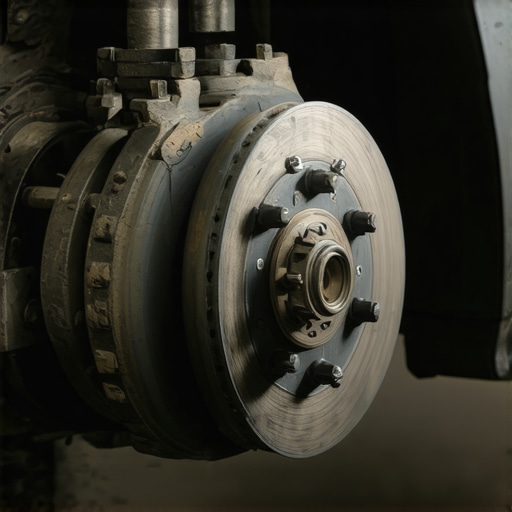
Check for any play or roughness in the bearing by holding the hub and rocking it gently. A worn bearing will feel loose or produce grinding sounds when spun. Think of it like checking a door hinge—if it wobbles or squeaks, it needs attention. I once found a bearing with visible rust and rough surfaces, confirming it was the culprit behind the humming noise. Replacing a failing wheel bearing is straightforward once you have the right tools and follow the manual.
Test the Power Steering System
With the car still elevated, turn the steering wheel from lock to lock and listen for any whining or humming sounds. Check the power steering fluid level—it should be between the min and max marks. If low, top it up with manufacturer-recommended fluid. During my own diagnosis, I noticed that topping up the fluid temporarily quieted the hum, indicating the system’s role. If the fluid is dirty or the pump squeals, replacing the fluid or the pump might be necessary, which can be reviewed further in choosing the right car service.
Check the CV Joints and Axles
Inspect the CV boots for cracks or leaks; torn boots can allow dirt and moisture to damage the joint. Spin the axle by hand to feel for any roughness or clicking. Think of CV joints like hinges—if they’re stiff or making noise, the joint is wearing out. If you find damage, replacing the CV axle prevents worse vibrations or dangerous failure during turns.
Test Drive to Confirm
After inspecting and repairing or replacing faulty parts, lower the vehicle back to the ground. Take a test drive, making smooth left turns to see if the hum persists. Pay attention to any new noises or vibrations. I found that after replacing my worn wheel bearing, the hum disappeared entirely, and the steering felt more responsive. Remember, regular oil changes and maintenance checkups extend the lifespan of these components, preventing issues like this from surfacing unexpectedly.
Many car owners believe that an ASE certification guarantees flawless maintenance or that simply changing the oil regularly makes all the difference. However, the nuances of automotive care often escape most drivers. For example, an ASE certification indicates a technician’s competence but doesn’t necessarily reflect ongoing training in the latest vehicle technologies or manufacturer-specific procedures. This misconception can lead owners to over-rely on certifications instead of trusting nuanced, vehicle-specific diagnostics. Additionally, common myths suggest that all oil changes are equal, but specialized oils like synthetic or high-mileage formulations require precise application—an area where cutting corners can cost you more in the long run.
Why does a routine oil change sometimes fall short of preventing engine wear?
Expert insights reveal that oil change frequency isn’t the only factor—quality, proper application, and accompanying maintenance like filter replacement are equally critical. Studies from automotive research, such as those summarized in this resource, show that neglecting component-specific needs or delaying transmission service can lead to premature failure. Many drivers overlook the importance of comprehensive system assessments, assuming that a routine oil change suffices for overall health. In reality, transmission fluid, coolant levels, and belts also play significant roles in vehicle longevity. This misunderstanding about what constitutes thorough maintenance often results in avoidable repairs—something I’ve seen repeatedly in practice.
Another common mistake is assuming that all transmission services are the same. Some owners believe that a simple transmission fluid换,or even ignoring minor shifting issues, won’t impact the longevity of their vehicle. But, as transmission maintenance experts point out, neglecting proper fluid changes or failing to address early signs of wear can cause costly damage. Not recognizing the difference between a basic drain-and-fill and a more comprehensive flush can be a costly mistake. In advanced diagnostics, a small shudder during shifting or delayed engagement often signals deeper issues, emphasizing the value of specialized knowledge—something that an ASE certification alone doesn’t guarantee.
Are you misjudging the importance of manufacturer’s recommended services?
Many car owners follow generic schedules found online, but modern vehicles require adherence to manufacturer-specific intervals, especially for complex systems like the transmission. Failing to do so risks accelerated component wear, which can be mitigated by consulting resources like this guide. Relying solely on time or mileage markers without understanding the nuances can lead to premature failures or unnecessary work. Remember, the difference between a well-maintained car and one that wears out prematurely often hinges on attention to these critical details. Have you ever fallen into this trap? Let me know in the comments.Maintaining your vehicle’s transmission system and other key components over time requires more than just basic knowledge; it demands the right tools and a strategic approach. Personally, I rely on a few trusted pieces of equipment that have proven invaluable in diagnosing and performing essential repairs. One such tool is a high-quality scan tool, like the Autel MaxiSys Elite, which allows me to access advanced diagnostic trouble codes and live data streams—crucial for pinpointing issues in modern, ASE-certified vehicles. This device can read manufacturer-specific codes, making it invaluable for transmission and engine diagnostics, saving you time and money rather than relying solely on generic OBD-II scanners.
What I Wish I Knew About Car Hum Before It Was Too Late
One of the most valuable lessons I learned was paying attention to the subtleties of my vehicle. That hum during left turns wasn’t just an annoyance; it was a warning sign of impending issues like worn wheel bearings or power steering problems. Recognizing these early indicators has saved me from costly repairs and ensured my safety on the road. Keep in mind, trusting your instincts and understanding your car’s peculiarities can make all the difference in proactive maintenance.
Tools and Resources That Gave Me an Edge
Having the right diagnostic tools is crucial. I rely heavily on a high-quality scan tool, like the Autel MaxiSys Elite, which allows me to delve deep into manufacturer-specific codes and live data. Additionally, comprehensive guides on why regular oil changes extend your car’s lifespan have helped me understand the broader scope of vehicle care. Investing in good resources and tools transforms guesswork into confident troubleshooting.
Embracing the Journey of Car Care
Taking control of your vehicle’s health isn’t just about fixing problems—it’s about building a relationship with your car. Every noise, vibration, or hesitation is a conversation waiting to happen. Don’t be discouraged by the technical complexity; view it as an opportunity to learn and grow. Remember, consistent maintenance and attentive observation lead to safer, more reliable driving experiences. So, next time you notice that strange hum during a turn, see it as your car trying to tell you something important—your proactive response can make all the difference.