Why your fleet’s tires are wearing unevenly across the axles
It was just another Tuesday morning when I blew a tire on my fleet vehicle during a routine delivery. The sudden thump, the sinking feeling in my stomach—I’ve been there. But what really stuck with me was the realization that this wasn’t an isolated incident; uneven tire wear had become a persistent issue across my entire fleet. At first, I blamed rough roads or poor driving habits, but eventually, I discovered the real culprit—improper alignment and maintenance.
If you’ve noticed your fleet’s tires wearing unevenly—those bald spots, feathered edges, or cupping—it can lead to increased fuel costs, unsafe driving conditions, and costly replacements. Trust me, I learned the hard way that ignoring this problem only worsens it.
Today, I want to share with you the insights I’ve gained from personal experience and expert advice. We’ll explore how uneven tire wear impacts your vehicles’ performance and, more importantly, how to identify and correct the underlying causes before they turn into expensive repairs.
Understanding Why Tires Wear Unevenly: The Hidden Factors
Many fleet managers think that tire wear is just part of the game, but that’s a dangerous misconception. Uneven wear isn’t a random occurrence; it’s a warning sign that something isn’t right beneath the surface. Factors like misalignment, unbalanced wheels, improper tire inflation, and suspension issues often play a role. Early on, I made the mistake of simply replacing tires without investigating these root causes, which only led to faster wear and higher costs. It’s crucial to approach tire problems holistically, just like you would with transmission or oil maintenance, to ensure longevity and safety.
If you’re wondering whether your vehicles are suffering from these issues, this is the moment to act. Regular inspections can catch problems early, saving your fleet money and reducing downtime. For some expert tips on how to maintain optimal vehicle health, check out [top oil change tips](https://autofixclinic.com/top-oil-change-tips-for-safe-driving-in-2025) to keep everything running smoothly.
Are you noticing unusual tire wear patterns on your fleet vehicles? If so, don’t wait—addressing these issues promptly can extend tire life and improve fuel efficiency. Next, we’ll delve into practical steps you can take today to diagnose and correct uneven tire wear, empowering you to keep your fleet running safely and efficiently.
Inspect Tire Wear Patterns Carefully
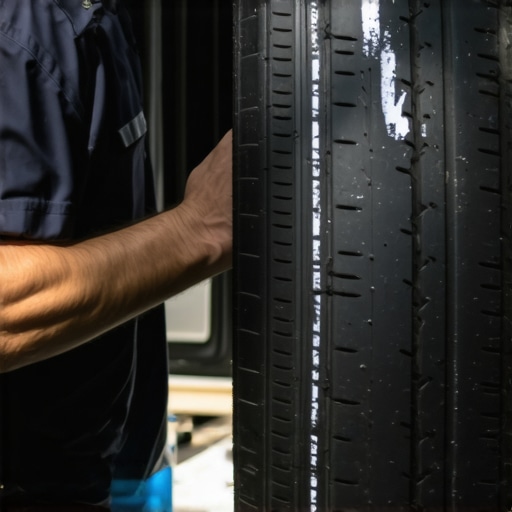
The first action I took was a detailed inspection of each tire, looking for specific patterns like feathering edges or cupping. During one session, I used a white chalk to mark worn areas to see if the unevenness changed after a test drive, which helped me confirm misalignment issues. Regularly checking these patterns is like reading the health report of your vehicle’s suspension and alignment.
Check and Maintain Proper Tire Inflation
Next, I verified the tire pressure with a reliable gauge, using the manufacturer’s recommended PSI found on the driver’s door sticker. Underinflated or overinflated tires wear unevenly, much like how a poorly balanced load affects a truck’s suspension. I set all tires to optimal pressure, which immediately improved wear pattern consistency and fuel efficiency.
Perform a Wheel Alignment
Aligning the wheels requires specialized equipment, but I learned to recognize when a professional alignment was necessary—especially if steering felt off or the vehicle pulled. During a realignment, I watched the technician adjust camber, caster, and toe settings, comparable to tuning a transmission’s shift points. This step drastically reduced further uneven wear and extended tire lifespan.
Schedule Regular Alignment Checks
Just like oil changes prevent engine wear, periodic alignment checks prevent tires from wearing prematurely. I scheduled these every six months or after hitting rough roads, ensuring consistent vehicle handling and tire longevity. Think of it as routine transmission maintenance; neglect leads to costly repairs down the line.
Balance the Wheels Correctly
Wheel balancing ensures each tire rotates smoothly without causing vibrations. I often used a bubble balance machine, especially after mounting new tires. An unbalanced wheel can cause cupping and uneven wear—akin to a transmission slipping because of uneven torque distribution. Proper balancing improved ride comfort and minimized tire noise.
Address Suspension and Steering Components
Suspension parts like shocks, struts, and control arms directly impact tire wear. I replaced worn-out struts identified by a bounce test and checked for looseness. It’s like replacing a worn-out clutch in a manual transmission—if neglected, it hampers performance and causes damage. After repairs, I noticed smoother handling and more uniform tire wear.
Implement a Maintenance Schedule
Finally, I set up a maintenance timetable, including regular tire rotations and visual inspections. For example, rotating tires every 5,000 to 7,500 miles ensures even wear—similar to changing transmission fluid to prevent overheating and gear slippage. Consistency in maintenance saves money and keeps the fleet in prime condition.
 Many drivers and even some seasoned mechanics still cling to misconceptions about routine vehicle care, especially concerning oil changes and transmission maintenance. While basic knowledge is widespread, the details matter greatly, and understanding the nuances can save you thousands of dollars and prevent unexpected breakdowns. Let’s explore what most people get wrong and reveal some hidden pitfalls and advanced mistakes that could trip you up.
First, there’s a prevalent myth that sticking to the manufacturer’s recommended oil change interval is always enough. While following your vehicle’s manual is essential, recent studies indicate that driving conditions heavily influence oil degradation. Short trips, stop-and-go traffic, and extreme temperatures can accelerate oil breakdown, meaning the typical 5,000 to 7,500-mile interval might not be sufficient. For a comprehensive guide on this topic, check out [top oil change tips](https://autofixclinic.com/top-oil-change-tips-for-safe-driving-in-2025) which emphasizes the importance of considering driving habits.
Another common mistake is believing that regular oil changes alone can guarantee engine health. In reality, neglecting other crucial components, like the transmission system, can be costly. Many assume transmission issues only emerge after a failure, but insufficient maintenance or late diagnostics often lead to severe damage. As highlighted in [transmission troubleshooting](https://autofixclinic.com/transmission-troubles-expert-insights-for-smooth-shifting), proactive measures and early diagnosis are key to avoiding complex repairs.
Now, let’s address an often-overlooked nuance: the significance of ASE certification when choosing a mechanic. While some think it’s just a badge, ASE-certified technicians possess advanced knowledge that significantly impacts your vehicle’s longevity. They’re trained to identify subtle issues, such as a slightly slipping transmission or early signs of engine wear, which unqualified mechanics might miss. This expertise can make the difference between a simple tune-up and a major overhaul.
What about transmission fluid replacements? A widespread misconception is that these should be done only when symptoms appear. However, the reality is that many modern transmissions require regular fluid changes to prevent contamination and degradation. Neglecting this can lead to shuddering, slipping, or even complete transmission failure, especially in high-mileage fleets. For detailed guidance, explore [ride-smoothing transmission insights](https://autofixclinic.com/why-regular-oil-changes-extend-your-cars-lifespan) which explains why routine fluid maintenance sustains transmission health.
Be cautious of the trap where drivers confuse a simple oil top-off with a full oil change. Some assume adding oil fixes underlying issues, but this can mask critical problems like leaks or engine wear. Relying solely on topping off without addressing root causes can lead to catastrophic engine failure. Regular oil analysis and professional inspections are vital. You can learn more about oil management at [proper oil level checks](https://autofixclinic.com/the-proper-way-to-check-your-oil-level-without-smearing-the-dipstick).
To wrap up, keep in mind that maintenance isn’t just about following routines blindly—it requires attention to detail, understanding your vehicle’s unique needs, and recognizing that advanced issues often hide beneath the surface. Make sure your service provider is qualified, experienced, and understands these nuances. This approach ensures longevity, safety, and optimal performance.
Have you ever fallen into this trap? Let me know in the comments. Staying informed means smarter vehicle care—your wallet and your safety will thank you.
Investing in Precision Equipment for Optimal Maintenance
When it comes to maintaining your vehicle, having the right tools isn’t just a convenience—it’s a necessity. Personally, I rely on a high-quality digital wheel alignment system, like the Hunter Hawkeye Elite, because it provides quick, accurate readings, saving time and ensuring precise adjustments. This is crucial for preventing uneven tire wear and protecting transmission components, as misalignment can cause undue stress that leads to premature failure.
Additionally, I swear by a reliable diagnostic scan tool such as the Autel MaxiCOM. It allows me to quickly identify trouble codes and monitor live sensor data, which helps in diagnosing issues early—before they escalate into costly repairs. Keeping an eye on real-time data for transmission fluid temperature or oil pressure helps me determine when essential services are due, aligning with the advice found at this resource.
Mastering Software for Long-Term Vehicle Health
Beyond physical tools, software plays a vital role. I use a dedicated vehicle maintenance app that tracks service intervals, logs repairs, and prompts me for upcoming inspections. This helps streamline scheduling and ensures I don’t overlook critical maintenance such as transmission fluid changes or ASE-recommended services. The software also allows me to record the specific vehicle details, making it easy to compare performance over time.
For fleet managers aiming for scalability, integrating fleet management platforms like Fleetio or Verizon Connect can centralize data across vehicles, giving insights into patterns that affect transmission longevity or oil health. As the trend leans towards predictive maintenance, leveraging these tools becomes essential for staying ahead of potential failures and reducing downtime.
Refining Your Inspection Routine with Advanced Techniques
I highly recommend adopting a visual and tactile inspection process that combines digital diagnostics. For example, using a borescope camera to inspect transmission cooler lines can reveal hidden leaks or blockages before they cause serious damage. Regularly checking the transmission cooler for debris or corrosion, as detailed in this article, can save thousands in repairs.
Another technique involves measuring fluid temperatures during test drives with infrared thermometers. Consistent readings across different parts of the transmission or oil system indicate healthy operation, whereas anomalies can signal impending failures.
How do I maintain my tools and equipment over time?
Keeping your maintenance tools calibrated and in good condition is critical. Regularly cleaning and servicing your digital alignment sensors, updating software, and storing diagnostic tools properly prolongs their lifespan and ensures accuracy. Manufacturers often provide calibration schedules—don’t ignore them, as precision is key for early diagnostics and preventing long-term damage.
As the industry moves toward smarter diagnostics, investing in these technologies and implementing routine checks now will keep your vehicles operating at peak performance. For a primer on choosing reliable maintenance tools, see this guide. And I encourage you to try integrating a borescope inspection into your routine next week—it can uncover issues hidden from plain sight, truly making a difference long-term.
Over the years, I’ve learned that the true art of vehicle maintenance lies beyond following routine checklists—it’s about understanding the subtle signs and correcting them before they escalate. One of the most profound lessons I encountered was realizing that neglecting the nuances of transmission health and oil care can silently undermine your fleet’s performance. This insight transformed my approach from reactive repairs to proactive preservation, saving me thousands and securing safer journeys for everyone involved.
Hard Truths That Changed My Perspective on Vehicle Upkeep
- Never underestimate quiet warning signs. I once ignored a slight hesitation during shifts, dismissing it as normal. When it worsened, I faced costly transmission repairs. Now, I prioritize early diagnostics, trusting that small glitches often hint at deeper issues.
- Routine maintenance is a form of respect. Going beyond the scheduled oil changes—like inspecting transmission cooler lines or using a borescope—can reveal hidden failures. The upfront effort prevents unexpected shutdowns and extends component lifespan.
- The right certification matters. Working with ASE-certified technicians has been a game-changer. Their trained eyes spot issues others miss, especially in complex systems like transmissions and oil management, reinforcing the value of expert knowledge.
- Invest in quality tools that deliver accuracy. From digital alignment systems to diagnostic scan tools, reliable equipment empowers me to make informed decisions quickly, averting minor problems from turning into disasters.
- Data guides better decisions. Implementing maintenance software helps me track service intervals, monitor fluid conditions, and anticipate repairs—turning guesswork into strategic planning.
Tools, Books, and Resources That Elevated My Fleet Maintenance Strategy
- Top oil change tips: Essential for understanding when and how to optimize oil and transmission fluid changes, especially under demanding conditions.
- Transmission troubleshooting: Gave me insights into diagnosing shift issues early, saving costly repairs and downtime.
- Why routine oil changes matter: Reinforced the importance of consistent maintenance for engine and transmission longevity.
- Selecting qualified mechanics: Ensures that complex systems like transmissions get the care they deserve with proper diagnostics and repairs.
The Drive Toward Smarter, Safer Fleet Operations
My journey has shown me that informed, intentional maintenance transforms fleet management from a daunting task into a rewarding one. By understanding the nuanced language of vehicle performance—listening to subtle shifts, monitoring fluid health, and trusting certified experts—you build a resilient fleet capable of handling the road ahead. And remember, investing in the right tools and knowledge isn’t just about avoiding breakdowns; it’s about empowering yourself to make proactive choices that safeguard your assets and people.
So, are you ready to look beneath the surface of your fleet’s health and embrace a smarter maintenance mindset? Your vehicles—and your bottom line—will thank you for it.
Refuse to Overlook Subtle Signs: Transform How You Care for Your Fleet
Have you noticed any early warnings in your vehicle’s performance or fluid levels? Let’s start a conversation—share your experiences below and discover how small observations can lead to significant savings and safety improvements.
Need guidance on specific maintenance challenges? Visit our contact page for personalized advice. Remember, proactive care today secures reliable service tomorrow.
,