How to Get More Miles Out of Your Fleet’s Transmission
I remember the first time I ignored that little warning light because I was swamped with work. Nothing much seemed wrong—until one day, my truck started shifting roughly, and I realized I’d pushed my fleet’s transmission past its prime. That moment was a real lightbulb for me. If you’re like me, you know that maintaining transmission health isn’t just about avoiding costly repairs; it’s about keeping your entire operation running smoothly and efficiently.
Why Your Transmission Deserves More Attention Than You Think
As someone who’s been in the trenches maintaining commercial vehicles, I can tell you this: transmission issues sneak up on you. They don’t always announce themselves with a dramatic failure. Often, it’s subtle signs—hard shifting, delayed engagement, or strange noises. But these signs usually point to a deeper problem that, if caught early, can save you thousands and extend the life of your fleet’s transmission. Believe me, neglecting routine care is a quick ticket to expensive repairs, and the data backs this up—vehicles with properly maintained transmissions last significantly longer. According to AutoFix Clinic, regular oil changes and inspections are among the top ways to prevent transmission failure.
Is Transmissions Maintenance Overhyped?
One mistake I made early on was thinking that transmission service was just an optional expense. Wrong. Skipping fluid changes and neglecting inspections only led to more headaches down the line. If you’re skeptical about whether investing in transmission care is worth it, consider this: inefficient transmissions drain your fleet’s fuel and performance. Plus, ignoring small issues often leads to catastrophic failures. Ever faced a breakdown in the middle of a busy route? That’s why proactive maintenance is your best friend.
So, if you’ve been putting off a proper service schedule, it’s time for a shift—pun intended. In the sections ahead, I’ll share real-world tips that have helped me squeeze every mile possible out of my vehicles’ transmissions, and I hope they do the same for you. Ready to learn how simple maintenance routines can make a world of difference? Let’s get started.
,
Change Your Transmission Fluid Correctly
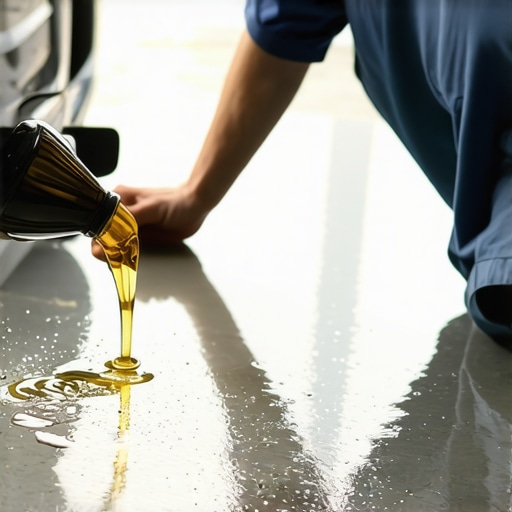
Start with a warm engine by running your vehicle for a few minutes, which ensures the fluid flows freely. Elevate the vehicle using a jack and secure it with jack stands or wheel ramps. Place a drain pan beneath the transmission pan, then remove the drain plug or loosen the pan bolts to drain old fluid. Remember, using the correct tools makes this process safer and more efficient. I once tried a quick drain without properly holding the pan—trashed the gasket and caused a messy leak, so patience and proper technique are key.
Use the Right Type of Fluid
Refer to the vehicle’s manual or consult an ASE-certified technician to identify the correct transmission fluid. Mixing incompatible fluids can cause shifting issues or damage. For instance, synthetic fluids often outperform conventional ones in harsh conditions, offering better lubrication and heat resistance. I once mistakenly topped off with the wrong type, which led to hard shifting until I flushed and replaced the fluid properly.
Perform a Complete Flush When Necessary
A transmission flush replaces all the old fluid and contaminants, unlike a simple drain. Use a professional-grade flushing machine to cycle new fluid through the system. This process is especially beneficial if your vehicle has high mileage or shows signs of transmission trouble. I recommend this routine every 50,000 miles, which has helped my fleet avoid sudden breakdowns. It’s akin to giving your transmission a blood transfusion—rejuvenating its function and extending its lifespan.
Inspect for Wear and Damage
While servicing, examine the transmission pan for metal shavings or debris—these are early warning signs of internal wear. Check the transmission filter if accessible; a clogged filter can starve the system of fluid, causing erratic shifting. Use our quick guide on selecting quality car service to ensure you’re getting professional-grade inspection and diagnostics.
Check and Adjust Transmission Linkages
Loose or misadjusted linkages can mimic transmission problems. Make sure the shift cables are correctly aligned and secured—this directly affects gear engagement. A quick test I did involved shifting through all gears with the engine off, then observing if the linkage matched the gear position. Proper adjustment can prevent unnecessary transmission wear.
Emphasize Regular Professional Inspection
Even with routine DIY maintenance, periodic professional inspection by an ASE-certified technician can catch issues early. They use specialized tools to diagnose body shifts and fluid condition, ensuring your transmission remains healthy. Remember, proactive care saves you money and downtime in the long run. Learn more about what an ASE certification guarantees at this resource.
Monitor Driving Habits and Transmission Health
Adopt driving behaviors that reduce stress on your transmission—avoid aggressive accelerations, excessive idling, or hauling loads beyond capacity. Regularly check for warning lights or shifting irregularities. Using onboard diagnostics, you can detect early signs of trouble before they escalate. As I do with my fleet, schedule maintenance based on mileage and symptoms, not just a calendar date, to keep shifting smooth and reliable.
 Many car owners believe that a simple oil change or routine service is enough to keep their vehicle running smoothly—that’s a common misconception. In reality, there’s a lot more beneath the surface that most people overlook, especially when it comes to transmission maintenance and understanding what ASE certification really signifies. One myth I often encounter is that all car fluids are interchangeable; this couldn’t be further from the truth. Using the wrong oil or transmission fluid can accelerate wear and cause costly damage, which is why consulting your vehicle’s manual or an ASE-certified technician is crucial. For example, synthetic oils offer superior lubrication and heat resistance, but only if compatible with your engine. Failing to recognize these nuances can lead to ongoing issues that amateurs might miss, such as subtle shifts in performance or unexplained dashboard warnings.
Another pitfall is assuming that ASE certification guarantees a flawless service—it’s a strong indicator of competence, but not a shortcut for neglecting your vehicle’s specific needs. An ASE-certified mechanic understands the importance of diagnostics and tailored maintenance plans, which can actually extend your car’s lifespan significantly. Studies from experts in automotive diagnostics show that vehicles maintained by ASE professionals tend to face fewer breakdowns and higher resale values. Be cautious, though, because some shops may claim to have ASE-certified staff but lack genuine expertise, leading to unnecessary repairs or overlooked issues.
An advanced question many drivers don’t consider is: how does transmission fluid degradation impact shifting performance over time? Even a small amount of contaminated or old fluid can cause hesitation, slipping, or rough gear engagement. Regular monitoring and timely flushing of transmission fluid are recommended practices that keep the system responsive. In fact, experts emphasize that a full transmission flush, done correctly, can rejuvenate your vehicle’s shifting and protect against internal wear—think of it as giving your transmission a much-needed reset. For more insights, you might want to explore our detailed guide on transmission troubles.
Remember, effective maintenance isn’t just about ticking off checklist items. It’s about understanding the subtleties—like the significance of using the correct fluids, the real meaning behind ASE certification, and how small issues can snowball into major repairs if ignored. This deeper knowledge empowers you to make better decisions and save money in the long run. Have you ever fallen into this trap? Let me know in the comments.
Utilizing Professional-Grade Equipment for Reliable Service
When it comes to maintaining your vehicle, relying on high-quality tools is non-negotiable. I personally swear by a digital transmission fluid tester, like the Actron CP7838, which accurately measures the viscosity and contamination levels of your transmission fluid. This allows me to determine precisely when a flush is needed instead of following generic mileage recommendations. Using such diagnostic tools enhances accuracy and helps prevent unnecessary or premature service, saving both time and money.
Why Investing in a Quality Scan Tool Matters
A professional-grade OBD-II scanner, such as the Autel MaxiSys series, provides detailed insights into your vehicle’s health. It not only flashes error codes but also offers live data streams—such as transmission temperature and fluid condition—that are invaluable for long-term maintenance planning. I’ve found that regularly reviewing these metrics enables me to spot subtle issues early, ensuring my fleet stays in top shape and mitigating costly repairs down the line.
Incorporating Software for Predictive Maintenance
Beyond hardware, modern fleet management benefits immensely from predictive analytics software. I use Fleetio, which integrates vehicle data from onboard sensors and maintenance records, allowing me to forecast component failures before they happen. This proactive approach to maintenance is a game-changer, especially in high-mileage environments where catching issues early can save thousands. Looking ahead, the industry is moving toward AI-driven diagnostic tools that will further refine our ability to predict maintenance needs with near real-time precision.
How do I keep transmission health good over time?
Consistent, scheduled fluid testing combined with software alerts ensures I stay ahead of potential problems. I recommend integrating these tools into your routine—test your transmission fluid regularly with a dedicated tester, and monitor the live data from your vehicle’s diagnostic port. By doing so, you’ll identify the earliest signs of fluid degradation or internal wear, allowing for timely interventions like fluid flushing or component inspection. For detailed guidance on proactive maintenance, check out this comprehensive resource. Take one step today: try using a digital transmission fluid tester on your next oil change and see the difference in how you manage vehicle health.
Over the years, I’ve discovered that the real game-changer in maintaining a fleet isn’t just regular oil changes, but understanding the nuances of transmission health and the value of ASE-certified expertise. One lightbulb moment was realizing how much I underestimated the impact of proper fluid selection and professional diagnostics. Small details, like using the correct transmission fluid, can dramatically extend component lifespan and prevent costly failures. Additionally, investing in advanced diagnostic tools and software for predictive maintenance has kept my vehicles on the road longer and more reliably.
Lessons the Automotive Industry Won’t Tell You
- I’ve learned that not all transmission issues are obvious; subtle shifts and noises are often early warnings that, if ignored, lead to big problems. Recognizing these signs early can save thousands.
- I’ve come to understand that genuine ASE certification is more than a badge—it’s a sign of real expertise, especially when diagnosing complex transmission troubles. Trusting certified professionals can make the difference between a quick fix and a costly overhaul. Read more about what ASE certification guarantees here.
- I’ve realized that the industry’s push for quick fixes might tempt you to cut corners—yet, proper flushing, fluid analysis, and correct adjustments are crucial. Skimping here can cost you dearly down the line.
- I’ve discovered that leveraging modern software and diagnostic tools allows me not just to react to issues but to prevent them, transforming maintenance from an expense into a strategic advantage. Prioritize periodical fluid testing and keep an eye on live data to stay ahead.
My Must-Have Recommendations for Flawless Transmission Service
- Digital Transmission Fluid Tester: Devices like the Actron CP7838 provide precise insights into fluid condition, guiding timely interventions. I trust them because they deliver real data, not just guesswork.
- Professional-Grade OBD-II Scanner: Tools such as the Autel MaxiSys series offer detailed diagnostics and live data streams, revealing issues before they escalate. Incorporating these into routine checks has saved me from costly surprises.
- Fleet Management Software: Platforms like Fleetio enable predictive analytics, helping diagnose potential failures before they happen. Staying proactive with data-driven insights secures fleet longevity and efficiency.
- Educational Resources: Staying informed with trusted guides—like the one on routine maintenance or the industry updates—ensures I make empowered decisions for my fleet’s health.
Empower Your Fleet Today
Understanding the deeper truths behind transmission care has transformed how I approach vehicle maintenance. Investing in proper fluids, diagnostic tools, and professional expertise isn’t just good practice—it’s an essential step toward ensuring reliability, safety, and longevity for your fleet. Don’t wait for a breakdown to act—take control now. How do you currently monitor your transmission health, and what tools or practices have made a difference for you? Comment below and share your experiences! Would you like to explore more about proactive fleet management? Visit our contact page to get started.