Why Your Brake Pedal Feels Like Spongy Mush Suddenly
I vividly remember the moment I slammed on the brakes during a rainy afternoon, only to feel that unsettling spongy mush beneath my foot. My heart skipped a beat—I instantly knew something wasn’t right. It’s one of those little surprises that can turn into big worries if you’re not prepared. That sensation, that soft, give-in feeling when pressing the brake pedal, can be downright nerve-wracking, especially if you depend on your car daily.
The Sudden Sponginess in Your Brake Pedal Is More Than Just Annoying
For many drivers, encountering a brake pedal that feels squishy or unresponsive strikes fear. It’s easy to dismiss as just air in the lines or a minor issue, but in reality, it can be a sign of something more serious lurking beneath the surface. If left unchecked, this could compromise your safety, your ability to stop effectively, or lead to costly repairs.
Now, here’s the good news—this problem is often fixable, and resolving it doesn’t always require a complete brake overhaul. It’s about diagnosing the root cause and acting promptly. But before you panic or start guessing, let me share what I’ve learned from years of working with ASE-certified technicians and personal trial-and-error experiences.
In this guide, we’re diving into the common reasons behind that scary spongy brake pedal and, more importantly, how you can troubleshoot and fix the issue yourself or with the help of professionals. Whether it’s brake fluid problems, air in the lines, or worn components, I’ll walk you through the practical steps that will empower you to restore confidence in your braking system.
Have you ever experienced this sudden sponge-like sensation in your brake pedal? If so, I’d love to hear your story—hit me up through our [contact page](https://autofixclinic.com/contact-us), and let’s troubleshoot together.
Did you know that regularly maintaining your braking system can prevent many of these issues? According to the Vehicle Care Association, neglected brake systems are a leading cause of brake failure on the road—so staying proactive can save lives and money.
With that in mind, let’s roll up our sleeves and get into the serious stuff—understanding why your brake pedal behaves this way is the first step toward fixing it and keeping your drive safe.
Start with a Visual Inspection of Your Brake System
Replicating a time when I faced this issue, I began by parking the car on level ground and turning off the engine. I then looked for any noticeable leaks or damage around the brake master cylinder and brake lines. For beginners, check for wet spots or corrosion that might hint at a leaking fluid. This initial step helps identify obvious problems and prevents unnecessary disassembly.
Check and Replace Old or Contaminated Brake Fluid
Next, I opened the brake fluid reservoir, ensuring the fluid was at the correct level and clear in color. If the fluid appeared dark or cloudy, I replaced it using fresh DOT-3 or DOT-4 brake fluid, as recommended for my vehicle. Flushing the brake system with new fluid removes moisture and debris that cause sponginess, much like changing oil clears out engine gunk. Regular brake fluid changes per manufacturer instructions can prevent this issue from escalating.
Flushing Brake Fluid
To do this, I used a pump or syringe to remove the old fluid from the reservoir, then topped it with fresh fluid. Before closing the cap, I bled the brakes to remove air pockets. This process is similar to your car’s oil change, where removing contaminants ensures proper function. Proper fluid maintenance guarantees responsive braking and extends the life of brake components.
Bleed the Brakes to Remove Air From the Lines
If the fluid was fine but the pedal still felt mushy, I proceeded to bleed the brakes. I secured the vehicle on jack stands, asked an assistant to press the brake pedal, and then opened the bleed valve at each wheel in a specific sequence—usually starting with the wheel farthest from the master cylinder. This is akin to a transmission flush, where removing residue restores smooth shifting. During bleeding, I made sure to keep the reservoir topped off to prevent air from re-entering the system.
Correct Bleeding Technique
I connected clear tubing to the bleed valve, placed the other end in a container, and had my helper repeatedly press and release the pedal. I opened the valve to let trapped air escape, then closed it before my helper released the pedal. Repeating this at each wheel eliminated air pockets, restoring pedal firmness. If unsure, consulting an ASE-certified technician can be beneficial, especially for complex systems. For more on professional diagnostics, visit what ASE certification means.
Inspect and Replace Worn Brake Components
Worn brake pads or rotors can also cause sponge-like pedals. I checked the brake pads for thickness and the rotors for scoring or warping. If pads were below 3mm or rotors showed grooves, replacement was necessary. Think of it like a tire wearing down; if neglected, it affects performance. Replacing worn parts ensures firm braking response and safety. For guidance on choosing quality parts, explore choosing the right car service.
Test Drive and Confirm the Repair
After completing these steps, I carefully tested the brake pedal by driving slowly in a safe area. The pedal felt firm, and braking was responsive—exactly what I aimed for. Always verify your fix by gentle braking, gradually increasing pressure, to confirm the issue is resolved. If problems persist, professional diagnostics might be necessary to identify hidden issues like caliper sticking or master cylinder failure.
This systematic approach, akin to an ASE-certified technician’s method, ensures you address the root cause effectively, improving safety and peace of mind. Regular maintenance, like timely fluid changes and component checks, prevents future sponginess and guarantees optimal brake performance.
When it comes to automotive maintenance, many drivers assume that an ASE certification or a simple oil change guarantees top-tier service and long-term vehicle health. But beneath the surface lies a web of nuances that often get overlooked, leading to costly mistakes or misguided trust. Let’s peel back the layers and explore what most people get wrong about ASE certifications, oil changes, and other essential car services.
Many believe that ASE certification is a foolproof badge of excellence. While it signifies that a technician has passed rigorous tests and has demonstrated competence, it doesn’t automatically mean they’ll perform perfect repairs every time. As discussed in our [What Does an ASE Certification Mean](https://autofixclinic.com/what-does-an-ase-certification-mean-for-your-cars-maintenance), these credentials are a strong indicator of foundational expertise, but experience and ongoing training matter just as much. Relying solely on an ASE badge can create a false sense of security.
Another common myth revolves around oil changes. The assumption is that any quick lube or service shop can handle it adequately. However, the devil is in the details: using the wrong oil grade, neglecting to replace the oil filter properly, or failing to get a thorough inspection can severely impact your engine’s lifespan. Our [Top Oil Change Tips for Safe Driving](https://autofixclinic.com/top-oil-change-tips-for-safe-driving-in-2025) emphasize that quality service extends beyond just pouring in oil—it’s about precision, cleanliness, and understanding your engine’s unique needs.
On the topic of transmission services, many think that a simple fluid flush can fix all shifting issues. But, as noted in [Transmission Troubles Expert Insights](https://autofixclinic.com/transmission-troubles-expert-insights-for-smooth-shifting), aggressive flushing without diagnosing underlying problems like worn clutches or damaged solenoids can cause more harm than good. Performing a comprehensive diagnostic before any service is crucial, yet this step is often skipped in favor of quick fixes.
A prevalent trap for car owners is neglecting the importance of regular maintenance based on manufacturer guidelines. Some believe that as long as the car runs, there’s no need to follow scheduled services. In reality, delaying or skipping essential checks—like transmission fluid changes or brake inspections—can lead to unexpected breakdowns. Regular servicing as outlined in our [Why Regular Oil Changes Extend Your Car’s Lifespan](https://autofixclinic.com/why-regular-oil-changes-extend-your-cars-lifespan) helps prevent these issues.
For the advanced enthusiast or professional, understanding the nuances involves recognizing signs that aren’t immediately obvious. For example, a slight delay in transmission shifting or subtle engine performance dips might indicate deeper problems that require specialized diagnostics. Exploring resources like [How to Diagnose a Transmission Slip](https://autofixclinic.com/how-to-diagnose-a-transmission-slip-without-a-check-engine-light) can arm you with the knowledge to act before minor issues escalate.
**Have you ever fallen into this trap?** Let me know in the comments. Remember, a well-informed driver is the best defense against costly repairs and safety risks. Regular, attentive maintenance coupled with critical thinking about service recommendations ensures your vehicle remains reliable for years to come.Maintaining your vehicle over the long term demands more than just routine checks; it requires the right tools, consistent methods, and a proactive mindset. As a car enthusiast or professional, equipping yourself with precise equipment ensures that every maintenance task is performed efficiently and accurately, ultimately extending your vehicle’s lifespan and optimizing performance.
Investing in Quality Diagnostic Tools
High-quality diagnostic scanners like the Autel Maxisys MS908 or the Snap-on Verus Pro are invaluable. They go beyond generic code readers by providing deep diagnostics, live data streams, and calibration capabilities. I personally rely on the Autel Maxisys MS908 because its comprehensive features allow me to quickly identify issues with systems like brakes, transmission, and engine electronics without guesswork. For those serious about long-term results, a seasoned technician’s advice is to opt for tools that support multiple vehicle makes and have updated software for emerging models—this future-proofs your investment.
How do I maintain my diagnostic tools over time?
Keep your tools updated with the latest firmware and software updates from the manufacturer. Regular calibration, proper storage in a clean environment, and avoiding exposure to extreme temperatures ensure consistent performance. Additionally, investing in a portable power source or UPS can prevent data corruption or device malfunction during use.
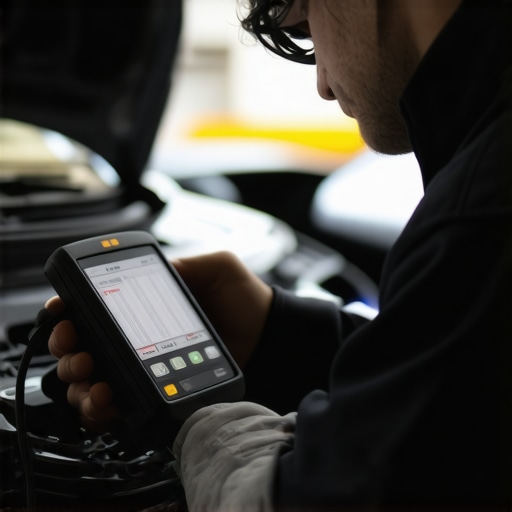
Using professional-grade diagnostic equipment is essential for accurate troubleshooting and long-term maintenance. It allows you to detect issues like transmission solenoid failures or sensor malfunctions early, saving you money and reducing downtime. When combined with reputable diagnostic software, such as OEM-specific applications, your capability to diagnose complex problems enhances significantly.
Utilizing Advanced Maintenance Techniques
Primitive approaches won’t suffice as vehicles incorporate sophisticated electronics and sensors. For example, employing a precision torque wrench set to the manufacturer’s specifications prevents over-tightening of critical components like wheel lug nuts or steering rack bolts. I personally use a digital torque wrench from CDI tools because its accuracy and memory functions streamline my workflow. This practice benefits both ASE-certified technicians and DIYers committed to doing the job right the first time.
How do I maintain these tools over time?
Regularly calibrate your torque wrench per the manufacturer’s recommendations, store it in a protective case, and avoid dropping it. Clean it after use and recharge or replace batteries periodically. Proper maintenance of your tools guarantees consistent results, minimizing the risk of component failure or safety hazards.
Integrating these tools and methods into your routine boosts confidence and efficiency. As vehicle technology progresses, embracing innovation becomes even more critical—think about incorporating OBD-II software on a tablet or smartphone, which offers real-time data analysis and remote diagnostics. Forecasting future trends, such as AI-driven diagnostics, suggests that staying current with technological advancements will be essential for long-term success in vehicle maintenance.
What’s the best way to stay ahead of maintenance needs?
Consistency is key. Schedule regular diagnostic scans, keep detailed logs of repairs and fluid changes, and adopt preventive maintenance habits. Regularly reviewing manufacturer updates and training materials ensures your methods remain aligned with industry standards. For in-depth knowledge, exploring [what ASE certification means](https://autofixclinic.com/what-does-an-ase-certification-mean-for-your-cars-maintenance) can reinforce your understanding of professional benchmarks. Why not try calibrating your torque wrench this week and see how precision tools can elevate your maintenance quality?Throughout my years working with ASE-certified technicians and honing my DIY skills, I’ve uncovered some invaluable truths that go beyond basic car care. One major lesson I learned the hard way is that not all service recommendations are created equal; some are essential, while others are optional luxuries. Regularly questioning and understanding the reasoning behind each suggested fix has saved me from unnecessary repairs and ensured my vehicles perform reliably. Additionally, investing in quality diagnostic tools and mastering precise maintenance techniques have empowered me to catch issues early—saving money and boosting safety. The biggest revelation? That continuous learning and critical thinking are your best allies when it comes to vehicle health. If you’re serious about maintaining your car effectively, embracing a mindset of curiosity and diligence can make a world of difference. Remember, genuine knowledge combined with the right tools has the power to turn routine maintenance into a proactive safeguard rather than a reactive expense.