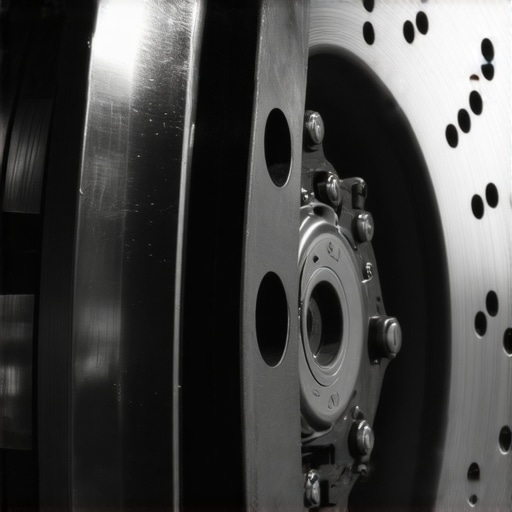
The Real Reason Your New Brake Pads are Still Squealing
I remember the moment perfectly. I had just replaced my brake pads, feeling pretty proud of myself for doing a DIY job. But then, as I pulled out of the driveway, that same irritating squeal returned—louder and more persistent than ever. It was disbelief mixed with frustration. How could new pads be making so much noise?
The Hidden Culprit Behind That Persistent Squeal
Many drivers think that squealing after a brake pad replacement is normal or just a minor annoyance. But in reality, it’s often a sign that something’s not quite right—no matter how new your pads are. The truth is, this persistent noise can point to issues like improper installation, contaminated components, or the use of low-quality materials.”
Did you know that brake squeal can occur even with brand-new pads due to vibrations caused by uneven friction surfaces? According to the Brake Manufacturers Council, “Correcting squeal often involves understanding the specific causes—something many forget in their rush to just ‘replace and forget.'” [Learn more about brake systems here](https://autofixclinic.com/what-does-an-ase-certification-mean-for-your-cars-maintenance).
From my experience, one early mistake many make is assuming that all brake pads are created equal. Choosing cheap, unbranded pads or neglecting proper bed-in procedures can lead to incessant squealing. Trust me, it’s a mistake I made myself—and it cost me more time and money in the long run.
So, what’s really going on when your new brake pads sing? It’s a combination of factors, including the temperature, the surface finish of the pads and rotors, and sometimes even the lubricant (or lack thereof). But don’t worry, I’ll walk you through the exact reasons and give you practical, straightforward solutions that I’ve tested myself.
Start with a thorough inspection
Before diving into fixes, examine your brake components closely. Remove wheels to access the brake pads and rotors. Check for uneven wear, glazing, or debris that might cause vibrations. I once found a layer of rust buildup on the rotor surface after a winter trip, which was a big contributor to squealing.
Clean and lubricate critical parts
Use brake cleaner to remove dust, grease, and contaminants from pads, rotors, and calipers. Apply high-temperature brake lubricant to contact points like pad shims and caliper slides. This diminishes metal-on-metal contact that stirs vibrations. Remember, over-lubricating can attract dirt, so apply sparingly. Once, I accidentally over-lubricated, which led to more squeal until I cleaned it off.
Ensure proper pad installation
Secure pads correctly within the caliper. Confirm that anti-squeal shims are installed properly. When I replaced my pads, I realized I hadn’t seated the shims correctly—leading to persistent noise. Use a feeler gauge or follow the manufacturer’s torque specs to prevent loose components that cause vibrations. An improper installation is like a loose bolt on a transmission; it will cause problems down the line.
Check the pad bed-in process
New pads require a controlled braking routine to seat properly on the rotor surface. Perform a series of light and moderate stops at different speeds, allowing the pads to mold to the rotor. This minimizes uneven friction, which can cause squealing. During my last brake job, skipping this step led to a week’s worth of squealing until I properly bedded the pads.
Assess rotor surface finish and replace if necessary
Use a micrometer to measure rotor thickness and examine surface smoothness. Deep grooves or glazing can amplify vibrations. If the rotor surface is uneven or glazed, consider machining or replacing it. I once opted for machining, but the surface was too thin; replacement was the safe choice, and it eliminated the squeal.
Implement shims or anti-vibration pads
If persistent squeal remains, add anti-squeal shims or gel pads between the brake pad and caliper. These components absorb vibrations. I installed a set of these shims after multiple squeals, and it made a noticeable difference.
Consider upgrading to high-quality brake pads
Cheaper pads tend to be noisier. Choose ceramic or semi-metallic pads designed to reduce noise. My experience with premium pads paid off—less squeal and better braking feel. Remember, high-quality pads might cost more upfront but save you time and frustration later.
Many car owners believe that an ASE certification guarantees flawless maintenance or that routine services like oil changes and transmission repairs are straightforward tasks. However, these assumptions often overlook nuanced details that can significantly impact vehicle longevity and performance. For instance, many assume that all ASE-certified technicians are equally skilled, but the truth is, the certification indicates a minimum level of competence, not mastery in every niche. This misconception can lead owners to trust subpar work, risking costly repairs later. Moreover, there’s a common myth that transmission fluid doesn’t need frequent checking or replacement, but neglecting this can cause severe overheating and gear slipping, as highlighted in expert analyses like those found in Autofix Clinic’s insights on transmission troubleshooting. An advanced mistake many make involves overlooking the importance of correct fluid type and service procedures during oil changes. Using incorrect oils or skipping proper flushing can accelerate engine wear, as studies from automotive research suggest. Additionally, some think that routine car services are simple DIY tasks, but without proper knowledge, you might miss critical issues like microcracks or debris that lead to bigger failures. When it comes to diagnosing issues, relying solely on symptom observation without knowledge of nuanced causes—such as subtle sensor malfunctions or minor fluid leaks—can delay necessary repairs.
Why does a seemingly minor transmission leak sometimes indicate a severe problem?
Often, a small transmission leak might seem insignificant, but according to transmission specialists, it can be a sign of internal component wear or impending failure if not addressed promptly. Overlooking such signs accelerates damage and increases repair costs. This is why understanding the subtleties of vehicle maintenance, like differentiating between surface-level issues and deeper systemic problems, is crucial for proactive care. Always remember, regular maintenance isn’t just about ticking boxes; it’s about understanding the complexities behind each service. Properly diagnosing and addressing these nuances can extend your vehicle’s lifespan and prevent expensive failures down the road. Want to avoid common pitfalls? Reach out for expert advice or schedule a comprehensive inspection here.
Investing in the Right Equipment
Ensuring your car remains in peak condition requires not only knowledge but also the right tools. A high-quality digital multimeter, for instance, is essential for accurate voltage and circuit testing. Personally, I rely on the Fluke 117, because its precision and durability have allowed me to diagnose electrical issues confidently. Similarly, a good OBD-II scanner like the BlueDriver provides real-time data, fault codes, and can even suggest possible fixes, saving time and money during troubleshooting. These tools have become indispensable in my toolkit, enabling me to catch problems early before they develop into costly repairs.
Software and Diagnostic Methods
Beyond physical tools, diagnostic software has revolutionized car maintenance. For example, OEM-specific programs like Ford IDS or Honda HDS give in-depth insights into vehicle systems, but for general use, apps like Torque Pro paired with your smartphone are effective. I prefer to use these apps to monitor live sensor data, track transmission behavior, or detect lingering check engine lights. As vehicle systems grow more complex, adopting reliable diagnostic software helps maintain a proactive approach, reducing the risk of unexpected breakdowns. I predict that in the future, AI-powered diagnostics will further streamline this process, offering predictive maintenance insights to prevent issues before they manifest.
Mastering Fluid Testing Techniques
Accurate testing of transmission and oil fluids is critical for vehicle longevity. Using a refractometer, I measure the fluid’s refractive index to assess contamination levels or degradation—this is far more precise than just visual inspection. Regularly testing your fluids helps anticipate maintenance needs and prevents damage from neglected quality. For example, monitoring transmission fluid condition can reveal early signs of overheating or wear, as shown in insightful analyses like those on ASE-certified standards. By incorporating these specific testing methods into your routine, you can extend the lifespan of key components and enhance driving safety.
How do I maintain transmission fluid integrity over time?
To keep your transmission running smoothly, regular testing and timely fluid exchanges are vital. Using a dedicated transmission fluid tester or conducting a smell and color test can reveal early signs of breakdown—such as burnt smell or strawberry-milkshake color—that indicate it’s time for a change. Consult expert guidance regularly and consider scheduled fluid replacements in line with manufacturer recommendations. For comprehensive strategies, check out this detailed article. Implementing these precise measures will help prevent costly transmission repairs and ensure your vehicle shifts smoothly for miles to come. Want to minimize future issues? Schedule an ASE-certified technician for a transmission health check today through our contact page.
What I Wish I Knew About ASE Certification and Car Maintenance
One of the most eye-opening lessons I learned was that ASE certification is a solid baseline, but it doesn’t guarantee flawless work in every specialty. Relying solely on certifications without keeping up-to-date with the latest tools and techniques can lead to overlooked issues, especially when dealing with complex systems like transmissions or engine control modules. Additionally, I found out that rushing through services like oil changes or brake repairs often results in subpar results—taking my time and investing in proper procedures made all the difference. Lastly, I realized that true expertise isn’t just technical knowledge but also understanding the subtle signs your vehicle shows when something’s off, which highly trained technicians learn through experience, not just certifications.