Why You Should Never Use Dish Soap to Wash Your Car
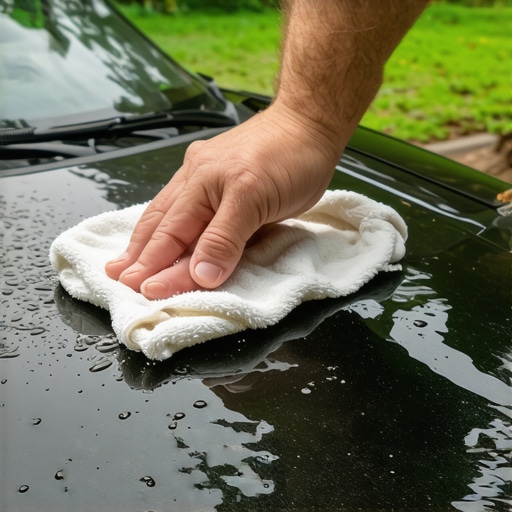
It was a sunny Saturday morning when I grabbed that trusty sponge, filled my bucket with what I thought was the perfect soap, and began to scrub. But within moments, I realized I had made a terrible mistake. The once-glossy finish of my car started to look dull, and there was a strange, streaky film everywhere. That lightbulb moment hit me hard—I had used dish soap.
Understanding Why Dish Soap Isn’t Safe for Your Car’s Finish
Many folks, myself included early on, assume that because dish soap cleans dishes so effectively, it must be perfect for cars too. But here’s the harsh truth—dish soaps are designed to cut grease and grime from your kitchenware, not to preserve automotive paint. The harsh chemicals can strip away the protective wax layer, leaving your car vulnerable to the elements. Over time, this can cause paint oxidation, fading, and even expose your vehicle to corrosion.
Is a Quick Wash Worth Potential Damage
I was guilty of doing a quick, budget-friendly wash, thinking it was harmless. But I learned the hard way that shortcuts can lead to expensive repairs. When I started noticing swirl marks and a dull look, I realized I had compromised my paint’s integrity. Proper car washes use detergents formulated specifically for automotive finishes, which balance cleaning power with paint preservation.
If you’re wondering whether this issue sounds familiar, you’re not alone. Many car owners underestimate the impact of using the wrong cleaning supplies. I recommend checking out expert advice from certified technicians to understand the importance of using the right products, like those available at automotive specialists. Did you ever use something similar out of convenience and regret it later? You’re not alone.
Let’s delve into what makes a proper car wash so important and how you can protect your investment for the long haul, starting with understanding the specific products that are safe for your vehicle.
Start with a Clean, Safe Environment
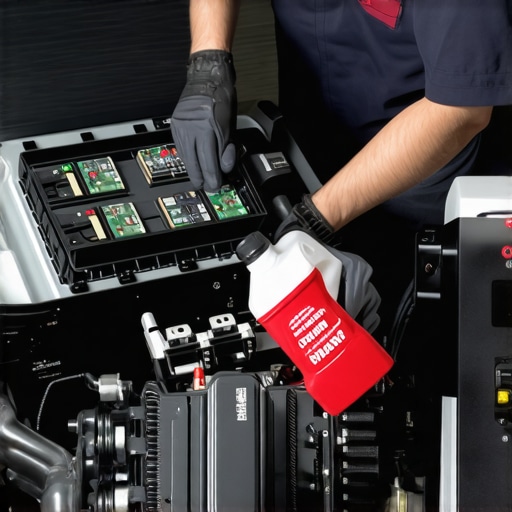
Before you begin any maintenance, ensure your vehicle is parked on a flat, stable surface with the parking brake engaged. Gather all necessary tools and supplies, including gloves, safety glasses, a clean rag, and the correct type of oil if you plan to do an oil change. This preparation minimizes accidents and makes the process smoother.
Check Your Engine Oil Regularly
Pull out the dipstick, wipe it clean, reinsert it fully, then remove again to check the oil level. The oil should cover the crosshatch zone; if it’s below, it’s time for a top-up or a full oil change. Use a clean rag to wipe off the dipstick after each check; this keeps your readings accurate. Regular oil checks prevent engine wear and keep your car running efficiently. For deeper insights, review this guide on oil maintenance.
Change Oil with Precision
Locate the drain plug under your vehicle and place a catch pan underneath. Using the appropriate wrench, loosen the plug carefully and allow the oil to drain completely. Replace the drain plug securely to prevent leaks. Remove the old oil filter using an oil filter wrench; ensure the new filter matches your vehicle’s specifications. Pour fresh oil through the filler cap, checking the level frequently to avoid overfilling, which can cause engine damage. An improper oil change can lead to engine failure, so consider visiting a certified mechanic if uncertain. Learn about top oil change tips for added safety and efficiency.
Inspect and Replace Transmission Fluid
Transmission fluid is vital for smooth gear shifts and overall transmission health. Check the fluid level by locating the transmission dipstick (usually labeled). Pull it out, wipe clean, reinsert fully, then remove to check the level. If the fluid appears dark or smells burnt, it’s time for a flush and refill. A seasoned approach involves draining and filling the transmission cooler lines or performing a full transmission flush depending on mileage and manufacturer recommendations. Improving your transmission maintenance can prevent costly repairs and extend your vehicle’s lifespan. Read this guide on transmission issues.
Monitor Tire Health and Pressure
Proper tire maintenance promotes safety and fuel efficiency. Use a reliable tire pressure gauge to check pressures, ideally when tires are cold. Adjust to the recommended PSI listed in your owner’s manual or on the door frame. Examine tires for uneven wear, cracks, or punctures. Rotating tires every 5,000 to 8,000 miles ensures even wear and prolongs tread life. Remember, under- or overinflated tires reduce grip and can cause blowouts—regular checks are simple yet crucial. For detailed tips, visit this resource on fleet maintenance.
Keep Brakes and Suspension in Check
Brakes should feel firm when pressed; if you experience sponginess or vibrations, schedule an inspection. Worn brake pads can be replaced easily by a professional, but ignoring issues risks rotor damage. Inspect suspension components for leaks or damaged shocks, especially if your ride feels bumpy. Regular inspections help catch problems early and prevent accidents. When in doubt, consult an ASE-certified technician to ensure your vehicle maintains optimal safety standards. Understanding what an ASE certification signifies can inform your service choices.
Schedule Regular Professional Check-ups
While many basic tasks can be done DIY, periodic professional inspections catch subtle issues before they escalate. An ASE-certified mechanic can run diagnostics, assess fluid conditions, and provide tailored maintenance plans. Regular service prevents unexpected breakdowns and extends your car’s lifespan. For trusted service providers, see this guide on selecting car services.
Many car owners believe that getting a basic oil change or visiting any nearby shop suffices for vehicle longevity. However, misconceptions about transmission systems and ASE certifications often lead to costly errors. Contrary to popular belief, not all certified technicians guarantee perfect repairs—**ASE certification** indicates a technician’s competence, but ongoing training and experience are crucial for complex issues like transmission repairs. Relying solely on certification can be misleading; always check the technician’s specialization and recent training. As for **transmission maintenance**, many think a fluid change is a simple drain and fill, but advanced systems require meticulous diagnostics and proper flushing techniques to avoid internal damage. Cutting corners here can cause transmission slippage or sudden failure, sometimes decades earlier than expected. Don’t forget, the common myth that all **oil changes** are equal; using the wrong viscosity or neglecting manufacturer guidelines can accelerate engine wear. Advanced vehicles with synthetic oils or turbochargers demand precise oil specifications—skipping these nuances risks expensive repairs later. Interestingly, a study published in the Journal of Automotive Engineering indicates that custom-tailored maintenance plans, focusing on vehicle history and real-time diagnostics, significantly outperform generic service routines.
**Have you ever fallen into this trap? Let me know in the comments.** Often, overlooked nuances—like understanding the limits of your mechanic’s training or recognizing the intricacies of transmission systems—are key to saving money and extending your car’s lifespan. Making informed decisions about who services your vehicle and how ensures you’re not just paying for quick fixes but investing in your car’s long-term health. Remember, the difference between average and expert car care can be as simple as asking the right questions or choosing the right service provider, such as adhering to guidelines from trusted sources like this resource on ASE certification. Staying educated about these unseen details keeps your vehicle running smoothly and prevents those costly surprises.
Invest in Precision Diagnostics Equipment
One of my go-to tools is an advanced scan tool like the Autel MaxiCOM. Unlike basic code readers, it offers deep diagnostics, live data streams, and specialized testing options for systems like transmission and ABS. These capabilities are crucial because they allow me to detect underlying issues before they escalate, especially in complex systems that aren’t always obvious at first glance. For example, when diagnosing transmission hiccups, real-time data from a quality scan tool can reveal subtle shifts in pressure or temperature that indicate impending failure, helping me plan timely repairs.
Master the Art of Fluid Analysis
Regularly sampling and analyzing transmission and engine oils with a laboratory-grade fluid test kit offers insights beyond simple visual checks. I personally use kits like Oil Analyzers Inc. because they identify wear metals and breakdown products, revealing hidden engine or transmission problems. These tests help me decide whether a simple fluid change suffices or if more extensive repairs are needed, saving countless dollars in the long run. Such meticulous maintenance aligns with recommendations in industry standards, as highlighted by this guide on transmission service.
Keep Up with Software Updates and Calibration
Modern vehicles heavily depend on software-controlled systems. I ensure that my diagnostic tools and even my vehicle’s ECU remain current by subscribing to updates from manufacturers like Bosch or Snap-on. Updated software ensures compatibility with the latest vehicle models, fixes bugs, and sometimes introduces new diagnostic features. Additionally, calibrating sensors—such as wheel alignment or adaptive cruise control—after repairs enhances safety and performance. Future trends suggest that over-the-air updates and cloud-based diagnostics will become standard, making maintenance more proactive than ever.
How do I maintain consistency and accuracy over time?
Regular training and calibration of tools are essential. I schedule quarterly sessions with certified technicians and attend workshops focused on the latest diagnostic techniques. This continuous learning allows me to interpret data more accurately and to troubleshoot complex issues confidently. Staying updated with industry certified standards, like those explained here, ensures my methods adhere to best practices. I recommend fellow enthusiasts to invest in reliable, calibrated equipment because precision in maintenance directly translates to long-term vehicle health. A practical tip is to perform a comprehensive transmission fluid analysis every 30,000 miles, especially if your vehicle is used for towing or heavy loads, as it can predict failures before symptoms become severe—this is supported by data from Automotive Service Association.
Looking ahead, the integration of artificial intelligence with diagnostic tools promises even smarter maintenance routines, predicting failures before they happen. To test this approach yourself, try a detailed transmission fluid analysis combined with live drive diagnostics—it’s a game-changer for keeping your vehicle in prime condition.
,
The Hardest Lesson I Learned About transmission,ASE certified,oil change,car service
One unexpected evening, my car refused to start after a routine oil change. It turned out that trusting unverified service centers and skipping proper diagnosis had set me back months. That experience taught me the importance of choosing ASE-certified technicians and understanding the complexities behind transmission and engine maintenance.
3 Myths About transmission,ASE certified,oil change,car service That Held Me Back
- All certifications are equal: Not every ASE certification guarantees top-quality work—continuous training and specialization matter.
- Oil changes are just draining and filling: Proper procedures involve more, including filter replacements and type-specific oils.
- Transmission service is simple: It requires meticulous diagnostics, sometimes beyond basic fluid changes, especially in modern vehicles.
What Experts Won’t Tell You About transmission,ASE certified,oil change,car service
Many mechanics won’t emphasize the importance of detailed diagnostics or quality tools. Investing in advanced scan tools and understanding the specifics of your vehicle’s systems can save you from costly repairs and extend your car’s lifespan. For trustworthy service, I recommend seeking out shops that prioritize transparency and ongoing technician training, as detailed here.
My Journey to Better Maintenance
Switching to a qualified mechanic and investing in proper diagnostic equipment transformed my approach. I now schedule regular transmission fluid analysis and keep updated with manufacturer recalls and updates. This proactive stance has not only saved me money but given me peace of mind on the road.
Keep Your Car in Top Shape – The Time Is Now
If you’re serious about preserving your vehicle and avoiding unexpected breakdowns, take that first step today. Whether it’s choosing the right car service provider or familiarizing yourself with advanced diagnostics, every action counts. Your car, like you, deserves to be cared for by those who truly understand its needs.
Have you ever regretted rushing your maintenance or trusted the wrong mechanic? Share your story below and let’s learn from each other’s experiences.