The Real Cause of That Thumping Noise in Your Rear Suspension
It was one of those mornings. I fired up my car, pulled out of the driveway, and immediately, that unmistakable thumping sound hit me like a punch in the gut. My heart sank. I knew I should have paid more attention during my last oil change or maybe caught that loose bolt in the suspension. Instead, I brushed it off, thinking it was just a minor bump in the road. But the noise persisted, growing louder and more insistent with each mile. That frustrating, almost rhythmic thumping became a constant reminder that something wasn’t right.
A Thumping Sound You Can’t Ignore
Reaching for the repair manual without much hope, I realized how common this problem actually is among car owners. That thump in your rear suspension is more than just an annoying sound—it’s a signal from your vehicle begging for attention. Over the years, I’ve learned that while many jump straight to replacing shocks or struts, the true root cause often lies elsewhere. Figuring that out saved me a lot of money and stress, and today, I want to share what I’ve discovered so you won’t have to go through the same guessing game.
Is Your Suspension Issue Actually Worth the Hype?
Initially, I was skeptical myself. Could a simple noise really indicate a serious problem? The truth is, overlooking such sounds can lead to costly repairs down the line, including damage to your suspension components or even worse—an unsafe driving experience. Early on, I also made the mistake of ignoring minor symptoms, thinking they would disappear on their own. That’s a mistake I see many car owners make, and I want to help you avoid it. A quick inspection can often reveal whether that thumping is just a nuisance or a symptom of a deeper issue that needs immediate attention. If you’re curious about the specific causes or want some expert insights, check out this detailed guide.
I’ll walk you through the common culprits behind that persistent thumping and give you practical tips on how to diagnose and address the problem before it escalates. Because honestly, nobody wants to be stranded on the side of the road with a noisy, unreliable car. So, let’s get into the real reasons your suspension might be protesting—plus, how you can fix them yourself or know when to hand it over to a trusted mechanic.
Start with Visual Inspections
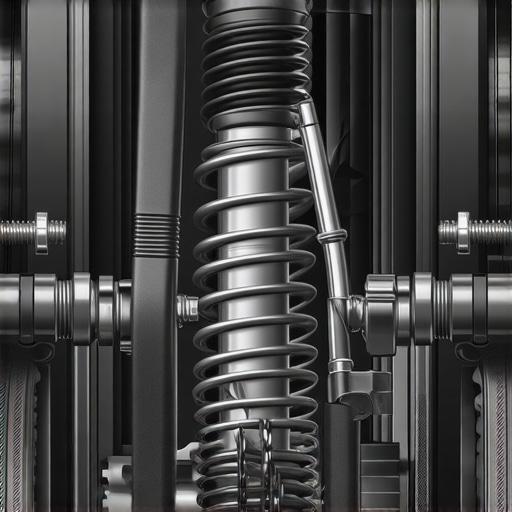
Park your car on a level surface, turn off the engine, and open the hood. Look for obvious issues like loose bolts, damaged or cracked suspension components, or leaking fluids. Pay close attention to the shock absorbers and springs—check if any are visibly damaged or displaced. Remember, a torn CV boot can also cause unusual noises, so examine the axle joints thoroughly.
Check Tire and Wheel Conditions
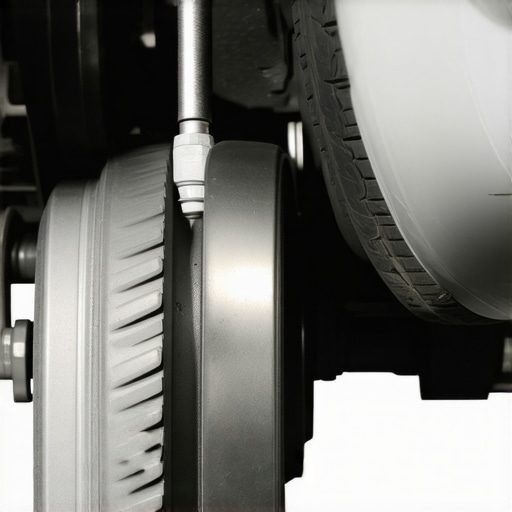
If the suspension looks fine, inspect your tires for uneven wear, uneven pressure, or damage. Uneven tire wear can cause vibrations and thumping sounds. Rotate the wheels if needed, and ensure lug nuts are properly tightened to avoid wobbling that might mimic suspension issues.
Conduct a Road Test for Diagnosis
Drive at a safe speed on a smooth, straight road. Pay attention to when the noise occurs—during acceleration, deceleration, or when hitting bumps. For instance, I once noticed a thumping while decelerating, which led me to suspect warped brake rotors. Reproduce the conditions that trigger the noise to narrow down the culprit.
Utilize Simple Mechanical Tests
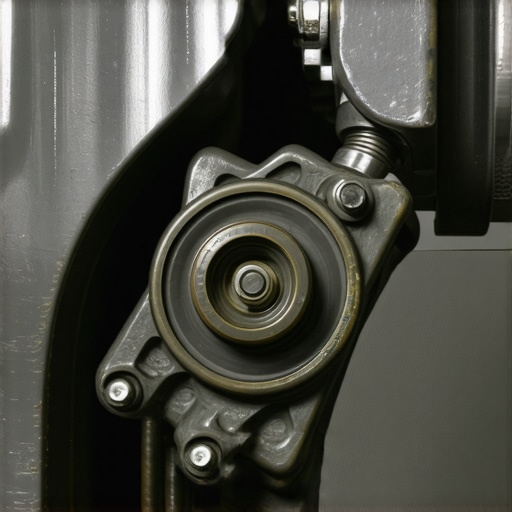
Safely lift your vehicle using a hydraulic jack and secure it with jack stands. With the wheels off, manually shake the suspension components. Excessive movement or play indicates worn bushings or ball joints. For example, I found my worn control arm bushings by gently wiggling the suspension arm, which revealed excessive looseness.
Inspect CV Axles and Driveshafts
Look for torn CV boots or grease leakage around axle joints. This often causes thumping noises, especially during turns. Applying a grease-based spray can temporarily reduce noise, but replacing damaged CV joints is the permanent fix. If you’re unsure, consult a mechanic skilled in transmission and drivetrain repairs or consider booking an inspection through our contact page.
Listen for Brake System Issues
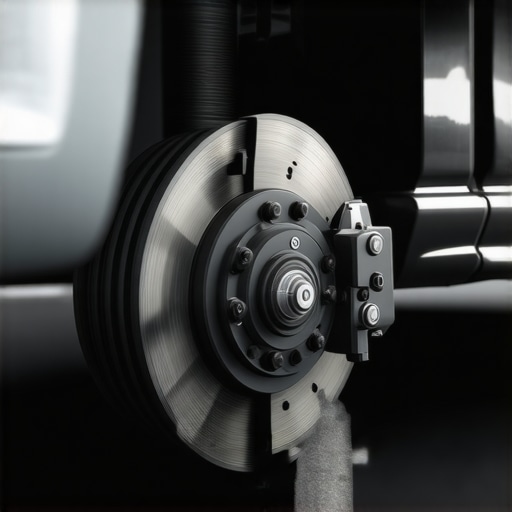
Brakes sticking or uneven rotors can produce thumping sounds. Test your brakes carefully in a safe area, feeling for pedal pulsation or grabbing sensations. Warped rotors or sticking calipers require prompt attention to prevent further damage. A professional inspection ensures you know when to replace parts or perform a routine brake service.
Final Steps and Precautions
If the above checks don’t reveal the issue, consider scheduling a professional diagnosis, especially if you’re unfamiliar with car repairs. Remember, ongoing noise can be a symptom of more severe problems like transmission issues or worn-out suspension components, and catching these early can save you money. Always prioritize safety; do not ignore signs that worsen over time. For advanced diagnostics, especially related to transmission or engine concerns, an ASE-certified technician can provide reliable insights—more about their qualifications can be found here.
Even seasoned car owners often hold misconceptions about what it truly means to keep a vehicle running smoothly. Many believe that simply choosing an ASE-certified mechanic guarantees top-tier service, but the reality is more nuanced. While ASE certification signifies a certain level of expertise, it doesn’t automatically translate to superior maintenance, especially when it comes to complex systems like transmissions or critical services like oil changes. Relying solely on these labels can lead to overlooked issues, such as subtle transmission fluid leaks or incorrect oil type selection, which pay dividends over time in vehicle longevity.
A common myth is that all transmission fluid is created equal. In fact, modern vehicles require specific types of transmission fluid, and using the wrong one can cause premature wear or shifting problems. For example, some drivers assume that topping off their transmission fluid is enough, but without professional diagnosis, minor leaks or internal problems can go unnoticed, resulting in costly repairs later. To avoid this trap, understanding the particular needs of your vehicle’s transmission system and opting for expert inspections—such as those available at trusted shops—can make all the difference.
Another often overlooked detail concerns oil changes. Many assume that every oil change offers similar protection. However, using the wrong oil viscosity or neglecting to replace the filter properly can lead to engine wear or even sludge buildup. Regularly consulting reputable sources like this guide can help you understand the importance of the correct oil type and routine maintenance. Moreover, the timing of oil changes isn’t just about mileage—it’s also about driving conditions, climate, and vehicle age.
What most people miss is how advanced some vehicle components are now. Modern transmissions, for example, often incorporate electronics for smoother shifting and diagnostics. This means that benefits like transmission diagnostics become more sophisticated, requiring attentive service rather than generic replacements. Misdiagnosing a transmission shudder or slipping can lead to unnecessary repairs, or worse, damage that could have been prevented with a nuanced understanding.
And here’s a crucial pitfall to avoid: many car owners underestimate the importance of precise diagnostics over routine maintenance. For instance, an ASE-certified shop might focus on replacing parts without fully diagnostic testing, which can lead to unnecessary costs. Knowing that many systems are interconnected, such as engine performance and transmission health, highlights why thorough assessment is essential.
As we delve deeper into vehicle maintenance, remember that expertise isn’t just about certifications or brands. It’s about understanding how to interpret symptoms accurately and applying targeted solutions. This layered approach ensures your car remains dependable and efficient for years to come.
Have you ever fallen into this trap? Let me know in the comments. For advice tailored to your vehicle’s specific needs, consider reaching out through our contact page.Maintaining your vehicle’s transmission and overall performance over the long term requires more than just basic knowledge; it demands the right tools and a disciplined approach. One of the most reliable investments I made was acquiring a high-quality digital inspection scanner like the Autel MaxiSys MS909. This device allows me to perform comprehensive diagnostics, reading OEM codes and sensor data, which is essential for identifying transmission issues before they escalate. By integrating this scanner into my routine, I can quickly pinpoint problems such as slipping transmissions or sensor malfunctions, saving both time and money.
Another tool I highly recommend is a set of quality pry bars and a digital torque wrench. When working on transmission fluid changes or replacing worn bushings, having precise torque measurements ensures that parts are installed correctly, reducing the risk of future failures. Personally, I use a digital torque wrench from Tekton because it provides accurate, repeatable readings and has a durable build suitable for frequent use in my garage.
Maintaining excellent transmission health also involves regular oil changes complemented by a fluid exchange using a dedicated transmission fluid flush machine, like the BG Quick Clean. This machine not only ensures complete fluid replacement but also removes accumulated debris that standard draining methods might miss. I’ve found that pairing this with a professional-grade transmission fluid tester helps me verify fluid quality over time, giving me peace of mind that my vehicle remains in optimal condition.
On the software front, I utilize vehicle-specific diagnostic programs, such as the OEM software provided by manufacturers or aftermarket tools like CarScope. These not only read codes but also provide live data and actuation tests, vital for troubleshooting complex transmission behaviors. As technology advances, I predict we’ll see more integration of AI-driven diagnostics that can predict failures based on driveline data, making maintenance even more proactive.
How do I maintain transmission health over time? Regular inspections are key, attached to a disciplined schedule of fluid analysis and software diagnostics. I also keep a detailed maintenance log; this practice helps track fluid changes, part replacements, and diagnostic results, significantly extending the lifespan of my vehicle’s transmission and reducing unexpected breakdowns. For those serious about this process, consulting an ASE-certified technician can help verify your procedures align with industry best practices—more details about ASE certification can be found here.
Now, I encourage you to try investing in a quality diagnostic scanner or a professional-grade transmission fluid exchange machine. These tools might seem like a steep investment initially, but they pay dividends by preventing costly repairs and ensuring your car remains reliable for years. Remember, proactive maintenance is the secret to keeping your vehicle’s transmission running smoothly. If you’re interested in more advanced techniques or need tailored advice, don’t hesitate to reach out through our contact page.
Throughout my journey of maintaining my vehicle, I’ve encountered lessons that no manual or online guide can fully capture. These insights have profoundly shaped how I approach car care, saving me both time and money. Here are some of the most impactful lessons that transformed my understanding of ASE certified, transmission, oil change, and car service practices.
Passenger Notes: Mistakes That Cost Me Dearly
I once believed that a quick oil top-up was sufficient, ignoring the intricate lifespan of filters and the importance of using manufacturer-approved oils. That small oversight led to sludge buildup, culminating in a costly engine overhaul. It taught me that diligence and adherence to manufacturer recommendations are non-negotiable, especially with essential services like oil changes. Recognizing early signs of transmission wear, such as delayed shifts or unusual noises, also prevented major failures. These experiences underscored that attention to detail is your best defense against surprise breakdowns.
Driving Smarter with Trusted Resources
Over time, I discovered the invaluable role of high-quality diagnostic tools like the Autel MaxiSys MS909, which unravels complex transmission codes before they become emergencies. Books such as this guide on routine maintenance have become my go-to for understanding the nuances of vehicle care. Engaging with ASE-certified technicians who prioritize diagnostics over guesswork has profoundly improved my maintenance outcomes. These trusted resources have empowered me to make informed decisions and maintain my car’s longevity.
Your Journey to Confidence and Care
Remember, every car enthusiast starts somewhere. Embracing proactive maintenance, investing in quality tools, and continuously learning about your vehicle can turn ownership from a source of stress into a rewarding experience. Your vehicle deserves personalized attention, and you’re capable of handling much more than you think. If you’re ready to elevate your car care game, consider reaching out through our contact page. Your journey toward confidence and reliability begins today.
What’s the one aspect of vehicle maintenance you wish you understood better? Share your thoughts below—I’d love to hear your experiences and questions!