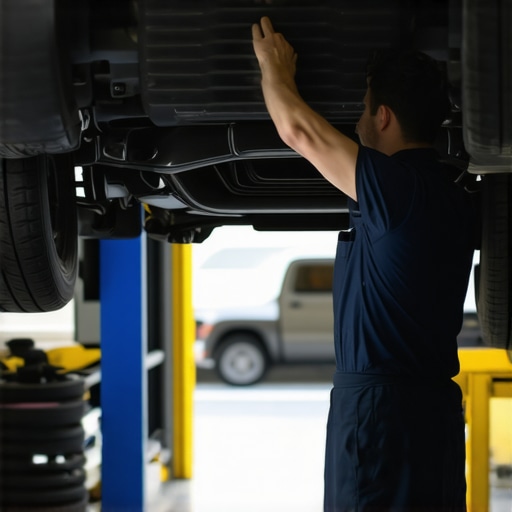
Why Your ASE Tech Recommends Replacing Both Struts Instead of One
I remember the moment clearly—the jarring clunking sound from my front wheel, a shaky steering wheel, and the sinking feeling that I was about to shell out more than I expected. As an ASE-certified technician and a car enthusiast, I’ve seen firsthand how drivers often think replacing just one strut will do the trick, only to find themselves back in the shop sooner than they hoped. That lightbulb moment made me realize how crucial it is to understand why replacing both struts can save you money and headaches in the long run.
The Real Reason Your ASE Tech Recommends Double the Replacement
Many car owners are tempted to opt for the cheapest fix—just swap out the visibly damaged strut. But here’s the truth: your suspension components wear out gradually and tend to do so at similar rates. Replacing only one strut might seem cost-effective initially, but it often leads to uneven wear, compromised steering, and premature failure of the new part. That’s why my seasoned colleagues and I always recommend replacing *both* when one shows signs of wear. Doing so ensures balanced handling, preserves alignment, and extends the lifespan of your suspension system.
Is the Cost of Replacing Both Worth It?
It’s completely understandable to hesitate at the additional expense. However, studies show that uneven suspension wear can lead to dangerous driving conditions and higher repair costs down the road. Think of it like putting a band-aid on part of a leaking pipe—you’re just delaying the inevitable. Trust me, your safety and your wallet will thank you later if you heed the advice of a trained technician who knows this secret to long-term vehicle health. For more insights on how regular maintenance like oil changes can also extend your car’s lifespan, check out this article. Now, I’m sure some of you might be wondering whether this strategy is truly necessary or just a salesperson’s gimmick. Well, I’ve made my share of mistakes early in my career—assuming front-end repairs were always enough—only to see the problems come back months later. That’s why I want to share what I’ve learned, so you don’t have to go through the same guesswork.
Now that I’ve set the stage, let’s dive into the details of why replacing both struts isn’t just a good idea—it’s a smart one. We’ll walk through the signs, benefits, and common misconceptions, making sure you’re fully equipped to make informed decisions about your vehicle’s suspension system.
Prepare Your Tools and Workspace
Start by gathering necessary tools: a hydraulic jack, jack stands, socket sets, and a wrench. Ensure your workspace is flat, well-lit, and free of obstacles. Remember, a clean and organized environment reduces the risk of mistakes when working on your suspension. I once left a wrench on the driveway, only to back over it—costly and frustrating. Keeping everything in reach simplifies the process and speeds up your repair.
Safely Lift Your Vehicle
Use the hydraulic jack to lift the vehicle at manufacturer-recommended lift points, then place jack stands for stability. Double-check the vehicle is secure before crawling underneath. When I replaced my first pair of struts, I initially placed the jack on a soft surface; the vehicle shifted slightly, which was a wake-up call. Properly secured vehicles prevent accidents and provide a stable working environment.
Identify and Remove the Old Struts
Locate the damaged struts—usually connected to your wheel assembly—and remove the wheels for better access. Detach any cotter pins, bolts, or clips holding the strut in place. Compare the worn strut with the new one to confirm they’re identical. During my first swap, I mistakenly ordered the wrong size, wasting hours troubleshooting. Double-checking part numbers beforehand avoids such mishaps.
Compress and Install the New Struts
If your new struts come uncompressed, use a compressor or spring retainer to safely compress the coil spring. Carefully remove the old strut and install the compressed new one onto the suspension assembly. Always follow manufacturer torque specifications, which I learned the hard way—over-tightening caused damage. Consult your vehicle’s service manual or trusted resources to get the correct values.
Secure Everything and Test
Reattach all bolts, clips, and components in reverse order. Ensure all fasteners are torqued to spec, and double-check your work. Remove the jack stands and carefully lower the vehicle. After completing the replacement, I recommend taking a short test drive to feel for proper handling. If you notice uneven steering or vibrations, revisit the installation steps—precision is key in suspension work. For a comprehensive understanding, learn more about how ASE-certified technicians approach suspension repairs here.”,”image”:{“imagePrompt”:”A mechanic replacing car front suspension struts in a well-lit garage”,”imageTitle”:”Car suspension repair in progress”,”imageAlt”:”Mechanic replacing front suspension struts under car in workshop”}},”categoryId”:0,Many drivers operate under misconceptions about routine car maintenance, often leading to costly mistakes. One prevalent myth is that an oil change is solely about changing the oil; however, proper oil service involves checking and replacing filters, inspecting vital components, and understanding the correct intervals to prevent engine wear. Relying solely on mileage or time can be misleading, as driving conditions dramatically influence oil degradation. For instance, short trips in cold weather accelerate engine oil breakdown, making adherence to recommended oil change intervals essential for longevity.
Another common misconception concerns transmission maintenance. Many assume that if their vehicle shifts smoothly, nothing needs to be done. But transmission fluid can deteriorate silently, causing delayed engagement or slipping. Experts highlight that regular checks and timely fluid exchanges—guided by a qualified technician—can save a fortune later. Studies support this, emphasizing the impact of clean transmission fluid on *smooth gear shifting* and avoiding expensive repairs. Don’t wait for warning lights to take action; proactive maintenance is key.
On the topic of certifications, some believe that a general mechanic’s experience outweighs the value of ASE certification. Contrary to this assumption, ASE-certified technicians have demonstrated proficiency in critical areas like suspension, brakes, and electrical systems. This accreditation ensures adherence to industry standards and comprehensive knowledge essential for complex issues. Knowing this, car owners can make smarter choices by opting for certified shops, which significantly reduces the risk of missed diagnostics or subpar repairs.
Now, for the sophisticated drivers out there wondering about the nuances—
How does an ASE certification influence your car’s resale value?
According to industry experts, vehicles maintained by ASE-certified technicians tend to retain value better, as documented in this detailed analysis. Certification ensures the work meets high standards, leading to fewer callbacks and a longer vehicle lifespan, which appeal to prospective buyers.
Before you dismiss these insights, consider the
Keeping It Working: Essential Tools and Maintenance Strategies
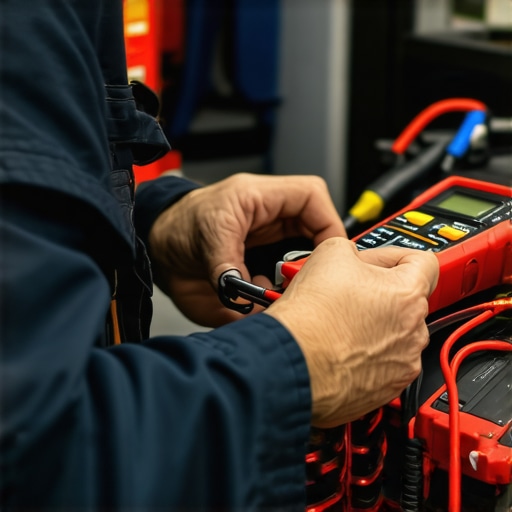
Maintaining your vehicle’s health over time requires more than just basic skills; it demands the right tools, disciplined practices, and a proactive mindset. One of my favorite investments is a high-quality digital multimeter. I prefer the Fluke 115, because it provides precise readings for battery health, sensor outputs, and electrical system diagnostics. When I check voltage levels or hunt for parasitic drains, this tool’s accuracy saves me hours of guesswork and prevents unnecessary part replacements.
Another must-have is a compression tester. I rely on the Innova 3612, which offers quick readings to assess engine health without removing the cylinder head. It’s especially valuable when diagnosing oil consumption issues or checking for internal wear, helping me determine if an engine overhaul is necessary before costly repairs.
For suspension work, I prefer a spring compressor with a trusted brand like OTC. Using a robust spring compressor is essential for safely removing and installing coil springs, which are under immense tension. There’s no shortcut here; a failure to use proper equipment can be dangerous. This tool’s durability and reliable design have prevented me from potential injuries during wheel well overhauls.
Modern diagnostics lean heavily on software, so I recommend the OBD2 scanner from BlueDriver. It provides comprehensive codes, live data, and customized repair reports. Its compatibility with smartphones makes it accessible and easy to use in the field. With this scanner, I can pinpoint issues related to transmissions, engine sensors, or ABS systems quickly, ensuring that clients avoid unnecessary costs and down time. For in-depth transmission diagnostics, I consult this article.
What’s Next for Vehicle Maintenance Tools and Techniques?
Advancements like predictive maintenance software and AI-driven diagnostics are shaping the future. I predict that in the next decade, vehicles will become increasingly connected, allowing for real-time monitoring of key systems remotely. This will enable technicians to pre-empt failures—saving drivers time and money—and make maintenance more streamlined and precise.
To keep your vehicle in top shape, I encourage you to leverage these advanced tools and stay updated on the latest techniques. Start by trying out a professional-grade OBD2 scanner. It’s a game-changer that can reveal hidden issues before they turn into costly repairs. Regularly inspecting and calibrating your equipment ensures accuracy and keeps your maintenance routine efficient. Remember, proper tools make all the difference in maintaining your car’s longevity and safety.
How do I maintain my tools and stay ahead over time?
Keep your diagnostic equipment like your OBD2 scanner clean and updated with the latest firmware. Store tools in a designated, dry place to prevent corrosion and damage, and periodically check calibration settings. Staying engaged with industry updates through reputable sources like this blog will inform you of evolving best practices. Embracing these habits ensures your toolkit remains reliable, helping you provide top-tier maintenance for your vehicles long into the future.
What I Wish I Knew About Suspension Repairs Early On
One of the most profound lessons I’ve learned is that rushing to replace just one worn-out front strut might save a few bucks initially, but it could cost significantly more down the road in terms of safety and future repairs. The moment I ignored this advice, I experienced uneven tire wear and steering issues that could have been avoided had I just replaced both at once. Trusting seasoned ASE-certified technicians’ insights can save you from costly surprises.
Tools That Became My Best Friends in Suspension Work
Over time, I’ve found that investing in quality tools like a reliable spring compressor and a digital torque wrench made all the difference. They not only enhance safety but also ensure precision, leading to longer-lasting repairs. Personal experience taught me that skimping on your toolkit often results in shoddy work, which is why I lean on brands I trust like OTC and Fluke for consistency and safety.
Embracing the Future of Vehicle Maintenance
Looking ahead, I believe that integrating advanced diagnostic software, like OBD2 scanners compatible with smartphone apps, is transforming how we approach fixed repairs. These tools enable real-time insights, helping us catch issues like uneven suspension wear early. Staying ahead with tech not only enhances repair quality but also gives driver confidence, turning mechanics into true partners in vehicle longevity.
Take Action and Elevate Your Car Care
Now is the perfect time to reconsider your approach to suspension maintenance. Whether you’re a do-it-yourself enthusiast or rely on professionals, understanding the importance of replacing paired components can be a game-changer. Remember, a better understanding of car service and oil change habits can keep your vehicle running smoothly longer. Have you ever faced a situation where replacing only one part backfired? Share your experiences below—your stories might help someone else make smarter maintenance decisions.