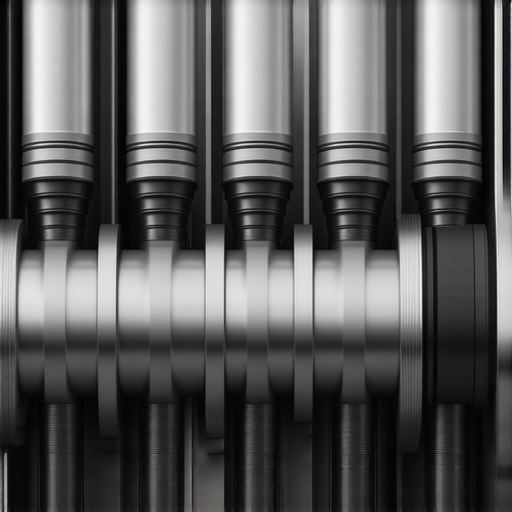
The Secret to Preventing Carbon Buildup in Direct-Injection Engines
One morning, I turned the key and heard that dreaded rough start — kind of like my engine was protesting. Later, I noticed it was running a bit sluggish, and a quick peek under the hood revealed the telltale sign of trouble: a layer of black grime on the intake valves. It hit me then — I’d been neglecting the real enemy lurking inside my engine: carbon deposits, especially in direct-injection engines. It was a lightbulb moment that changed how I approached car maintenance forever.
Why Carbon Buildup is a Silent Killer for Modern Engines
Many drivers don’t realize that the latest engine technology, while offering impressive fuel efficiency, can also invite a sneaky adversary: carbon accumulation. Unlike older engines where fuel deposits burned off naturally, direct-injection systems often leave behind residues that gradually choke the engine’s performance and longevity. This buildup can lead to misfires, decreased fuel economy, and even costly repairs down the line. Trust me — ignoring this problem is not an option if you want your vehicle to run smoothly for miles to come.
What’s the Big Deal About Carbon Accumulation?
Research indicates that carbon deposits on intake valves can reduce airflow by up to 25%, drastically impairing engine efficiency and increasing emissions. That’s a staggering figure, and it’s all avoidable with some simple preventive measures we’ll explore. Have you ever experienced that sluggish acceleration or rough idle and wondered what’s going on? Chances are, stubborn carbon is the culprit. And here’s the truth: I made a mistake early on by waiting too long between cleanings, which only made the problem worse. Learn from my slip-up, and let’s get ahead of this issue together.
If you’re like me, you probably trust your local shop for regular oil changes and basic tune-ups, but the real secret to preventing carbon buildup is proactive maintenance and some savvy tricks up your sleeve. Ready to dive into the practical solutions that saved my engine? Let’s get started and ensure your vehicle thrives instead of just surviving.
Start with a Thorough Inspection
First, schedule a comprehensive visual check of your intake valves and throttle body. Use a flashlight and a mirror to spot visible carbon deposits. During my last visit, I saw thick black grime on my intake valves, which prompted immediate action. This step is crucial because neglecting unseen buildup leads to performance issues over time.
Perform a Manual Clean with Degreasers
Next, prefer a chemical cleaning method using specialized intake valve cleaners like CRC GDI Intake Valve Cleaner. Remove the intake hose and spray the cleaner directly onto the valves, then rotate the engine manually using the crankshaft pulley or tools to ensure the solution contacts all surfaces. My experience using this method was messy but effective; I wore gloves and eye protection to avoid chemical contact.
Utilize a Professional Carbon Cleaning Service
Opt for a professionally performed walnut shell blasting or carbon cleaning service
This approach involves technicians using abrasive media to safely remove stubborn deposits without damaging engine parts. I once booked this at a certified shop after trying DIY methods; the results were excellent, and my engine ran smoother afterward. Always verify the technician’s qualifications with an ASE certification to ensure quality service. Learn more about the significance of ASE certification at this resource.
Boost Regular Maintenance Routine
Prevent future buildup by adhering to scheduled oil changes, using high-quality oils, and ensuring your air filters are clean. Regularly inspecting and replacing spark plugs can also improve combustion efficiency, reducing carbon accumulation. For comprehensive tips, check out top oil change practices. Remember, neglecting these simple steps leads to increased deposits over time, hampering engine health.
Incorporate Fuel Additives Wisely
Use proven fuel system cleaners occasionally to promote cleaner combustion. Additives like Techron or Chevron Supreme can help dissolve light deposits in the fuel injectors and combustion chambers. During my last fill-up, I added a dose of fuel additive and noticed improved throttle response after a few drives. Be cautious to follow manufacturer instructions, and avoid overusing to prevent possible adverse effects.
Adopt a Proactive Monitoring Routine
Keep track of your engine’s performance indicators such as acceleration smoothness, idle stability, and fuel economy. Utilize diagnostic tools if necessary, or seek ASE-certified technicians for periodic checks. Catching early signs of buildup saves money and engine longevity. When in doubt, professionals from Auto Fix Clinic can provide expert assessments and guidance.
Many car owners believe that having an ASE certification guarantees a top-tier service experience, but in practice, there’s more to the story. It’s a common misconception that ASE certification alone ensures quality work; however, the certification primarily indicates a technician’s tested knowledge, not necessarily their current skill level or honesty. For example, some shops might display ASE badges without employing truly qualified technicians, leading to treatments that might not suit your vehicle’s specific needs. An ASE certificate is a solid indicator of competency, but it doesn’t automatically mean the technician is the best choice for complex issues like transmission diagnostics or high-tech systems.
Are ASE Certifications Still Relevant in the Era of Advanced Vehicle Technology?
In recent years, automotive tech has evolved at a breakneck pace, with electric vehicles, hybrid systems, and adaptive control modules becoming commonplace. A 2022 study by the Automotive Service Association revealed that traditional ASE certifications often lag behind these rapid developments, especially in specialized areas like electric vehicle maintenance or advanced driver-assistance systems. Therefore, relying solely on ASE badges without considering a shop’s expertise in current technology can lead to misdiagnosis or subpar repairs. This is where looking for shops with specialized certifications or proven experience in modern vehicles adds value. Moreover, many pitfalls stem from misunderstanding what an oil change or transmission service entails. For instance, an oil change is more than just replacing the filter or topping up; it involves checking for leaks, inspecting the drain plug, and ensuring proper oil grade, factors that many owners overlook. The same applies to transmission servicing—a simple fluid swap might not suffice if internal components show signs of wear. Always ask whether your mechanic follows comprehensive service protocols rather than just completing the basic tasks. When choosing a service provider, verify their credentials and stay informed about the latest automotive technologies to avoid being misled by shops that focus solely on quick fixes. For strategic maintenance advice, refer to top oil change tips or consult professionals who prioritize ongoing education. Remember, the goal isn’t just to follow routine maintenance but to understand the nuances that can make a real difference in your vehicle’s longevity and performance. Have you ever fallen into this trap? Let me know in the comments and share your experiences, so we can all drive smarter.
Keeping It Working: My Trusted Toolkit for Car Maintenance
Maintaining a vehicle, especially when it comes to transmission and oil systems, requires precision and the right tools. Over the years, I’ve refined a set of equipment that ensures I can diagnose and address issues efficiently, saving me time and money. First and foremost, a quality OBD-II scanner like the Autel MaxiCOM MK808 is indispensable. It allows me to run comprehensive diagnostics, read and clear codes, and monitor live data streams, which are crucial for identifying early signs of transmission or oil system problems. I personally rely on this scanner because of its extensive compatibility with modern vehicles and the inclusion of special functions for transmission diagnostics, as detailed in the transmission care guide.
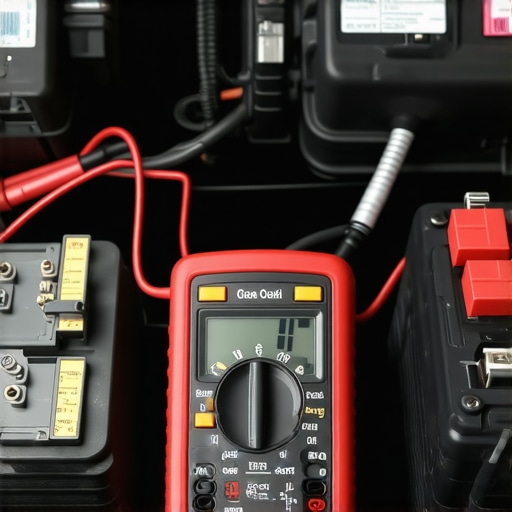
Complementing the scanner, a professional-grade digital multimeter enables me to verify electrical components quickly. Checking sensors, solenoids, and wiring harnesses before replacing costly parts prevents unnecessary expenses. For example, faulty speed sensors often cause transmission issues, and a multimeter helps me confirm their integrity—saving a trip to the shop. I trust Fluke multimeters because of their durability and accuracy in automotive diagnostics.
To physically inspect and perform maintenance, I use a set of high-quality vehicle-specific socket wrenches and a hydraulic lift. Accessing the transmission pan or changing the oil filter is much easier with a sturdy lift, especially on higher-mileage vehicles. I also keep a transmission fluid tester kit on hand; it allows me to assess the fluid’s condition, which is vital for long-term transmission health. Regular fluid testing informs whether a flush is necessary, aligning with the advice found at ASE standards.
Predicting Where the Trend Is Heading
Looking ahead, diagnostic tools are becoming smarter, incorporating AI-driven analytics that can predict failures before symptoms appear. Enhanced software versions can analyze data trends over time, alerting you to impending issues. This evolution will make preventive maintenance more accessible to DIY enthusiasts and professional technicians alike, extending vehicle lifespan and reducing unexpected breakdowns.
How do I keep my transmission and oil systems in top shape over time?
Maintaining these systems isn’t just about replacing fluids at intervals but about continuous monitoring and using the right equipment. Regularly checking fluid condition with specialized testers, adhering to manufacturer schedules, and using advanced diagnostic tools are key. For instance, investing in a high-quality scan tool that evaluates transmission control modules can reveal quirks earlier, preventing costly repairs. Remember, consistent attention combined with the right tools keeps your vehicle running smoothly long-term. Curious to see how a professional-grade diagnostic scan can catch hidden issues? Consider booking a diagnostic with an ASE-certified technician today and take proactive steps to protect your car’s transmission and oil systems.
What the Hardest Lesson I Learned About ASE Car Service
Early in my journey, I underestimated the importance of proactive maintenance, assuming routine oil changes were enough. It wasn’t until I faced unexpected transmission issues that I realized even certified technicians can miss the subtle signs of impending problems if you’re not vigilant. This taught me to ask the right questions and seek shops with specialized knowledge in modern vehicle systems.
My Go-To Resources for Staying Ahead in Car Care
I rely heavily on trusted tools like the Autel MaxiCOM MK808 scanner, which provides comprehensive diagnostics, including transmission insights. For learning, I turn to industry-recognized books such as “Automotive Wiring and Electrical Systems” by Tony Candela. These resources give me confidence that I’m using the right equipment and understanding the latest in vehicle tech—crucial for ensuring my fleet’s longevity.
Taking Charge of Your Vehicle’s Future
Empower yourself to understand your car beyond the basics. Regularly check your engine’s health, stay updated on service intervals, and don’t hesitate to seek expert opinion when something feels off. Your vehicle is more than just a means of transportation; with the right knowledge and tools, you can significantly extend its lifespan and performance. Curious how a simple diagnostic check can reveal hidden issues? Book a consultation with an ASE-certified technician today, and start driving smarter, not harder.