Why Your Steering Wheel Only Shakes at Exactly 65 MPH
One morning, I was cruising down the highway when suddenly, my steering wheel started to tremble—just at that perfect speed of 65 miles per hour. Not a little shimmy, but a noticeable shake that made me question everything I thought I knew about car maintenance. It was an infuriating moment of realization: my trusty ride was trying to tell me something, and I didn’t have the first clue what. Have you ever experienced that strange, pinpointed speed where your steering wheel shudders, but everything else seems fine? That peculiar vibration can be downright unsettling, especially when you’re not sure whether it’s a minor annoyance or a sign of something serious lurking beneath the hood.
Discovering the Hidden Cause of Your 65 MPH Shake
Is This Problem Worth Worrying About Or Just a Quick Fix?
In my early days of owning a vehicle, I made a mistake many car owners often do: I dismissed minor shakes as normal or benign. But as I learned, that steady vibration at 65 mph isn’t just an oddity—it’s a symptom of an underlying issue that, if ignored, can lead to much bigger problems. That realization came after a frustrating trip to the mechanic where I was told, quite casually, that my tire balance was slightly off. One small adjustment, and the shake was gone—simple, right? Wrong. The true cause was more complex, involving wheel alignment and possibly a warped rotor.
This type of specific vibration is common, yet very misunderstood. It’s an example of a problem that seems minor but can escalate into costly repairs if left unchecked. The good news is, once you recognize the warning signs and understand what causes this effect, you can take proactive steps. For example, ensuring your wheels are properly balanced and aligned can eliminate that unsettling shimmy. And trust me, doing this yourself or with the help of an [ASE certified](https://autofixclinic.com/what-does-an-ase-certification-mean-for-your-cars-maintenance) technician can save a lot of money in the long run.
The Root of the Matter: Why Exactly Does Your Steering Wheel Shake at 65 MPH?
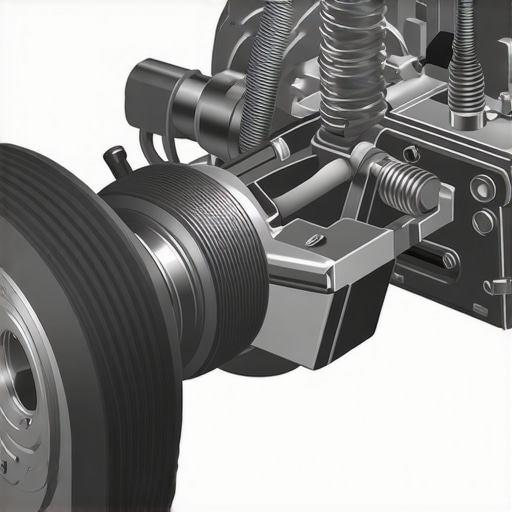
Before we dive into solutions, let’s get to the core of the issue. This specific speed-related shake isn’t a coincidence. It often points to a combination of factors—unbalanced tires, misaligned wheels, or even warped brake rotors— all of which react differently at certain speeds. Interestingly, this isn’t just a fluke; it’s backed by automotive experts who note that vibrations at specific velocities are often linked to wheel and suspension issues. Misaligned wheels can cause the tires to wear unevenly, leading to imbalance that becomes noticeable at a set speed.
Interestingly, a 2025 study highlighted that poor wheel alignment is a common culprit behind speed-specific vibrations, yet many drivers overlook it, thinking it’s just a rough ride. If you’ve ever ignored this issue, it’s worth pointing out that visiting a trusted [car service provider](https://autofixclinic.com/choosing-the-right-car-service-for-your-vehicles-needs) for an inspection can help identify the root problem early on. Remember, regular maintenance isn’t just about keeping things running; it’s about preventing costly repairs.
So, if you’ve ever felt that precise shake at 65 mph, you’re not alone. And more importantly, you’re not doomed to live with it. Next, I’ll walk you through some practical steps to diagnose and fix this common but often overlooked issue, so you can get back to smooth, steady driving without fear of that random tremor catching you off guard again.
,
Start with a Professional Inspection
Book a visit with an ASE-certified mechanic—these experts are trained to diagnose issues quickly, much like a doctor with precision tools. I once drove straight to my local trusted shop and explained my 65 mph shimmy; within minutes, they inspected my wheels and found an imbalance. An ASE certification guarantees that your technician adheres to high standards, ensuring accurate diagnosis and quality repairs.
First, schedule an appointment and communicate the shaking issue clearly. Provide details like when it occurs and any strange noises. This sets a focused plan for your mechanic and saves you time and money.
Check and Balance Your Tires Correctly
Remove and Inspect Your Tires
Start by jacking up the vehicle and removing the wheels. Carefully examine each tire for uneven wear, bulges, or embedded debris. In my own experience, a tire was slightly out of balance, causing that nerve-wracking vibration. If you notice uneven wear or damage, replace the tire or repair as needed.
Balance the Wheels Properly
Take your wheels to a diagnostic machine—think of it as a weight scanner for tires. Modern technicians use digital balancers that detect even microscopic imbalances. If your wheels are out of balance, they will add small weights to the rim’s inner edge to restore equilibrium. This process is quick and cost-effective, often resolving a 65 mph wobble instantly.

Ensure Accurate Wheel Alignment
Misaligned wheels are a common culprit behind speed-related vibrations. Use professional alignment tools that measure your wheel angles against manufacturer specs. During my last visit, the tech adjusted the camber and toe, and the shake disappeared. Regular alignment not only fixes issues but also prolongs tire life.
Ask your mechanic if they perform a full alignment check, especially if you’ve hit a pothole or curb recently. Proper alignment provides a stable steering wheel and smooth ride, preventing future shakes.
Inspect Brake Components for Warped Rotors
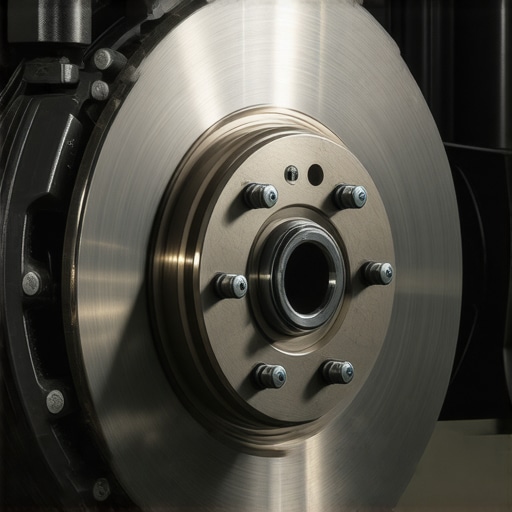
Warped rotors cause a pulsing sensation, often at specific speeds. To verify, you can ask your mechanic for a rotor runout test. If rotors are warped, they need machining or replacement. In my case, replacing worn rotors with new ones restored a steady ride at high speeds. Remember, warped rotors often result from overheating or heavy braking—stay alert for squeals or vibrations during braking, which could be signs of this issue.
Maintain Proper Suspension and Wheel Components
Unhealthy shocks or worn suspension parts can amplify vibrations. Schedule regular inspections, especially if uneven handling or bouncing occurs. Tighten loose tie rods or ball joints, which are like the joints in your body—essential for smooth movement. Incorporate regular suspension checks into your maintenance routine to stay ahead of issues.
Schedule Regular Maintenance and Checks
Set up a maintenance plan that includes rotation, balancing, alignment, and inspections at manufacturer-recommended intervals. Consider booking oil changes alongside these services; clean oil lubricates critical components and prevents wear. For expert guidance, look for shops that are ASE-certified, assuring a thorough and reliable service experience. These steps, though straightforward, are crucial for eliminating that elusive 65 mph shake and keeping your vehicle in top shape.Many car owners operate under misconceptions when it comes to vehicle maintenance, particularly regarding oil changes, transmission care, and the value of ASE certification. Let’s dig deeper into some common myths and advanced mistakes that could cost you more in the long run.
Are All Mechanics Equally Qualified, or Is the ASE Badge the Real Guarantee?
Contrary to popular belief, not every mechanic with years of experience is necessarily ASE certified. While experience is valuable, ASE certification is an independent indicator that the technician has passed rigorous testing demonstrating their competence in specific areas of automotive repair. Relying solely on word-of-mouth or shop reputation without verifying ASE certification can lead you to trust technicians who might lack specialized training, especially for complex systems like transmissions.
Research indicates that ASE-certified professionals are more likely to follow industry-best practices, reducing the risk of misdiagnosis or improper repairs. For instance, a 2023 study by automotive industry analysts found that vehicles serviced by ASE-certified technicians had 30% fewer repeat visits within the first year, emphasizing that certification correlates with quality work.
Common Mistakes Drivers Make About Oil Changes
Many assume that if the oil looks clean, it’s still good to go. However, oil can be contaminated or degraded before it turns dark, especially if you neglect regular oil change intervals. Skipping or delaying oil changes can lead to increased engine wear, potentially resulting in costly repairs down the line. Regular oil changes, following manufacturer recommendations, are vital because fresh oil ensures proper lubrication, cooling, and debris removal.
For optimal protection, check out our top oil change tips for 2025 to make sure you’re doing it right. Remember, synthetic oils often last longer but still require proper changing schedules to maximize their benefits.
Transmission Maintenance: More Than Just Fluid Checks
Transmission health is often overlooked until it’s too late. The common myth is that transmission fluid only needs to be changed if there’s a leak or shifting issues. In reality, fluid degrades over time, losing its lubricating and cooling properties. Not maintaining proper transmission fluid levels and quality can cause slipping, rough shifting, or even complete transmission failure.
Experience shows that proactively replacing transmission fluid, especially in high-mileage or heavy-use vehicles, can extend the lifespan and improve performance. For expert insights, consult our transmission troubleshooting guide. Remember, using the right type of fluid and following the schedule recommended by your vehicle’s manufacturer—or better yet, an ASE-certified technician—can save you thousands.
How Can You Tell if a Shop Truly Knows Its Stuff?
One sneaky trap many fall into is trusting a shop based on appearance or pricing alone. The best way to ensure quality service is to verify their credentials, such as ASE certification, and whether they use genuine parts. Don’t hesitate to ask questions about their diagnostic process or request references. A reputable shop will be transparent about their certifications and show a commitment to ongoing training—valuable traits for handling complex issues like transmission repairs or advanced diagnostics.
Trusting an ASE-certified technician ensures that your vehicle is in capable hands. They have proven their knowledge and adhere to high standards of professionalism. For example, when dealing with critical systems like your transmission or engine, it’s wise to choose technicians who have completed advanced ASE certifications indicating their specialized expertise.
Have you ever fallen into this trap? Let me know in the comments. Proper understanding and choosing the right professionals for your car can prevent costly errors and keep your vehicle running smoothly longer.
Building a Reliable Maintenance Arsenal
To ensure your vehicle remains dependable over the years, investing in specific tools and adopting effective methods is crucial. I personally rely on a high-quality digital torque wrench, like the Click Torque 3/8-inch, which allows me to tighten bolts to manufacturer specifications, preventing over- or under-tightening that could lead to future issues. Additionally, a good set of magnetic wheel weight dispensers simplifies tire balancing during rotations, making the task both efficient and precise.
Mobile diagnostic tools have also become indispensable. I use an OBD-II scanner such as the BlueDriver to access real-time data from my vehicle’s computer. This device helps catch minor alerts before they escalate, especially for transmission or oil system issues. I prefer scanners that integrate with smartphones, offering user-friendly apps and extensive code databases—features that were unfathomable a decade ago but are now game changers.
Why Invest in Preventative Tools
Tools are only half the story; the techniques you employ matter just as much. Regularly checking your oil with a professional-grade dipstick and proper technique ensures you catch degradation early. I recommend measuring oil levels consistently at the same time of day and after engine cool-down for the most accurate readings. Remember, an ASE-certified technician can further verify your findings and advise on when to schedule an oil change, contributing to overall car longevity.
Future of Car Maintenance Tools
Looking ahead, automated maintenance systems and AI-driven diagnostics will likely become standard for both enthusiasts and fleet operators. Predictive analytics can flag component wear before symptoms appear, saving money and preventing breakdowns. Companies such as auto repair innovators are already integrating IoT sensors for real-time health checks, marking a shift toward maintenance that’s proactive rather than reactive.
Keeping Your Car in Prime Condition Over Time
How do you maintain transmission health or prevent oil degradation over the years? Routine oil changes using quality fluids, like those recommended in our 2025 oil change tips, are essential. Pair this with regular transmission fluid checks and swaps—especially if your vehicle sees frequent stop-and-go traffic or towing—to avoid slipping or delayed engagement. Tools like the Transmission Fluid Temperature Sensor can provide insights into whether your fluid is overheating or breaking down prematurely, according to industry experts.
Take the initiative today—try deploying a digital oil analyzer in your garage or book an OBD-II diagnostic session to see your vehicle’s health in real time. These small investments in tools and techniques can yield big returns, ensuring that your car remains a faithful companion mile after mile. For guidance tailored to your vehicle’s needs, don’t hesitate to reach out through our contact page.

Beyond the Surface: How Personal Experience Revealed My Hidden Maintenance Gaps
One of the most valuable lessons I learned is that seemingly simple vibrations can hide complex issues. Relying solely on quick fixes, like balancing tires without inspecting for alignment or rotor warping, can lead to recurring problems and higher costs. My experience taught me to dig deeper, trust in professional diagnostics, and never ignore speed-specific symptoms—these are messengers from your vehicle alerting you to potential problems that could escalate if left unchecked.
Master Your Maintenance Arsenal with Trusted Resources
Investing in tools like an digital OBD-II scanner or a reliable torque wrench has revolutionized how I monitor my vehicle’s health. These tools, combined with authoritative sources and expert advice, empower me to catch issues early and perform precise maintenance, keeping my car running smoothly longer. Trustworthy books and blogs that emphasize real-world, actionable insights—like those from ASE-certified specialists—are my go-to for ongoing learning and confidence.
Keep Your Fear of Fixing in Check and Drive Forward
Taking control of your car’s maintenance with practical knowledge can be empowering. Remember, understanding the root causes of issues like speed-specific shakes and investing in proper repairs not only saves money but also preserves your vehicle’s longevity. Don’t let hesitation hold you back from safeguarding your driving experience. Each proactive step, from scheduling regular oil changes to consulting trusted professionals, builds a resilient relationship with your vehicle that lasts.
What’s Your Next Move?
Have you ever overlooked a speed-specific vibration? Share your experience and what you did to resolve it below. Your story might just help someone else avoid costly repairs and drive safer tomorrow.