How to Verify Your ASE Certified Tech is Using the Right Parts
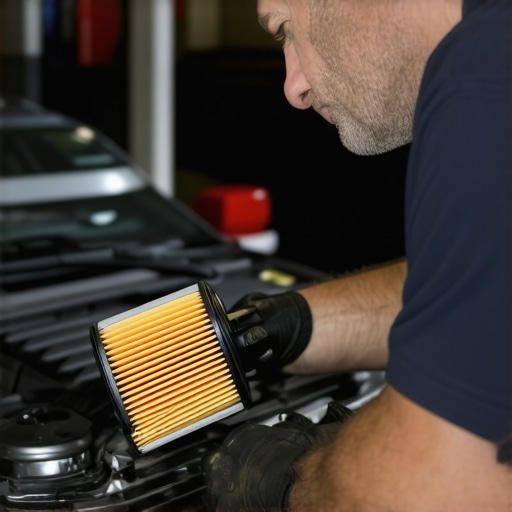
It was a moment I won’t forget. I watched my trusted mechanic work under the hood, confident he’d get my oil change done right. But then I noticed something strange—a different oil filter, one I didn’t recognize. That lightbulb moment hit me hard: Was I really getting the quality service I paid for? If you’ve ever faced a similar doubt, you’re not alone. Many car owners rely on ASE-certified technicians, assuming their expertise guarantees the right parts and meticulous work. But, here’s the reality: even ASE certification isn’t a foolproof shield against mistakes or shortcuts. That’s why today, I want to share how you can actively verify that your mechanic is using the correct, high-quality parts—because your vehicle’s health and safety depend on it.
Why Verifying Parts Matters More Than You Think
When I first started paying closer attention to the parts used during my maintenance, I realized how critical this step is. Using the wrong parts—whether it’s an oil filter not rated for your engine, a transmission fluid that doesn’t meet your car’s specs, or inferior brake pads—can lead to costly repairs down the line. As a wise saying goes, “The bitterest tears shed over graves are for words left unsaid and deeds left undone.” Similarly, neglecting to verify parts can be an unspoken risk. I learned this the hard way early on, when a transmission issue started cropping up just months after a supposed oil change. It turned out that the parts used were not up to OEM standards, leading to premature wear. This experience drove home the importance of knowing exactly what parts are being fitted.
External research underscores this point: the National Institute for Automotive Service Excellence (ASE) emphasizes that even certified technicians can sometimes cut corners without realizing it—making proactive owner verification essential. Now, I make it a point to verify the parts myself or ensure my mechanic provides clear documentation. It’s a simple step that can save me from future headaches and expense.
But how do you go about checking if your mechanic really used the right parts? That’s what we’re diving into next. Whether you’re a seasoned car owner or just want peace of mind, these practical tips will empower you to stay in the driver’s seat when it comes to your vehicle’s maintenance quality.
Ready to learn the insider tricks? Let’s start with a crucial step that often gets overlooked.
Get Hands-On with Your Maintenance
One of the most effective ways to ensure your mechanic uses the correct parts is to educate yourself on what to look for. During your next service, don’t just sit back—prepare to roll up your sleeves, even if you’re not a mechanic. For example, I once arrived at my trusted shop for a routine oil change. Before the mechanic started, I calmly asked if I could witness the process or at least see the parts being used. This simple request put me in control and made the mechanic more transparent about his work.
Identify the Essential Parts to Verify
Learn the Part Numbers and Ratings
First, familiarize yourself with your vehicle’s OEM specifications. For instance, the oil filter must meet certain standards to handle the high pressure in modern engines. To verify, you can check the part number on the box against your manufacturer’s specs, which you can find in your vehicle’s manual or official websites. During my last oil change, I pulled out my phone and checked the recommended filter model. Seeing the mechanic hand me the same part number verified that he was using a compatible, high-quality filter.
Understand what makes a part legitimate
Not all filters or fluids are created equal. Genuine parts often have distinct markings or certifications. For example, OEM filters will carry the manufacturer’s logo and certification stamps. I learned to look for these symbols and avoid generic, unbranded parts that may be inferior. A quick visual inspection and comparing the label details can save you from potential future damage.
Insist on Transparency and Documentation
Ask your mechanic to show you the replaced parts. If they resist, it’s a red flag. During a recent transmission fluid replacement, I requested the old fluid and the used filter for my inspection. The mechanic promptly handed me the parts, which I inspected for proper labeling and condition. This process not only assured me but also made them more accountable. Alternatively, request the service report or invoice detailing the parts used. Remember, reputable shops may also provide before-and-after photos of the work.
Use Simple Tools to Cross-Check
If you’re comfortable, carry a few basic tools like a flashlight, a plastic pry tool, and a camera. Use these to peek into engine bays or transmission compartments. During a transmission flush, I took photos of the old parts and checked the serial numbers versus OEM data online. This step is crucial because even certified technicians can sometimes unknowingly swap inferior parts. Trust but verify pays off—your car’s longevity could depend on it.
Connect with the Brand and Certification Info
Visit the manufacturer’s websites or official manufacturer documentation to verify the authenticity of the parts. For instance, a reputable oil filter brand will have a verification tool on their website. Also, check if the shop employs ASE-certified technicians, which adds an extra layer of confidence. You can review what ASE certification entails at this link.
 Many car owners believe that an ASE certification guarantees flawless service and perfect parts every time—that’s a misconception that can lead to costly mistakes. In reality, even certified technicians can unintentionally cut corners, especially if they’re overworked or under the pressure of high-volume shops. The nuance here is understanding how certification impacts quality, but doesn’t replace your own vigilance. For instance, a study by the Automotive Service Association highlights that re-certification and ongoing training are vital, yet many technicians lack current updates on newer vehicle technologies, which can cause misdiagnoses or incorrect parts installation. This is why as a vehicle owner, you should not solely rely on ASE badges but also be aware of the advanced pitfalls technicians might encounter like misidentifying compatible parts or missing the signs of component wear that aren’t immediately visible. An often overlooked mistake is assuming that all oil changes are equal—various oils and filters have specific ratings that must meet OEM standards, or risk engine damage over time. Furthermore, transmission servicing involves subtle details such as fluid type and temperature during fill, which impact the longevity of your gearbox. Advanced vehicle systems like torque converters and electronic shift controls make it even more important to verify that the right procedures are followed, and not just a quick, superficial fluid top-up.
What subtle signs can reveal that your transmission isn’t being properly serviced in a routine appointment?
Understanding these nuances and common myths empowers you to ask smarter questions, verify work, and prevent future repair headaches. Remember, engaging proactively by asking your mechanic about specific part numbers, requesting old parts for inspection, or consulting manufacturer documentation can save you thousands in the long run. Keep in mind that neglecting these details might seem insignificant at first but can lead to accelerated component failure, such as premature clutch wear or transmission slippage. It’s crucial to recognize that quality service isn’t just about the certification or sticker on the wall; it’s about the accuracy, transparency, and technical expertise that experts like those trained in the latest vehicle electronics and high-tech systems possess. If you’re interested in deepening your understanding of what shifts or fluids require extra attention, visit our detailed guides on [transmission problems](https://autofixclinic.com/transmission-troubles-expert-insights-for-smooth-shifting) and how [regular oil changes](https://autofixclinic.com/why-regular-oil-changes-extend-your-cars-lifespan) can extend your vehicle’s lifespan. Don’t leave your car’s health to chance—know what to look for and stay one step ahead. Have you ever fallen into this trap? Let me know in the comments.Maintaining your vehicle efficiently over time requires the right tools and a disciplined approach. One indispensable item I personally swear by is a high-quality automotive multimeter. This device allows me to perform quick diagnostics on sensors, fuses, and electrical connections without always rushing to the mechanic, saving both time and money. I recommend investing in a multimeter with auto-ranging capabilities and a sturdy clamp, which simplifies testing at hard-to-reach areas, especially when checking battery health or alternator output. Additionally, a reliable code scanner, such as the Autel MaxiCOM, is invaluable for reading and clearing fault codes directly from your vehicle’s computer, helping you catch issues early—before they escalate into costly repairs. I find that having a Bluetooth-enabled scanner connected to my smartphone apps enables real-time monitoring and detailed analysis of engine data, empowering me to make informed maintenance decisions. Looking ahead, the trend is leaning toward integrated diagnostic tools with AI-driven insights, making it even easier for car owners to identify issues precisely and plan timely interventions.
How do I keep my car’s maintenance tools effective over the years?
Regular calibration and proper storage are vital. For example, I store my multimeter and scanner in a sealed kit with moisture-absorbing silica gel to prevent corrosion. Also, I periodically test my tools against known standards or reference devices to maintain accuracy, much like professionals do when performing detailed diagnostics. Updating your device firmware and software ensures compatibility with the latest vehicle systems, especially as car electronics become more sophisticated. Remember, the ultimate goal is to catch minor issues early—like a small transmission leak or a slight decrease in oil pressure—before they turn into major problems. For in-depth guidance on keeping your tools in peak condition, visit our comprehensive article on [why regular oil changes extend your car’s lifespan](https://autofixclinic.com/why-regular-oil-changes-extend-your-cars-lifespan). Don’t hesitate to try these simple yet effective maintenance tips—your vehicle’s performance and safety depend on it. If you’re ready to upgrade your diagnostic arsenal, start by investing in a versatile multimeter and Bluetooth scanner today, and experience the peace of mind that comes with proactive vehicle care.
Lessons from My Own Maintenance Mishaps
One of the biggest turning points for me was realizing that relying solely on ASE certification was not enough. I learned that even skilled technicians can make avoidable errors or take shortcuts without your knowledge. That experience taught me to trust but verify—never to assume quality service without doing my own homework. Another lesson was understanding how crucial it is to recognize the subtle signs that your car’s parts meet the standards, such as inspecting labels or asking for old components. These insights changed my approach from passive to proactive, saving me from future costly repairs. Lastly, I discovered that equipping myself with basic diagnostic tools empowered me to spot issues early and hold mechanics accountable. This more engaged attitude has profoundly improved my vehicle’s longevity and safety, making me a more confident car owner.