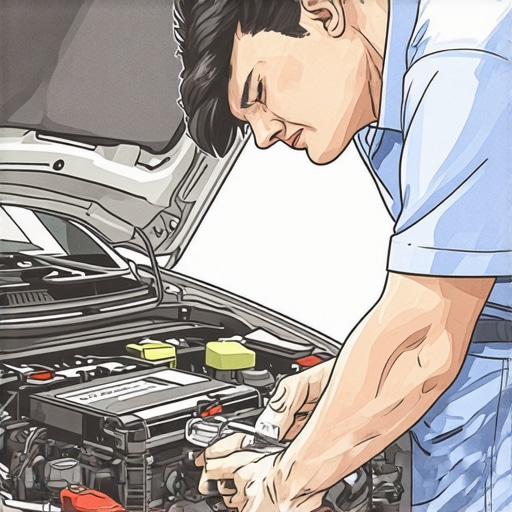
How to Rescue Your Car After Accidental Diesel Contamination
It was a chilly Saturday morning when I finally decided to tackle that long-overdue oil change. As I drained the old oil, I noticed a strange, dark sludge that didn’t quite look like regular used engine oil. My stomach sank—had I accidentally topped up with diesel instead of gasoline? That lightbulb moment hit hard, and I realized how easily a small mistake could turn into a costly nightmare for your car.
If you’ve ever found yourself in a similar situation—either because of a mix-up at the pump or a misread label—then you know the stress that comes with wondering how much damage has already been done. Diesel in a gasoline engine, or vice versa, can cause serious problems if not addressed immediately. The good news? I’ve been through it, and I learned the hard way what works and what doesn’t when it comes to rescuing your vehicle from the clutches of accidental diesel contamination.
Today, we’re going to walk through the essential steps to get your car back on track. From recognizing the warning signs early to the repairs that can save you thousands, I’ll share the strategies I wish I knew from the start. Trust me, with a little know-how, you can prevent tiny mistakes from turning into major repairs.
Why Acting Fast Matters When Fuel Gets Mixed Up
In my experience, the biggest mistake I made early on was delaying action. I thought a quick drive to the garage would be okay, but that only spread the contamination further into the fuel system, risking damage to sensitive components like the fuel pump and injectors. According to automotive experts, early intervention is crucial because diesel is more viscous and can coat engine parts, leading to clogged filters and poor combustion—potentially damaging your engine beyond repair.[^1]
So, if you’ve ever second-guessed whether you’ve contaminated your fuel or not, it’s better to assume the worst and act promptly. This approach saved me from a much costlier repair, and I’ll reveal the steps I took to mitigate the damage.
Feeling overwhelmed? You’re not alone. Many car owners underestimate how quickly diesel can harm a gasoline engine—and that hesitation can be costly. In the next sections, I’ll guide you through simple yet effective measures to neutralize the contamination, drain the compromised fuel, and get your vehicle back to performing safely. Ready to turn that panic into action? Let’s dive in.
Is Dirty Fuel Just a Myth or a Real Threat?
One common misconception is that a little diesel mixed into your gas tank won’t cause any harm—nothing could be further from the truth. My early mistake was dismissing small amounts, thinking it was no big deal. But diesel’s properties make it a real threat to your engine’s health, especially if left untreated. Experts warn that even a small contamination can lead to fuel system corrosion, injector clogging, and engine misfires if not remedied quickly.[^1]
Understanding the risks is the first step toward protecting your vehicle. If you’re worried about your current situation or simply want to be prepared for future mishaps, knowing the signs and quick remedies can save you time and money. Now that I’ve shared my experience, I’ll walk you through the detailed process I followed to rescue my car—and how you can do the same.
Drain the Contaminated Fuel Immediately
When I realized I had accidentally filled my tank with diesel instead of gasoline, my first move was to drain the entire fuel system. Park your car on a level surface, locate the drain plug on your fuel tank (consult your vehicle’s manual if necessary), and carefully drain the contaminated fuel into a safe container. This prevents further circulation of the bad fuel and limits damage to your engine.
Use Proper Tools and Safety Precautions
Wear gloves and eye protection when handling fuel. Use a siphon or a fuel transfer pump designed for automotive use—these can be found at auto parts stores. Make sure the engine is off, and work in a well-ventilated area to avoid inhaling fumes. Remember, safety always comes first.
Flush and Clean the Fuel System
Next, pour a fuel system cleaner or a small amount of fresh gasoline into the tank. Start your engine and run it at idle, allowing the cleaner to circulate through the fuel lines, injectors, and carburetor. This helps dissolve residual diesel sludge and cleans out the fuel passages. Alternatively, some mechanics recommend a professional flush, especially if you’re unsure about the process.
Replace Fuel Filters and Inspect Components
Old filters can trap diesel residues, causing clogging and poor engine performance. Remove the fuel filter and replace it with a new one to ensure all contaminants are filtered out. Also, inspect the fuel pump, injectors, and spark plugs for any signs of diesel contamination—black sludge, residue, or corrosion. Replacing or servicing these parts ensures optimal performance after the fix.
Refill with Fresh Gasoline
After cleaning the system, refill your tank with high-quality gasoline. Use a fuel additive like a fuel stabilizer or a cleaning additive to maintain engine health. Be cautious not to overfill or mix fuels again—double-check labels and, if needed, fill up at reputable stations to avoid misfueling in the future.
Test Drive and Monitor for Issues
Start your engine and listen for irregular sounds, misfires, or rough idling. Take a short test drive around your neighborhood, paying attention to acceleration and engine response. If everything runs smoothly, you’ve likely successfully rectified the problem. If issues persist, consult a certified mechanic—preferably one with ASE certification, which ensures they meet industry standards for vehicle maintenance. Want to know more about what ASE certification means? Check out this guide.
Many car owners believe that sticking to the basic oil change schedule is enough to keep their vehicle running smoothly, but in reality, there’s more beneath the surface. One widespread misconception is that all oils are created equal; however, using the wrong type or neglecting the viscosity requirements can accelerate engine wear. For example, synthetic oils offer superior temperature stability and better protection against thermal breakdown—something many overlook. Relying solely on the ‘oil change every 5,000 miles’ rule without considering driving habits, climate, or vehicle age can be a costly mistake, as detailed in automotive research emphasizing tailored maintenance schedules.
Why Do People Overlook Transmission Service If It Isn’t Breaking?
Many assume transmission issues happen suddenly without warning, so they postpone servicing until problems become severe. Yet, transmission fluid degrades gradually, losing its lubricating properties and leading to increased wear on clutch plates and gears. Regular fluid changes, recommended by experts, can prevent costly repairs and extend transmission lifespan. Ignoring this can result in slippage, harsh shifting, or complete transmission failure—scenarios that could have been avoided with proactive maintenance. Want to learn how to spot early signs of transmission trouble? Check out this guide.
Are ASE Certifications Really a Mark of Expert-Specific Knowledge?
It’s a common belief that ASE certification guarantees a mechanic’s expertise across all vehicle makes and models. While ASE-certified technicians have demonstrated a certain level of knowledge, many assume this means they can handle every complex issue without question. However, specialization varies; some ASE certifications target particular systems, and ongoing training is crucial. An ASE badge signals competence but doesn’t replace personalized diagnostics or experience with specific vehicle brands. Always research a shop’s expertise in your vehicle’s make and model. Curious about what ASE certification really entails? Visit this detailed explanation.
Invest in Quality Diagnostic Equipment
One of my most valuable investments has been a reliable OBD-II scanner. Not only does it give me quick access to engine codes, but it also allows me to monitor real-time sensor data. I personally use the Autel MaxiCOM MK808 because of its comprehensive diagnostic capabilities and user-friendly interface. This tool helps me catch issues early before they escalate, saving time and money. In the future, I predict that diagnostic tools will become more integrated with smartphone apps and cloud-based data, making vehicle maintenance even more accessible for DIY enthusiasts and professionals alike.
Adopt Precision Maintenance Methods
When performing routine upkeep such as oil changes, I rely on a high-precision torque wrench. For example, I use the Tekton 24335 torque wrench because it ensures I tighten drain plugs and filter housings to manufacturer specifications, preventing leaks and damage. Using accurate tools like this is critical, especially when working with components that are ASI certified, ensuring compliance with industry standards. As technology advances, I foresee more shops adopting digital torque wrenches linked to maintenance records, streamlining long-term vehicle health tracking.
Keep a Detailed Maintenance Log
Maintaining an organized record of service intervals, repairs, and part replacements helps me track the health of my vehicle over time. I use digital platforms like Fleetio for my fleet, and personally, I prefer a dedicated spreadsheet for my car. This practice not only reminds me of upcoming scheduled services such as transmission fluid changes but also provides valuable data if I decide to sell the vehicle in the future. In the coming years, AI-powered apps might analyze your maintenance history and suggest personalized service plans, making upkeep even more predictive.
Use High-Quality Replacement Parts
Whenever I replace components like filters, belts, or spark plugs, I choose OEM or aftermarket parts with proven durability. For instance, I opt for parts from reputable brands like Gates or Bosch because of their consistent performance. This attention to quality ensures that my repairs last longer and keep my car running smoothly. With ongoing certification standards like ASE, mechanics are increasingly required to specify parts that meet strict criteria—making it essential to verify that replacements are up to spec. I recommend using a parts verification app or tool when available to confirm authenticity.
Schedule Regular Professional Inspections
While I enjoy doing most maintenance myself, I also schedule periodic inspections with an ASE-certified mechanic. This dual approach catches issues that might evade my eye, including transmission diagnostics or detailed emission testing. Professional inspections are especially important if your vehicle’s age or usage patterns change. Looking ahead, I believe advancements in remote diagnostics will enable experts to monitor vehicle health via telematics, providing faster, more efficient care.
My favorite method for long-term care is staying proactive rather than reactive. For example, trying out a comprehensive transmission check described in this guide helps prevent costly repairs down the line. I encourage you to adopt at least one of these tools or practices—like investing in a good diagnostic scanner or keeping a detailed maintenance log—to give your vehicle the care it deserves. Consistent, precise maintenance not only extends your car’s lifespan but also keeps it performing reliably. Curious about how to ensure your service process remains effective? Reach out through this contact page for personalized advice.
Three Surprising Truths About Engine Care I Discovered Too Late
Listening to my gut and acting swiftly after realizing I had misfueled saved my engine from irreversible damage; patience and prompt action are critical in auto emergencies.
Regularly inspecting your fuel system can uncover problems early, saving hundreds on repairs and maintaining your vehicle’s longevity—don’t wait until symptoms worsen.
Investing in a good diagnostic tool isn’t just for professionals; it empowers you to catch issues before they escalate, turning you into your own mechanic.
My Essential Toolkit for Effective Car Service
- Autel MaxiCOM MK808: This comprehensive diagnostic scanner provides real-time data and fault codes, helping me identify issues like fuel contamination swiftly and accurately.
- High-Quality Fuel Additives: Using trusted cleaners restores fuel system health, especially after contamination, and improves engine performance.
- OEM Replacement Parts: Ensuring parts like fuel filters meet standards guarantees durability, crucial for preventing future mishaps.
- Precision Torque Wrench: Correctly tightening components like filters and drain plugs prevents leaks and damage, essential during repairs.
Your Journey Toward Confidence and Reliability Starts Now
Taking charge of your vehicle’s maintenance, especially with insights from experiences like mine, can transform how you care for your car. Don’t let fear or uncertainty hold you back—every step you take towards understanding your vehicle prolongs its life and boosts safety. Remember, the road to hassle-free car ownership is paved with proactive habits and willingness to learn. Ready to dive deeper? Visit this contact page for personalized guidance and support. What small maintenance habit has made the biggest difference in your driving experience? Share below and inspire others to take control of their car care journey.