The safest place to wait for a tow truck at night
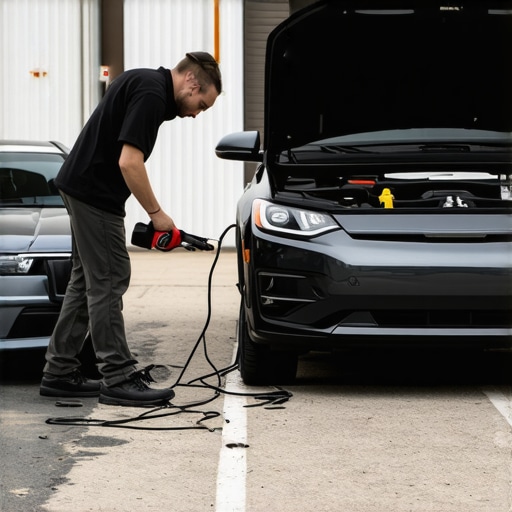
I remember that chilly winter night when my car sputtered and finally gave out on a quiet but eerie stretch of road. panic set in as I realized I was stranded, alone, and it was getting dark fast. That moment was a clear lightbulb for me: knowing where to wait safely for a tow truck isn’t just a matter of convenience—it’s a crucial safety decision.
How I Learned the Importance of Safe Waiting Spots
After that night, I vowed to figure out the best places to wait for roadside assistance. Turns out, choosing the right spot can make all the difference between safety and danger. Today, I want to share what I’ve learned from personal experience and thorough research, so you won’t have to learn the hard way like I did. We’ll explore practical tips and common pitfalls, ensuring you’re prepared when your vehicle lets you down after hours.
Is It Really Worth Worrying About Where You Wait?
Honestly, early on, I underestimated this part of roadside emergencies. I thought, “As long as I stay off the road, I’m fine.” That was a mistake. The National Highway Traffic Safety Administration reports that over 50% of roadside accidents happen when drivers are near their vehicles or in poorly chosen locations, especially at night. The mistake I made was waiting in an unfamiliar, poorly lit area—risking further accidents or getting noticed by unsavory individuals. Now, I always prioritize well-lit, visible spots with ample space to move around safely.
Have you ever faced a situation where you weren’t sure where to wait? If so, you’re not alone. The key is knowing the right spots to make your wait safe, comfortable, and stress-free. Next, I’ll walk you through the core principles of selecting that perfect spot and share some personal tricks to stay safe during those stressful nights.
Pick a Spot Where You Keep Yourself Safe and Visible
When your car breaks down at night, choose a well-lit, populated area like a parking lot or roadside rest stop. This ensures you’re visible to passing drivers and reduces the risk of unwanted attention. I learned this firsthand when my engine stalled on a dark rural stretch; I moved my car into a well-lit gas station parking lot, which made assistance arrive faster and kept me secure. Avoid hiding behind a hill or in a tight corner where oncoming traffic can’t see you.
Stay Clear of Moving Traffic and Busy Lanes
Position yourself at least 10 feet away from traffic lanes, preferably on the shoulder, curb, or sidewalk. If you’re on the freeway, don’t stand directly beside your vehicle; instead, move to a safe distance behind guardrails or barriers if available. Once, I mistakenly stayed near my car on a highway shoulder, but a sudden gust or passing vehicle almost knocked me over. Now, I always maintain a safe buffer zone, which feels like setting a buffer in a game to avoid damage—protects you from unpredictable strikes.
Ensure Easy access to Exit and Contact Points
Stand near your vehicle’s tailgate or trunk if you’re on a highway, or near the passenger door. Keep your phone accessible, ideally in a pocket or bag close by, so you’re ready to call for help without fumbling. I keep my phone mounted on a dash holder, so I can quickly call roadside assistance without risking losing focus or dropping it. Remember, waiting near an exit or driveway allows quick departure if unsafe conditions arise and makes it easier for the tow truck to spot you.
Look for an Open, Level Surface
Choose a level patch of ground where your vehicle won’t roll or get stuck. Avoid soft soil or uneven terrain that could cause additional problems or make towing tricky. During a winter breakdown, I once parked in a sloped area that delayed rescue efforts; now I always scan for a flat spot that won’t cause extra hassle, like the well-prepared spots at service stations or parking lots.
Communicate Your Location Clearly
When you call for roadside help, give precise directions. Use landmarks or mile markers if possible, or provide a cross street. If you’re in an unfamiliar area, utilize your phone’s GPS coordinates and flag your location to avoid confusion. I make a mental note of nearby landmarks, like a unique billboard or tree, so I can guide the tow driver directly, similar to how ASE-certified technicians accurately diagnose issues based on precise symptom descriptions.
Simplify Fixing Common Issues Yourself
In some situations, understanding simple car repair tips can get you back on the road temporarily. For example, if your vehicle overheats, opening the hood (after ensuring it’s safe), inspecting the radiator cap, and topping off coolant can buy you time. Remember, regular maintenance like oil changes ([Top Oil Change Tips](https://autofixclinic.com/top-oil-change-tips-for-safe-driving-in-2025)) helps prevent emergencies. For more complex problems like transmission issues, it’s best to consult professionals—visit [Auto Fix Clinic](https://autofixclinic.com/contact-us) or schedule a diagnostic appointment.
By following these steps, you create a safe environment for yourself and reduce risks during roadside emergencies. Make safety your priority, and always stay alert to your surroundings, just as ASE-certified technicians do when they diagnose complex vehicle issues with precision and care.
 Many car owners believe that changing the oil or visiting a licensed mechanic guarantees a vehicle’s longevity, but the reality is far more complex. A common myth is that all oil changes are equal; in truth, synthetic oils can offer better protection against engine wear, especially in extreme temperatures, but choosing the right type depends on your driving habits and vehicle specifications. Moreover, some assume that ASE certification alone ensures quality service, yet the certification signifies technician competence, not necessarily the shop’s overall standards or honesty. It’s easy to overlook the importance of transmission fluid quality and age; neglecting these can lead to harsh shifting or costly repairs, as detailed in expert insights on transmission troubleshooting. An often-missed nuance is understanding the difference between regular maintenance and proactive diagnostics—routine oil changes prevent wear, but comprehensive checks can identify hidden issues like early transmission or differential problems before they escalate. Beware of the trap where vehicle owners rely solely on maintenance schedules printed in manuals, ignoring real-world factors like climate, load, or the vehicle’s age, which should modify service intervals. For example, more frequent oil changes might be necessary in cold climates to prevent thickening and poor lubrication. To truly optimize vehicle health, it’s vital to go beyond the basics and understand the interconnectedness of components, such as how neglected transmission fluid can accelerate the wear of clutch packs and gears. Regular inspections, coupled with expert advice from trusted mechanics—like checking for signs of slipping or delayed engagement—can prolong transmission life significantly. Remember, replacing parts preemptively based on diagnostic insights is often more cost-effective than waiting for a complete breakdown. Do you think a simple oil change guarantees your car’s performance? Think again; understanding these nuances can save you money and headaches in the long run. For in-depth guidance and to ensure your vehicle is truly cared for, consider consulting professionals who focus on comprehensive diagnostics and tailored maintenance plans, such as those at Auto Fix Clinic. Stay vigilant, and always question assumptions—your car’s health depends on it!
How do I maintain my vehicle’s performance over time?
Investing in the right tools and adopting effective maintenance routines can vastly extend your car’s lifespan and ensure it runs reliably. For instance, I personally rely on a high-quality OBD-II scanner like the BlueDriver to quickly identify fault codes and monitor real-time sensor data. This device connects seamlessly with my smartphone, allowing me to diagnose issues before they escalate, saving both time and money. Embracing such technology is essential as cars become more complex with advanced electronics.
When it comes to fluid management, I recommend regularly testing transmission fluid with a dedicated digital transmission fluid tester. This precise measurement helps determine if your fluid is still within optimal parameters or needs changing, especially in high-mileage vehicles. Unlike traditional dipsticks, these testers provide instant, accurate readings, making routine checks more practical. Keeping transmission fluid at the correct level and condition prevents harsh shifting and expensive repairs, aligning with expert insights from transmission troubleshooting guides.
Consistent oil analysis is another long-term maintenance practice I recommend. Sending small samples to specialized labs can reveal contamination, wear particles, and additive levels—not visible during routine oil changes. This proactive approach helps catch engine issues early and determines whether synthetic oils are beneficial for your driving habits, as thoroughly discussed in top oil change tips. Over time, this ensures your engine remains effectively lubricated and protected against wear, especially in extreme climates.
Adopting preventative diagnostics tools like the advanced diagnostic scanners allows you to schedule targeted repairs before minor issues become major failures. With digital reports and historical tracking, you can identify patterns and plan maintenance at optimal intervals, which promotes better budget management and vehicle health.
Looking ahead, I predict that integration of AI-driven diagnostics and predictive maintenance software will become standard, enabling cars to alert owners proactively about impending problems. Staying updated with these innovations can make car ownership more efficient and less stressful.
What steps can you take today to improve your vehicle’s long-term health?
Start by investing in a reliable OBD-II scanner and commit to periodic transmission fluid testing. These proactive measures, combined with routine oil analysis, will help you catch issues early and keep your car performing at its best. For personalized advice or complex diagnostics, don’t hesitate to contact professionals at Auto Fix Clinic. Give one of these advanced tips a try today, and experience the difference in your vehicle’s longevity and reliability!
Lessons That Came From My toughest roadside moments
One of the hardest lessons I learned was during a late-night breakdown in a sketchy part of town; I realized I had underestimated the importance of choosing a visible, safe waiting spot. Another eye-opener was discovering that even ASE certification doesn’t guarantee a shop’s transparency—trustworthy diagnostics and honest advice are what truly count. I also saw firsthand how neglecting transmission fluid health can silently erode your vehicle’s performance, turning a minor issue into major repairs. These experiences taught me that proactive maintenance and knowledge are your best defenses against unexpected car failures, saving you stress and money in the long run.
Tools and Reads That Transformed My Car Maintenance Strategy
If you’re serious about keeping your vehicle in top shape, I recommend investing in a reliable OBD-II scanner; it’s an invaluable tool for early problem detection. Reading top oil change tips for 2025 helped me understand when synthetic oils can be a game-changer for extreme climates. For deep insights on transmission care, expert troubleshooting guides provided clarity I wish I had at the start. These resources aren’t just tools—they’re trusted advisors that help me stay ahead of vehicle issues before they escalate.
Your Step Toward Safer, Smarter Driving Starts Now
Don’t wait for that unsettling noise or dashboard warning—your proactive approach to car care and roadside safety can make all the difference. Embrace the knowledge, tools, and habits that set responsible drivers apart. Remember, safe waiting spots, regular diagnostics, and informed maintenance aren’t just tips—they’re essential moves for longevity and peace of mind on the road. Take action today, and your vehicle will thank you for years to come!