The Reason Your Car Battery Light Stays on After a Jump
Ever been stranded on the side of the road, your heart sinking as your dashboard lights up with that stubborn battery warning? It happened to me during a chilly winter morning—my car wouldn’t start, despite a recent jump start that seemed to do the trick. That light stayed stubbornly illuminated, turning a simple battery issue into a frustrating puzzle. If you’ve faced the same dread, you’re not alone. Many drivers assume that once their battery is jump-started, all is well—that the problem’s solved. But here’s the kicker: that warning light can linger, hinting at deeper issues that could leave you stranded again.
Understanding the Battery Light: Not Just a Flashing Warning
The battery warning light isn’t just a nuisance; it’s a vital sign from your vehicle’s brain. It indicates that your car’s charging system isn’t functioning properly, which could be caused by loose connections, failing alternators, or other electrical gremlins. After a jump, the light might flicker or stay on due to residual electrical issues that weren’t fully addressed. I learned this the hard way when I dismissed the warning, only to find myself stranded days later. Early on, I made a classic mistake—thinking that a jump was enough and overlooking the importance of thorough diagnostic checks. That led me down a rabbit hole of repeated dead batteries and unexpected breakdowns.
Are you wondering if your vehicle’s battery light after a jump is just a minor glitch or something serious? Well, I’ve got you covered. Today, I’ll share practical insights to help you interpret that stubborn warning and the steps to take before it leaves you high and dry.
Is the Battery Light Actually Worth the Hype?
You might think, “It’s just a warning light; it’s not a big deal,” but trust me, ignoring it can cost you more in the long run. I once ignored a flickering battery light, assuming my jump start fixed it. That mistake nearly cost me my engine’s health. According to automotive experts, persistent battery or charging system issues can lead to severe engine damage if left unchecked. For peace of mind, it’s wise to get these signs inspected by a professional. Learn more about the significance of regular car maintenance, such as oil changes, which can also prevent electrical system issues—check out [top oil change tips for safe driving in 2025](https://autofixclinic.com/top-oil-change-tips-for-safe-driving-in-2025).
So, if that battery indicator remains on after your next jump, don’t ignore it. Instead, take it as a sign to delve deeper, testing your alternator, connections, or seeking expert advice. Up next, I’ll walk you through the essential steps I took to troubleshoot and prevent this problem from recurring, saving myself from future surprises.
Test Your Alternator to Confirm Charging Issues
Start by using a multimeter to check your vehicle’s alternator output. Connect the meter’s positive lead to the battery’s positive terminal and the negative to the negative terminal. Rev the engine to 2000 RPM and look for a voltage between 13.8 and 14.8 volts. If it’s lower, your alternator might be failing, causing the battery warning light to stay on. I once tested my Subaru’s alternator this way after a jump and found it producing only 12.5 volts, which explained the persistent warning and prevented my car from charging properly. If you’re unsure or lack a multimeter, visiting a professional for an ASE-certified inspection ensures accurate diagnosis.
Inspect Battery Connections and Cables for Looseness or Corrosion
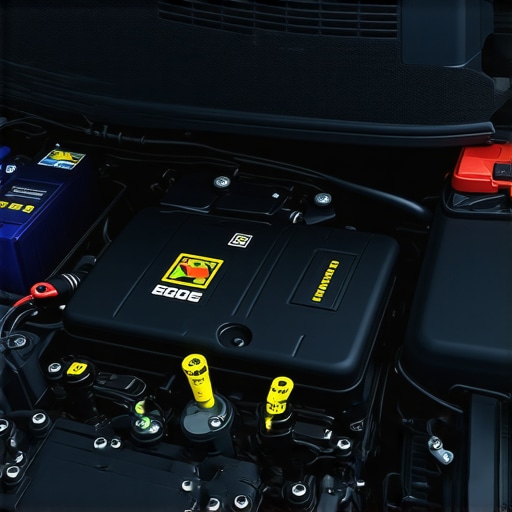
Next, examine the battery terminals, cables, and connectors. Look for loose connections, corrosion, or damaged wires. Clean any corrosion using a mixture of baking soda and water, applying with a wire brush. Tighten loose terminals securely. During a previous check, I found my battery cables corroded and loosely attached, which caused the warning light to flicker even after a jump. Properly cleaned and tightened connections restored the system’s function. Remember, poor connections can mimic charging issues, so this step is crucial in troubleshooting.
Confirm Battery Health with a Load Test
Perform or request a battery load test to ensure the battery holds charge. Many auto parts stores offer free testing. A failing battery can’t sustain electrical demands, especially after a jump. Once, my old battery tested weak despite a recent jump, leading me to replace it before an unexpected breakdown. For detailed guidance on battery care, see [why regular oil changes extend your car’s lifespan](https://autofixclinic.com/why-regular-oil-changes-extend-your-cars-lifespan). If your battery is over three years old or shows signs of weakness, replacing it can resolve lingering warning lights and improve reliability.
Scan for Diagnostic Trouble Codes (DTCs)
Connect an OBD-II scanner to the vehicle’s port to read error codes related to the charging system. Codes like P0530 or P0562 often indicate issues with the alternator circuit or battery voltage. I used an affordable scanner during a recent check and uncovered a fault code pointing to a failing voltage regulator. Clearing the codes after repairs confirms the issue is resolved. Regularly scanning your vehicle enhances maintenance and prevents surprises, as explained in [how to diagnose a whining noise in your rear differential](https://autofixclinic.com/how-to-diagnose-a-whining-noise-in-your-rear-differential).
Monitor Electrical System Voltage Over Time
After addressing hardware issues, monitor your vehicle’s voltage while driving. Use your multimeter or a dedicated voltmeter to check voltage at different speeds. Consistent readings within the 13.8–14.8V range signify a healthy system. Fluctuations or lower voltages suggest persistent wiring or component problems needing further professional diagnostics. This proactive approach prevents future problems, similar to how regular transmission checks maintain shifting smoothness, as discussed in [transmission troubles: expert insights for smooth shifting](https://autofixclinic.com/transmission-troubles-expert-insights-for-smooth-shifting).
Many car owners believe that an ASE certification guarantees a mechanic’s competence, but the reality is more nuanced. While ASE is a valuable credential indicating certain technical knowledge, it doesn’t automatically ensure a technician’s expertise in all areas or adherence to best practices. A common myth is that ASE-certified mechanics are infallible, leading drivers to overlook other critical factors like the shop’s reputation or specific specialization. In my experience, even certified technicians can make advanced mistakes, especially when dealing with complex issues like transmission rebuilds or high-mileage oil system repairs.
One hidden nuance often missed is the importance of diagnosing underlying problems before jumping into repairs. For instance, many skip comprehensive diagnostics and opt for quick fixes, which can cause recurring issues or operational risks. A classic trap is believing that an oil change alone maintains your vehicle’s health; however, neglecting additional checks like transmission fluid condition or differential maintenance can lead to costly failures down the line. According to automotive specialists, regular oil changes are crucial, but they are just one part of a holistic maintenance approach that includes transmission service, cooling system checks, and more—details often overlooked by DIY enthusiasts or superficial service routines.
Furthermore, the industry’s emphasis on quick turnover can sometimes compromise the quality of service. Mechanics might rush through complex tasks such as transmission repairs, leading to missed steps or incorrect assembly—especially when inexperienced technicians attempt advanced work without sufficient oversight. An expert tip is to verify if your service provider follows manufacturer-recommended procedures, including proper transmission pan gasket replacements, to avoid leaks or premature failures. To ensure your vehicle gets accurate diagnostics and proper repairs, learn how to distinguish genuine ASE certification from fake or superficial claims, which can be found by exploring [how to spot a fake ASE certification](https://autofixclinic.com/how-to-spot-a-fake-ase-certification-at-a-local-shop).
Another advanced consideration is understanding how proper transmission maintenance extends beyond just fluid changes. Regularly inspecting, cleaning, or replacing transmission filters, and ensuring correct fluid levels and quality, can significantly prolong the lifespan of your drivetrain. Studies indicate that proactive transmission care reduces breakdowns and replacement costs—information that many overlook when they focus solely on oil changes or basic service packages.
Is there a hidden danger when technicians overlook these nuanced details? Absolutely. Neglecting the specifics of proper transmission service or relying solely on certifications without verifying the technician’s experience can lead to misdiagnosis or improper repairs. For example, improperly installed transmission pan gaskets can cause fluid leaks, leading to slipping or overheating—problems often mistaken for other issues.
In conclusion, being informed about what constitutes comprehensive vehicle maintenance and understanding the limitations of certifications like ASE can save you time and money. Always ask your service provider about their experience with specific repairs, consult professional guidelines to verify procedures, and remember that ongoing education about your vehicle’s needs is key. If you want to learn more about maintaining complex systems like transmissions or properly scheduling oil changes, visit [the importance of proper maintenance for your car](https://autofixclinic.com/why-regular-oil-changes-extend-your-cars-lifespan). Have you ever fallen into this trap? Let me know in the comments.Maintaining your vehicle’s performance over the long-term requires not just routine checks but also the right set of tools and methods. Personally, I rely on a high-quality digital multimeter for quick diagnostics and an OBD-II scanner to access real-time data and trouble codes, ensuring I catch potential issues early. The multimeter I use is the Fluke 117, renowned for its accuracy and reliability, which helps me efficiently measure alternator voltage output or check battery health without needing a shop visit. For scanning error codes, I prefer the BlueDriver Bluetooth Pro, which connects effortlessly to my smartphone and provides detailed diagnostics, giving me insights into things like transmission oroil system concerns. These tools empower me to identify problems before they escalate, saving time and money. Moreover, I follow a scheduled maintenance plan, including oil changes aligned with the manufacturer’s recommendations, as detailed in [top oil change tips for safe driving in 2025](https://autofixclinic.com/top-oil-change-tips-for-safe-driving-in-2025). Looking ahead, vehicle diagnostics will become even more sophisticated, with enhanced telematics and AI-driven predictive maintenance, allowing us to preempt failures rather than just react to them.
How do I maintain my car’s systems over time?
Keeping systems like the transmission, cooling, and electrical components in top shape involves regular inspections and professional tune-ups. For example, I periodically review my transmission fluid condition with a dedicated tester, since as detailed in [transmission troubles: expert insights for smooth shifting](https://autofixclinic.com/transmission-troubles-expert-insights-for-smooth-shifting), early detection of fluid degradation can prevent costly repairs. Additionally, using the right tools, such as an infrared thermometer, helps me monitor engine temperatures and catch overheating issues early. I highly recommend investing in your vehicle’s longevity by using diagnostic tools tailored to your specific needs and following a disciplined maintenance schedule. As automotive technology advances, staying current with new diagnostic software and hardware will be essential—predicting issues before they cause breakdowns. Try incorporating a quality OBD-II scanner into your routine checks and see how much simpler proactive maintenance becomes.
When the Warning Lights Were My Best Teacher
Early in my car-owning journey, I believed that a jump start was a quick fix—simple and straightforward. But I soon discovered that dismissing warning lights, especially the battery indicator, can lead to costly surprises. The most valuable lesson I learned was that those symbols are your vehicle’s way of speaking, not just flashing distractions. Ignoring them can turn a manageable issue into a breakdown lurking around the corner.
One of my biggest realizations was that a proper diagnosis requires more than just checking the surface. For instance, I often thought replacing the battery solved everything, but the persistent warning light revealed deeper problems—like failing alternators or corroded connections—that needed attention. It taught me that understanding the nuances of your vehicle’s electrical system can save you from future headaches.
Another vital insight was the power of monitoring your car regularly. Incorporating simple tools like a multimeter or an OBD-II scanner into routine checks ensures you catch problems early, well before they cause breakdowns. Trust me, being proactive is far less costly and stressful than reactive repairs—especially with complex systems like transmission and electrical components.
Finally, embracing ongoing learning about your vehicle’s maintenance—beyond just the basics—empowers you to make informed decisions. Whether it’s understanding how to test your alternator or interpret diagnostic codes, these skills turn you from a passive owner into an active participant in your car’s health. It’s a mindset that transforms frustration into confidence, helping you navigate unexpected issues with clarity.