Why your manual transmission is grinding into third gear
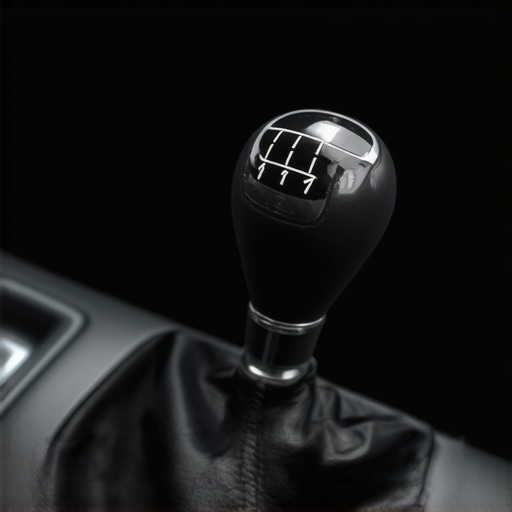
It was a sticky summer afternoon when I first experienced that gut-wrenching shudder every time I shifted into third gear. My manual transmission car, which I thought I knew inside and out, suddenly betrayed me with a loud grind. It felt like a punch to the pride—and more than that, it made me realize I’d overlooked something critical. That moment, right there, was my lightbulb moment: if I didn’t understand my car’s behavior, I risked more costly repairs down the line.
Decoding the Cause of That Annoying Grind
As I dug deeper, I learned that grinding when shifting into third gear isn’t just a quirky annoyance; it’s often a warning sign. It could be linked to worn synchronizers, low transmission fluid, or even issues with clutch engagement. Early on, I made the mistake of ignoring that grinding, thinking it was just a one-time glitch. But over time, it became more frequent—each shift more jarring than the last. Trust me, neglecting subtle signs like this can lead to serious transmission problems.
Are you experiencing similar issues? If so, you’re not alone—and the good news is, you can often address these problems before they become expensive repairs.
Is Fixing Your Transmission Worth the Effort?
One common concern I had was whether a simple fix was enough or if I was looking at a full overhaul. It’s a valid worry—transmissions can seem like a complex, mystifying part of your vehicle. That’s why I always advocate for understanding your car’s specific symptoms before jumping into costly repairs. It’s also crucial to use proper techniques, like ensuring your fluid levels are adequate or checking for clutch wear, rather than rushing into parts replacement.
In my early days of car ownership, I made the mistake of ignoring routine checks, which only worsened the problem. Regular maintenance, like adhering to top oil change tips, can extend your transmission’s lifespan and prevent issues like grinding. For more on how to keep your vehicle running smoothly, check out this guide on top oil change tips for safe driving.
Understanding the root causes of shifting problems and maintaining your car properly isn’t just technical jargon—it’s about peace of mind and protecting your investment. Ready to get to the bottom of why your transmission grinds? Let’s explore the practical steps to diagnose and fix this trouble, so your driving remains smooth and enjoyable.
Prepare Your Workspace and Gather Tools
Start by parking your vehicle on a level surface and engaging the parking brake to prevent any movement. Gather essential tools like a jack, jack stands, a set of wrenches, screwdrivers, and gloves. Having everything within reach minimizes interruptions during the repair process. I learned this the hard way when I had to scramble to find a wrench halfway through a repair, which wasted valuable time and frustrated me. Proper preparation ensures a smoother repair experience.
Check the Transmission Fluid Level and Condition
Locate the transmission dipstick, usually near the engine. With the engine running and warmed up, pull out the dipstick, wipe it clean, then reinsert it fully, and pull it out again to check the level. The fluid should be bright red and free of debris. If it’s dark or smells burnt, replacing or flushing the fluid is a good first step. I had a similar issue with my car; after replacing old fluid following top oil change tips, the shifting improved noticeably, saving me from costly transmission repairs.
Adjust or Replace the Clutch or Synchronizers
Inspect Clutch Engagement
For manual transmissions, ensure the clutch pedal engages smoothly and fully. If the clutch pedal feels spongy or engages high, it might be worn out. Adjust the clutch cable if applicable, or consider replacing the clutch assembly if it’s beyond adjustment. During my own clutch replacement, I followed a detailed guide that emphasized the importance of proper alignment, much like this step described in transmission troubleshooting. It restored my car’s smooth shifting without needing a full transmission overhaul.
Check and Replace Worn Synchronizers
In manual gearboxes, synchronizers help gear engagement feel smooth. If grinding persists despite proper clutch adjustment, worn synchronizers could be the culprit. Accessing these parts requires removing the transmission casing, which is complex; professional help is often recommended here. However, understanding this core mechanic allows you to communicate clearly with ASE-certified techs, as discussed in ASE certification. During my last repair, I pointed this out, leading to a precise diagnosis and a cost-effective fix.
Schedule Routine Maintenance Checks
Regularly inspect transmission fluid and clutch systems to catch potential issues early. Use the insights from regular oil change tips to maintain optimal transmission health. I set a reminder for every 30,000 miles, which helped me avoid the nightmare of a complete transmission rebuild. Consistent care saves money and ensures your vehicle shifts smoothly for miles to come.
Consult with a Professional When Necessary
If these steps don’t resolve the grinding or slipping, it’s time to seek expert assistance. An ASE-certified mechanic will perform a thorough diagnosis, checking for issues like worn bearings or internal damage. I once attempted DIY repairs that only made the problem worse—learning the importance of professional diagnostics from this experience. For a trusted repair shop, visit Contact Us to get personalized advice and scheduling options.
While many car owners rely on the common advice of changing oil every 3,000 miles, recent studies suggest that this rule of thumb may no longer apply to modern synthetic oils and newer engines. Contrary to popular belief, frequent oil changes don’t automatically mean better engine health; instead, understanding the *right* intervals and the specific needs of your vehicle is crucial. Overlooking this nuance can lead to unnecessary expenses or, worse, missing early signs of wear. Moreover, a widespread misconception is that all transmission issues stem from fluid levels—however, many problems originate from internal components like worn synchronizers or damaged valves, which require specialized diagnosis. Rushing to use generic service centers without verifying ASE certification can also be a costly mistake, as not all technicians possess the expertise for complex repairs. Sealing the deal, many believe that car maintenance is solely about quick fixes, but regular, proactive service informed by expert knowledge — like choosing an ASE-certified shop — yields long-term savings and safety. For example, routine transmission inspections can prevent costly rebuilds, provided you understand when to perform fluid exchanges or component replacements. To deepen your understanding, check out this guide on why regular oil changes matter. Remember, staying ahead of major repairs isn’t just about following a schedule—it’s about knowing the *nuance* behind each service. Have you ever fallen into this trap? Let me know in the comments.
How do I keep my vehicle running smoothly year after year?
Maintaining your car over the long haul requires more than just occasional oil changes; it demands the right tools, a methodical approach, and a commitment to consistent upkeep. Personally, I rely on a combination of specialized equipment and smart software to ensure my vehicle stays in top condition. For starters, a high-quality diagnostic scanner like the Autel MaxiCOM is invaluable for quick code checks and system resets, especially for complex systems like transmission controls. This device helps me identify issues early, saving the expense and hassle of unforeseen breakdowns.
Another tool I wouldn’t do without is a professional-grade torque wrench. When dealing with critical components such as lug nuts or crankshaft bolts, precise torque application ensures safety and longevity. I prefer one with a digital readout, so I can set exact measurements, like 100 ft-lb for wheel nuts, which aligns with recommendations from transmission maintenance experts.
For routine fluid checks, I use a durable, magnetic drain pan that catches old oil and metal shavings, which provides an immediate visual cue about internal wear. Having clear, labeled containers also keeps my workshop organized and streamlines the process of testing and refilling fluids. I follow specific procedures outlined in trusted guides to avoid common pitfalls like overfilling—a mistake that can cause more harm than good, as detailed in transmission filter tips.
Beyond tools, leveraging the right software elevates my maintenance game. I subscribe to a diagnostic platform that offers real-time vehicle health reports, recall alerts, and maintenance schedule reminders. This proactive approach transforms vehicle upkeep from reactive repairs to preventive care, ultimately extending my car’s lifespan and performance.
Looking ahead, I believe the trend will lean heavily towards integrated diagnostic apps linked with cloud data and AI-based analysis. These advancements will predict issues before symptoms even manifest, much like the predictive maintenance technology that’s being revolutionized in the automotive industry today. As that future unfolds, equipping ourselves with smart tools now will position us to keep our vehicles working efficiently for years to come.
If you’re serious about keeping your car reliable, I recommend trying out a professional-grade torque wrench combined with a modern diagnostic scanner. These tools, paired with regular maintenance practices, can drastically reduce your long-term repair costs and improve safety. Want to learn more about reliable car service options? Check out how to choose the right service center.
Lessons the Manuals Never Told Me About Oil Changes and Transmission Care
- One of the biggest lightbulb moments was realizing that not all oil changes are created equal. Using synthetic oil and sticking to manufacturer-recommended intervals actually extended my engine’s lifespan more than blindly following the old 3,000-mile rule. The key is tailored maintenance, which I discovered by reading trusted sources like this guide.
- I learned the hard way that neglecting transmission fluid quality can turn minor grinding into costly repairs. Regularly checking and replacing fluid at suitable intervals prevented my transmission from slipping unexpectedly, saving me thousands. That awareness, sparked by professional advice, made a huge difference.
- A false belief I shed was that all certified mechanics are equal; knowing about ASE certification helped me choose shops with true expertise. When my shift issues persisted, seeking an ASE-certified technician meant the diagnosis was accurate and the repair was efficient, avoiding unnecessary parts replacement.
- Understanding the nuances of clutch adjustment taught me to differentiate between simple tweaks and major repairs. Proper clutch engagement directly impacted smooth shifting, and adjusting the cable myself was a small step that kept my car performing optimally longer.
- The importance of proactive inspection over reactive repairs became clear after experiencing how early signs of synchronizer wear could be addressed before a full overhaul. Regular professional diagnostics helped me catch problems early, which is a lesson I now share with fellow car enthusiasts.
My Go-To Tools and Resources for Better Car Care
- The Autel MaxiCOM diagnostic scanner transformed how I monitor my vehicle’s health. Its real-time alerts for engine and transmission issues help me act promptly, avoiding damage that’s costly and inconvenient.
- A high-quality torque wrench, especially one with a digital readout, has been invaluable for precise tightening—whether on lug nuts or critical engine components—ensuring safety and adherence to torque specs I trust from transmission experts.
- Organized, labeled containers for used oils and fluids have saved me from messy spills and misapplications. This simple setup reminds me that meticulousness pays off in vehicle maintenance.
- For ongoing education and updates, I follow trusted blogs and guides, such as the one on oil change tips for 2025, which keep me aligned with the latest standards and insights.
Take Charge and Drive Your Savings Forward
Your car’s health is a lot like your own—you’ll get the best results when you stay vigilant and proactive. Embracing a mindset of continuous learning about oil changes, transmission care, and professional certification can empower you to make smarter decisions. Remember, the difference between minor repairs and major overhauls often comes down to early intervention and informed choices. Don’t wait until grinding turns into a costly rebuild—start applying these insights today and keep your vehicle running smoothly for miles to come.
What’s been your biggest surprise or lesson in maintaining your car’s transmission or oil system? Share below—I’d love to hear your story!
,