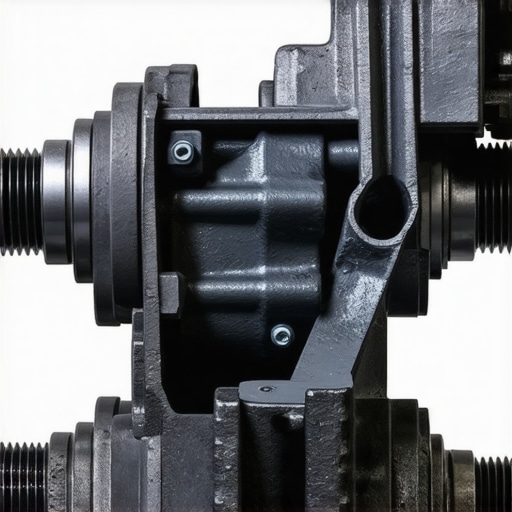
The cost of skipping a transmission fluid exchange
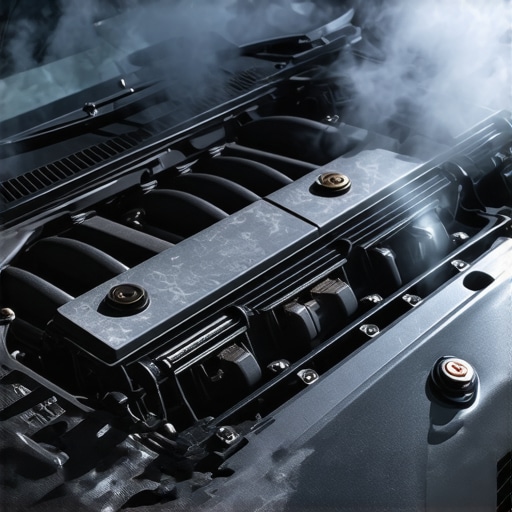
Just last month, I found myself stranded on the side of the road, heated engine smoke billowing from under my hood. It was a wake-up call I won’t forget. Turns out, neglecting my transmission fluid exchange was the culprit behind that headache. That moment made me realize how easy it is to overlook something as simple as transmission maintenance until it’s too late. If you’ve ever dismissed the idea of a fluid exchange because you thought it was just an unnecessary expense, hang tight. Today, I want to share the honest truth about what happens when you skip this vital service and how it might end up costing you a whole lot more.
Why Skipping Your Transmission Fluid Exchange Is a Risk You Can’t Afford
Transmission fluid acts as the lifeblood of your car’s shifting system. It lubricates, cools, and ensures smooth gear changes. But here’s the kicker: over time, that fluid degrades, picks up debris, and becomes less effective. When neglected, the consequences aren’t immediate but creep up gradually, leading to costly repairs—and sometimes, complete transmission failure. Early on, you might not notice any differences, only to be hit with a surprise breakdown when you’re least prepared. I learned this the hard way, making a rookie mistake early in my car ownership journey by ignoring regular fluid exchanges, thinking it was just another unnecessary expense. Trust me, that mistake can be expensive.
Is the Hype About Transmission Flushes and Exchanges Overblown?
Many skeptics ask whether transmission fluid exchanges are really worth it, often citing expensive service costs. The truth is, avoiding this maintenance can lead to the buildup of sludge and fouling that hampers your transmission’s performance. And yes, it can be a real money pit in the long run. Research shows that neglected transmission fluid can cause considerably higher repair costs—sometimes in the thousands—compared to routine exchanges. If you’ve ever wondered whether this maintenance is just a gimmick, consider my experience: I didn’t think it was necessary either until I faced the repercussions. I’ve since discovered that regular fluid changes are one of the most cost-effective ways to prolong your transmission’s lifespan. Curious about how to know if your vehicle is due for a service? Check out this guide to keep your car running smoothly.
If you’re like most drivers, this little oversight might be costing you more than you realize. But don’t worry—I’ll walk you through the practical steps to maintain your transmission properly and avoid that dreaded breakdown. Ready to learn how simple it is to avoid costly repairs? Let’s dive in.
Prepare Your Tools and Environment
Before diving into the transmission fluid exchange, gather essential tools: a new transmission filter, the correct type and amount of fluid, socket wrenches, a catch basin, and safety gear. Park your vehicle on a level surface and ensure the engine is cool. Wearing gloves and eye protection is a good practice. This preparation is akin to a surgeon sterilizing their instruments—precision matters for a successful outcome.
Drain and Remove the Old Transmission Fluid
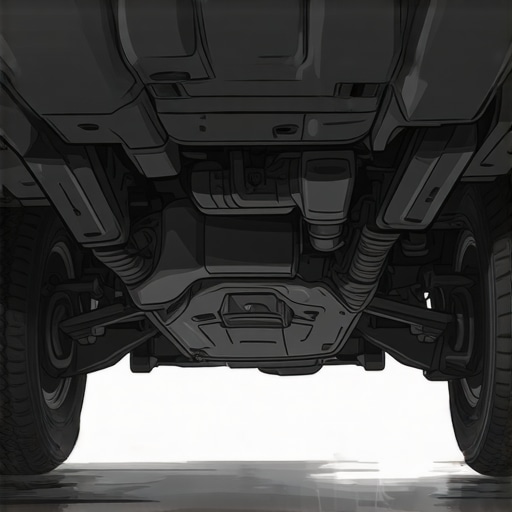
Locate the transmission pan beneath your vehicle, referencing your owner’s manual or trusted guides like this resource for guidance. Loosen the pan bolts gradually to allow old fluid to escape into your catch basin. During my last project, I carefully loosened the bolts in a crisscross pattern, reducing the risk of damaging the pan gasket. Be prepared for a mess—having rags and extra safety measures helps manage spilled fluid.
Change the Filter for a Fresh Start
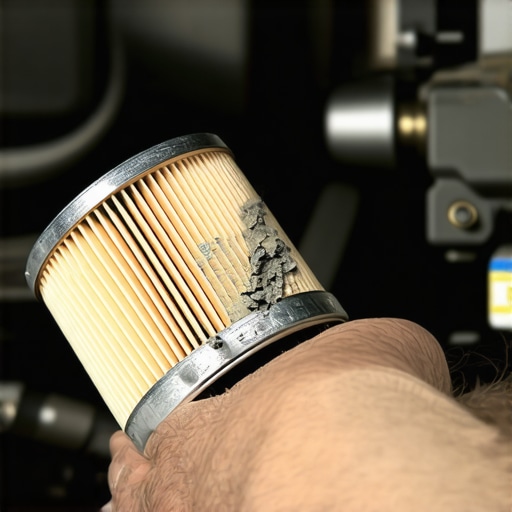
Once the pan is down, remove the old filter. Compare it with the new one to ensure compatibility. Installing a new filter is like replacing a clogged artery; it restores proper flow and prevents debris from circulating. Carefully fit the new filter into place, then clean the pan and gasket surfaces thoroughly before reassembly, ensuring a tight seal to prevent leaks.
Refill with Fresh Transmission Fluid
Refilling requires precise measurement. Use a funnel to add the specified amount of new fluid—check your vehicle’s manual or consult a professional. As I experienced when I last did this, pouring slowly prevents overfilling. Replace the pan bolts in a crisscross pattern and snug them to manufacturer torque specifications. This step is critical for preventing leaks and ensuring optimal performance.
Check for Proper Operation
Start the engine and allow it to reach normal operating temperature. Shift through all gears slowly, holding each position briefly. Then, check the transmission fluid level with the dipstick or built-in sight glass, topping up if necessary. I learned that failing to verify levels can lead to misdiagnosed shifting issues later. This step verifies your work and ensures your transmission operates smoothly.
Test Drive and Final Inspection
Take your vehicle for a short drive, monitoring for unusual noises or shifting irregularities. Park, recheck fluid levels, and inspect underneath for leaks. A thorough check here prevents future surprises. Document the service for your records, ensuring maintenance history aligns with ASE recommendations. Regular inspections like this extend your transmission’s lifespan, hinting at better driving confidence over time.
Remember, if you’re unsure about any step, consulting a professional or referring to trusted resources such as transmission troubleshooting guides can save you time and prevent costly mistakes. Proper maintenance isn’t a chore; it’s a passion for responsible automotive care that keeps your vehicle running at its best.
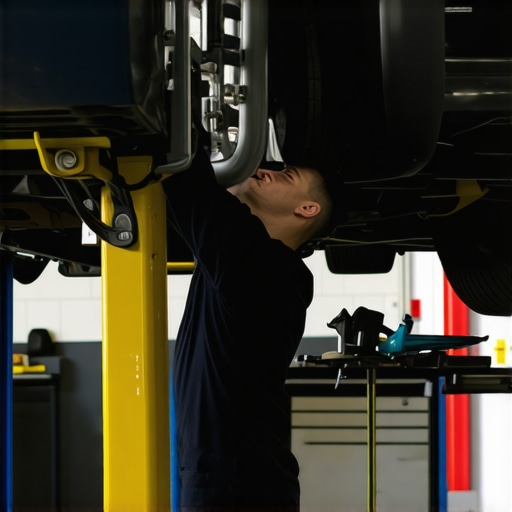 Many drivers believe they understand vehicle maintenance, but in reality, there are nuanced misconceptions that can lead to costly mistakes. For instance, a pervasive myth suggests that changing your transmission fluid is unnecessary beyond factory recommendations. However, advanced studies indicate that even with resilient synthetic fluids, contaminants and wear particles accumulate over time, making periodic exchanges essential to prevent transmission slippage and preserve shifting smoothness. This is especially true for high-mileage vehicles, where neglect can lead to early failure. Moreover, many assume that ASE certification guarantees flawless service. While ASE certification signifies a technician’s competence, it doesn’t automatically mean your mechanic will use the best practices or prioritize preventive care. It’s vital to ask specific questions about your service, such as the type of transmission fluid used or whether they perform comprehensive diagnostics. One trap to avoid is sticking to the lowest-price option; cheaper services often cut corners, risking long-term damage. For example, untrained personnel might over-tighten oil filters, causing leaks or strip threads, or fail to reset service lights correctly, leading you to miss vital maintenance. Advanced vehicle systems also require nuanced care; a minor oversight like neglecting to torque your oil drain plug properly can result in gasket failure and oil leaks. To deepen your understanding, review expert insights from ASE-certified technicians, who advocate for detailed, manufacturer-specific procedures rather than one-size-fits-all approaches. Remember, proper maintenance is a blend of technical knowledge and attention to detail. Have you ever fallen into this trap? Let me know in the comments and share your experiences.
Investing in the Right Equipment Ensures Lasting Results
When it comes to maintaining your vehicle, having precision tools tailored for specific tasks makes all the difference. Personally, I rely on a high-quality digital multimeter, such as the Fluke 117, which provides accurate readings of your engine’s electrical components. It’s essential not just for diagnosing battery or alternator issues but also for verifying sensor functionality, ensuring your vehicle’s systems operate at peak performance. Additionally, I recommend a mechanical pouch set with metric and SAE sockets, especially for transmission service. My trusted set from GearWrench allows for precise torque application, reducing the risk of over-tightening critical components like drain plugs, which can lead to leaks or gasket failures.
Mastering Fluid Management with Proper Software and Techniques
Managing your vehicle’s fluids isn’t just about pouring in the right amount; utilizing advanced diagnostic tools like OBD-II scanners enhances accuracy and diagnostics. I prefer the BlueDriver scanner, which connects wirelessly to my smartphone, providing real-time data and fault code insights. This allows me to monitor transmission temperature, fluid quality, and sensor health, helping me catch potential issues early. Combining digital diagnostics with manual checks—like inspecting transmission fluid color and odor—gives a comprehensive picture of your long-term health. As technology advances, incorporating these tools into your routine can help maintain your vehicle more efficiently and avoid costly breakdowns.
Preparing for the Future of Vehicle Maintenance
Looking ahead, trend predictions suggest a move toward AI-driven diagnostic systems that can predict failures before they occur, especially in complex systems like transmissions. By integrating these future tools now, such as telemetric data from connected vehicles, enthusiasts and professionals can stay ahead of potential problems. Regularly updating your diagnostic software and learning about new sensor technologies will soon become standard practice, allowing for even more proactive maintenance. To stay ahead, subscribe to trusted automotive tech updates and consider enrolling in advanced ASE-certified training, which emphasizes diagnostics and emerging repair methods. The more you familiarize yourself with tools like scan adapters and software updates, the better you’ll be at catching issues early and ensuring consistent, smooth performance.
How do I maintain my vehicle over time without guessing?
The key to sustainable maintenance is combining meticulous tool use with consistent inspection routines. Scheduling regular diagnostic scans, staying informed about new tech, and using precise equipment streamlines your upkeep process. For instance, implementing a quarterly check with an advanced scanner can reveal slow-developing issues, reducing the need for emergency repairs. Remember, tools like the Fluke multimeter and BlueDriver are your frontline defenders against unexpected failures. As automotive technology progresses, embracing these innovations ensures your car remains reliable and safe for the long haul. Want to take your maintenance skills to the next level? Start practicing with an advanced diagnostic tool today—it’s an investment that pays off in peace of mind and savings.
What I Wish I Knew About Maintaining My Transmission
One of the most eye-opening lessons I learned was the importance of consistent transmission fluid exchanges early in my car ownership journey. Assuming it was an unnecessary expense almost cost me my entire transmission. If I had known then what I know now—namely, that regular maintenance saves thousands—I would have acted sooner. A key insight was realizing that even high-quality synthetic fluids degrade over time, and neglecting this fact can lead to premature failure. This experience taught me to prioritize preventative care over costly repairs, and I encourage every driver to adopt the same mindset.
Analyzing My Go-To Tools for Reliable Maintenance
Over the years, I’ve curated a toolkit that makes transmission maintenance manageable and precise. My favorite is the Fluke 117 multimeter, which helps verify electrical components related to transmission sensors and solenoids. Pairing that with a GearWrench socket set ensures I can torque drain plugs and filters correctly. These tools have become invaluable because they empower me to perform thorough inspections and maintenance with confidence. Investing in quality equipment has proven to be the best decision I made for my vehicle’s longevity and my peace of mind.
Keeping Learner’s Mindset for Future Innovation
Advancements in automotive technology mean that today’s ASE-certified technicians must stay adaptable and informed. I regularly follow trusted resources like this guide on transmission troubleshooting and forums discussing emerging diagnostic tools. Embracing new diagnostics software and sensor technology allows me to catch potential issues before they escalate, ensuring smoother shifts and fewer surprises. Continuous learning not only helps me maintain my vehicle effectively but also prepares me for the future of auto care, where AI diagnostics and smart sensors will become commonplace.
Fuel Your Drive with Meaningful Action
Understanding the true value of transmission maintenance has changed how I approach vehicle care. It’s no longer just about avoiding breakdowns; it’s about investing in my car’s health, safety, and performance. I want every driver to realize that proactive maintenance, backed by the right tools and a curious mind, is a game-changer. Don’t wait for warning signs—start your maintenance routine today and witness the difference it makes. How have your maintenance habits evolved over time? Share your story below and let’s learn from each other.