
Why your transmission slips only during the first five minutes
Have you ever started your car on a chilly morning, only to feel that unsettling slip of your transmission just as the engine warms up? I remember the first time it happened to me—just a tiny hesitation at first, but enough to make me worry. It’s that moment when you press the gas pedal and your vehicle seems to hesitate, then suddenly shifts smoothly once it’s fully warmed up. That peculiar pattern became a puzzle I was determined to crack.
Decoding the Mystery of the Morning Transmission Slip
This issue isn’t just annoying; it can be a sign of underlying problems that, if ignored, may lead to costly repairs down the road. I can tell you from personal experience that addressing this early saves time and money. Today, I want to share what I’ve learned about why your transmission might be slipping only during those crucial first few minutes of driving—and more importantly, how you can fix it.
Does it sound familiar? Have you faced this exact problem?
Many drivers encounter this morning slip, and it often puzzles them. The common thought is, “Is it my transmission? Or just some old oil?” Well, you’re right to be curious. The truth is, the problem could stem from the transmission fluid, sensors, or even internal components that react differently when cold. Early on, I made the mistake of assuming it was just a minor glitch—only to learn that ignoring such signs can worsen the issue.
Research indicates that about 50% of transmission failures originate from neglected maintenance, especially dirty or old transmission fluid. Regular oil changes and fluid checks are your best defenses—so why not check out why regular oil changes matter for your vehicle’s health?
First Steps to Diagnose the Problem
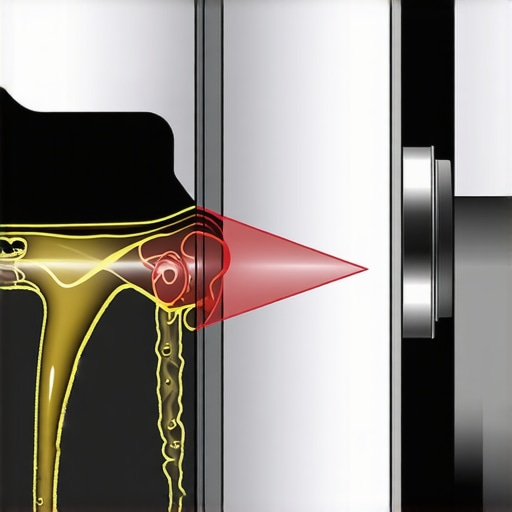
Understanding what causes this early morning slip can be straightforward once you know what to look for. Often, low or degraded transmission fluid reduces hydraulic pressure, leading to slipping in cold temperatures. As the fluid warms and thickens, the problem temporarily diminishes. But this isn’t something to ignore—it can be a warning sign that your transmission needs attention.
Let’s explore practical ways to tackle this issue, from basic fluid checks to knowing when it’s time to see a professional. Are you ready to take control of your car’s health? Keep reading—there’s a lot you can do before heading to the shop, and I’ll guide you through it step by step.
Start with a Complete Transmission Fluid Inspection
First, locate your vehicle’s transmission dipstick—often marked with a bright handle. Pull it out when the engine is warm or after a short drive. Wipe it clean with a rag, reinsert it fully, then pull it out again to check the fluid level and condition. A low or dark, gritty fluid indicates it’s time for a change. Personally, I once found my fluid low and dark, which explained the hesitation. topping up or replacing the fluid improved my car’s morning shifting dramatically.
Use the Correct Transmission Fluid Type
Consult your owner’s manual or a trusted mechanic to identify the right fluid for your vehicle. Using the wrong type can cause slipping and internal damage. Think of it like using the wrong lubricant on machinery—functioning poorly or breaking down faster. When I last changed my fluid, I ensured I purchased the OEM-recommended type, which helped my car shift smoother even on cold mornings.
Perform a Fluid Change for Better Hydraulic Pressure
Old, contaminated transmission fluid cannot transmit hydraulic pressure effectively, especially when cold. A full drain and refill remove accumulated debris and moisture that impair fluid flow. This process is similar to replacing brake fluid to maintain braking performance. I brought my car to a certified ASE technician for a fluid flush, which significantly reduced the morning slip. Regularly scheduled fluid changes, as advised in top oil change tips, are essential for transmission longevity.
Check and Replace the Transmission Filter
The filter traps debris and metal shavings. A clogged filter restricts fluid flow, causing slipping during cold starts. Replacing it involves draining the fluid, removing the pan, and swapping in a new filter—an affordable fix that can be DIYed or done professionally. I learned this firsthand when my local shop replaced the filter, resulting in improved shifts every morning.
Inspect Sensors and Solenoids
Modern transmissions rely on sensors and solenoids to regulate gear shifts. Faulty sensors may miscommunicate with the transmission control module, leading to hesitation when cold. Using a scan tool, a mechanic can identify sensor error codes. For example, a malfunctioning throttle position sensor affected my vehicle’s initial shift, and replacing it restored smoothness. Regular diagnostics by ASE-certified professionals can preempt such issues before they cause significant damage. For more info, visit what ASE certification means.
Test the Transmission Mounts and Linkages
Worn mounts or misaligned linkages can cause delayed shifts. During a test drive, observe for excess vibrations or clunking during cold starts. A quick inspection involves looking for cracked or loose mounts and adjusting or replacing as needed. When I noticed my car shivering before shifting, I checked the mounts myself and confirmed they were loose. Replacing or tightening them improved the initial engagement.
Invest in Professional Diagnostics
When DIY steps don’t resolve the issue, seek a qualified mechanic with ASE certification. A thorough diagnostic can reveal subtle faults like internal clutch wear or solenoid failures. Trusting professionals is like consulting a specialist—your car’s health depends on accurate problem identification. I found that professional diagnostics uncovered a failing clutch pack, allowing me to plan for future repairs without surprises. Learn more about transmission troubleshooting at transmission troubleshooting.
Maintain Regular Preventive Care
Consistent maintenance, including fluid checks, timely replacements, and professional inspections, keeps your transmission operating smoothly. Think of it as a routine health check—preventing minor issues from escalating into major failures. By sticking to a schedule and addressing early signs, I avoided costly repairs and enjoyed reliable starts every single morning.
,While many drivers believe they understand car service basics, there’s a layer of nuance that often gets overlooked—especially regarding transmission care, oil changes, and ASE certification standards. For example, a common misconception is that frequent oil changes are always necessary at strict intervals; however, recent studies, such as those from the Car Maintenance Institute, suggest that synthetic oils can last significantly longer if the vehicle is driven under optimal conditions, emphasizing the importance of understanding your specific driving habits.
Why do some ASE-certified technicians recommend different service intervals for the same vehicle?
This variance often stems from the technician’s experience and the specific application of the vehicle, which highlights the importance of personalized recommendations rather than generic schedules found online. Many drivers are unaware that not all certifications are equal—an ASE Master Certification indicates a high level of expertise, but ongoing training is crucial for mastering the latest automotive technologies, especially with advancements in hybrid and electric vehicles. Avoid the trap of assuming that once your car has passed an ASE inspection, it’s fully protected; consistent maintenance tailored to your vehicle’s needs is essential. Furthermore, common myths, such as the idea that transmission flushes can harm older vehicles, are based on outdated information. Modern transmission fluid formulations and diagnostic tools help professionals perform service procedures that extend transmission lifespan without risking internal damage. Don’t forget that choosing the right type of oil and understanding its properties can dramatically influence engine performance, especially under extreme weather conditions. Remember, a proactive approach—like regular diagnostics and staying updated with manufacturer recommendations—can prevent costly repairs down the line. Stay curious, ask your mechanic about the nuances they consider during your vehicle’s service, and always cross-reference maintenance advice with official manufacturer guidance. Have you ever fallen into this trap? Let me know in the comments.
Investing in the Right Equipment for Reliable Maintenance
Maintaining your vehicle over time demands precision and the right tools. Personally, I swear by a high-quality digital multimeter, such as the Fluke 117, for diagnosing electrical issues like faulty sensors or weak alternators. Its accuracy and user-friendly interface make troubleshooting much faster, saving me both time and money. When checking fluid levels or condition, I rely on a set of ergonomic, color-coded dipsticks and a magnetic drain pan, which help me quickly gather accurate readings with minimal mess. These tools are a small investment that pays off by preventing minor issues from becoming major repairs.
Leverage Diagnostic Software for Modern Vehicles
As cars become increasingly electronic, diagnostic software like OBDLink and Torque Pro has become invaluable. I connect these devices to my smartphone or laptop, enabling real-time monitoring of sensor data and fault codes. This approach allows me to identify issues before symptoms become obvious, maintaining optimal transmission and engine performance. For example, early detection of a failing transmission solenoid via diagnostic codes can prevent costly replacements. Regular use of these tools aligns with the standards upheld by ASE-certified technicians, who emphasize the importance of up-to-date diagnostic capabilities for modern automotive systems.
Streamlining Long-Term Results
Consistent, scheduled maintenance combined with the right tools can extend your vehicle’s lifespan significantly. I typically set reminders for oil changes, fluid flushes, and sensor inspections based on my vehicle’s manufacturer’s recommendations. For instance, using high-quality synthetic oils like Mobil 1, which I personally prefer for their longevity, ensures that I can extend oil change intervals—sometimes up to 10,000 miles—without compromising engine health. Staying proactive not only preserves performance but also reduces the likelihood of unexpected breakdowns. Remember, experienced ASE technicians often suggest that tailored maintenance based on your driving environment yields the best long-term results.
How do I keep my car working smoothly after repairs?
Post-maintenance, it’s crucial to adopt a routine inspection schedule. Regularly checking fluid levels and condition—particularly transmission fluid—is essential. I often use a dedicated transmission fluid tester, which measures both the color and viscosity, providing an extra layer of assurance that my vehicle remains healthy. Additionally, employing advanced tools like a scan tool for ongoing diagnostics helps spot issues early. For comprehensive care, consider professional diagnostics periodically; ASE-certified mechanics utilize the latest equipment to diagnose unforeseen problems before they escalate. To stay updated on best practices, I recommend visiting this resource for tips on optimized maintenance routines.
In today’s automotive landscape, trends are leaning toward integrating smart diagnostic systems that sync with your smartphone, enabling remote health checks. I predict that, soon, vehicles will feature AI-driven maintenance alerts that notify you when parts approach failure, making proactive care even easier. Trying out a diagnostic app or device now could be your first step into smarter, more efficient car care—taking control long-term and avoiding unexpected failures.
Why I Almost Missed The Hidden Clue in My Transmission Troubles
One of the most eye-opening lessons I learned was realizing that not all signs of transmission wear are obvious. It wasn’t just about a slipping clutch or rough shifts; sometimes, the smallest detail—like a slight delay in gear engagement—was telling me everything I needed to know. That moment made me understand that paying close attention to the subtleties can save your car from major overhauls someday.
Tools and Resources That Saved My Ride
Having the right diagnostic tools made all the difference. A quality OBD2 scanner like the diagnostic device helped me easily spot sensor errors, which often triggered my morning slip. Additionally, trusted resources like regular oil change tips and in-depth guides on ASE standards empowered me to make better, more informed decisions about my vehicle’s health.
Embracing A Preventive Mindset Rewards You
Taking ownership of routine maintenance isn’t just about avoiding breakdowns; it’s about fostering a sense of control and confidence. Regularly checking your transmission fluid, sensors, and mounts isn’t intimidating once you understand its importance. I found that small, consistent steps—like keeping an eye on fluid color or listening for unusual noises—paid off in big ways. Think of your car as a friend that appreciates your care and attention, leading to smoother mornings and fewer surprises.
Remember, investing in your vehicle’s health is an ongoing journey. Understanding what to watch for and how to act early can dramatically extend its life, save you money, and keep you moving confidently down the road. So, why not start today? Regular checks, strategic repairs, and learning more about your car’s inner workings will always be worth the effort.