How to Diagnose a Bad Transmission Mount Without a Lift
There was that moment during my last oil change when I revved up the engine, and suddenly, my car shuddered like a worn-out roller coaster. Shocked, I thought, ‘Could this be my transmission acting up?’ It wasn’t until I did a bit of digging that I realized the mounting points, especially the transmission mount, might be to blame. That lightbulb moment changed everything—and I’m here to share what I learned so you won’t have to guess or shell out big bucks unnecessarily.
Why Knowing How to Spot a Bad Transmission Mount Matters
Many car owners overlook the importance of transmission mounts until they start experiencing jerks, vibrations, or strange noises. These mounts are crucial—they hold your transmission in place and absorb engine vibrations. When they go bad, your car’s performance can deteriorate, and repairs can become expensive. But here’s the good news: you don’t need a fancy lift or professional tools to get a decent idea of whether your transmission mount is acting up. Early diagnosis can save your engine and your wallet.
Is Checking Without a Lift Really Effective?
Absolutely. I used to think only a mechanic with a hydraulic lift could do the job. Turns out, a bit of patience and the right approach suffice. Early on, I made the mistake of ignoring small vibrations and assuming they’d go away. Spoiler: they rarely do. Experts, like the team at AutoFix Clinic, agree that a hands-on inspection from the ground can reveal a lot. Sometimes, you just need to get under your car enough to see and feel for those telltale signs.
If you’ve ever felt unsettling clunks, experienced odd movements during acceleration, or noticed your vehicle rocking more than usual, that might be your transmission mount talking. Keep in mind, random clunks aren’t always as obvious as they sound—sometimes, subtle vibrations tell the real story. And the best part? You can start diagnosing these issues yourself before heading to a shop.
In the following sections, I’ll walk you through simple, practical steps to check your transmission mount without a lift and help determine if it’s time for a replacement. This way, you’ll have a better grasp of what’s going on under your car and avoid unnecessary repairs.
Get Under Your Car Safely and Locate the Transmission Mount
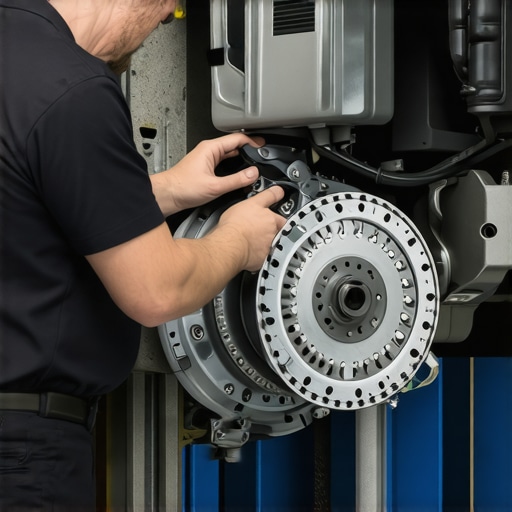
First, park your vehicle on a flat surface, engage the parking brake, and ensure the engine is off and cool. Use wheel chocks for added safety. Use a sturdy jack and jack stands to elevate the front or rear of the car, depending on your vehicle’s configuration. Once secure, crawl underneath and locate the transmission mount—typically a rubber or polyurethane block connecting the transmission to the chassis. As I did during my last DIY check, make sure you have adequate lighting and wear gloves for grip and protection.
Inspect for Visible Damage and Movement
Look for cracks, tears, or broken pieces in the rubber. Use your hand (carefully) to gently wiggle the transmission near the mount. If it moves excessively or there’s noticeable play, the mount might be compromised. I discovered a slightly cracked rubber during my inspection, which explained some of the vibrations I felt. Remember, even small cracks can lead to significant vibrations and noise over time.
Test for Unusual Vibrations During Engine Start and Idle
With the engine running, observe how the transmission and mount respond. If you notice excessive engine vibrations felt inside the cabin or the transmission shifting more than usual, these might be signs of a failing mount. Be cautious—avoid placing your face directly in front of moving parts. When I performed this test, I kept in mind that worn mounts often result in a
While many car owners believe that simple oil changes or routine services are straightforward, there’s a wealth of nuanced understanding that often gets overlooked. One widespread myth is that all oils are created equal; in reality, the choice between synthetic and conventional oils, and understanding their specific properties, can significantly influence engine longevity. For instance, synthetic oils provide better oxidation resistance and thermal stability, making them more suitable for high-mileage or performance vehicles—a detail that even some seasoned owners miss (source).
Why Do Many Trust Low-Cost Maintenance Over Certified Expertise?
A common trap is opting for cheap, quick fixes instead of qualified, ASE-certified professionals. It’s tempting to save a few bucks, but this often leads to overlooking critical nuances in diagnostics, especially with complex systems like transmissions. ASE certification ensures that technicians possess comprehensive knowledge, which is why learning about the significance of ASE certifications can help you make smarter choices for your vehicle’s health. Skimping here might result in future failures that are complex and costly to repair—a true hidden expense most underestimate.
Are Regular Oil Changes Really All You Need?
Many assume that oil change intervals are purely a matter of mileage or time. However, advanced factors such as driving habits, climate, and engine condition play pivotal roles. For example, frequent short trips can cause incomplete oil circulation, leading to sludge buildup, which standard oil change schedules might not address adequately. Expert advice suggests considering inspection and fluid analysis for high-performance or aging engines—something you won’t get from just following the traditional 3,000- or 5,000-mile rule. Check out the latest tips on oil change best practices for 2025.
How to Tell When Transmission Fluid Needs More Than a Simple Flush
Many believe adding transmission fluid or performing a basic flush is sufficient to maintain transmission health. Yet, advanced wear can develop internally, and the difference between a simple drain and a full transmission flush can be the key to avoiding future slippage or failure. Darker fluid with a burnt smell might seem run-of-the-mill, but it often indicates internal damage that warrants professional diagnosis. Understanding these subtleties can save your transmission from premature failure—another hidden trap many fall into.
By recognizing these nuances—such as the importance of choosing the right oil, relying on certified mechanics, and understanding when routine maintenance becomes complex—you make informed decisions that extend your vehicle’s lifespan. Remember, vehicle maintenance isn’t just about following the manual but about understanding the underlying systems and their intricacies. Stay sharp, question assumptions, and don’t hesitate to seek expert advice if something feels off. Have you ever fallen into this trap? Let me know in the comments.
,Keeping your vehicle in top shape over the years requires more than routine oil changes. Investing in high-quality tools and adopting precise maintenance practices can extend your car’s lifespan and ensure safety on the road. I personally recommend a digital torque wrench like the **GearWrench Electronic Torque Wrench**, which offers accurate, repeatable readings—crucial when tightening critical components like transmission mounts or engine components. Unlike manual torque wrenches, its digital display prevents under- or over-tightening, effectively avoiding damage and ensuring proper assembly.
For diagnostics, a reliable OBD-II scanner such as the **BlueDriver Bluetooth Professional Scanner** is a game-changer. It connects seamlessly with my smartphone, providing in-depth error codes and live data to monitor system health over time. This proactive approach helps catch issues like faulty sensors or fluid degradation before they escalate, saving both money and stress.
When checking fluid quality, I use a **fluid test kit** similar to the **LiquiMoly Oil Test Kit**, which includes test strips and a simple color chart. It allows me to assess engine and transmission oil condition without expensive lab tests. Regular testing—every 10,000 miles or in accordance with your vehicle’s manual—can reveal early signs of wear, such as emulsified oil or abnormal viscosity.
Scaling your maintenance routine becomes essential as your vehicle ages. Keeping detailed logs—either on a dedicated app or a physical notebook—helps track oil change intervals, fluid tests, and part replacements. Automation tools like **Fleetio** can sync with your vehicle’s systems, providing reminders and diagnostics reports at a glance.
Looking ahead, the trend is moving towards integrated IoT-based maintenance solutions, where sensors continuously monitor vital components and predict failures predictively. Embracing this technology can minimize unexpected breakdowns and optimize maintenance schedules.
Ever wondered how to maintain your transmission over time? Regularly using a **professional-grade transmission fluid tester**, like the **Black Bear D&T Transmission Fluid Tester**, gives you quick insights into fluid condition without costly tests. This simple step is invaluable for early detection of internal wear, which could otherwise lead to costly repairs.
Don’t wait until a warning light appears. Incorporate a high-accuracy torque wrench and diagnostic scanner into your routine—as I did—and experience smoother, safer drives consistent long-term performance. For personalized advice or help selecting the right tools for your vehicle, consider reaching out through our **contact us** page.
Lessons That Changed My Approach to Car Maintenance
- Never underestimate the subtle signs of a failing transmission mount; they can save you from costly repairs if caught early.
- DIY inspections are more accessible than I believed—proper safety precautions and patience go a long way in diagnosing issues.
- Trusting certified professionals and understanding their insights helped me avoid quick fixes that only masked problems.
- Regularly monitoring transmission fluid condition can reveal internal wear that even the best mechanic can’t catch during a quick check.
Tools That Empower My Car Care Routine
My go-to toolkit now includes the ASE-certified mechanic’s insights to understand the nuances of vehicle maintenance, ensuring I make informed decisions. A reliable oil analysis kit helps me catch early signs of oil degradation, extending my engine’s life. For diagnostics, the professional-grade transmission fluid tester provides peace of mind, preventing surprises on the road. With these tools, I stay proactive and keep my vehicle running smoothly.
Embrace the Drive and Keep Learning
Maintaining your vehicle, especially things like transmission mounts, isn’t just about fixing problems—it’s about understanding your car’s story and taking control of its health. Every small check, every upgrade to better tools, builds confidence and keeps you a step ahead of potential issues. Remember, knowledge is fuel for your journey—don’t be afraid to learn and act. Have you ever caught a small issue before it turned into a big repair? Share your experience below, and let’s grow together in our car care journey.
,