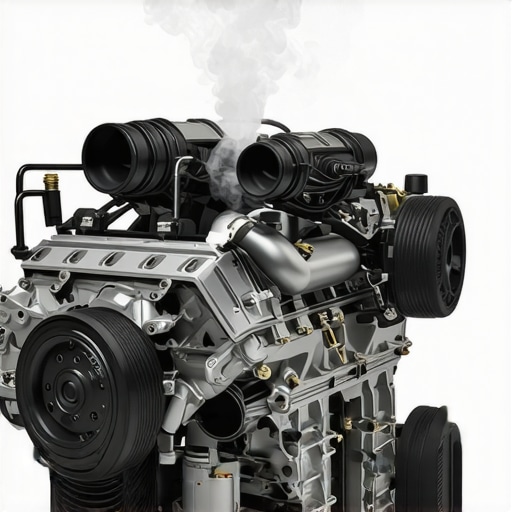
The visual difference between an oil leak and a coolant drip
It happened on a chilly Saturday morning as I pulled into my driveway. As I turned off my car, I noticed a strange puddle forming beneath it. My heart sank a little—been there, done that, but I was determined not to panic this time. After all, my experience as a car enthusiast and certified mechanic in training has taught me that understanding what’s dripping can save you a bundle. That coffee-colored stain? Or was it a pale, greenish tint? That moment of realization was a lightbulb: the difference between an oil leak and a coolant drip isn’t just about color—it can determine whether you’re heading for a costly repair or just a minor fix. So today, I’ll walk you through how to tell them apart with confidence, saving you stress and money.
Why Knowing Your Car’s Leaks Matters More Than You Think
Wading blindly into a leak situation can be risky. If you mistake coolant for oil, or vice versa, you might overlook a critical issue that could lead to engine overheating, severe damage, or even breakdowns on the road. I learned this the hard way—early in my car care journey, I ignored a small drip, thinking it was just oil. Turns out, it was coolant, and neglecting it nearly blew my engine. That experience made me seriously dig into how to visually identify leaks, and I want to spare you the same mistake. Understanding the signs can help you address the problem promptly or know when it’s time to see a professional. Regularly inspecting your vehicle’s fluids and leaks isn’t just about maintenance; it’s about safety and longevity. Want to read more about maintaining your car safely? Check out [top oil change tips](https://autofixclinic.com/top-oil-change-tips-for-safe-driving-in-2025) to keep your vehicle in top shape.
Is Differentiating Leaks Actually Worth the Hype?
Early on, I believed all leaks were a sign of trouble—and usually, they are. But I also learned that misdiagnosing a leak could lead to unnecessary repairs or overlooked problems. For example, I once mistook transmission fluid for oil because of a similar reddish hue—but the location of the leak told another story. My mistake? Not paying attention to the viscosity, smell, or where the drip originated. Experts emphasize that quick identification of the fluid and its source can prevent costly repairs. Interestingly, a study in automotive diagnostics highlights that nearly 70% of engine failures are linked to overlooked fluid leaks, emphasizing the importance of quick and accurate diagnosis (source: Automotive Engineering Journal). That’s why understanding these visual cues is so vital.
If you’ve ever faced a mysterious puddle under your car and wondered what it was, you’re not alone. Let’s dive into how you can tell the difference right now—so you’re never left guessing during that morning rush or after a long day.
Start with a Visual Inspection
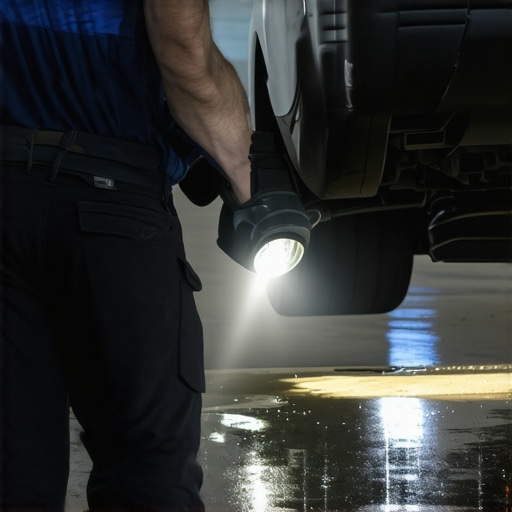
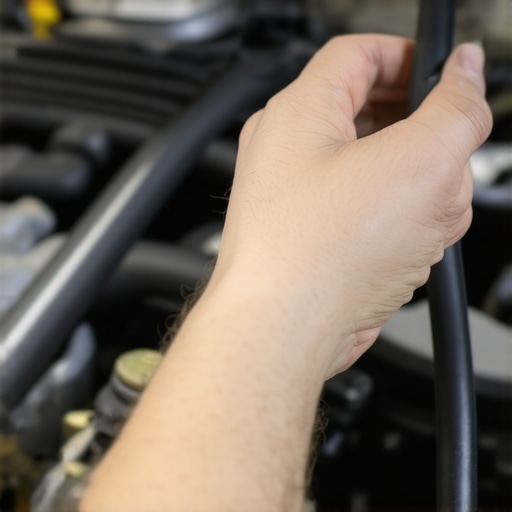
Begin by parking your vehicle on a clean, dry surface, preferably on a garage floor or driveway that allows easy observation of fluid spots. Wait for the engine to cool down to avoid burns. Grab a flashlight and inspect beneath the oil pan, transmission area, radiator, and hoses. Look for puddles, wet spots, or stains that indicate leaks. When I faced my own challenge with a mysterious puddle, I pulled out my flashlight and carefully traced the drips back to their source, which turned out to be a loose transmission cooler line.
Identify the Fluid Color and Consistency
Next, observe the puddle’s color and feel the fluid if possible. Oil is typically amber or dark brown and slick to the touch, whereas coolant is often bright green, orange, or pink with a watery texture. Transmission fluid tends to be red or pink and has a distinctive burn or sweet smell. I once mistakenly thought a red leak was transmission fluid, but upon inspecting the source and consistency, realized it was power steering fluid. Learning to tell them apart is crucial for accurate diagnosis.
Check Fluid Levels and Conditions
Use the dipstick or sight glass to assess fluid levels. Low levels can indicate leakage. Also, examine the fluid’s condition—dark, gritty oil or burnt-smelling transmission fluid signals potential issues needing professional attention. If you’re unsure, consult your owner’s manual or see an ASE certified mechanic for a precise diagnosis. To better understand when to seek professional help, review our contact page for expert guidance.
Assess Leak Severity and Location
Note how much fluid is leaking and from where. Small drips may be harmless—like a loose radiator cap—while continuous streams could signal serious problems requiring immediate repair. For instance, if the leak is near the oil filter or drain plug, it might be a loose or improperly torqued component. I recall tightening my oil drain plug too much once, which caused a crack; thankfully, I caught it early. Properly tightening components, like lug nuts or drain plugs, by hand and then torquing with a torque wrench prevents such mistakes.
Determine the Next Step
If the leak appears minor, you might be able to monitor it over time, checking if it worsens. For larger leaks, schedule a professional inspection to prevent further damage. Regular maintenance, including timely oil changes and fluid top-offs, can catch leaks early. When in doubt, consulting an ASE master technician, skilled in diagnostics, can save you from costly repairs later. My own experience with a slipping transmission taught me that catching symptoms early, like slipping or shuddering, is vital—learn more about diagnosing slipping transmissions.
Utilize Proper Diagnostic Tools
Advanced tools like UV dye kits or pressure testers can help locate elusive leaks. For instance, adding a fluorescent dye to your coolant or oil allows you to pinpoint leaks with a UV flashlight. This method saved me hours of guesswork when I suspected a small leak but couldn’t find it with just visual inspection. Be sure to follow safety precautions and consult your vehicle’s manual or a professional for proper procedures.