The risk of ignoring that faint gas smell in your garage
It was late one evening when I caught a whiff of something odd coming from my garage. At first, I thought it was just my imagination. But as the smell persisted, growing a little stronger each day, I realized I was staring down a potentially serious problem. That faint, almost invisible gas scent was a warning sign I desperately needed to heed, yet I had been ignoring it out of convenience. It’s a mistake many car owners make—just dismissing that subtle odor as nothing urgent.
Why Ignoring a Gas Smell Can Cost You Dearly
Understanding the risks linked to this tiny scent can be life-saving. A gas smell generally indicates a leak or an inefficiently functioning component in your vehicle or home’s fuel system. Left unnoticed, these leaks can lead to dangerous situations like fires or even explosions. Not to mention, leaking fuel isn’t just hazardous; it’s harmful to the environment and can cause costly repairs down the line.
In my own experience, I once ignored a small smell in my garage, thinking it was just residual fumes. It wasn’t until I finally had a professional inspect it that I learned I had a minor fuel line crack. The fix was simple, but the damage could have been catastrophic if it hadn’t been caught early. Studies show that over 10,000 vehicle fires annually are fuel-related, often stemming from leaks or improper maintenance—a sobering statistic that underscores the importance of paying attention to our vehicles’ subtle hints. For more details, you can check out [this comprehensive guide](https://autofixclinic.com/why-regular-oil-changes-extend-your-cars-lifespan).
Have you ever smelled fuel and brushed it off, only to find out later it was more serious than you thought? If so, you’re not alone. But today, I want to help you avoid the same mistake I made, so you can keep both your family safe and your wallet intact.
Is This Risk Overhyped, or Is It Really Worth Worrying About?
When I first started noticing the gas scent, I thought a little airing out would do the trick. Honestly, I underestimated how risky this quiet warning sign was. Many people dismiss it because they assume it’s just normal car fumes or minor odor. Early on, I fell into that trap, assuming that a quick check was enough. But I learned that even small leaks can escalate quickly if ignored. This mistake—making assumptions instead of seeking expert advice—is common among car owners. Learning to recognize genuine warning signs and acting promptly is key to avoiding bigger problems, like mufflers or fuel lines causing dangerous leaks. If you want to get a clearer picture of maintenance practices, check out [why-regular-oil-changes-add-years-to-your-car](https://autofixclinic.com/why-regular-oil-changes-extend-your-cars-lifespan) for some practical tips.
Start With a Visual Inspection
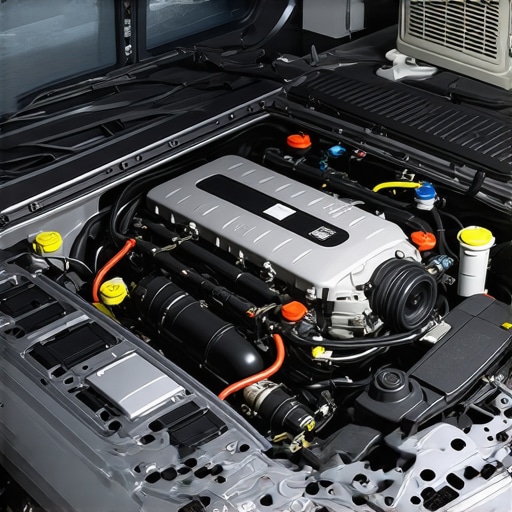
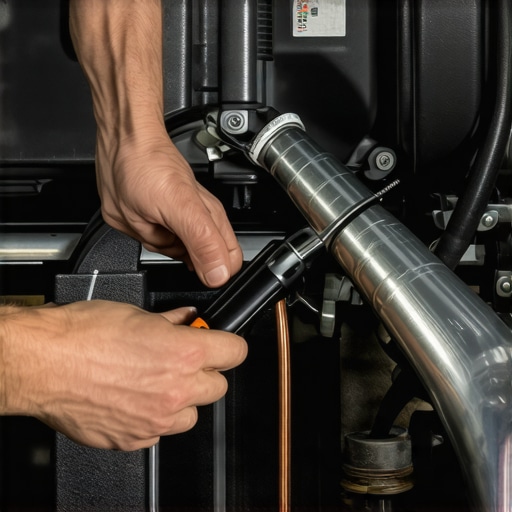
Pull your vehicle into a well-ventilated area and turn off the engine. Open the hood and check for any visible signs of fuel leaks, like wet spots or stains around fuel lines, injectors, or the fuel tank. Use a flashlight to see into tight spaces. Remember, a small drip today can become a dangerous fire hazard tomorrow. Apply a soap solution to suspect areas and look for bubbling, indicating escaping gas. This simple test can save lives.
Listen for Unusual Sounds
Start the engine and listen closely for hissing or whistling noises, especially near the fuel system components. These sounds often point to leaks or loose fittings. Take note of where the sound originates. Sometimes, a small crack in a hose or fitting makes a subtle noise that, if ignored, can lead to major problems.
Use a Vapor Detector or Soapy Water
If you suspect a leak but can’t see it, consider using a commercial vapor detector designed for automotive fuel systems. Alternatively, spray soapy water over suspect areas while the engine is running. Bubbles will form at the leak site if escaping gas is present. This method worked well when I noticed a faint smell in my garage; after spraying and observing bubbles forming on a hose clamp, I knew exactly where the leak was and replaced the faulty clamp myself, avoiding a potential catastrophe.
Check Fuel Pressure and Lines
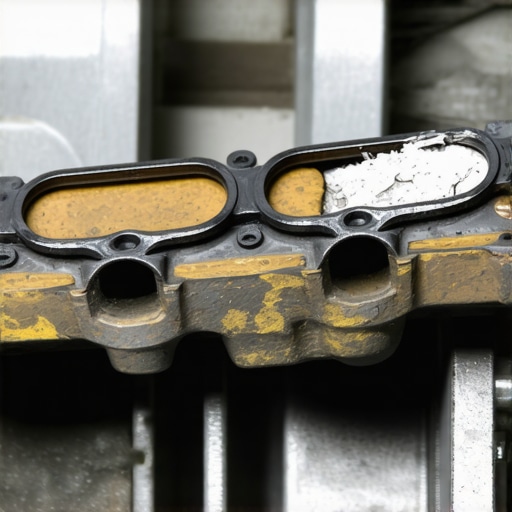
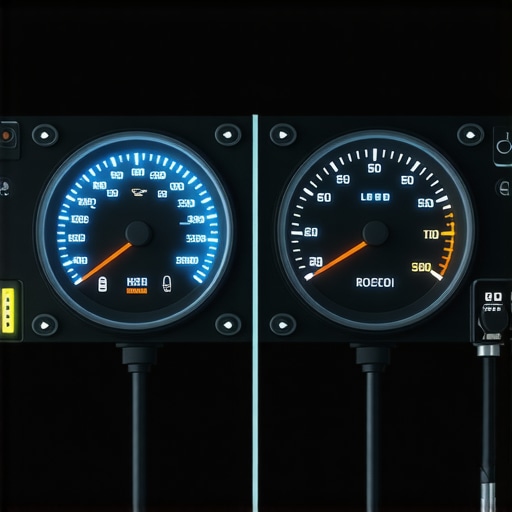
Attach a fuel pressure gauge to the Schrader valve on the fuel rail. Compare the readings to the specifications for your vehicle model. A lower-than-recommended pressure suggests a leak or a failing fuel pump. Disconnect the fuel lines carefully to inspect for cracks or corrosion. Be sure to replace any damaged sections with OEM parts to ensure a proper fit and seal, preventing future leaks.
Schedule Professional Diagnostics
If your DIY checks don’t reveal the problem or if you’re uncomfortable working with fuel systems, schedule a routine inspection with a certified mechanic. A trained ASE professional has advanced tools to pinpoint leaks accurately. During the inspection, ask if they perform a smoke test—injecting a safe, visible vapor into the system to locate leaks precisely. These thorough diagnostics are essential for maintaining safety and vehicle longevity, especially because a small leak can cause a fire or health hazards.
Prevent Future Leaks with Regular Maintenance
Adopt a proactive approach by scheduling regular engine and fuel system inspections—ideally when getting an oil change, as recommended [here](https://autofixclinic.com/why-regular-oil-changes-extend-your-cars-lifespan). Don’t wait for warning smells or engine performance issues. Pay attention to your vehicle’s warning signs, like decreased mileage or rough idling, which could indicate developing leaks. Replace aging hoses, clamps, and seals proactively before they fail, safeguarding your family and your wallet.
 Many car owners operate under a set of widely accepted beliefs about vehicle maintenance, but some of these are actually misconceptions that can lead to costly mistakes. One common myth is that all oil changes are the same, and choosing the cheapest option is sufficient. In reality, the quality of oil and the expertise of the technician play critical roles in prolonging your engine’s lifespan. For example, regular oil changes with synthetic oils, following manufacturer recommendations, can significantly reduce engine wear, as detailed in [top oil change tips](https://autofixclinic.com/top-oil-change-tips-for-safe-driving-in-2025). Similarly, many assume that transmission fluid doesn’t need regular replacement; however, neglecting this can lead to slipping or shuddering, especially in modern transmissions that demand precise fluid conditions. Learn more about transmission care in [transmission troubleshooting insights](https://autofixclinic.com/transmission-troubles-expert-insights-for-smooth-shifting). An often-overlooked nuance is that not all ASE certifications are equal—some may only cover basic engine diagnostics, while others signify advanced expertise in complex systems. To ensure you’re hiring a truly qualified technician, check their certification level and experience in your specific vehicle type, as explained at [what does ASE certification mean](https://autofixclinic.com/what-does-an-ase-certification-mean-for-your-cars-maintenance). A common trap is trusting a quick oil change at a budget lube shop without verifying if the technician checks other critical components like transmission or cooling systems. This oversight can lead to overlooked issues that escalate over time. Remember, preventive maintenance tailored to your vehicle’s unique needs—based on professional assessments—can save thousands in repairs. Don’t fall into the trap of thinking that maintenance is a one-size-fits-all task. Regular diagnostics, understanding the specific requirements of your car, and choosing certified professionals are key. For more tips on selecting the right service, see [choosing the right car service](https://autofixclinic.com/choosing-the-right-car-service-for-your-vehicles-needs).
Have you ever fallen into this trap? Let me know in the comments.
Investing in Quality Equipment for Long-Term Reliability
When it comes to maintaining your vehicle, having the right tools can make all the difference. I personally rely on a high-precision digital multimeter for diagnosing electrical issues, as it allows me to quickly identify faulty sensors or circuits that could cause transmission slippage or engine hesitation, as detailed in this guide. An infrared thermographic camera is another indispensable tool, helping me detect cooling system inefficiencies or overheating components early, preventing costly repairs.
For fluid checks, I use a flow meter specifically designed for oil and transmission fluids. It helps me assess fluid quality and flow rates, ensuring optimal lubrication and performance. Having these tools on hand means I can perform comprehensive diagnostics during routine maintenance visits, rather than waiting for symptoms to escalate. As technology advances, I predict more vehicle diagnostics will shift toward integrated software systems, making the role of advanced scanner tools even more critical.
Streamlining Maintenance with Smart Software Solutions
Beyond hardware, I recommend investing in diagnostic software compatible with your vehicle’s make and model. Modern cars communicate with specialized software that provides real-time alerts for issues like engine misfires or transmission anomalies. One example is the use of OEM-specific scan tools that can access manufacturer databases, providing precise troubleshooting data—something that independently certified ASE techs frequently leverage to expedite repairs and extend vehicle lifespan. For instance, the ASE certification ensures technicians are proficient in using these complex systems.
Maintaining Tools for Consistent Performance
To keep your diagnostic equipment functioning accurately over time, regular calibration is crucial. I schedule calibration sessions annually, especially for my multimeter and thermographic camera, to ensure readings remain precise. Proper storage also extends the lifespan of delicate instruments. Investing in a sturdy carrying case with humidity control can protect your tools from environmental damage. These small steps save money and improve diagnosis accuracy, ultimately benefiting your vehicle’s long-term health.
How do I maintain my car tools to keep them working reliably over time?
Consistent maintenance involves formal calibration, proper storage, and routine cleaning. For example, keeping the contacts of a multimeter free of dirt and corrosion ensures accurate voltage readings. Similarly, regularly updating your diagnostic software ensures compatibility with the latest vehicle models, preventing false positives or missed issues. By building a maintenance routine for your tools, you ensure they provide consistent, reliable diagnostics, helping you catch problems before they become major repairs. For additional tips on vehicle upgrades and maintenance strategies, check out this insightful article. Before I wrap up, I challenge you to try calibrating your multimeter this month—it’s a small step that can save you from big surprises on the road.
What I Wish I Knew Before Ignoring Small Gas Smells
Initially, I believed that a faint smell of fuel was insignificant, but it turned out to be a crucial warning sign. Trusting your instincts and addressing these subtle hints early can save lives and money. My biggest takeaway? Never dismiss any unusual odors around your vehicle—early detection prevents catastrophe.
How My Deep Dive Into Fuel Systems Changed My Approach
After researching extensively and consulting with ASE-certified technicians, I realized that DIY inspections are vital yet sometimes insufficient. Incorporating professional diagnostics, like smoke tests and precise fuel pressure measurements, can uncover hidden leaks that simple visual checks might miss. This insight empowers me to stay proactive and advocate for regular maintenance instead of reactive fixes.
Beyond the Basics: The Power of Proper Equipment and Skilled Technicians
Owning advanced diagnostic tools, such as vapor detectors and calibration devices, has transformed my maintenance routine. Paired with ASE certification, these resources ensure accurate assessments. I now see maintenance as an investment—combining quality tools with expert advice yields the best long-term results, reducing risks and extending vehicle longevity.
My Personal Revelation: Preventive Care is the Real Cost-Saver
Regularly scheduled inspections and early repairs don’t just protect your family—they also conserve your finances. Simple actions like replacing aging hoses and performing routine system checks are small habits with significant benefits. Embracing proactive maintenance has lowered my repair bills and increased my peace of mind.
Join the Journey: Embrace Knowledge, Protect Your Ride
Detecting and addressing fuel leaks is an ongoing journey. By elevating your awareness and partnering with skilled professionals, you can avoid dangerous surprises. Remember, the key lies in listening to your vehicle’s whispers and acting before they become screams. Keep learning and stay vigilant—the health of your vehicle is an investment in your safety and future.
Curated Tools and Resources That Made a Difference
- AutoEnginuity Diagnostic Software: This software offers comprehensive insights aligned with OEM specifications, ensuring precise diagnostics and effective repairs. I trust it because it stays updated with the latest vehicle data.
- Micaflow Fuel Pressure Gauge: An essential tool for measuring fuel system performance accurately. Its reliability and ease of use have made my inspections more confident and thorough.
- SmokePro by Autel: A professional smoke testing device that reveals leaks invisible to the naked eye. Its effectiveness has saved me from costly misdiagnoses.
- Automotive Handbooks and Guides: Books like “Automotive Fuel Systems” provide in-depth knowledge I reference regularly. Well-researched and comprehensive, they broaden my understanding beyond surface-level fixes.
Your Next Step Toward Safer Driving
By now, you understand that early signs like a gas smell are worth attention. Acting on them can prevent dangerous situations and costly repairs. So, what will you do differently starting today? Take a moment to inspect your vehicle, or schedule a professional evaluation—your safety depends on it. Are you ready to prioritize your vehicle’s health and peace of mind? Share your experiences or questions below—I’d love to hear your story.