How to tell if your shocks are actually dead
Ever hit a bump and felt your entire car shudder, thinking, “Is this just a normal road imperfection, or am I genuinely in trouble?” I remember once nervously cruising home after an oil change, only to be hit with a jarring jolt on a smooth highway. That moment made me realize I had been ignoring the telltale signs of worn-out shocks for too long. If you’ve ever wondered whether your shocks are past their prime, you’re not alone—and I’m here to help you navigate this tricky aspect of vehicle maintenance.
Why Ignoring Shock Wear Can Cost You More Than Just a Bumpy Ride
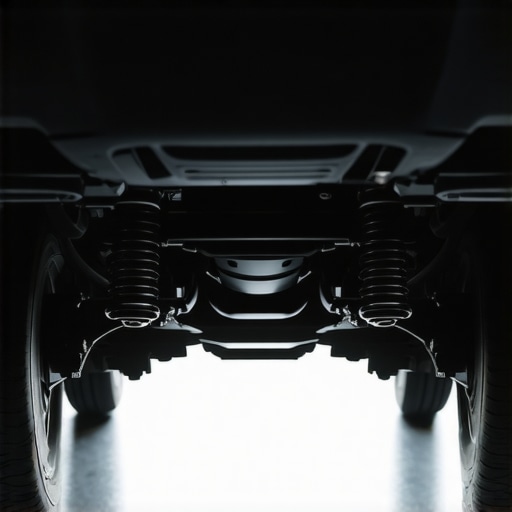
Your shocks are like the unsung heroes of your suspension system. They absorb the shocks from uneven roads, helping you maintain control and comfort. But when they start to die, the repercussions aren’t just about a rougher ride; safety becomes a real concern. Worn shocks can lead to uneven tire wear, poor handling, and even increase stopping distances—a recipe for trouble in emergency situations. According to a study by the National Highway Traffic Safety Administration, deteriorating suspension components pose a significant risk, especially during rainy or icy conditions. Recognizing the warning signs early can save you money and, more importantly, keep you safe.
Is Checking Your Shocks Really Worth the Effort?
Admittedly, I used to dismiss those subtle hints—like a slight floatiness over bumps or a vague feeling of instability—as normal. My early mistake was assuming every creak or bounce was just part of aging. But as I learned, failing to inspect shocks can lead to more costly repairs down the line. Taking the time to understand how to check your shocks isn’t just about saving money—it’s about taking control of your vehicle’s safety. When in doubt, consult with a professional or delve into trusted resources like this guide on choosing the right car service for your vehicle’s needs.
Next, let’s explore practical, easy-to-do tests to determine whether your shocks are still up to the job. Trust me, a little proactive effort now can prevent a lot of headaches—and costly repairs—later on.
**_Have you experienced these shock warning signs firsthand? Feel free to share your story or ask questions in the comments below, and we’ll figure it out together._**
Perform a Static Inspection to Spot Worn Shocks
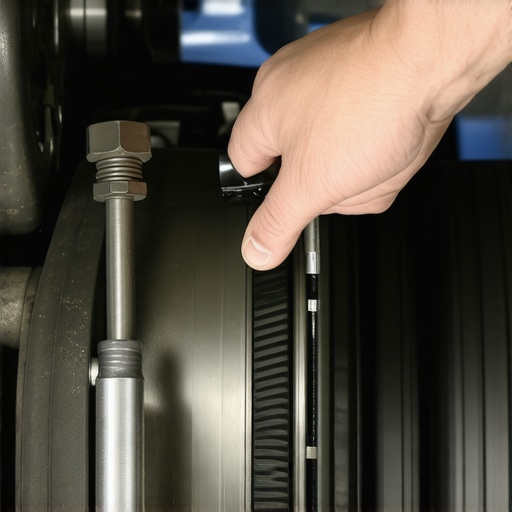
Park your vehicle on a flat surface, engage the parking brake, and turn off the engine. Grab a flashlight and examine the shocks for leaks, dents, or corrosion—think of it like inspecting a bike’s suspension for rust or damage. I once caught a shock leaking oil from a tiny crack after noticing a slight leak around the wheel well; replacing it saved me from more costly repairs later. Push down firmly on each corner of the car—your body weight mimics the suspension’s response—and watch how it rebounds. If the car continues to bounce or oscillate, it indicates worn shocks. This simple test, like a mechanic’s quick check, can reveal if your shocks are losing their dampening power.
Conduct a Ride-Quality Test During a Short Drive
Start driving on roads with some bumps and dips, focusing on how the car responds. Feel for excessive floatiness or a feeling of instability over uneven pavement. For example, during a recent errand run, I noticed my car felt more floaty over speed bumps, similar to a boat riding waves; this was a clear sign my shocks needed attention. Pay attention to nose-diving during braking or excessive bouncing after hitting potholes because worn shocks can’t absorb impacts effectively. This real-world test complements the visual check and helps confirm your suspicions—think of it as a stress test for your suspension system.
Use a Dynamic Test to Quantify Shock Performance
For more precise assessment, perform a bounce test to quantify shock quality. Push down hard on one corner of the vehicle and then release. Observe how many times it bounces back. A healthy shock should dampen the motion quickly, settling in after 1-2 oscillations. If it continues bouncing longer, like a toy ball rolling, it indicates deterioration. I once used a simple stopwatch to time how long the bounce persisted—if it exceeded two seconds, I knew my shocks were no longer effective. This method adds an objective measure to your inspection, similar to a diagnostic shot that confirms whether a component is failing, giving you confidence to seek repairs or replacements.
Know When to Seek Professional Help
While these steps identify obvious issues, some symptoms require a professional ASE-certified technician’s expertise. If visual inspections or ride tests suggest worn shocks, consider scheduling a thorough check with a trusted auto service—like the specialists at this guide on choosing the right car service. An expert can perform more sophisticated tests and advise on whether shock replacements are necessary, preventing unsafe driving conditions. Remember, proactive inspection is key; waiting until your shocks fail completely can lead to unsafe handling and costly repairs. Regularly doing these checks, especially if your vehicle is older or driven on rough roads, helps maintain safety and comfort behind the wheel.Many car owners operate under misconceptions about vehicle maintenance, especially concerning transmissions, service standards, ASE certification, and oil changes. **Contrary to popular belief,” the longest-lasting transmission isn’t necessarily paired with frequent fluid changes alone. In fact, overly aggressive flushing or using incorrect fluid types can sometimes accelerate wear, contradicting common advice.** Advanced diagnostics now emphasize the importance of understanding transmission-specific filters and early signs of clutch or valve body issues, as detailed in studies by automotive experts.
Why do some car owners overlook the significance of ASE certification?
Many assume ASE certification guarantees a mechanic’s competence across all areas. However, this certification often covers broad knowledge rather than specialized skills in niche systems like transmissions or hybrid engines. Relying solely on the badge might lead to missed nuances, especially when diagnosing complex issues. For example, a mechanic with ASE certification might still lack in-depth experience diagnosing rare transmission faults, emphasizing the need for specialized training or referrals. Understanding what ASE certification truly entails can help you choose the right technician for your specific needs.
**The “Oops” factor here is taking shortcuts like dismissing transmission noises or neglecting subtle oil discoloration, assuming they are harmless.** These small signs often precede costly failures, especially when unnoticed or dismissed due to myths like “yellowing or dark oil is normal if I change it regularly.” In reality, oil color can mislead if you don’t consider contamination, additive depletion, or material breakdown, as highlighted in expert reviews.
Whether it’s undervaluing the importance of a professional oil change or thinking that all car service centers offer equal quality, these misconceptions can cost you dearly. Regularly read more in-depth guides, like why regular oil changes extend your car’s lifespan, and be proactive with your vehicle’s maintenance.
Are you guilty of assuming that an oil change is just a routine task? Or perhaps trusting a quick lube shop without verifying the quality? **Have you ever fallen into this trap? Let me know in the comments.** Staying informed about these nuances not only extends your vehicle’s life but also saves money in the long run. Remember, every maintenance step carries nuances—knowing these can be your best defense against premature failures.
Reliable Tools for Consistent Maintenance
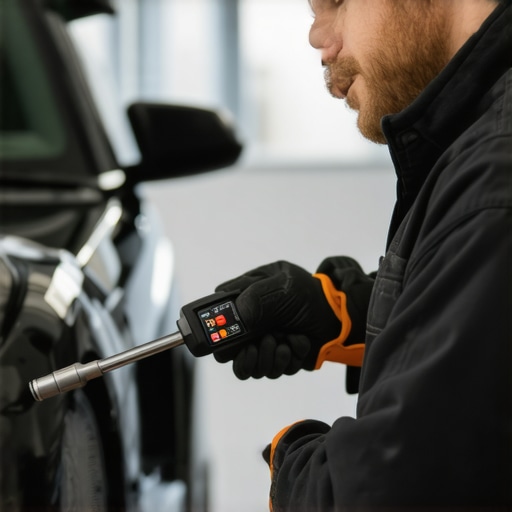
To truly keep your vehicle in top shape, investing in high-quality, precise tools is non-negotiable. I personally rely on a digital torque wrench, as it ensures that every bolt—especially lug nuts and suspension components—is tightened to manufacturer specifications, preventing over-tightening that can warp parts or under-tightening that risks failure. My go-to is the TEKTON 1/2 Inch Drive Electronic Digital Torque Wrench, which offers accurate readings down to 2 Nm, giving me confidence during critical jobs like oil pan bolt installation or brake component assembly.
Another indispensable item is a mechanic’s stethoscope. Unlike basic listening devices, a good stethoscope allows me to pinpoint abnormal noises from the engine or transmission without guesswork. When diagnosing a mysterious clunk or squeal, it’s saved me hours of trial and error, especially when trying to identify if a transmission’s whining originates from the pump or the release bearing. I prefer the Corazon Automotive Stethoscope because of its ergonomic design and excellent acoustic clarity.
Harnessing Software for Preventative Care
Beyond physical tools, modern diagnostics software dramatically enhance maintenance precision. My personal favorite is OBD-II scanner apps like OBDLink, which pair with my smartphone to display real-time sensor data, error codes, and historical performance logs. Using these tools, I actively monitor for clues like slight fuel trim deviations or coolant temperature spikes, enabling early intervention. Regularly checking transmission fluid temperature via software, for instance, can prevent overheating issues that lead to costly repairs; this proactive approach is crucial as vehicle technology becomes increasingly integrated and sensitive.
Predicting the Future of Vehicle Maintenance
The trend toward integrated diagnostic systems and AI-driven predictive maintenance is gaining momentum. Image recognition combined with telematics will someday alert owners to subtle shifts—like a slight increase in oil consumption or early signs of a failing sensor—long before symptoms become evident. This evolution will empower everyday car owners to perform more accurate self-diagnosis and schedule timely services, reducing downtime and repair costs considerably. Staying ahead means investing in the right tools now and understanding their capabilities.
How do I keep my transmission operating smoothly over time?
The key is regular transmission fluid analysis along with expert inspections. I personally send samples for lab testing using specialized oil analysis kits. This method detects early signs of wear metals or contamination, indicating whether a flush or component replacement is needed before catastrophic failure. Incorporating a comprehensive maintenance routine, including checking for proper fluid levels and listening for abnormal noises, can greatly extend your transmission’s lifespan and ensure smooth shifting.
One tip I recommend trying today is to adopt a quarterly diagnostic check with your OBD-II scanner to track any emerging issues. These small steps, paired with quality tools, form the foundation of a maintenance strategy that keeps your vehicle reliable for years to come. For personalized guidance or to schedule a professional inspection, consider reaching out through our contact page.
The Unexpected Lessons from My Car Maintenance Journey
- One of the hardest lessons I learned was that trusting opinions from unqualified sources can lead to costly mistakes, especially when it comes to transmission repairs or oil changes. Relying solely on experience without proper diagnostics often delayed necessary service or caused unnecessary repairs.
- Realizing that ASE certification is a valuable indicator but not a guarantee of expertise in every niche area prompted me to ask specific questions and seek specialists for complex issues like transmission troubleshooting. This approach helped me avoid common pitfalls and ensure quality work.
- Understanding that regular, proactive inspections can prevent major failures made me adopt a mindset of preventive care rather than reactive fixes. Small checks on fluid color or listening for unusual noises saved me hundreds of dollars and kept my vehicle reliable.
Tools and Resources That Changed My Approach to Car Care
- The top oil change tips for safe driving guide became my go-to resource to understand the nuances of vehicle maintenance, ensuring I don’t miss critical steps that prolong engine health.
- Investing in a quality ASE-certified technician helped me gain confidence that my vehicle was in competent hands, but I also learned to communicate effectively and clarify specific concerns, making every appointment productive.
- Using a reliable diagnostic scanner software has empowered me to monitor my car’s health between services, catching small issues early and avoiding roadside breakdowns.
Your Next Move Can Transform Your Driving Experience
Embracing the real-world insights about transmission, car service, ASE certification, and oil changes can elevate your vehicle maintenance from a chore to a proactive lifestyle. Every small step you take today—whether it’s performing a simple shock check or learning to interpret warning signs—sets the foundation for safer, more economical driving tomorrow. Remember, you don’t have to do it alone. Reach out through our contact page whenever you need expert guidance, and keep pushing forward in mastering your vehicle care skills. What’s the first small change you’re planning to make today to improve your car’s reliability?