The Reason Your Dashboard Lights Dim When You Use Your Turn Signal
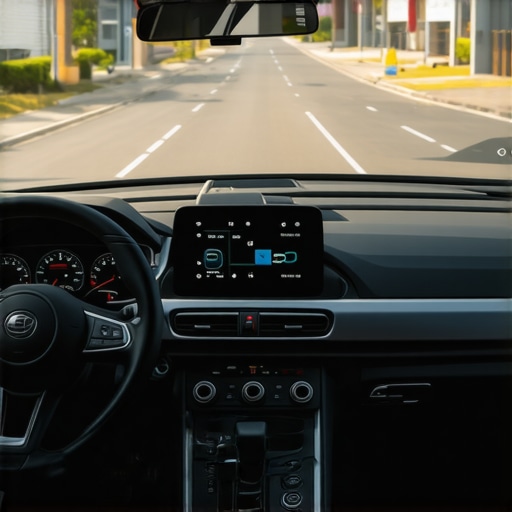
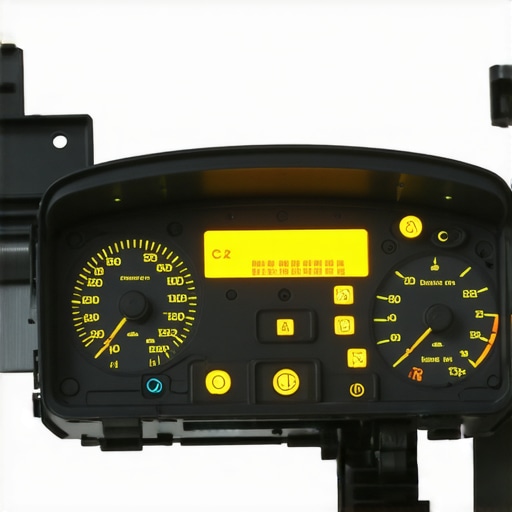
Ever been sitting at a red light, ready to turn, only to notice that as soon as I flick my turn signal, my dashboard lights start to flicker and dim? It feels like a tiny electrical curse, distracting and downright worrisome. This frustrating moment used to leave me wondering if I was on the verge of a major electrical failure, especially when my car’s oil change was just a few months prior. Then, I realized I wasn’t alone—many drivers face this odd flickering, and for years, I thought it was just a quirk of my aging vehicle. But here’s the truth: it’s often a sign of something more underlying that could affect your car’s overall health.
The Spark That Keeps Your Car Running Smoothly—Or Not
This electrical quirk is more than just an annoyance; it can point to deeper issues like a dying alternator, a weak battery, or loose wiring connections. If ignored, these signs can escalate into costly repairs or, worse, leave you stranded. The good news, though, is that understanding the cause can lead to simple fixes. My goal today is to help you troubleshoot this problem on your own and avoid unnecessary trips to the mechanic, saving you time and money. And don’t worry—it’s often something straightforward that you can fix with a bit of guidance and a basic multimeter. In fact, according to a recent report by the Department of Energy, electrical issues in vehicles are among the top causes of roadside breakdowns, but many are preventable with early detection.
Is Your Car’s Electrical System About to Fail?
I’ll admit, my early mistake was overlooking the warning signs, assuming my electrical system would last forever. I kept ignoring the flickering until I faced a dead battery on a cold winter morning. That experience taught me the importance of paying close attention to these signs and understanding what they tell us about our vehicle’s health. Curious if your car’s flickering is just a minor glitch or something more serious? Keep reading, because I’ll walk you through the most common causes and how to address them.
So, if you’ve ever wondered why your dashboard lights dim whenever you flick that turn signal, you’re not alone. This common issue can be a warning sign that needs attention—and luckily, it’s often easy to fix once you understand the root cause. Now, let’s dive into the specific reasons behind this flickering and how you can restore your vehicle’s electrical stability.
,
Test Your Battery and Alternator First
Begin by inspecting your car’s battery and alternator since they supply power to your electrical system. Use a multimeter to measure the voltage across the battery terminals; a healthy battery should read around 12.6 volts with the car off and about 13.8 to 14.4 volts when the engine runs. If your readings fall outside these ranges, it indicates a weak battery or failing alternator.
Perform a Visual Inspection of Wiring Connections
Next, check all visible wiring connections, especially around the battery, alternator, and fuse box. Loose, corroded, or damaged wires can cause intermittent electrical issues mimicking flickering dashboard lights. Tighten any loose terminals and clean corrosion with a wire brush or electrical contact cleaner for a solid connection.
Check Fuses and Relays Carefully
Fuses and relays protect your car’s electrical circuits. Remove and inspect relevant fuses for signs of melting or burn marks. Replace any blown fuses with the correct amperage as specified in your owner’s manual. A faulty relay may also cause flickering; swap it with a known good relay of the same type to test.
Inspect the Battery and Alternator in Action
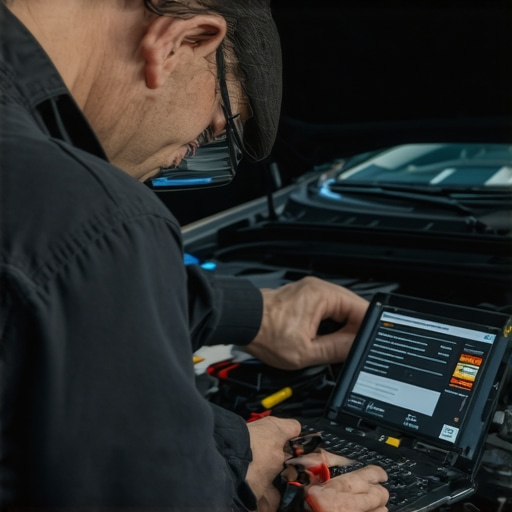
Once you’ve confirmed the connections, start the engine and observe the dashboard while turning on accessories like headlights or the air conditioning. Use a multimeter or a dedicated automotive voltmeter to monitor voltage fluctuations. Significant dips when turning on accessories could point to an alternator that isn’t charging properly, akin to a heartbeat skipping a beat during stress.
Test the Charging System
To do this accurately, use a diagnostic tool or take your vehicle to a trusted mechanic. Professional testing can identify whether your alternator’s voltage regulator is functioning correctly or if the battery needs replacing. Remember, a failing alternator can cause rapid battery drain, leading to flickering lights and eventual breakdown.
Address Loose or Faulty Components Strategically
If all else checks out but the flickering persists, consider consulting your vehicle’s wiring harness for broken or frayed wires. In some cases, a loose grounding cable can cause inconsistent power flow, much like a loose wire in an extension cord causes flickering. Tighten and secure any suspect connections, and observe if this resolves the issue.
Throughout this troubleshooting process, keep safety in mind. Disconnect the battery before handling any wiring or fuses to avoid electrical shocks. If you’re unsure or uncomfortable performing these checks yourself, it’s wise to consult a professional. Regular maintenance, such as verifying the health of your battery and alternator, can prevent such electrical nuisances and ensure your car runs smoothly.
For more detailed guidance on vehicle electrical systems, check out what ASE certification means or consider scheduling a professional inspection to prevent future surprises.
Many vehicle owners assume that an ASE certification guarantees perfect service or that all car repairs are straightforward. However, the reality is more nuanced. For instance, some believe that all ASE-certified technicians are equally skilled, but in my experience, the certification represents a baseline competency, not mastery. The fine details—like understanding transmission fluid behavior or the subtleties of oil change intervals—require deeper insight. Relying solely on certifications can be a trap, as a certified technician might overlook a hidden issue if they’re not familiar with specific vehicle quirks or recent advancements. For example, a common myth suggests that regular oil changes are always enough to keep an engine healthy, but recent studies show that using the right oil type and understanding your vehicle’s unique engine conditions are equally critical. Advanced mistakes often include neglecting to check for transmission leaks early or misinterpreting the color of transmission fluid, which can be darker but not necessarily burnt smelling, leading to unnecessary fluid changes. Additionally, many think that transmission repairs are just about replacing parts, but issues often stem from subtle sensor glitches or internal valve problems that require expert diagnosis. To truly optimize your vehicle’s maintenance schedule, knowing when to go beyond basic service and recognizing warning signs can mean the difference between preserving longevity and costly repairs. This edge of knowledge is what separates average car owners from seasoned enthusiasts and professionals. Moreover, understanding that not all car service providers follow the same standards can prevent blind trust—especially when some shops might cut corners or push unnecessary repairs for profit. For example, a professional should always verify the health of your transmission’s internal components, not just replace parts blindly. Remember, assessing the vehicle’s condition with advanced diagnostic tools or even a second opinion can save you money and extend your car’s lifespan. Curious about how to spot subtle transmission issues before they escalate? Check out [how to spot a transmission leak before your gears start slipping](https://autofixclinic.com/how-to-spot-a-transmission-leak-before-your-gears-start-slipping). Keep questioning common assumptions—your car will thank you. Have you ever fallen into this trap? Let me know in the comments.
Keeping Your Vehicle in Top Shape with the Right Tools
Maintaining your car over the years requires more than just routine oil changes and inspections; it demands investing in quality tools that enable you to perform repairs and preventative maintenance effectively. Personally, I’ve found that having a well-curated set of equipment not only saves money but also enhances your confidence as a DIY mechanic. One indispensable item is a high-quality digital multimeter, which I use to monitor your vehicle’s electrical system during troubleshooting. Unlike basic analog models, a digital multimeter provides precise voltage readings, helping to identify issues such as weak batteries or failing alternators. For example, ensuring your battery voltage remains around 12.6 volts with the engine off and around 14 volts during idle is critical in preventing unexpected breakdowns.
Additionally, a reliable set of impact wrenches speeds up tasks like lug nut removal during tire rotations or wheel swaps. I prefer cordless models with at least 1,000 inch-pounds of torque; they offer flexibility and power for various jobs without the hassle of cords. For delicate tasks, a torque wrench is essential—using one prevents overtightening that could damage components like your oil drain plug or transmission pan.
When it comes to oil changes, a good car service lift or jack stands are non-negotiable for safety and ease of access. I recommend using a hydraulic lift if your garage space allows, as it streamlines the process of draining and replacing oils or inspecting undercarriage components. Pair this with a set of oil filter wrenches designed for your make and model, which simplifies the replacement process and ensures a proper seal.
Modern diagnostics depend heavily on software tools, too. A OBD-II scanner, especially one that can connect wirelessly to your smartphone, allows quick diagnosis of engine diagnostics trouble codes. I personally rely on advanced apps like Torque Pro, which can provide real-time sensor data—vital when checking for issues like transmission slipping or subtle sensor glitches that could affect long-term transmission health. As vehicle technology continues to evolve swiftly, staying updated with such diagnostic tools becomes even more crucial.
Looking ahead, I predict that the integration of AI-powered diagnostic systems and remote monitoring will revolutionize how we maintain vehicles. Future tools might detect problems before symptoms manifest, allowing for even better long-term results.
If you’re wondering, “How do I maintain my vehicle’s electrical system over time?” investing in a good multimeter and learning to interpret voltage readings is a game-changer. Practice testing your battery and alternator regularly, especially before and after long trips, to catch issues early. For more insights into preserving your vehicle, consider reading about what ASE certification means or exploring tutorials on how to properly use diagnostic tools.
Don’t hesitate to try out a professional-grade digital multimeter combined with your smartphone app. This combo provides instant feedback on your car’s electrical health, helping you catch problems before they escalate. Remember, proactive maintenance with the right tools is your best strategy for ensuring your car remains reliable and efficient over its lifespan.
What I Learned the Hard Way about ASE Certification and Real Car Maintenance
One of the most eye-opening lessons I encountered was realizing that having an ASE certification doesn’t automatically mean your mechanic has the hand-on experience to handle every nuanced issue, especially with complex systems like transmissions. I once trusted a shop solely based on their credentials and ended up with unnecessary repairs because they misdiagnosed a subtle sensor glitch. It taught me to dig deeper, ask detailed questions, and trust my instincts about my vehicle’s true condition.
Another crucial insight was that routine oil changes, while vital, are only part of the story. Many overlook checking for early signs of transmission wear or fluid degradation, which can quietly signal bigger problems down the road. The moment I started educating myself with resources like how to interpret transmission fluid color changed my approach to maintenance and saved me from costly fixes.
Finally, I realized that not all repair shops follow the same standards, and sometimes cutting corners is profitable for them but costly for you. Armed with a basic understanding of diagnostics and maintenance schedules, I learned to identify red flags early, like unusual noises or performance dips, instead of waiting for breakdowns. This proactive mindset is essential—your car’s health reflects how well you listen to it, and how committed you are to ongoing care.
Build Your Car Care Arsenal with Trusted Tools and Guides
Over the years, I’ve curated a toolkit that truly makes a difference. A top-tier digital multimeter has become my go-to for quick electrical diagnostics, revealing hidden issues before they become emergencies. For comprehensive reads, books like Automotive Repair and Maintenance by Dale Ferguson have broadened my understanding beyond hands-on work, giving me a solid foundation on systems and troubleshooting techniques.
When it comes to resources, trusted automotive tutorials and expert blogs build my confidence and keep me current on the latest car tech developments. And of course, regular use of an OBD-II scanner connected to my smartphone ensures I catch error codes early, saving costs and stress. Investing in these tools isn’t just about fixing cars—it’s about empowering yourself to extend your vehicle’s lifespan and performance.
Every Step Counts—Empower Your Car’s Future
Taking charge of your vehicle’s health is less intimidating than it seems, especially when armed with the right knowledge and tools. Each small step—like checking fluid levels, inspecting belts, or listening for strange noises—fortifies your ability to prevent major breakdowns. Remember, your car is a complex machine that rewards attentive care and proactive maintenance. By continuously learning and applying simple diagnostic techniques, you’re not just maintaining a vehicle—you’re safeguarding your journeys and peace of mind.
So, I encourage you to dive deeper, ask questions, and keep exploring. Every experienced car owner starts with small, informed actions that eventually lead to mastery. Keep that curiosity alive, and your car will thank you for it—running smoother, lasting longer, and providing safer rides.
What’s Your Next Move in Car Care?
Have you ever caught a subtle warning sign early and saved yourself from a costly repair? Share your story below—your experience might inspire someone else to take charge of their vehicle’s health.