Why Your Brake Squeal Happens Only in Reverse
Have you ever pressed the brake pedal in reverse, only to be greeted by an annoying squeal that vanishes the moment you move forward? I remember the first time it happened to me—standing there, frustrated, trying to figure out if I was actually missing some weird mechanic trick. Turns out, it’s more common than you might think, and frankly, it’s a lightbulb moment for many car owners and even seasoned enthusiasts.
Why does that squeal only show up when you back up?
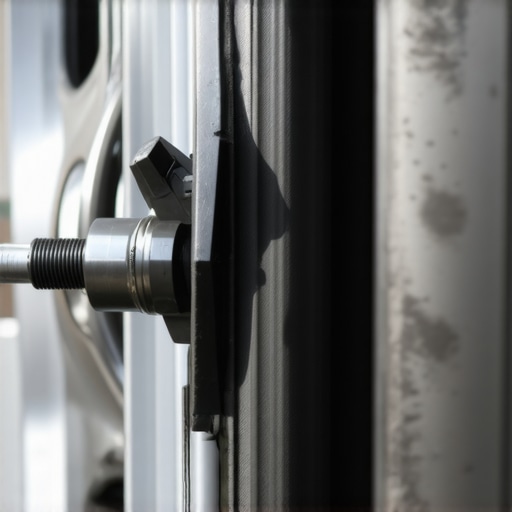
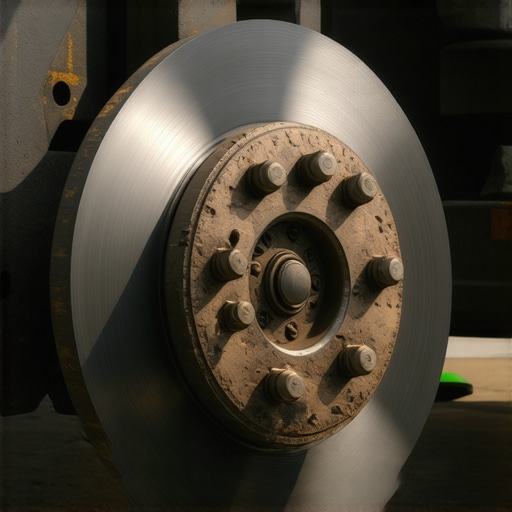
From my own experience and years working on vehicles, I can tell you that this odd squeal isn’t just a random noise. It’s often a sign that something isn’t quite right with your brake system, especially when it’s only audible during reverse driving. The culprit usually lies in the brake pads or the hardware that holds them in place. Sometimes, a thin layer of rust or debris builds up on the brake rotor or pad surface, which can cause a squeaking sound specifically when the brakes are applied at a certain angle or pressure—usually when pulling back in reverse.
One mistake I made early on was assuming that all brake squeal meant urgent repairs. Actually, in many cases, it’s a benign issue, but ignoring it can lead to more serious problems down the line, such as uneven wear or corrosion that might compromise safety. To avoid falling into that trap, I regularly read up on expert advice and even checked out resources like this article. It highlights that contaminants like brake dust or moisture can cause such noise, especially if you don’t drive your vehicle often or park outdoors in humid environments.
Now, before you start panicking or scheduling a full brake overhaul, I promise we’ll get into practical, easy-to-understand steps to identify whether your brakes need attention or if it’s just a minor nuisance. But first, I want to ask—have you noticed this squealing only when backing up? If yes, then you’re in good company, and you’re about to learn how to address it without unnecessary expenses or part replacements. Let’s dive into what really causes this quirk and how you can fix it yourself, saving you time and money while keeping your vehicle safe and quiet.
Locate and Inspect the Brake Hardware
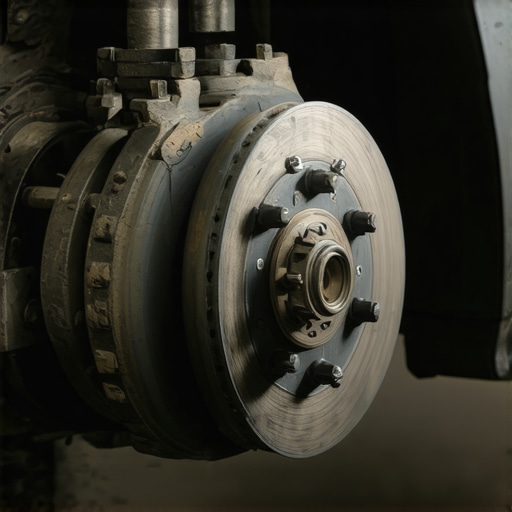
Start by safely lifting your vehicle and removing the wheels to access the brake assembly. Examine the brake pads, rotors, and hardware for rust, debris, or uneven wear. If rust or dirt has accumulated, use a wire brush to clean these components. I once freed up stuck pads by meticulously cleaning every crevice, which immediately quieted the squeal during reverse.
Remove and Clean the Brake Pads
Take out the brake pads carefully, noting their placement. Clean the pads with brake cleaner, ensuring no dust or debris remains. If the pads are glazed or show signs of uneven wear, replacing them might be the best move. Remember, worn-out pads can cause irregular contact that leads to squealing, especially when backing up.
Sand and Smooth the Brake Pads
For minor glazing, gently sand the front and back of the brake pads with fine-grit sandpaper (around 120 grit). This enhances their grip against the rotor and reduces noise. I did this once on a weekend project; after sanding, the squeal was gone, and my brakes felt more responsive. This simple step often prevents the need for expensive replacements.
Address Rust on Rotors and Hardware
If rust buildup is significant, consider resurfacing or replacing the rotors. Light rust can be removed with brake cleaner and a wire brush. Applying a small amount of high-temperature brake anti-seize on the hardware ensures smoother movement and reduces squeal recurrence. Using an anti-seize compound is like applying a lubricant to prevent the parts from sticking or corroding again; I learned this during a DIY brake job, saving me from future noise issues.
Apply Brake Lubricant
Lubricate the contact points and backing plates with a high-temperature brake lubricant. Avoid getting lubricant on the friction surfaces. This reduces vibrations and dampens squealing noise, especially during reverse. A quick application made a noticeable difference in preventing squeal during my last brake servicing. Regular lubrication is often overlooked but crucial for quiet brakes and smooth operation.
Test and Finalize
Reassemble everything, reinstall the wheels, and carefully lower the vehicle. Test drive in reverse to confirm that the squeal has ceased. If noise persists, revisit the hardware for additional cleaning, sanding, or replacements. Sometimes, even after a thorough cleaning, minor issues like slightly warped rotors can cause squeal, and addressing these might require professional help.
Remember, selecting the right auto service and understanding your vehicle’s needs ensures you avoid unnecessary repairs. Keeping your brake system in top shape not only halts squeals but also boosts safety and driver confidence, and regular maintenance extends the lifespan of your brakes.
When it comes to maintaining your vehicle, many car owners rely on common myths and surface-level understanding rather than digging into the nuances that truly matter. A frequent misconception is that an oil change is just about swapping out dirty oil; however, the type of oil, drain interval, and the specific engine needs play a crucial role in engine longevity. Contrary to popular belief, not all synthetic oils are created equal, and understanding the difference can save your engine from premature wear.
How does the quality of oil influence transmission health in the long run?
Many drivers overlook that transmission fluid and engine oil share similar principles—cleanliness and correct viscosity are paramount. Poor-quality or old transmission fluid can lead to shuddering, slipping, or even complete transmission failure, often before any warning lights appear. An ASE-certified technician doesn’t just perform routine checks; they analyze subtle signs like fluid color and smell, which can indicate deeper problems, according to experts from this resource.
Many assume that passing an ASE certification guarantees flawless service, but in reality, it signifies a standardized level of expertise that needs to be complemented with ongoing education and genuine diagnostic skills. Relying solely on ASE certification as a quality marker is a trap—what truly makes a difference is a technician’s ability to interpret complex symptoms rather than just following a checklist.
Additionally, there’s a widespread misconception that all car services are interchangeable. In truth, choosing the right service depends heavily on your vehicle’s specific needs, operating conditions, and manufacturer’s recommendations. Skipping a transmission fluid flush or using generic oils when OEM-specific ones are recommended can accelerate component wear. For insights into selecting proper service, check this guide.
Staying ahead means recognizing that modern vehicles have more sophisticated systems than ever before. Diagnostics aren’t just about reading codes; they involve understanding patterns like fluid discoloration or subtle vibrations. Advanced understanding can prevent costly repairs, and a bit of proactive attention often makes the difference between a vehicle that lasts 200,000 miles and one that needs a rebuild within half that time. Don’t fall into the trap of complacency—your car’s health depends on paying attention to the details. Have you ever fallen into this trap? Let me know in the comments.
Investing in Quality Tools and Knowledge for Lasting Vehicle Care
Keeping your vehicle performing its best over the years requires more than just routine checks. Equipping yourself with the right tools not only saves money but also empowers you to handle minor issues before they become costly repairs. I personally rely on equipment like a digital multimeter and an OBD-II scanner, which provide immediate insight into your car’s electrical systems and engine codes. For example, a high-quality OBD-II scanner allows me to identify transmission trouble codes early, ensuring smoother shifts and preventing further damage, as discussed in this resource.
Additionally, a reliable torque wrench ensures that fasteners are tightened to manufacturer specifications, reducing the risk of hardware failure—crucial for maintaining ASE-certified quality standards in your DIY or professional service. When it comes to fluids, I use a fluid extractor for quick and mess-free oil changes, which I perform based on tips from top oil change advice. This approach prevents overfilling and contamination, extending the lifespan of your engine and transmission components.
Beyond physical tools, employing diagnostic software like Mitchell or IDENTIFX (for light-duty vehicles) can streamline troubleshooting by providing detailed component analysis and repair suggestions. These programs enhance your ability to predict maintenance needs, aligning with the trend towards data-driven vehicle care and long-term results that maximize your car’s longevity.
How do I maintain car health over time?
Adopting a proactive, scheduled maintenance routine is vital. Regularly checking your transmission fluid for darkening and burnt smell can prevent slipping issues, as outlined in this expert insight. Pair this with a reliable service center that prioritizes OEM standards, ensuring that your car gets the right replacement parts and precision adjustments. Remember, a well-maintained transmission can extend the life of your entire drivetrain, ultimately saving you thousands in repairs and replacements.
Looking ahead, advancements in diagnostic tools and smarter maintenance software are making it easier than ever to stay ahead of problems. These innovations will likely integrate with vehicle telematics, providing real-time alerts for fluid changes or component wear—so keep an eye on emerging trends like connected car diagnostics.
If you are ready to upgrade your maintenance game, I recommend trying out a professional-grade diagnostic scan. This simple step today can uncover hidden issues lurking in your transmission or engine, giving you peace of mind and reliable performance down the line. To get started, consider investing in a trusted OBD-II scanner and regularly perform comprehensive diagnostics—your future self will thank you for it.
Three Surprising Truths I Discovered About Car Care
Early in my journey as a DIY enthusiast, I believed that changing oil or swapping brake pads was routine and straightforward. However, I quickly learned that focusing solely on the mechanical aspects without understanding the nuanced details could lead to overlooked issues. The first lightbulb moment was realizing how vital OEM-spec parts and quality tools are—cutting corners might save money upfront but costs more in the long run. I also discovered that trust in a mechanic isn’t just about certifications like ASE but also about their diagnostic approach and honesty. It’s the personalized attention and understanding of my vehicle’s specific needs that truly made a difference.
My Go-To Resources for Smarter Car Maintenance
Over the years, I’ve curated a set of trusted tools and knowledge sources that have transformed my approach to vehicle care. An **OBD-II scanner** is indispensable for diagnosing hidden issues early—I’ve caught potential transmission problems before they escalated, referencing insights from this resource. For oil changes, I rely on top tips that ensure I use the right oil type and interval, prolonging engine life. Additionally, a good torque wrench and OEM-fitted filters, sourced from reputable brands, help me avoid pitfalls that many DIYers encounter, aligning with expert standards. Knowing when to seek professional help versus DIY effort is another skill I’ve learned—it’s all about the balance and knowing your limits.
Keep Your Vehicle Health in Focus—The Future Looks Bright
You don’t need to be a professional mechanic to keep your vehicle in prime condition; awareness and proactive care are your best tools. Advances like real-time diagnostics and connected vehicle systems are just around the corner, promising smarter maintenance routines that prevent breakdowns and save money. The key is to stay curious, leverage reliable resources, and don’t shy away from learning new skills—your car’s lifespan and your safety depend on it. Start small: pick up a trusted OBD-II scanner or schedule a quick inspection, and you’ll be surprised at how much more confident you’ll feel behind the wheel in years to come. Remember, vehicle maintenance is a journey—enjoy the process and watch your car reward your effort with miles of reliable service.