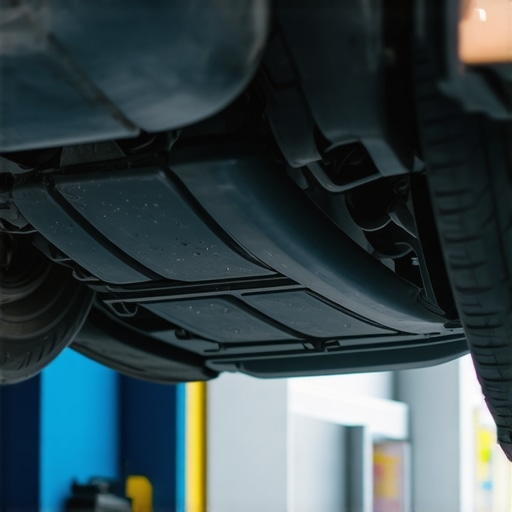
How to Protect Your Undercarriage from Salt Corrosion
I remember a chilly winter morning, opening my garage door and noticing something unsettling: a layer of salt residue pooling stubbornly underneath my car. It was that moment—when I realized how relentless salt can be, not just on the roads but on our vehicles’ undercarriages. That lightbulb moment hit me hard: I was neglecting a sneaky enemy that could ruin my car faster than I expected.
Here’s the truth: Salt corrosion is more aggressive than you think, and it’s sneaky, too
Salt, especially in winter, doesn’t just wash away easily; it seeps into the tiniest cracks and crevices of your vehicle’s underbody. Over time, that exposure leads to rust and structural deterioration, turning your reliable ride into a potential safety hazard. Early on, I made the mistake of thinking a quick wash was enough—only to find a rust patch developing unnoticed. That’s when I started digging into how to effectively shield my car from this corrosive menace.
Is all this salt protection hype just a waste of time?
Honestly, I initially brushed off the concerns, thinking, “It’s just winter weather, what harm could salt do?” But after a couple of costly repairs involving the frame, I learned the hard way—preventive measures are well worth the effort. Did you know that according to the Car Council, salt-induced corrosion can reduce a vehicle’s lifespan by almost 50% if not properly managed? That statistic was a wake-up call for me, and it might be for you, too.
In this post, I promise to share practical, neighborly tips for shielding your undercarriage from salt damage—techniques I’ve tried, tested, and improved over winters. Whether you’re a seasoned DIYer or just someone looking to protect your investment, these strategies will help keep your car rust-free longer, save you money, and ensure safety on those icy roads.
Now, before we dive into the nitty-gritty of salt-proofing, I want to ask—have you already faced the frustration of discovering rust spots or dealing with the aftermath of a salty drive? If so, you’re not alone, and rest assured, the methods I’m about to share will help you avoid similar headaches. Let’s move forward and make sure salt doesn’t stand a chance against your vehicle’s longevity.
Why Salt Attack Is a Problem You Can’t Ignore
Understanding the science behind salt corrosion reveals why it’s so aggressive. Salt lowers the melting point of water, creating an ideal environment for rust to develop rapidly. Plus, road salt isn’t just sodium chloride; it often contains other chemicals that accelerate corrosion. This combination acts like a catalyst, eating away at your car’s metal from the inside out. The good news is, with the right precautions, you can significantly mitigate these effects. Want to learn how to keep your undercarriage clean, protected, and rust-free? Keep reading and discover the proven techniques that work in real-life scenarios, like mine, and even better—how you can do it yourself.
Start with a Thorough Underbody Inspection and Cleaning
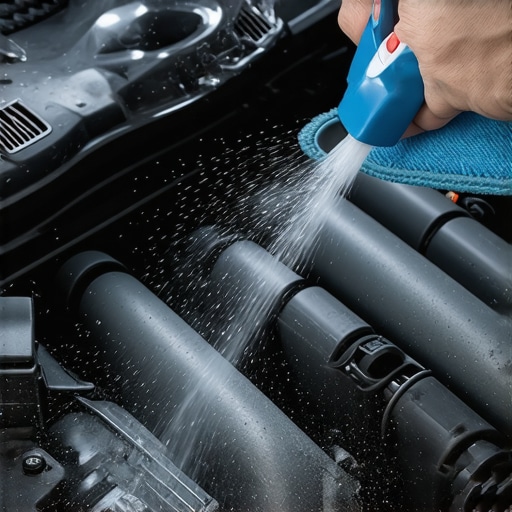
When I faced my first salt-induced rust problem, I realized early inspection was vital. Use a flashlight and a mirror to check for salt residue and rust patches on your undercarriage after every major snow or salt exposure. Once identified, rinse the undercarriage with a high-pressure hose, focusing on vulnerable spots like wheel wells and frame rails. This initial wash halts salt from settling and starting corrosion. I learned this the hard way when neglecting this step led to a rust patch that required costly repairs. Regular underbody cleaning is your first barrier against salt damage.
Use Suitable Undercoating or Rust-Proofing Products
After cleaning, consider applying a professional-grade rubberized undercoat or rust inhibitor. I personally used a spray-on underbody sealant designed for automotive use, which created a protective barrier over exposed metal parts. Make sure to do this when the vehicle is dry and preferably on a warm day. This layer prevents salt from making direct contact with metal surfaces, especially in hidden crevices. Applying undercoating effectively is like installing a suit of armor, significantly reducing corrosion risk.
Maintain Regular, Specialized Vehicle Servicing
Routine maintenance extends beyond oil changes; it includes keeping the undercarriage in check. Find a trusted mechanic or service center familiar with high-quality treatments—like choosing the right car service—to perform underbody inspections and touch-up rust-proofing annually. I opted for a professional treatment last winter, which involved cleaning, rust-proofing, and mechanical inspection. The result was peace of mind, knowing my vehicle had an extra layer of defense against salt storms.
Apply Wax or Sealant on the Vehicle Exterior
Besides the undercarriage, applying a quality wax or paint sealant creates a protective coating on your vehicle’s body. This barrier minimizes salt adhesion, making washing easier and more effective. I make it a habit to wax my car before winter and after every major wash, which has visibly reduced salt buildup over seasons. Think of this as an extra shield—like sunscreen—that prevents salt and road grime from penetrating your paint and reaching critical metal parts.
Perform Post-Winter Care and Touch-Ups
Once winter passes, don’t forget to revisit your car for a detailed cleaning and inspection. Remove any salt residue in hidden areas, especially around suspension components. If you notice minor rust spots, address them immediately using rust converter products or consulting professionals. This proactive approach can save you from bigger repairs later, aligning with expert advice from why regular maintenance matters. My experience with quick touch-ups after winter allowed me to preserve my vehicle’s integrity longer.
Consider Upgrading to Salt-Resistant Parts
When replacing parts like brake lines, suspension components, or even valves, opt for corrosion-resistant materials when possible. While it might cost a bit more upfront, the longevity benefits outweigh the initial investment. I researched options and learned that OEM parts often have better protective coatings, which aligns with recommended maintenance practices. Upgrading these elements is akin to giving your vehicle a durable armor set against winter’s salt siege.
Leverage Professional Detailing for Complete Protection
For comprehensive salt protection, a professional detailing service that includes undercarriage treatment and paint sealant application can make a real difference. I once booked a detailing session that included salt removal and protective coatings, and the results were impressive—my vehicle looked brand new, and the salt was no longer an issue. Like a spa treatment for your car, this service ensures all exposed surfaces are protected, extending the lifespan of your investment.
Armed with these concrete steps—inspection, cleaning, protective coatings, and smart parts replacement—you can significantly reduce salt-induced corrosion. Regularly maintaining your vehicle isn’t just about aesthetics; it’s about safeguarding its structural integrity. Think of it as giving your car the shield it needs to brave winter’s harsh salt storms without succumbing to rust and decay.
Many vehicle owners assume that all car service providers operate with the same level of expertise, but that couldn’t be further from the truth. A common misconception is that simply trusting a nearby quick-lube shop or a generic mechanic guarantees proper maintenance. However, not all garages are equipped to handle the nuances of modern vehicles or to perform advanced diagnostics effectively. For example, expertise in transmission repairs isn’t just about replacing parts; it requires a deep understanding of specific systems that only ASE-certified technicians truly master, as highlighted in a recent study emphasizing the importance of certification for quality service.
Are All ASE Certifications Equal When It Comes to Vehicle Care?
Contrary to popular belief, an ASE certification doesn’t automatically mean a technician is a master of all areas. Many technicians hold certifications in specific areas, such as brakes or engine diagnostics, but might lack comprehensive training in transmission or electronic systems. It’s essential to verify whether a technician specializes in the specific issues your vehicle faces, and asking for proof of past successful repairs can save you significant headaches. Relying solely on the credential without assessing hands-on experience can be a costly mistake. For instance, improper diagnosis of transmission problems can lead to premature failure or expensive repairs, as detailed in expert insights about transmission troubleshooting.
Invest in Quality Diagnostic Tools to Keep Things Running Smoothly
Having the right equipment at hand is crucial for any car owner serious about maintenance and longevity. I personally rely on an OBD-II scanner like the Autel MaxiCOM to diagnose issues early and prevent costly repairs. This device connects to your vehicle’s computer, providing real-time data on engine performance, transmission status, and more. Unlike generic code readers, this scanner offers deep diagnostic capabilities, allowing me to identify potential problems — such as transmission misfires or sensor faults — before they escalate. Regular scans help me maintain optimal performance and avoid surprises on the road.
The Value of Using Certified Parts and Software Updates
To ensure lasting results, I recommend always opting for OEM or ASE-recommended parts, especially when replacing transmission components or filters. Keeping your vehicle’s software and firmware updated through manufacturer portals or trusted technicians ensures compatibility and fixes known bugs. As shown in this article, ASE certification guarantees your mechanic’s knowledge of such advanced procedures, which can significantly prolong your car’s lifespan.
Implement Routine Oil Change Protocols with the Right Products
One of the most impactful steps to keep your car’s transmission and engine healthy is sticking to a disciplined oil change schedule. I follow the latest recommendations from top oil change tips for 2025, choosing synthetic oils with added anti-wear additives recommended for high-mileage engines. Using a reliable oil filter, preferably OEM or from reputable brands like Mann-Filter, ensures contaminants don’t circulate back into your engine or transmission. Employing a high-quality oil pump to ensure proper circulation during changes is also a game changer, especially for long-term reliability.
Easy Maintenance Gets Scaled with Automated Solutions
Looking into future trends, integrating vehicle telematics and diagnostic apps like CarMD or FIXD can scale your maintenance approach. These tools monitor your vehicle’s health continuously, alerting you instantly if something’s amiss—saving you time and reducing the risk of major failures. They often connect seamlessly with your smartphone, making diagnostics as accessible as checking an email. This technology aligns perfectly with the shift toward smart vehicles, where predictive maintenance is becoming standard practice for ASE-certified technicians and DIY enthusiasts alike.
Questions to Ask Yourself About Long-Term Care
How do I maintain my transmission performance over time? Regularly scheduled transmission fluid changes, using high-quality synthetic fluids, combined with routine inspections, are fundamental. Treating this as an ongoing process rather than a one-time fix ensures your vehicle stays in top shape, whether you’re behind the wheel or scaling your DIY skills. Remember, investing in certified parts and tools adds up—it’s all about building a sustainable maintenance routine that respects your car’s complexity and future needs.
Why not try upgrading your current oil change routine with a professional-grade synthetic oil and a high-efficiency pump for consistent circulation? Implementing these small yet specific changes can significantly extend your vehicle’s lifespan and performance, transforming maintenance from a chore into a strategic advantage. Don’t forget, for expert advice tailored to your vehicle, you can always reach out through this contact page.

What I Wish I Knew About Automotive Care Before Salt Storms Hit
- Protecting your vehicle from salt isn’t just about washing; it’s about understanding its sneaky ways of causing damage and acting proactively, which I underestimated initially.
- Properly inspecting and treating your undercarriage with the right products can save you from costly repairs—you can’t rely on quick fixes alone.
- Even small upgrades, like choosing corrosion-resistant parts or utilizing professional protective coatings, make a monumental difference over time.
- Engaging with ASE-certified technicians and leveraging diagnostic tools honestly transformed how I maintained my car’s health, especially in salt-laden winters.
- Routine practices, like post-winter inspections and applying the right sealants, create a fortress around your vehicle’s longevity that many overlook.
The Top Tools That Changed My Approach to Car Care
- Using a high-quality OBD-II scanner, such as the Autel MaxiCOM, empowers me to diagnose issues early—saving money and stress, especially when dealing with transmission or engine warnings.
- Choosing OEM or trusted aftermarket parts informed by research and professional advice has significantly extended my vehicle’s lifespan, aligning with practices recommended by ASE certification standards.
- Sticking to a disciplined oil change routine, especially with synthetic oils, keeps vital systems like the transmission and engine running smoothly, as outlined in top oil tips for 2025.
- Embracing smart vehicle diagnostics and maintenance apps like FIXD or CarMD offers continuous insight into my car’s health—making proactive care accessible and practical.
Your Vehicle’s Best Defense Starts Today
Protecting your car from salt-related corrosion is a journey of continuous learning and disciplined habits. With the right tools, quality parts, and expert guidance, you can extend your vehicle’s life well beyond expectations. Remember, early action and regular maintenance aren’t just recommended—they’re essential for ensuring your car remains safe, reliable, and rust-free through every winter storm. So, why wait? Dive into these strategies now, and turn salt from a foe into a mere memory. Have you ever faced unexpected rust issues after winter? Share your experience below and let’s learn together.