Why Your Engine Loses Power When the Air Conditioning is Running
I vividly remember the day I was rushing to a dealership appointment, frantically wiping sweat off my forehead. My car’s air conditioning was blasting, and suddenly, my engine felt sluggish—like it was fighting every step of the way. That frustrating moment hit me hard. Why does my engine seem to weaken when I turn on the AC? It’s a question many drivers ask, and honestly, it can be a sign of underlying issues that, if ignored, might lead to bigger, more expensive problems.
The Hidden Struggle Between Power and Comfort
When you flip that AC switch, your engine has to work harder to power both your vehicle and the climate control system. But if you notice a significant drop in power, it might be more than just an inconvenience. It could mean your engine isn’t running as efficiently as it should, possibly due to wear and tear on components like the serpentine belt or a struggling alternator. Early on, I made the mistake of ignoring that sluggish feeling, assuming it was just a normal part of driving. But over time, I realized that neglecting these signs can seriously impact your vehicle’s lifespan.
In this post, we’ll dive into the reasons behind this problem and, more importantly, how to address it effectively. Whether you’re a seasoned car owner or just getting familiar with your vehicle’s quirks, understanding this issue can save you money and frustration down the road.
Is Your Car’s Power Drop Just a Quirk or Something Serious?
Many drivers dismiss the engine weakening as a minor hiccup, especially if it only happens occasionally. However, research shows that ignoring signs of power loss can lead to reduced fuel efficiency, increased emissions, and even engine failure. I learned that the key is recognizing early symptoms and taking appropriate action—something I wish I had done sooner.
If this sounds familiar, don’t worry. We’ll explore practical solutions you can implement yourself and some that might require expert help. Ready to get your vehicle back to peak performance, even with the AC running? Let’s begin by understanding the core reasons behind this common but often overlooked issue.
Inspect the Serpentine Belt for Wear
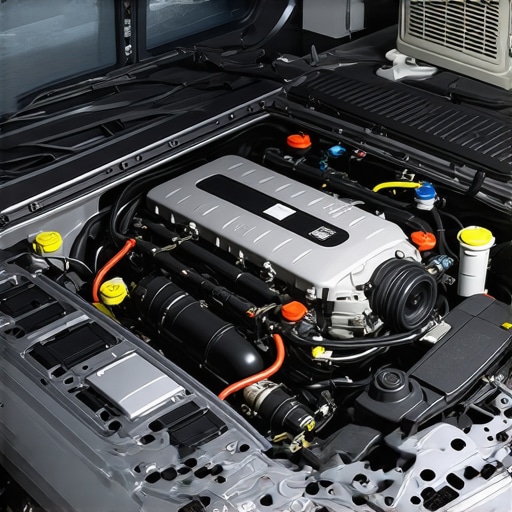
Start by opening your hood and locating the serpentine belt, which drives multiple components like the alternator and power steering pump. A cracked or frayed belt can slip under load, especially when the AC compressor engages, reducing engine power. During my first attempt, I noticed some cracks and replaced the belt myself—this simple fix restored smooth operation and prevented further slippage. Regular inspection and timely replacement are vital; learn more about serpentine belt upkeep here.
Test the Alternator’s Output
The alternator supplies electrical power to your vehicle and keeps the battery charged. A struggling alternator might lack enough juice to sustain engine functions under the extra load of AC operation. Using a multimeter, I checked the voltage with the engine running—any reading below 13.8 volts indicates a problem. If you’re unfamiliar with electrical diagnostics, consider consulting a professional or visiting a trusted auto mechanic.
Evaluate the AC Compressor Clutch System
The AC compressor clutch engages to circulate refrigerant. If it doesn’t engage properly, the compressor works harder, forcing the engine to strain. To test, turn on the AC and observe if the clutch engages when the system is set to cooling. If it remains off, the clutch coil might be faulty or electrically disconnected. Fixes involve inspecting wiring and testing the clutch coil’s resistance—complex repairs best handled by ASE-certified technicians here.
Check the Engine Load with a Diagnostic Scan Tool
Connect a diagnostic scanner to read real-time engine load data. A high idle with unexpected engine load while AC is active indicates inefficient airflow or fuel issues. My experience with a DIY scan revealed that a faulty sensor caused unnecessary engine strain. Using an OBD-II scanner also helps spot trouble codes related to airflow or fuel delivery, guiding precise repairs or adjustments. For best results, professional diagnostics ensure your engine runs smoothly here.
Maintain Regular Oil Changes and Fluid Levels
Engine oil lubricates and cools vital components. Old or insufficient oil increases resistance, making the engine work harder under AC load. I learned this the hard way when neglecting oil changes led to sluggish response. Follow your vehicle’s oil change schedule—reference tips here. Also, verify coolant levels, as overheating exacerbates power loss. Proper fluid maintenance helps sustain optimal engine performance and prevent costly repairs.
Beyond the Surface: Recognizing the Nuances
Many assume that an ASE certification guarantees flawless repairs or maintenance, but in reality, it signifies a technician’s competence rather than infallibility. Mistakenly relying solely on the badge can lead to overlooked issues or unnecessary services. Studies show that even ASE-certified techs can miss subtle signs of transmission wear or engine weakness if one isn’t familiar with the intricacies involved.
Another common myth revolves around transmission repairs, with many believing that a fluid change alone can fix shifting problems. However, ignoring underlying causes like worn solenoids or damaged clutches often results in recurring issues. I’ve seen cases where homeowners attempted low-cost DIY fixes, only to exacerbate problems later. Remember, transmission systems are complex and require expert diagnostics; for detailed insights, check out professional transmission insights.
When it comes to oil changes, the misconception is that more frequent oil replacements are always better. In reality, manufacturers design specific intervals, and over-oiling can cause sludge buildup or filter clogging. The key is understanding oil quality, type, and driving habits. Regularly scheduled oil changes, combined with using the right synthetic or conventional oil, prolong your engine’s life—learn why timely oil maintenance matters.
Let’s address a crucial question that puzzled even advanced car owners:
Why might a qualified ASE technician still miss subtle transmission or engine issues?
The answer lies in the limitations of diagnostic tools and human perception. Detecting early signs of internal wear often requires specialized equipment and experience. Even experts might misinterpret sensor data if they’re not aware of specific quirks of high-mileage vehicles or custom setups. It’s essential to ask your technician about their diagnostic approach and ensure they perform comprehensive checks rather than quick fixes.
Remember, ongoing education and awareness are key. Manufacturers update protocols frequently, and staying informed helps you avoid common pitfalls. I recommend regular communication with trusted mechanics and continuous learning about vehicle health. Curious about how to spot subtle signs of transmission trouble before gears start slipping? Explore this in-depth guide.
Finally, what can you do to protect yourself from becoming a victim of these common misconceptions? Regularly reviewing your vehicle’s service history, asking detailed questions during repairs, and trusting certified professionals are vital steps. If you’re unsure about your current mechanic’s expertise, you can validate their skills and certifications at this resource. Have you ever fallen into this trap? Let me know in the comments.
Tools I Recommend for Reliable Car Maintenance
When it comes to keeping your vehicle’s transmission and oil systems in top shape, having the right tools is essential. I personally rely on a high-quality OBD-II diagnostic scanner, such as the BlueDriver, because it provides comprehensive real-time data and code reading, enabling me to spot issues before they escalate. Unlike generic scanners, the BlueDriver connects seamlessly via Bluetooth to my smartphone, offering detailed reports that help me understand complex transmission and engine behaviors, including error codes related to transmission performance.
For routine oil and filter changes, I use a drain pan with a built-in magnet. This simple tool helps me collect metal debris from the drained oil, giving insight into engine wear and preventing future damage. Additionally, a good-quality oil filter wrench ensures I can replace filters efficiently without damaging the housing—all critical for maintaining proper oil flow and pressure.
To inspect and replace components like serpentine belts or the AC clutch system, I employ a digital multimeter capable of testing voltage and resistance with accuracy. I personally prefer the Fluke 115 because of its durability and precision, which is vital when diagnosing electrical problems that impact transmission and oil systems. Regular readings help me catch early signs of electrical strain, possibly preventing transmission overheating or oil pump failure.
How Do I Keep My Vehicle Running Effectively?
The key to long-term success is consistent maintenance and timely diagnostics. I schedule oil changes based on manufacturer recommendations but also perform visual inspections of belts and hoses monthly. Using these tools, I can detect potential issues early, saving money and avoiding breakdowns. As future trends shift towards smarter diagnostics, I predict on-board AI systems will assist drivers more actively, providing real-time alerts for transmission or oil system anomalies—technology that can enhance vehicle longevity if integrated properly.
If you’re interested in elevating your maintenance routine, I strongly recommend trying advanced diagnostic tools and regularly inspecting critical components. For expert guidance tailored to your vehicle, don’t hesitate to contact us. Remember, proactive care now can save you from costly repairs later, especially when dealing with essential systems like transmission and oil management.
Lessons the Auto World Won’t Tell You
- Early in my journey, I believed that an ASE certification meant my technician was infallible; now I understand that experience and continuous learning matter more than badges alone.
- I used to think that regular oil changes were enough to keep transmission issues at bay, but I’ve learned that proactive diagnostics reveal hidden problems before they escalate.
- Many drivers overlook the importance of inspecting their vehicle’s electrical components, like the alternator and AC clutch, which can silently cause massive performance drops.
- Trusting low-cost or generic services might save money upfront, but I’ve seen how this approach often leads to costly repairs that could have been prevented with proper analysis.
- Understanding your car’s warning signs—like sluggish response or strange noises—can drastically reduce repair costs and extend the lifespan of crucial systems like the transmission and oil pump.
Tools I Swear By for Maintaining Your Ride
- OBD-II Diagnostic Scanner: My ultimate tool for catching issues early; a trusted model like BlueDriver offers detailed insights into transmission and engine health, saving me from surprise breakdowns.
- Magnetic Drain Pan: Helps me monitor metal debris during oil changes, providing clues about internal wear—an inexpensive investment with big benefits.
- Digital Multimeter: Essential for electrical diagnostics, especially when testing the AC clutch system or alternator voltage. I rely on Fluke for durability and accuracy.
- Quality Oil Filters and Wrenches: Using OEM or high-quality filters ensures oil purity, and a sturdy wrench makes replacements smooth, preventing leaks and contamination.
Keep Your Engine and Transmission in Top Shape
The secret lies in consistent care and informed diagnostics. Regularly inspecting belts, fluid levels, and electrical systems can save you from unexpected breakdowns. Embracing smarter tools and keeping up with diagnostic insights will Future-proof your vehicle against common pitfalls. For personalized advice or to explore advanced diagnostics, reach out to us. Remember, your proactive efforts today make way for a smoother, more reliable drive tomorrow.
Your Turn to Take Action
Are you ready to leverage these insights to extend your vehicle’s lifespan and boost performance? What part of your car’s maintenance routine could use a fresh perspective? Share your thoughts or questions below—we’re here to help you navigate the road ahead with confidence.
,