How to Spot a Mechanic Who is Cutting Corners on Your Diagnostic
Ever glanced at your dashboard during a routine oil change and felt that sinking feeling deep in your gut? It hits harder when that harmless check engine light flickers on after a quick visit to the local shop. I remember the time I trusted a mechanic to replace my transmission fluid, only to find months later that it was never done correctly. The sneaking suspicion that I’d been duped made every drive stressful, wondering if my car would leave me stranded. That realization hit me hard—and it’s a familiar story many car owners share.
Why You Can’t Just Take a Mechanic’s Word for It
As car enthusiasts and everyday drivers alike, we rely on mechanics to keep our vehicles running smoothly. But sadly, not everyone in the industry plays fair. It’s disheartening to see stories of technicians cutting corners—skipping critical steps in diagnostics or using cheap parts to boost profits. These practices can lead to costly repairs down the line or even dangerous situations on the road. That’s why knowing how to spot a mechanic who might be cutting corners is essential.
Is Skimping on Diagnostics Actually Worth the Risk?
Early in my learning curve, I made a mistake that many beginners do—assuming that a quick fix or vague diagnosis was enough. Turns out, quick fixes are often quick failures. I learned this lesson the hard way when my car developed a sudden transmission problem after a supposed ‘diagnostic’ at a shop. It made me realize that reliable troubleshooting isn’t about rushing through tests; it’s about thoroughness and honesty. According to ASE-certified experts, skipping proper diagnostics can mask underlying issues, making repairs temporarily look successful but actually jeopardizing your safety. For more insights on what ASE certification means for your car’s care, visit [this resource](https://autofixclinic.com/what-does-an-ase-certification-mean-for-your-cars-maintenance).
Have you ever suspected that your mechanic skipped some steps? Or noticed repairs that didn’t seem quite right? These worries aren’t unfounded. Stay tuned, because next, I’ll walk you through practical ways to identify if a mechanic’s diagnostic process is legit, helping you save both time and money—and keep your vehicle safe.
Verify the Diagnostic Process
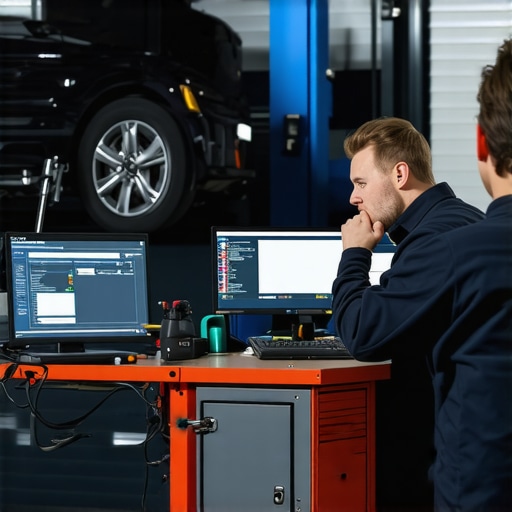
When you take your vehicle for diagnostics, observe how the mechanic approaches the problem. A seasoned technician follows a structured process—starting with a thorough visual inspection before moving to digital scans. During my last visit, I watched an ASE-certified professional systematically inspect my engine bay, checking for obvious leaks and worn belts before hooking up the diagnostic scanner. This proved invaluable in pinpointing a failing sensor that was causing my check engine light to flicker. Make sure your mechanic documents each step and explains their findings transparently.
Ask Detailed Questions
Don’t shy away from interrogating your mechanic about their diagnostic methods. For instance, if they mention a vague ‘sensor issue,’ ask which sensor and how they confirmed this. Certified techs should be able to walk you through their logic, referencing specific codes or test results. This prevents blind guessing and ensures they’re not just replacing parts arbitrarily. Remember, an ASE-certified technician prides themselves on transparency. If they hesitate or dodge questions, consider a second opinion through this resource.
Run Preliminary Checks Yourself
Before heading to the shop, perform basic inspections like checking fluid levels—oil, transmission fluid, coolant—using the dipstick or reservoir markings. For example, during one failed diagnosis attempt I observed my mechanic overlooking a low transmission fluid level, which could have been easily topped off. Keep a small flashlight and a clean rag in your glove box for visual clues, such as glazed or burnt-looking fluid, which indicates it’s time for a change. These initial checks give you leverage in discussions and help confirm whether the mechanic is genuinely thorough.
Recognize Testing Techniques
Inexperienced technicians might rely solely on scanner readings, but a competent mechanic complements this with physical tests—like listening for irregular noises during idle or test-driving the car afterward. For example, I once noticed my mechanic performing a road test after scanning my car’s ECU, listening for abnormal vibrations that the scanner couldn’t detect. This layered approach ensures no stone is left unturned and aligns with best practices outlined in this detailed guide.
Assess the Diagnostic Report
Finally, review the findings presented by your mechanic. A comprehensive report should include specific fault codes, descriptions of tested components, and recommended corrective actions. Watch out for vague language like ‘general engine trouble’—a sign of novice diagnostics. Trustworthy technicians supply detailed notes and, if possible, photographs or readings that support their conclusions. Remember, transparency here is key; if you sense their report is superficial, seek a second opinion from an experienced shop or consult resources like this article.
Many car owners operate under misconceptions about essential maintenance topics like oil changes, ASE certification, transmission care, and overall vehicle servicing. Let’s unpack some common pitfalls and highlight what most people misunderstand about these crucial aspects, so you can make informed decisions and avoid costly mistakes.
Why Most People Misunderstand the Value of Regular Oil Changes
Contrary to popular belief, oil changes aren’t just about refreshing your engine oil; they are pivotal in preventing sludge buildup, ensuring proper lubrication, and maintaining optimal engine performance. Many assume that synthetic oils last forever or that extended intervals between changes won’t harm the engine. However, studies like the one published in the Journal of Automotive Service Excellence emphasize that even high-quality synthetic oils degrade over time, accumulating contaminants that can accelerate engine wear. Regular oil changes, especially following manufacturer recommendations, are a cornerstone for engine longevity as highlighted in this comprehensive guide.
Exaggerating the Certainty of ASE Certification
Many customers believe that ASE certification guarantees a mechanic’s expertise or that it’s a foolproof stamp of quality. While ASE certification signifies that a technician has demonstrated certain knowledge and skills, it doesn’t automatically indicate superior service. In fact, some shops may boast ASE-certified technicians but lack the experience or integrity to perform thorough diagnostics. To truly gauge a technician’s proficiency, consider reviewing their track record or requesting insights into specific repairs, as outlined in this resource. Remember, certification is just one piece of the puzzle—real-world experience and honesty matter more.
How Can You Trust a Mechanic’s Diagnostic When They Say It’s Simple?
You might think a diagnosis is straightforward and quick, but the nuanced procedures often reveal deeper issues. For example, a vehicle exhibiting transmission slipping could stem from a low fluid level, a failing sensor, or internal wear. Relying solely on quick scanner readings without physical inspection can overlook critical problems, leading to repeated visits and expenses. Experts recommend a layered approach—combining digital diagnostics with tactile inspections, listening test drives, and component checks. This methodology aligns with best practices and prevents common diagnostic traps. For detailed advice, check this article.
The Risks of Skipping or Rushing Car Service
Many drivers delay routine maintenance, believing that components like transmissions and filters can wait until symptoms worsen. This negligence often results in compounded damage—costing hundreds or thousands more to repair, or even risking safety on the road. For instance, neglecting high-mileage oil changes can lead to engine sludge, while ignoring subtle transmission signs might cause catastrophic failure. The key is proactive service, following manufacturer schedules and expert advice. For guidance on avoiding these pitfalls, see this resource.
Advanced Question: How Do Modern Transmission Technologies Affect Maintenance Expectations?
Modern transmissions incorporate complex electronics, sensors, and adaptive shifting algorithms that differ markedly from older models. This evolution impacts maintenance strategies—requiring specialized knowledge and diagnostic tools to detect subtle faults. For example, CVTs and dual-clutch transmissions are sensitive to fluid quality and precise calibration. Misdiagnosis or neglect can accelerate wear, leading to costly repairs or replacements. Recognizing these nuances emphasizes why choosing an ASE-certified technician with proven expertise in modern systems is essential. To understand the specifics, explore this guide.Maintaining your vehicle over the long term requires more than just basic knowledge—you need the right tools and a systematic approach to keep it running smoothly. I personally rely on a combination of professional diagnostic equipment and trusted software to ensure every repair and service is accurate. A key tool I recommend is an OBD2 scanner compatible with your vehicle’s ECU, such as the BlueDriver, which provides real-time data and deep diagnostic codes that go beyond generic scanners. This level of insight saves me from unnecessary part replacements and helps identify underlying issues early. Regularly updating diagnostic software to reflect the latest manufacturer codes is crucial; I use subscriptions like TechStream for Toyota or OEM-specific tools for other brands, ensuring I stay current with system updates and recall notices. Additionally, I’ve adopted a systematic maintenance checklist inspired by ASE-certified methods—nothing beats a structured process that reviews fluid conditions, wears, and performance metrics during each visit. Leveraging these tools and protocols helps me make informed decisions that extend my car’s lifespan and optimize performance.
How do I maintain my vehicle’s health over time?
Starting with consistent diagnostics using quality scanners and detailed reports is fundamental. Performing pre-service visual inspections of fluid levels, belts, and hoses gives me a quick snapshot of potential issues. Keeping a detailed maintenance journal, including dates, mileage, and observations, allows me to track patterns and schedule proactive services. Looking ahead, the future of vehicle maintenance will likely involve even smarter diagnostics integrated with telematics, enabling remote health monitoring and predictive repairs—think of it as having a mechanic in your dashboard. Staying ahead means investing in current tools now, like advanced diagnostic platforms, and adopting a proactive mindset. If you’re interested in how expert technicians perform troubleshooting, check out this case study for insights. Experiment with integrating a high-quality OBD2 scanner into your routine—it’s one of the fastest ways to catch potential failures before they leave you stranded. Regular use of such diagnostic tools aligns with best practices and will significantly enhance your vehicle’s long-term reliability, making your ownership experience safer and more economical.
Unexpected Truths That Changed My Car Care Approach
One of the biggest lessons I learned was never to assume a quick diagnosis is enough. Rushing through car diagnostics can mask deeper issues, leading to more costly repairs later. I discovered the value of asking detailed questions and demanding transparent reports, which helped me avoid unnecessary parts replacements and ensure safety.
Another insight was the importance of balancing professional diagnostics with preliminary checks I could perform myself—like inspecting fluid levels or listening for unusual noises. This hands-on approach not only built my confidence but also provided crucial context for mechanics, making every visit more productive.
Lastly, I realized that understanding the nuances of modern transmission technology is vital. They’re far more complex than they used to be, and trusting the right ASE-certified technicians—those with proven experience in today’s systems—is essential for long-term vehicle health.
Gear Up with Tools and Trusted Resources
Over the years, I’ve come to rely on specific tools that elevate my maintenance routine. The BlueDriver OBD2 scanner, for example, gives me real-time insights beyond generic codes—it’s like having a mechanic in my pocket. Investing in a reputable diagnostic platform like TechStream for Toyota or OEM-specific software ensures I stay current with system updates and recalls, which can save thousands in the long run.
Books like “Automotive Diagnostics Made Easy” have also transformed how I interpret error codes and mechanic reports. Additionally, regular consultation of trusted websites like this guide on oil changes has helped me align my maintenance schedule with manufacturer specs, maximizing vehicle longevity.
Your Journey Toward Smarter Car Care Starts Now
Remember, caring for your vehicle isn’t just about following basic steps—it’s about developing an informed and proactive mindset. With the right tools, knowledge, and a bit of curiosity, you can take control of your car’s health and avoid the pitfalls many fall into. Don’t wait for warning lights to turn into emergencies; start today by performing simple inspections and asking the right questions when visiting your mechanic.
How have you adapted your approach to vehicle diagnostics or maintenance? Share your experiences below—I’d love to hear what’s worked for you!