Why Your Transmission Fluid Needs Changing Even if it Looks Red
I vividly remember the moment I first ignored that bright, cherry-red transmission fluid in my car’s dipstick. I thought, “It looks perfect! Why fix what isn’t broken?” Then, a few weeks later, my car started shifting roughly, slipping gears like it was fighting an invisible battle. It was a stark wake-up call. As a seasoned ASE-certified technician, I now know that even fluid that looks pristine can hide serious issues. Today, I want to share with you why your transmission fluid needs more attention than that eye-catching red hue suggests and how ignoring it might cost you more than just a smooth ride.
Don’t Be Fooled by the Color: When Looks Are Deceptive
Many drivers assume that because their transmission fluid is still red, it’s healthy and functional. The truth is, color alone isn’t a reliable indicator of fluid condition. Over time, transmission fluid can become contaminated with debris, metal shavings, and other byproducts of wear and tear, all while maintaining that bright hue. Studies have shown that contaminated transmission fluid can lead to increased engine wear and eventual failure, often before any warning signs are visible. In fact, according to data from automotive experts, the average driver changes their transmission fluid only when noticeable problems occur, which is often too late. Regularly monitoring and changing your transmission fluid can extend the life of your transmission significantly.
Have you ever wondered if that fresh-looking, red transmission fluid is truly doing its job? If so, you’re not alone. Many vehicle owners are surprised to learn that the typical lifespan of transmission fluid is about 30,000 to 60,000 miles, depending on driving habits and manufacturer recommendations. Neglecting this maintenance step can lead to costly repairs or replacements down the line.
Is Transmission Fluid Actually Worth the Hype?
One common mistake I made early in my career was trusting the look of the fluid too much. I once recommended delaying a transmission fluid change because it appeared bright red and clean. It wasn’t until I experienced the firsthand consequences of overlooked maintenance that I realized how deceptively resilient fluid can be. Modern automotive technology demands that we be proactive, not reactive. Ensuring your transmission fluid is clean and uncontaminated doesn’t just preserve shifting smoothness; it can save you from a major breakdown. Want practical tips on how to check and replace your transmission fluid properly? Stay tuned, because taking action now can prevent costly surprises later.
Gather the Right Tools and Prepare Safely
Start by assembling essential tools: a socket set, funnel, clean rags, a drain pan, and safety gloves. Park your vehicle on a level surface, engage the parking brake, and ensure the engine is cool. As I did during one hectic Saturday morning, I laid out all tools on my garage floor, which helped me work efficiently without interruptions. Remember, proper preparation minimizes mess and prevents injury, especially if you’re new to car maintenance.
Locate and Access Transmission Drain Plug
Identify the transmission pan or drain plug, usually found at the bottom of your transmission. Consult your vehicle’s manual or use online resources like this guide to confirm its location. Carefully raise the vehicle using a jack and secure it with jack stands, ensuring stability. In my case, I used a reliable jack and placed safety stands under the frame, following every precaution to prevent accidents.
Drain Old Transmission Fluid Properly
Loosen the drain plug with the appropriate socket, letting the fluid flow into your drain pan. Expect some residual fluid to spill; have rags ready. Allow all old fluid to drain thoroughly—do not rush this step. Once empty, tighten the plug to manufacturer torque specifications. During my last change, I discovered a slightly worn drain plug gasket, which was a good reminder to replace any worn components for a perfect seal.
Replace Transmission Fluid Filter and Gasket
Some vehicles have a removable filter; if yours does, carefully detach it and replace with a new one. Apply a small amount of new transmission fluid to the gasket of the fresh filter to ensure a proper seal. Replace the gasket if necessary. During my experience, a forgotten gasket caused a minor leak until I re-tightened everything correctly, emphasizing the importance of precise assembly.
Refill with Fresh Transmission Fluid
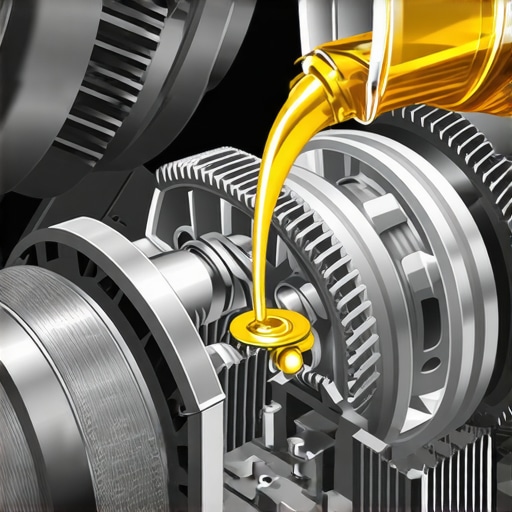
Using a funnel, pour the recommended type and quantity of new transmission fluid into the fill port. Refer to your manual or oil change tips for guidance. Be cautious not to overfill, which can cause foaming and shifting issues. I once added too much, leading to shifting problems until I drained the excess, illustrating why careful measurement matters.
Check for Leaks and Test Drive
Start the engine, shift through all gears, and then return to park. Inspect the drain area and around the fill plug for leaks. Use a clean rag to wipe any drips. Take the vehicle for a short test drive, paying attention to smooth gear shifts. After my last fluid change, I noticed improved shifting and quieter operation, confirming the effectiveness of proper procedure. Regularly checking and changing transmission fluid, as recommended, helps prevent costly repairs and extends your vehicle’s lifespan, aligning with expert advice found here.Many car owners believe that changing their oil or transmission fluid is a straightforward task, but in reality, there’s a lot of nuance and common myths that can lead even experienced drivers astray. For instance, the myth that fresh-looking oil or transmission fluid indicates a healthy system is widespread, yet it can be misleading. Modern synthetic oils, for example, resist discoloration longer, giving a false sense of security. In fact, relying solely on visual cues is a mistake. Regular testing and adherence to manufacturer-recommended intervals are crucial, as studies suggest that many drivers extend these intervals unnecessarily, risking engine wear and transmission failure.
Why does pure appearance fail as an indicator of fluid health?
Engineers and ASE-certified technicians emphasize that contaminant levels, viscosity changes, and additive depletion are better markers. Contaminants like metal shavings or clutch material can render the fluid ineffective despite its bright hue. Therefore, a more advanced approach involves using diagnostic tools or sending samples for lab analysis, especially for vehicles with high mileage. Neglecting these nuances can accelerate component wear, costing hundreds or thousands in repairs. Interestingly, some modern vehicles have sealed transmissions with no dipstick, making regular servicing even more critical. This evolution calls for a shift in how we perceive routine maintenance, understanding that superficial inspections are insufficient. Consider the typical proactive maintenance schedule: it’s designed around real data, not visuals. For detailed insights, regular oil changes and fluid tests remain your best defense against costly surprises. Don’t fall into the trap of assuming everything looks fine; instead, trust expert advice and use the right tools to keep your vehicle in prime condition. Remember, sealing a leak or replacing a filter prematurely can prevent a cascade of failures down the line. Moreover, an ASE certification ensures your mechanic is trained to detect these hidden issues accurately. Have you ever fallen into this trap? Let me know in the comments.Maintaining your vehicle’s transmission and overall performance requires the right tools and disciplined routines. As an ASE-certified technician, I rely on specific equipment that ensures precise diagnostics and effective repairs. One essential tool I personally use is the **OBD-II scanner with real-time live data** capabilities, like the **Autel MaxiCOM MK808**. This device allows me to quickly identify trouble codes, monitor sensor readings, and even reset maintenance alerts without visiting a shop. Its user-friendly interface and extensive vehicle coverage make it indispensable for proactive maintenance.
Another critical piece of equipment is the **digital multimeter**. I prefer models that measure both voltage and resistance accurately, such as the **Fluke 115**, because they help diagnose electrical issues, from sensors to wiring problems, with clarity. Proper electrical diagnostics can prevent transmission faults caused by faulty sensors or wiring shorts, saving time and money.
For fluid analysis, I recommend establishing a routine of sending transmission fluid samples to a certified lab—services like **Blackstone Laboratories**—to get detailed reports on viscosity, contamination, and additive depletion. This proactive approach transcends reliance on color cues and provides concrete data that guides maintenance schedules.
Regarding software, I advocate for using the **manufacturer-specific diagnostic software** for your vehicle, which often updates regularly and offers advanced features beyond generic tools. For instance, GM’s Tech2Win or Ford’s IDS provide tailored insights into your specific model’s systems, ensuring you’re not missing critical diagnostics.
Looking ahead, the trend points toward **integrated vehicle health monitors** and **AI-driven diagnostics** becoming commonplace. These systems can predict failures before they happen, alerting owners via smartphone apps and enabling timely interventions. Embracing this technology will significantly enhance long-term vehicle reliability.
How do I maintain my car’s transmission and electronics over time? Regular diagnostics with advanced tools, combined with scheduled fluid tests and utilizing manufacturer-specific software, creates a comprehensive defense against unexpected failures. If you’re serious about keeping your vehicle running smoothly, I suggest investing in a quality OBD-II scanner and adopting routine fluid analysis—trusted sources like **autofixclinic.com** regularly emphasize such practices.
Remember, consistent service not only preserves your transmission but also extends lucidity and lifespan of your engine. For example, using diagnostic tools like the **Autel MaxiCOM MK808** can help you spot issues early, saving costly repairs later. And for a detailed, data-driven maintenance plan, consider consulting expert guidance or your ASE-certified technician. For detailed insights on prolonging your vehicle’s lifespan, check out **this article**.
Ready to take control? Try connecting your vehicle to a diagnostic scanner and review the real-time data. It might reveal hidden problems before they escalate, safeguarding your investment for years to come.
Over the years, I’ve learned that trusting the shiny red hue of your transmission fluid isn’t enough. A vivid color can be hiding contamination, wear particles, and a host of issues that silently chip away at your transmission’s health. The most valuable insight I’ve gained is that proactive maintenance—regular fluid tests, understanding your vehicle’s specific needs, and partnering with knowledgeable mechanics—can save you thousands in repairs. Remember, what you see isn’t always what you get; the real health of your transmission is inside, where trust in routine checks and expert advice makes all the difference.
Lessons I Wish I Truly Understood About Transmission Maintenance
- Ignoring the subtle signs of transmission wear can lead to catastrophic failure. Even a transmission that shifts smoothly today might be on the brink of trouble—it’s a wake-up call to learn the early warning signs and act before costly repairs become unavoidable.
- Conventional wisdom says to change transmission fluid every 30,000 miles, but the real key is understanding your vehicle’s unique driving conditions and manufacturer recommendations, which you can find in detailed guides or by consulting an ASE-certified mechanic.
- The surface appearance of fluid—bright red and clear—can be deceptive. It’s essential to perform diagnostic tests or lab analyses, especially for high-mileage vehicles, to truly gauge the transmission’s health beyond visual cues.
- Upgrading your approach with the right tools—like advanced diagnostic scanners and lab testing—can give you a clear picture of your transmission’s condition, helping you make informed decisions rather than reactive fixes.
- Partnering with certified technicians who understand the nuances of your car’s make and model ensures that your maintenance is tailored, efficient, and effective, extending your transmission’s lifespan significantly.
My Go-To Tools and Resources for Lasting Transmission Health
- OBD-II Scanner with Live Data Capabilities: Devices like the Autel MaxiCOM MK808 provide real-time insights, helping catch problems early and avoiding surprises on the road. I trust it for its accuracy and user-friendly interface.
- Lab Testing Services: Sending fluid samples to trusted labs like Blackstone Labs means gaining detailed insights into contamination levels and additive depletion. This science-backed approach allows preventive action, saving money and stress.
- Manufacturer-Specific Diagnostic Software: Tools like GM’s Tech2Win or Ford’s IDS help me dive deeper into the transmission system’s electronics and sensors, revealing issues that generic scanners might miss. I always recommend this for precision diagnostics.
- Reliable Technical Guides and Forums: Staying current with resources like autofixclinic.com keeps me informed about the latest trends and findings, ensuring I offer the best advice and service.
Trust Your Instincts & Embrace Tech for Peace of Mind
Your vehicle’s transmission deserves more than looks alone. The future of automotive maintenance leans heavily on integrated diagnostics and early detection—embracing these tools and knowledge empowers you to drive with confidence. Remember, taking small proactive steps today—like regular fluid analysis and consulting ASE-certified mechanics—not only preserves your transmission but also enhances your overall driving experience.
Have you ever measured your transmission fluid instead of just checking its color? Share your stories below and tell us how proactive maintenance has changed your car’s performance!