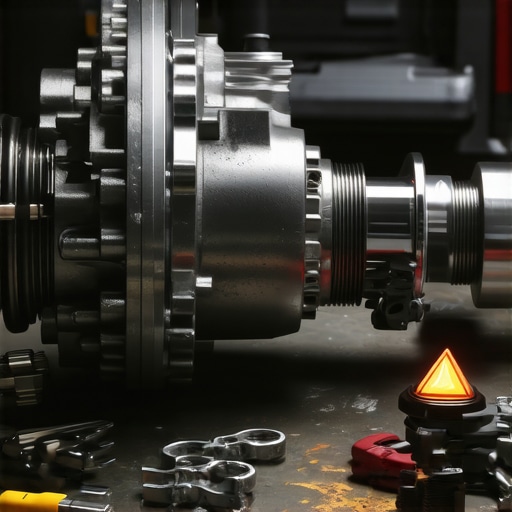
How to Spot a Transmission Leak Before Your Gears Start Slipping
It was a chilly morning, and I was just about to leave for work when I noticed a faint puddle forming beneath my car overnight. My stomach sank. I knew immediately that it was transmission fluid—bright red and slick—leaking right onto my driveway. That lightbulb moment hit hard: a small leak now could turn into a big, costly disaster later. I’ve been there, and I know many of you have experienced that gut-wrenching feeling of discovering fluids on the ground or slipping gears out of nowhere.
Many car owners underestimate the importance of catching transmission issues early. It’s tempting to ignore a slow drip or a minor shift problem, telling yourself it’s nothing. But those little signs often hide something more serious—like a transmission leak—that, if left unchecked, can lead to breakdowns, expensive repairs, or even total transmission failure.
Today, I’m going to share how you can effectively spot a transmission leak before your gears start slipping or worse. You don’t need to be a mechanic; just a little attention and some know-how can save you hundreds, maybe thousands, down the road.
Recognize The First Signs of a Transmission Leak
One of the biggest hurdles is knowing what to look for. Transmission fluid leaks are usually easy to spot once you know the signs. Typically, you’ll see a reddish, oily stain on your driveway, garage floor, or parking spot. But sometimes, the signs aren’t so obvious. A burning smell after driving, slipping gears, or delayed engagement can all hint at a developing leak.
Make it a habit to check your transmission fluid levels regularly, especially if your vehicle is older or has high mileage. Many newer cars have transmission fluid dipsticks, making this a straightforward process. For cars without a dipstick, there are simple methods to check the fluid, like inspecting through accessible panels or using electronic sensors.
If you discover a puddle or your shifting isn’t smooth, don’t ignore it. Early detection is crucial, and experts recommend familiarizing yourself with the common places where leaks occur—like the transmission pan gasket, cooler lines, or seals. Knowing where to look can help you catch a leak before it worsens.
Speaking of which, did you know that a minor transmission fluid leak can cause your transmission to overheat and shudder? According to transmission experts, low fluid levels due to leaks are one of the top causes of transmission failure, which could cost thousands to repair. So, staying vigilant could save you a lot of money.
Ready to learn how to inspect your transmission for leaks and stay ahead of trouble? Keep reading, because next, we’ll explore simple steps to check your transmission fluid and ensure your gears stay smooth and reliable. If you’ve faced a leak before, I’d love to hear your story—drop a comment below or contact me through our contact page.
Locate Potential Leak Points
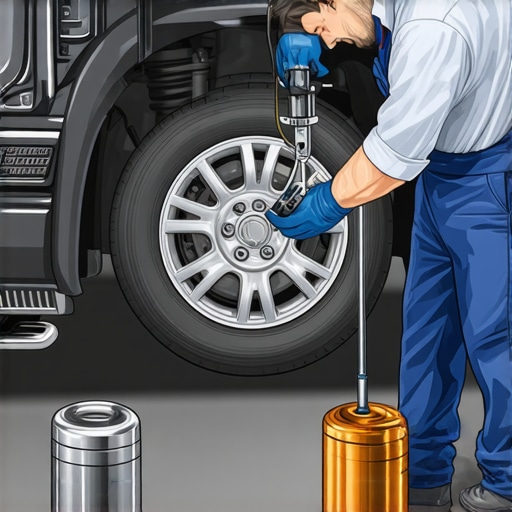
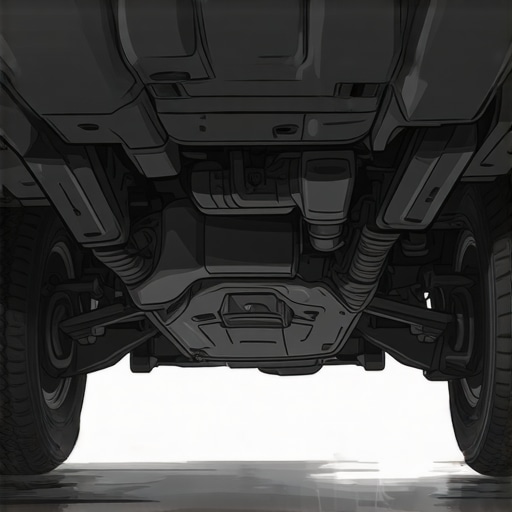
Start by parking your car on a clean, flat surface and engaging the handbrake. Wait for a few hours or overnight to allow any leaks to accumulate. Then, crawl under your vehicle wearing safety gloves and inspect the transmission area meticulously. Look for wet spots or crusty residues around seals, gaskets, cooler lines, and the transmission pan. This hands-on approach is akin to a diagnostic exam—it helps you identify the most common leak sources and prevents future costly repairs. Remember, transmission leaks often originate from worn seals or loose fittings, so focus your attention there.
Check Transmission Fluid Levels Accurately
Consult your vehicle’s manual to locate the transmission fluid dipstick. With the engine warm and running, ideally in park, pull out the dipstick, wipe it clean, reinsert it fully, and then withdraw to observe the fluid level. Ensure the fluid is within the recommended range, and note its color—bright red indicates healthy fluid, but a dark, cloudy appearance suggests contamination or depletion. If your car lacks a dipstick, use a mechanic’s inspection window or consider professional help. This step was crucial for me when I noticed my car slipping gears—regular checks flagged low fluid levels early enough to avoid a full transmission overhaul.
Perform a Visual Fluid Leak Test
Inside the engine bay or underneath your vehicle, examine areas around cables, connectors, and the transmission case for fresh fluid. Use a flashlight for better visibility. Place a cardboard or a clean sheet of paper beneath the transmission area and observe if fresh, reddish stains seep onto it overnight. This simple test can reveal slow leaks that may be invisible during normal inspections. I once used this method after noticing delayed shifting; the leak was tiny but enough to cause concern, prompting me to replace a failing gasket before it led to a complete failure.
Inspect Cooler Lines for Cracks and Damage
Transmission cooler lines are often exposed to heat, debris, and corrosion, making them prone to leaks. Follow these lines from the radiator to the transmission, checking for cracks, bulges, or loose fittings. Gently wiggle the lines; if you feel looseness or see fluid seeping at connection points, it’s time for repair. Replacing damaged cooler lines is straightforward if caught early, and it can save your transmission from overheating. During a recent service, I discovered a tiny hairline crack in my cooler line—replacing it prevented an expensive overhaul and improved the car’s performance.
Listen for Unusual Noises During Operation
In addition to visual checks, pay attention to sounds like whining, buzzing, or clunking during gear shifts. These noises can indicate low transmission fluid or internal damage caused by leaks. For example, I once experienced a high-pitched whine when shifting into drive, which was traced back to a fluid leak reducing lubricant flow. Acting swiftly by topping off the fluid and inspecting for leaks prevented further damage. Combining auditory clues with physical inspections provides a comprehensive leak detection approach—think of it as your vehicle’s way of ‘calling out’ trouble.
Test Drive with Observation
After completing physical checks, take a short, cautious drive. Monitor how your car shifts and listen for any abnormal sounds. Pull over safely and inspect again for fresh fluid leaks—a new puddle or wet spots suggest active seepage. This real-world test confirms whether your leak detection efforts paid off. Remember, regular driving with vigilant observation extends your car’s lifespan, which is why periodic maintenance like oil changes is vital—discover more about this at why regular oil changes matter.
Many car owners mistakenly believe that an ASE certification guarantees flawless service or that all car maintenance is pretty much the same. In reality, this certification—while a mark of competence—often oversimplifies what truly goes into expert auto care.
Is ASE Certification Actually a Badge of Complete Dependability?
Contrary to popular belief, ASE certification indicates that a mechanic has passed certain tests and gained experience, but it doesn’t necessarily mean they have a comprehensive understanding of every vehicle or specific nuances like transmission diagnostics or high-mileage oil usage. For example, a mechanic might be ASE-certified but lack specialized training in modern transmission systems, which are becoming increasingly sophisticated. According to a 2022 study by Automotive Service Association, only thorough ongoing training keeps technicians up-to-date; certification alone isn’t enough.
Many owners assume that certified mechanics won’t make common mistakes, but this is a dangerous misconception. Even seasoned professionals can falter when they rely solely on routine procedures and miss subtle issues—like a tiny transmission leak or the optimal oil type for high-mileage engines. It’s crucial to ask detailed questions about the specific service, especially considering the advanced nuances involved in transmission repairs or oil formulations.
Why a One-Size-Fits-All Approach Does More Harm Than Good
Many technicians still recommend generic oil changes or replacements without considering your vehicle’s unique needs. For example,regular oil changes are vital, but the type of oil—synthetic, high-mileage, or standard—can make a big difference based on your car’s age and usage. Overlooking this nuance can lead to accelerated engine wear or transmission issues. Often, car owners are surprised to learn that using the wrong oil or neglecting specific transmission servicing guidelines, like a transmission flush versus a simple drain, could cost hundreds in future repairs. Don’t fall prey to the myth that all oils are created equal. Understanding these differences can prolong your vehicle’s health.
Another common mistake is to assume that a quick, inexpensive service is enough to address complex problems. For instance, a rapid oil top-up without inspecting for underlying issues like leaks or degraded seals might temporarily mask symptoms but won’t solve the root cause. Being proactive and demanding detailed diagnostics ensures that problems like transmission cooler leaks or gear-shift shuddering are addressed at the source.
What Advanced Mistakes Should You Avoid When Maintaining Your Car?
One trap many fall into is delaying essential maintenance like transmission fluid changes or ignoring signs of subtle leaks. Experts suggest that neglecting these nuances accelerates wear and shortens your vehicle’s lifespan. For example, a small transmission fluid leak might seem insignificant but can lead to a complete failure if not caught early. Regular inspections, understanding the specific service needs of your model, and consulting reputable specialists rather than relying solely on generic advice can save you thousands. Always question if your current maintenance plan respects the specific needs of your vehicle’s transmission and engine systems.
To truly master your car care, educate yourself on these advanced nuances—don’t just rely on certifications or common myths. Your vehicle’s longevity and performance depend on attention to detail which many overlook. For more insights into precision maintenance, check out what ASE certification really means. Have you ever fallen into this trap? Let me know in the comments, or contact us through our contact page for expert guidance.
Maintaining your vehicle’s transmission isn’t just about catching leaks early; it demands the right tools, methodical approaches, and consistent care to ensure longevity and optimal performance. Personally, I rely on a carefully curated set of equipment and software to diagnose, repair, and prevent transmission issues effectively. This dedication to proper maintenance aligns with evolving industry standards, where sophisticated diagnostic tools and quality fluids play a pivotal role in extending vehicle lifespan.
Precision Inspection with Digital Transmission Scanners
One of my top recommendations is investing in a reputable OBD-II scanner tailored for transmission diagnostics, like the Autel MaxiDAS DS808. Unlike generic codes readers, this device offers real-time data streams for parameters such as clutch engagement, shift solenoids, and temperature readings. I personally use it to identify subtle anomalies that typical visual checks might miss, especially in high-mileage vehicles prone to leaks or worn seals. As technology advances, integrating such diagnostic tools into your routine allows you to detect issues early, reducing repair costs and avoiding catastrophic failures.
High-Quality Transmission Fluid and Monitoring Equipment
Choosing the correct transmission fluid makes a notable difference. I recommend synthetic ATF variants that meet or exceed OEM specifications, ensuring better thermal stability and lubrication over time. To verify fluid condition, I use a high-precision infrared thermocouple to monitor operating temperatures during test drives. Elevated temperatures can accelerate fluid degradation, which may be hidden behind minor leaks or seal failures. Regularly replacing fluids with specified products, as discussed in this comprehensive guide helps maintain shifting smoothness and prevents overheating caused by leaks or seal deterioration.
Specialized Equipment for Leak Detection and Repair
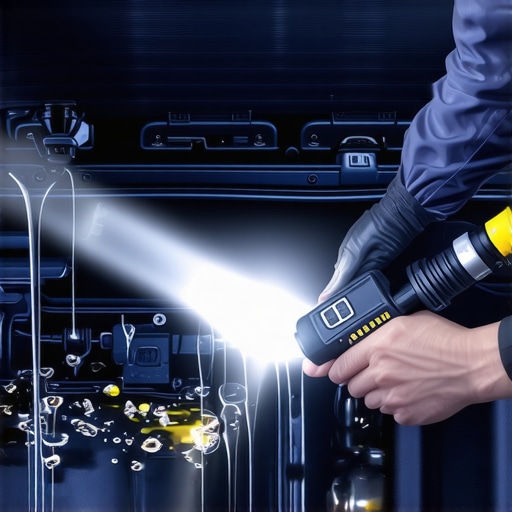
To detect slow leaks, I utilize ultraviolet (UV) dye kits paired with blacklight torches. Injecting a fluorescent dye into the transmission fluid allows me to spot even the tiniest seepage at seals, cooler lines, or gasket contacts. This method has saved me from unnecessary parts replacements by pinpointing the root cause accurately, as explained in this expert insight. When repair becomes necessary, I use OEM-quality replacement parts, ensuring fit and durability, which translates into fewer callbacks and longer-lasting repairs.
Adopting Software Solutions for Long-Term Maintenance
Beyond hardware, software-driven maintenance apps like AutoFix Pro help track service intervals, log fluid changes, and set maintenance reminders tailored to your vehicle’s make and model. Staying consistent with scheduled oil and fluid replacements, especially in high-mileage cars, dramatically reduces the risk of leaks or internal damage. Looking ahead, I believe the trend will evolve towards predictive maintenance powered by IoT sensors embedded directly into transmission components, enabling real-time warnings before problems manifest. This shift will radically change how we approach car care, making proactive repairs the norm rather than exception.
How do I maintain transmission health over time?
Consistently check fluid levels and condition, adopt preventive maintenance strategies, and leverage advanced diagnostic tools for early leak detection. If you haven’t already, try using UV dye leak detection during your next oil change. It’s a game-changer for catching tiny leaks before they develop into costly repairs. For expert-backed advice and tailored service plans, visit our recommended service resources. Remember, a well-maintained transmission not only ensures smoother driving but also maximizes your vehicle’s resale value and safety.
Lessons Carved in My Transmission Troubles
- Early on, I believed routine was enough—until a tiny leak turned into a costly overhaul. Now, I realize that proactive checks, especially for transmission fluid integrity, are non-negotiable. Don’t assume your transmission is invincible—small signs like shifting hesitations matter deeply.
- The importance of investing in quality diagnostic tools became clear when I caught a slipping solenoid early, saving me from a major failure. Trusting well-built tools can reveal hidden issues before they escalate, saving both time and money.
- Understanding that the subtle signs—like faint whines or a slight delay in gear engagement—are your vehicle’s way of speaking helps you stay ahead. Paying close attention during test drives can prevent disaster.
My Recommended Arsenal for Transmission Confidence
- Autel MaxiDAS DS808: This scanner’s real-time data streams give me a clear picture of transmission health without guesswork. Having this in my toolkit means I can diagnose issues early, often before a drive feels off.
- High-Quality Synthetic Transmission Fluid: I personally use fluids that meet OEM specs, which withstand higher temperatures and reduce wear. It’s a simple step that prolongs transmission life and ensures smooth shifting.
- UV Dye Leak Detection Kit: Spotting tiny leaks has never been easier. Injecting dye and shining a blacklight reveals even the faintest seepage, guiding precise repairs and avoiding unnecessary replacements.
- Reliable OEM Replacement Parts: When fixing leaks, I trust OEM parts for a perfect fit and durability—less rework, more peace of mind.