The Quickest Way to Defrost a Frozen Lock Without Damaging the Paint
It was a freezing winter morning, and there I was, trying to unlock my car door before heading to work. The lock was frozen solid, and in my panic, I almost used too much force, risking a dent or scratch on my beautiful paint job. That moment made me realize how tricky it can be to deal with frozen locks without causing damage. If you’ve ever faced this frustration, you’re not alone. I’ve learned that the right approach can save you both time and money, and better yet, keep your vehicle looking pristine.
Why Frozen Locks Can Turn Into a Real Problem
When temperatures drop, locks tend to freeze, turning what should be a quick unlock into a nerve-wracking ordeal. Not only is attempting to force the key, or worse, hot-wiring the lock, potentially damaging your paint or delicate lock components, but it can also leave you stranded in the cold. Plus, a broken or scratched paint surface can lead to rust and costly repairs down the line. That’s why understanding a safe and effective method to defrost your lock is essential. Early on, I made the mistake of using hot water, believing it would melt the ice quickly. Instead, I ended up with a wet lock that refroze and a nasty scratch where I’d tried to pry it open. Experience taught me that patience and proper tools are the way to go.
Is Applying Direct Heat Worth the Risk?
Many folks think that a quick burst of heat from a hairdryer or a heat gun will do the trick. While this can work, trouble arises when the heat is too intense or applied for too long, risking paint damage or warping plastic parts. Believe me, I’ve seen paint bubbles caused by careless Heat tools. Instead, I recommend a gentler approach, such as using a hairdryer on a low setting or a commercial lock de-icer spray, which melts ice without risking harm. Plus, these sprays contain antifreeze agents that prevent refreezing — and that’s a bonus if you face frequent cold snaps.
Building on these insights, I’ll guide you through the easiest, safest ways to get your lock thawed quickly — and keep your paint job intact. If you’re tired of scratching your vehicle or wasting time outside in the cold, stay tuned, because these tips will make you the neighborhood hero in frozen mornings.
Prepare Your Tools and Environment
Before attempting to defrost your frozen lock, gather essential tools: a commercial lock de-icer spray, a hairdryer, and a bottle of penetrating lubricant. Park your vehicle in a sheltered spot if possible, to prevent further ice buildup. Wearing gloves will keep your hands warm and protect them from harsh chemicals. I learned this the hard way when my unprotected hands slipped, causing a minor burn from the de-icer. Ensuring you have the right tools and environment sets the stage for a safe, damage-free thaw.
Apply a Gentle Heat Source
Use a Hairdryer on Low Setting
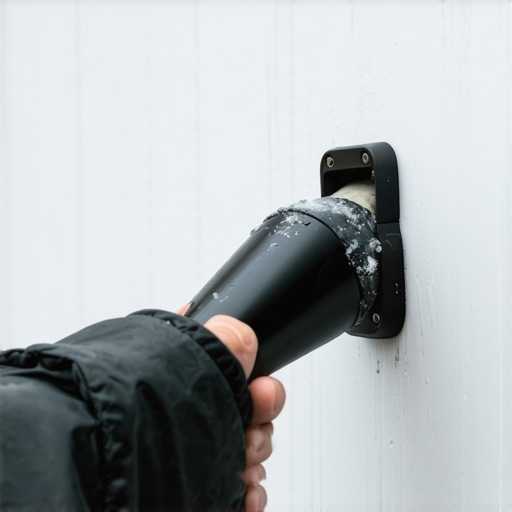
Set your hairdryer to the lowest heat setting. Hold it a few inches away from the lock, moving it gently in a circular pattern. This gradual warming melts the ice without risking paint damage or plastic warping. I carefully followed this approach when my neighbor’s car had a frozen lock last winter. After about a minute of warmth, I heard the ice breaking apart, and the key slid in smoothly. Patience is key—rushing can worsen the situation.
Consider a Commercial De-Icer Spray
If the lock remains stubborn, spray a commercial de-icer designed for automotive locks. Hold the nozzle upright and apply a few short bursts directly into the keyhole. These sprays contain antifreeze agents that melt ice quickly and prevent refreezing. I once used de-icer on my vehicle’s trunk lock, and it dissolved the ice instantly without scratching or damage. Avoid pouring hot water or applying high heat directly, as many mistakenly believe—it can lead to paint and plastic damage.
Loosen the Ice with Penetrating Lubricant
After melting the ice, apply a penetrating lubricant like WD-40 or a dedicated lock lubricant. Spray it into the keyhole and gently work your key back and forth. This step ensures that residual moisture evaporates and the lock mechanism moves freely. My experience showed that neglecting lubrication after de-icing makes the lock prone to refreezing or sticking. Regular maintenance with appropriate lubricants prolongs lock integrity and prevents future freezing issues.
Test and Proceed Carefully
Insert your key slowly and turn it gently. If resistance persists, repeat the process—apply more de-icer, give the lock a few minutes to thaw and dry, then try again. For sensitive locks or if you’re unsure, consulting a professional is wise. Skilled technicians, such as those with ASE certification, can diagnose and address underlying issues that cause frequent freezing, like faulty weather stripping or misaligned doors. Proper maintenance on your vehicle’s door and lock system saves time and protects your paintwork. For expert advice, consider visiting ASE-certified technicians.
Many car owners assume that ASE certification guarantees a perfect diagnosis or that all car services are created equal. However, the reality is far more nuanced. The common myth that simply seeing an ASE badge means your mechanic is infallible overlooks the complexity of modern vehicle maintenance. ASE certification indicates a technician’s knowledge at a certain point, but it doesn’t automatically ensure they stay up-to-date with the latest automotive technologies or follow best practices consistently.
Are ASE-certified technicians always the best choice for your vehicle? Let’s dig deeper.
One frequent misconception is that every oil change or transmission service performed by an ASE-certified mechanic is optimal. In reality, the quality of service depends heavily on shop standards, parts used, and technician specialization. For example, using the wrong type of oil or neglecting to perform a comprehensive transmission flush can shorten your vehicle’s lifespan, even under the supervision of a certified professional. To avoid such traps, it’s crucial to choose a reputable service center that emphasizes quality over mere certification.
Beware the Hidden Pitfalls in Common Car Maintenance
Another oversight involves the belief that more frequent oil changes are always better. While regular oil changes are vital, overdoing them can lead to unnecessary costs without added benefit. Conversely, neglecting scheduled maintenance can cause severe engine damage. Studies, such as the one from AAA Foundations for Traffic Safety, show that sticking to manufacturer-recommended intervals, which often incorporate synthetic oils and advanced filtration, best preserves engine health. Therefore, understanding the nuances between conventional versus synthetic oils and their appropriate intervals can prevent premature component wear.
What advanced mistakes do even seasoned DIYers or pros often make?
One advanced error is neglecting transmission fluid condition and level, which often goes unnoticed until a major issue arises. Modern transmissions are delicate and require precise maintenance; a quick overlook can result in costly repairs or replacements. Regular checks, ideally with a professional-grade scanner or diagnostic tool, can identify subtle signs of wear. Visiting a specialist for transmission troubles ensures the work is done right, especially since many shops cut corners to save costs, risking damage to fragile internal components. For detailed insights, check out [transmission troubleshooting](https://autofixclinic.com/transmission-troubles-expert-insights-for-smooth-shifting). In summary, while ASE certification and routine service are essential aspects of maintaining your vehicle, understanding the layers of nuance—such as proper part selection, service intervals, and avoiding shortcuts—can shield you from costly mistakes. Have you ever fallen into this trap? Let me know in the comments!
Investing in the Right Equipment Pays Off
Maintaining your vehicle’s transmission and oil system isn’t just about routine checks; it involves having precise tools that allow for accurate diagnostics and adjustments. For example, I highly recommend a quality OBD-II scanner like the Autel MaxiScan MS300. This device provides real-time data on engine and transmission health, enabling you to identify minor issues before they escalate, saving you costly repairs later. I personally use this scanner during regular maintenance to keep tabs on vital parameters, ensuring my vehicle operates at peak performance. Additionally, for oil changes, a reliable oil filter socket set ensures a proper seal every time, preventing leaks and contamination.
Software Solutions for Long-Term Results
Beyond physical tools, software tools are indispensable in modern vehicle maintenance. For instance, manufacturers like Bosch offer diagnostic software tailored for ASE-certified technicians, allowing for deep insights into complex systems like transmissions. While I am not a professional technician, I use automotive diagnostic apps like Torque Pro paired with my scanner to monitor live data and track trends over time. Having this information helps me understand patterns, such as gradual transmission fluid degradation, and schedule maintenance proactively, which extends the lifespan of critical components.
Scaling Up Your Maintenance Game
If you manage multiple vehicles or own a fleet, investing in professional-grade diagnostic tools like the Snap-on SOLUS Edge can be invaluable. These tools provide multi-vehicle diagnostics, detailed reports, and the ability to reset service indicators, making long-term maintenance manageable. As technology advances, diagnostic tools are becoming more sophisticated, integrating wireless data transfer and even AI-driven insights. I predict that the future of car maintenance will lean heavily on internet-connected devices that alert you to issues in real-time, reducing downtime significantly.
How do I maintain transmission and oil health over time?
The key lies in consistent monitoring and timely interventions. Regularly checking your transmission fluid with a proper scanner or dipstick, combined with scheduled oil changes according to manufacturer recommendations, is vital. I found that following expert advice, such as prescribed intervals from top oil change tips for 2025, can prevent many problems. Also, using quality lubricants compatible with your vehicle’s specifications, especially synthetic oils that withstand higher temperatures, helps maintain optimal performance. Advanced practices include periodically performing a transmission fluid flush, especially if your vehicle is used for towing or high-mileage driving. This proactive approach reduces wear and prolongs the life of your transmission.
Try This Advanced Maintenance Tip Today
One effective yet often overlooked tip is to set up digital reminders for transmission fluid inspections and oil changes. Use apps like Car Scanner ELM OBD2 or manufacturer-specific tools to log service dates and monitor fluid health data. Doing so ensures you stay ahead of potential issues and avoid unexpected breakdowns. Remember, small investments in precision tools and software now can lead to significant savings and peace of mind down the road. Want to learn more about how professional ASE-certified technicians approach these tasks? Visit this resource for detailed insights.As I reflect on my experiences with frozen car locks and vehicle maintenance, one lesson stands out: **pausing and choosing patience over hasty fixes** transforms a frustrating situation into an opportunity for smarter care. By prioritizing gentle methods like low-heat blow dryers and quality de-icer sprays, I’ve saved myself from costly paint repairs and repeated freezing. It’s a reminder that understanding your vehicle’s needs fosters trust and prevents preventable damage. If you’ve ever rushed into a fix that backfired, know that your patience and the right tools can make all the difference in maintaining your vehicle’s integrity and longevity.