What to Do When Your Engine Light Flashes Under Acceleration
I remember the moment vividly. I was cruising down the highway, enjoying the drive when suddenly, my engine warning light flickered on, right during a spirited acceleration. My stomach sank. That familiar mix of worry and frustration hit me—what does this blinking light really mean? Is my car about to crap out on me, or is it something minor I can ignore?
As a car enthusiast who’s faced many mechanical mysteries, I’ve learned the hard way that ignoring the engine light is a gamble I won’t take anymore. Today, I want to share what I discovered about handling that nerve-wracking warning sign when you’re in the middle of a drive. Especially under acceleration, it’s a situation that can range from benign to urgent, and knowing what to do can save you time, money, and a lot of stress.
Why That Flashing Engine Light Demands Your Attention
Let’s get real—an engine light doesn’t pop on just to bother you. It’s a coded message from your vehicle, signaling that something needs immediate attention. When the light flashes or blinks during acceleration, it could be related to a handful of issues—misfiring cylinders, problems with the catalytic converter, or sensor malfunctions. These aren’t minor glitches; some of them can cause significant engine damage if left unaddressed.
Early in my own automotive adventures, I made the mistake of assuming it was just a sensor glitch. That was a costly lesson. By the time I ignored the warning, my engine was already showing signs of serious wear, and repairs cost me hundreds instead of what could have been a simple fix. That experience prompted me to dig deeper—learning what triggers that flashing light and, more importantly, what steps to take when it happens.
The good news? Many issues you can spot and manage yourself before visiting a shop, especially if you know what to look for. I’ll walk you through the practical actions you should take now, so you’re not stuck staring at a blinking dashboard or facing an unexpected breakdown.
Is It Really Worth Worrying Over a Flashing Light?
When I first saw that blinking engine light, my instinct was to panic. But I realized early on that not every illumination demands an immediate tow. The key is understanding what the flashing pattern means and how to interpret it. For example, a steady light might just be a reminder for regular maintenance, but a flashing light typically indicates a severe issue—like misfiring—that could damage your catalytic converter or cause your engine to stall.
One mistake I made initially was delaying diagnostics, thinking I could ‘just make it home.’ That delay cost more than a quick check-up might have. Modern vehicles are equipped with onboard diagnostics, which can tell you a lot about the root cause of that warning. If you’re curious about how these systems work, check out the insights at [what does an ASE certification mean for your car’s maintenance](https://autofixclinic.com/what-does-an-ase-certification-mean-for-your-cars-maintenance).
Now, let’s move beyond the worry—here’s exactly what you should do when that engine light flashes during your drive, so you’re prepared and protected.
Pull Over Safely and Turn Off Your Engine
Immediately signal and find a safe spot to pull over. Think of your engine as a delicate balance; when the warning light flashes, it’s like your car sending an urgent SOS. Turn off the engine to prevent further damage, especially if you’re on a busy road. Restart after a few minutes to see if the warning persists—sometimes, temporary issues trigger false alarms, but don’t rely on this alone.
Check for Obvious Issues and Smell
Open the hood, and visually inspect for loose wires, hoses, or fluid leaks. A burnt smell or visible smoke indicates serious trouble. If you notice any of these, it’s best to avoid driving further and call for professional help. Use your senses—smoke, odd smells, or excessive heat are signals that your vehicle needs immediate attention.
Read the Error Codes with an OBD-II Scanner
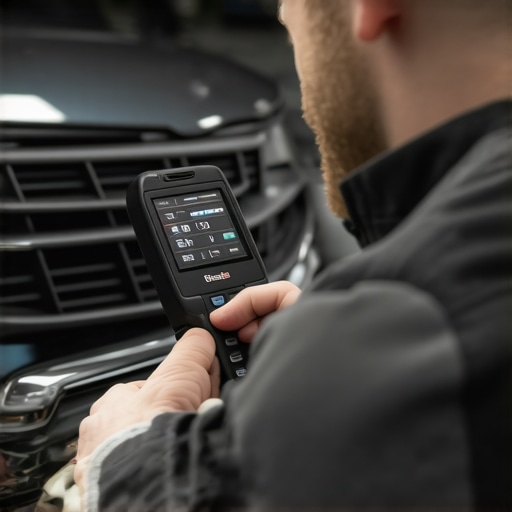
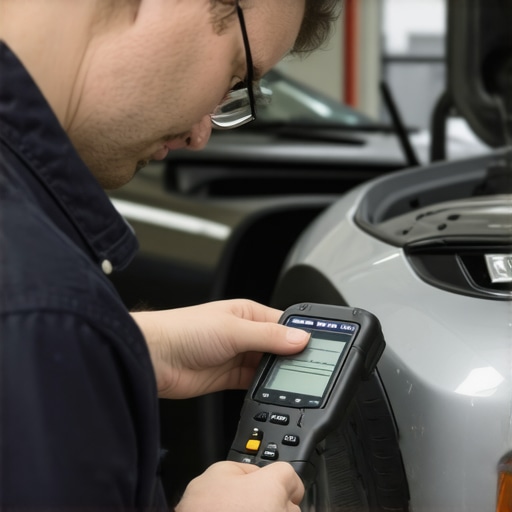
Use an On-Board Diagnostics (OBD-II) scanner to retrieve trouble codes. These codes are like a car’s secret language, pinpointing specific problems. Many auto parts stores offer free code reading, or you can invest in your own scanner. For example, a misfire code like P0300 signifies misfiring cylinders, which can cause the flashing light during acceleration. Understanding these codes helps determine if a simple fix suffices or if you need professional diagnostics.
Applying this step in practice
Once, during a weekend road trip, my engine light started blinking when I accelerated onto the highway. I pulled over, connected my scanner, and found the code P0302, indicating a misfire in cylinder 2. Knowing this, I limited my speed, avoided hard acceleration, and scheduled a mechanic visit promptly. This prevented potential damage to my catalytic converter, which could have been costly.
Decide Whether to Continue or Seek Help
If the codes point to minor issues—like a loose gas cap or low-quality fuel—you might be able to fix or top off fluids yourself. Refer to your vehicle’s manual or trusted tutorials on [top oil change tips](https://autofixclinic.com/top-oil-change-tips-for-safe-driving-in-2025) for guidance. However, if codes indicate severe problems, such as engine misfires or sensor failures, it’s safer to stop driving and call a professional [contact us](https://autofixclinic.com/contact-us). Attempting to drive through deep engine trouble risks exacerbating the damage.
Consider Your Vehicle’s Maintenance History
Regular preventive maintenance is your best defense, especially for issues like ignition problems. Review your service records or ask your mechanic about recent diagnostics. If your car has missed recent oil changes, like [why regular oil changes extend your car’s lifespan](https://autofixclinic.com/why-regular-oil-changes-extend-your-cars-lifespan), neglect might contribute to engine misfires or sensor clogging.
If Unsure, Contact a Certified Technician
When in doubt, seek expert advice. An ASE-certified technician can analyze your vehicle’s data more accurately. They use specialized tools and experience to pinpoint issues quickly. Remember, professional diagnostics might cost a little upfront, but they save money by preventing further damage and ensuring safety. Find out what [ASE certification](https://autofixclinic.com/what-does-an-ase-certification-mean-for-your-cars-maintenance) really means for your car’s upkeep.
Beware the Myths About Transmission Longevity and Maintenance
Many car owners operate under the misconception that transmission repairs are always costly and complex, leading to unnecessary panic at the slightest shift issues. Contrary to popular belief, regular and informed maintenance can significantly extend the life of your transmission. For instance, understanding the nuances between a simple transmission fluid change and a full flush is crucial—experts recommend routine fluid changes, but many fall prey to the misconception that flushing is always better, which isn’t necessarily true. According to transmission specialists, aggressive flushing can sometimes dislodge debris, causing blockages if not performed properly. So, knowing when and how to maintain your transmission is key to preventing costly repairs.
Another common trap is assuming that shifting problems stem solely from transmission failure. Often, what appears to be a transmission issue might actually originate from worn linkages, low fluid levels, or signals of sticking valves—issues that a seasoned mechanic can diagnose efficiently. Recognizing these signs early can save you from prematurely replacing your entire unit. Choosing the right service provider is vital; not all shops understand the subtleties of transmission systems, especially modern sealed units that require specialized diagnostics.
What Are Advanced Drivers Missing When Maintaining Their Cars?
Here’s the advanced nuance: while many focus on regular oil changes and basic fluid checks, few realize the importance of inspecting related components such as transmission mounts, sensors, or even software updates for electronically controlled transmissions. Ignoring these can lead to shifts that seem minor but cause excessive wear over time. Recent studies, like those from automotive engineering journals, highlight how neglected ancillary parts can masquerade as transmission failures, leading owners to perform unnecessary rebuilds or replacements. Staying ahead requires a comprehensive approach—periodic inspections beyond just change intervals and understanding modern vehicle diagnostics.
Furthermore, the misconception that qualified ASE certification alone guarantees expert transmission work needs addressing. Not all ASE-certified technicians are equally experienced with today’s complex systems. Do your homework—look for specialized training, manufacturer certifications, and a proven track record. For example, reading about what ASE certification entails can help you identify mechanics who are truly qualified to handle sophisticated systems, saving you money and frustration in the long run.
Now, I want to hear from you—have you ever fallen into this trap of misjudging transmission maintenance? Share your experiences in the comments below and let’s expand our understanding of these hidden nuances that can make or break your vehicle’s performance.
Investing in the Right Equipment for Sustainable Car Care
To keep your vehicle running smoothly over the years, having the right tools and maintaining a disciplined approach is essential. I personally swear by a high-quality OBD-II scanner, such as the BlueDriver, because of its reliable Bluetooth connectivity and comprehensive code database. It allows me to quickly identify trouble codes like P0300, which often causes a flashing engine light during acceleration, and decide whether a quick fix or professional help is needed. Additionally, a digital torque wrench has become indispensable in my garage; precise torque application ensures seals and bolts are correctly tightened, preventing leaks or component failures, especially in transmission service tasks.
Beyond hardware, I recommend investing in diagnostic software compatible with your vehicle’s make and model. For example, OEM-specific diagnostic tools can unlock deeper system insights, vital for ASE-certified technicians and serious amateurs alike. Combining these tools with a well-organized toolkit—like magnetic trays for fastener collection—ensures you’ll be prepared for most maintenance scenarios, from oil changes to complex transmission diagnostics.
How do I maintain my vehicle over time with tools?
Consistent maintenance depends on routine checks and knowing your vehicle’s system signals. Regularly monitor fluid levels and condition using specialized testers; for instance, a transmission fluid tester helps detect burnt smell or discoloration, which Foam-testing aids in early detection of contamination, preventing costly repairs. Moreover, keep a detailed log of diagnostics performed, repairs, and parts replaced. This history not only guides future maintenance but also supports your vehicle’s longevity, especially if you plan to scale your fleet operations or attempt DIY repairs to save on costs.
Looking ahead, I believe advancements in AI-driven diagnostic tools will make car maintenance more accessible and precise for everyone. Imagine software that predicts failures before symptoms appear, based on your driving habits and sensor data. Until then, mastering current tools like OEM scanners and torque wrenches remains the best strategy for sustained vehicle performance.
Make Your Maintenance Count with Expert Advice
Don’t underestimate the power of quality equipment—invest in reliable diagnostic software and precision tools to extend your vehicle’s lifespan. Then, combine these with solid knowledge about maintenance intervals and service techniques, such as oil changes—remember, regular oil changes are foundational. Try implementing a weekly check of your transmission fluid’s condition using a tester, and see how proactive maintenance reduces surprises on the road.
How do I maintain transmission health over time?
Regularly scheduled fluid changes, using the correct type recommended by your vehicle’s manual, are key. Also, periodically inspect transmission mounts and sensors with a diagnostic tool to catch issues early. This multi-faceted approach ensures smoother shifts and longer transmission life, aligning with insights from transmission expert guidance. Building a routine around these practices will yield long-term benefits for your vehicle’s performance and your peace of mind.
Unspoken Truths That Saved My Transmission
One light bulb moment was realizing that not every warning sign needs an immediate panic response; some issues are simply signals to pay closer attention. My mistake was rushing to fix what I thought was urgent, only to realize later I was ignoring the subtle signs of a developing problem. Embracing patience and diagnostics taught me that proactive checks save much more than reactive repairs.
Another lesson was understanding that routine maintenance isn’t just about doing things by the clock but about listening to my vehicle’s unique needs. When I learned to interpret subtle changes—like slight shudders or odd noises—I could address issues before they became costly repairs. It’s about building a relationship with your car’s signals, especially with components like the transmission that are often misunderstood but vital for smooth driving.
Finally, I discovered the importance of trusting specialists over quick fixes. Investing in an ASE-certified technician and using the right diagnostic tools means fewer surprises and longer transmission life. Knowledge truly is power—empowering you to make informed decisions about your car’s health and to avoid common pitfalls that many drivers unknowingly fall into.
Your Next Step in Car Revival
Equip yourself with tools and knowledge to take control of your car’s care. Tools like a quality OBD-II scanner are game-changers, providing insights that help you prevent big problems. Remember, regular checkups and education are your best allies—don’t wait for that blinking engine light to become a major repair.
Take action today: view your vehicle as an ongoing project, not just a machine—that mindset will transform your approach to maintenance and save you money in the long run. Staying curious and proactive makes every drive safer and more enjoyable. Your car deserves this level of care, so get started and make your transmission last for hundreds of thousands of miles.
What small habit have you adopted that significantly improved your vehicle’s longevity? Share your story below and help others learn from your experience!