The Subtle Jerk in Second Gear That Means a Bad Solenoid
One morning, I was cruising down the street, coffee in hand, when suddenly, my car lurched just a bit in second gear. It was so subtle I almost ignored it—until it happened again, a little more pronounced. That elusive jerk felt innocent at first, but I knew better. Cars, just like us, whisper their problems before they shout. Ignoring that tiny nudge could lead to bigger, more expensive issues down the line.
The Hidden Signs of a Failing Transmission Solenoid
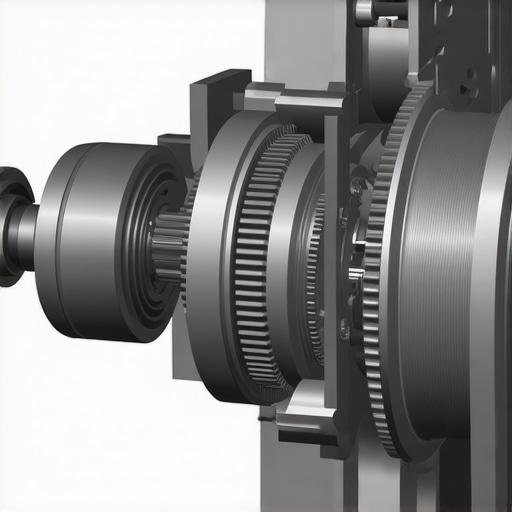
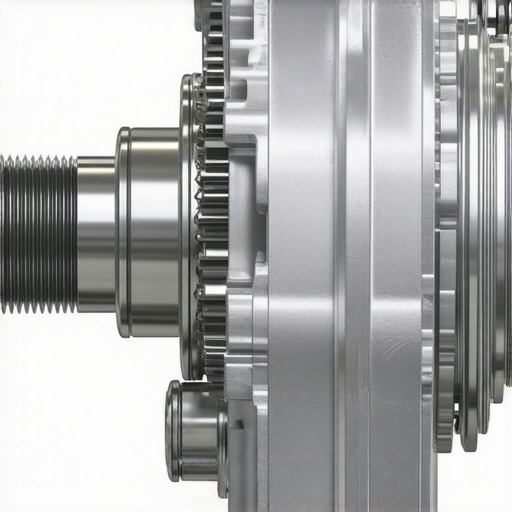
If you’ve ever experienced a slight, inconsistent jerk when shifting from first to second gear, you’re not alone. This was a lightbulb moment for me—a sign that something’s not quite right inside the transmission. Today, I’ll help you understand why this happens and how to spot the real culprit: a worn-out or bad solenoid. Knowing this can save you from sudden breakdowns and hefty repairs. And trust me, catching these signals early makes all the difference.
Is Your Transmission Problem Overhyped? Think Again
One mistake I made early on was assuming that transmission issues only crop up when the car refuses to shift altogether. But that’s not the full story. Subtle shifts, slight jerks, or delayed responses are often early warnings—signs that your transmission’s insides are crying for help. According to experts at Auto Fix Clinic, these minor symptoms shouldn’t be ignored. The earlier you address them, the better your chances of avoiding costly repairs.
So, have you felt that uneasy jolt or delay when shifting? Or have you just brushed it aside, thinking it’s normal wear and tear? You’re not alone. Many drivers overlook these tiny cues—that is, until the problem worsens. Luckily, understanding the role of transmission solenoids—and acting quickly—can keep your drive smooth and worry-free.
Next, I’ll walk you through how this component works, why it fails, and what you can do to keep your transmission in top shape. Ready to get your car shifting seamlessly again? Let’s dive in.
,
Test Your Transmission Fluid and Solenoid Response
Start by locating the transmission fill plug and using a clean dipstick or a dedicated transmission fluid tester to check the fluid level and condition. If the fluid looks dark, burnt, or smells off, it’s time for a change—regular oil changes extend your car’s lifespan here. To test the solenoid, shift your vehicle into gear and observe if there’s a delay or jerk. A bad solenoid often causes delayed shifting or erratic response, much like a relay acting up in an electronic device.
Access and Inspect the Transmission Solenoid
Locate the transmission control solenoid pack—usually mounted on the side or top of the transmission body. Use a jack and secure the vehicle on stands for safety. Wear gloves and eye protection; transmission fluid can be hot and messy. Disconnect the electrical connector, then remove the mounting bolts. Carefully take out the solenoid assembly. If you notice debris, burnt smell, or corrosion, that’s a sign it’s failing. Consult your vehicle’s service manual or a certified technician for precise removal and inspection guidelines.
Test the Solenoid with an External Power Source
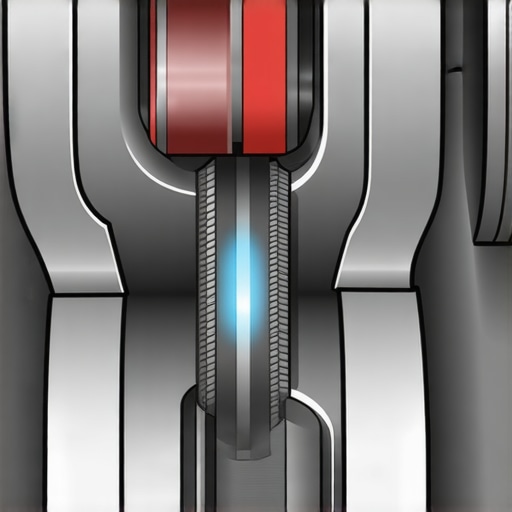
To confirm if the solenoid is faulty, use a 12V power supply—like a car battery with jumper cables. Connect the positive terminal to the solenoid’s coil terminal and the negative to its body or ground wire. When energized, the solenoid should click and pull in or out, moving a plunger or valve. If there’s no response, the coil is likely burnt out. Remember, this test is basic; a professional diagnosis can confirm if replacement is necessary.
Replace or Repair the Faulty Solenoid
If tests confirm a bad solenoid, order a replacement from a trusted supplier or your dealership. Ensure the part matches your vehicle’s make and model; OEM parts last longer and provide better performance. While some DIY enthusiasts can replace the solenoid, having a certified mechanic perform the swap ensures proper installation and calibration. Remember, improper installation can lead to further transmission issues, so it’s best to consult experts if you’re unsure.
Flush and Refuel Properly
After replacing the solenoid, drain the old fluid and refill with manufacturer-recommended transmission fluid. Regular flushing prevents debris buildup that can compromise new components and prolongs transmission health. Check the fluid level with the dipstick, maintaining it within the recommended range. For detailed guidance on transmission flushing, visit this article. Remember, a clean, well-maintained transmission fluid prevents future solenoid failures caused by sludge and contaminants.
Monitor Post-Repair Performance
Drive your vehicle gently at first, avoiding aggressive shifts or high RPMs. Observe how the transmission responds—any jerks, delays, or whining noises indicate ongoing issues. Use a diagnostic scan tool to read any stored transmission codes. If problems persist, revisit your mechanic for a thorough inspection, as persistent symptoms may signal additional internal damage. Regular check-ups and maintenance can stop minor issues from escalating into costly repairs.
By following these practical steps—testing, inspecting, replacing, and maintaining—you reduce the risk of transmission failure and ensure your car shifts smoothly. Remember, proactive care and expert advice go hand-in-hand; don’t hesitate to reach out to professionals when in doubt, for your car’s health and your safety on the road.
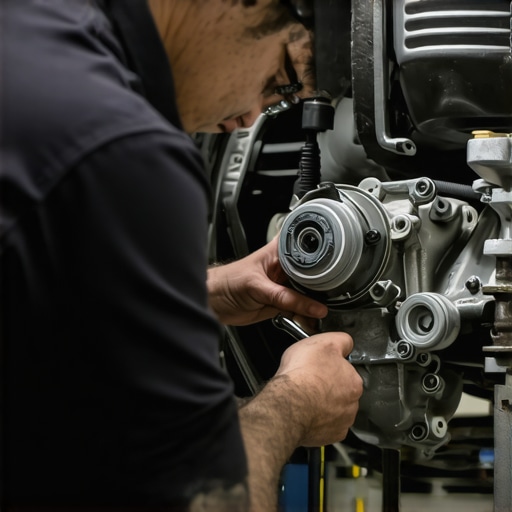 Many car owners believe they understand basic maintenance, but in my experience, misconceptions still run rampant, leading to costly mistakes. One widespread myth is that all transmission fluids can be replaced with generic versions without affecting performance. In reality, using OEM-specific or high-quality fluids tailored for your vehicle ensures optimal operation and longevity, as emphasized in expert advice. Moreover, some assume that regular oil changes are only about changing the oil; however, neglecting to replace the oil filter and verify oil quality can hinder engine health over time. The top oil change tips highlight that proper procedures extend your vehicle’s lifespan. One often overlooked nuance is the importance of ASE certification. Many drivers think it’s just a buzzword, but true ASE certification indicates a technician’s mastery in diagnosing complex systems, particularly in modern vehicles with advanced electronics, as explained here. Failing to verify a service provider’s credentials can result in improper repairs and even voided warranties. An advanced mistake many make is assuming auto shops that promote cheap prices are competent. Cutting corners on diagnostics or repairs often leads to repeat issues or even severe engine or transmission damage. For instance, skipping a transmission fluid change based solely on mileage without symptom verification can cause irreversible damage, as shown in this analysis. Let’s dig deeper—are you aware that some shops might purposely delay necessary maintenance to pad their bottom line? Ensuring your car receives the right service at the right time, certified by qualified technicians, is crucial to avoid these pitfalls. Don’t fall prey to these misconceptions; stay informed about your vehicle’s needs, and cultivate a relationship with a trusted, ASE-certified mechanic. Regular maintenance isn’t just about preventing breakdowns; it’s about optimizing performance and safeguarding your investment. Have you ever fallen into this trap? Let me know in the comments.
Invest in Quality Diagnostic Equipment and Routine Maintenance Tools
To truly master vehicle upkeep, having the right tools is paramount. I personally rely on a high-quality OBD-II scanner, such as the Autel MaxiCOM, because it offers comprehensive diagnostics that go beyond generic code reading. This device allows me to access manufacturer-specific data, clear trouble codes, and even monitor live sensor data, empowering me to catch issues before they escalate. Pairing this with a digital multimeter and a wireless tire pressure gauge enables efficient troubleshooting and regular checks—essential for maintaining optimal performance over time.
Utilize Professional-Grade Software for Predictive Maintenance
Beyond physical tools, I leverage specialized software like AutoLogic to analyze vehicle health trends. These platforms compile data from your vehicle’s onboard systems, helping predict failures related to transmission, oil quality, or cooling systems. Incorporating these insights into your maintenance schedule can significantly extend your vehicle’s lifespan and save money in the long run. As technology advances, software tools will become even more integral for proactive car care, making routine check-ups smarter and more data-driven.
How do I maintain my vehicle’s transmission over time?
Consistent transmission maintenance is critical. Regular transmission fluid changes, ideally every 50,000 miles or as advised by your manufacturer, prevent sludge buildup and mitigate wear on sensitive components like solenoids. Additionally, scheduling periodic inspections with ASE-certified technicians ensures that transmission seals, filters, and coolers function optimally. Investing in quality repair parts and fluids—preferably OEM—can make a significant difference in performance longevity. In the future, adaptive maintenance systems might automate some of these checks, leading to even better vehicle health management.
Plan for Scalable Maintenance as Your Fleet Grows
If you manage multiple vehicles, scalable tools like fleet management software become indispensable. Platforms such as fleet-specific diagnostics help track service history, schedule routine check-ups, and ensure that all vehicles receive consistent, high-quality maintenance. Implementing a preventative care regime now prepares your fleet for future expansion, reducing downtime and repair costs. As vehicle technology evolves—especially with emerging electric and hybrid models—adapting your tools and practices early will keep your fleet ahead of potential issues.
To maximize your vehicle’s efficiency and lifespan, I recommend trying out an advanced diagnostic routine that combines regular oil analysis with software monitoring. This proactive approach can reveal early signs of transmission or engine trouble and allow for timely interventions. Remember, an ASE-certified technician can guide you through these processes, ensuring your investments remain protected. Curious to see how these tools work? Reach out to professional experts for personalized recommendations or assistance with setup.
< >
>
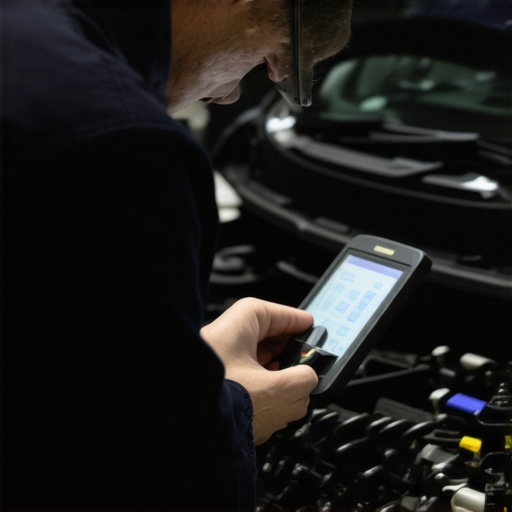
Image prompt: A professional automotive technician using a high-tech diagnostic scanner on a modern vehicle engine, showcasing advanced tools in action.
Hard-Earned Truths About Car Maintenance That Nobody Tells You
Over time, I’ve realized that the real lessons in vehicle care come from our mistakes and unexpected discoveries. For instance, I once underestimated how crucial using OEM-spec transmission fluid truly is—cutting corners may save a few dollars upfront but can cost hundreds in repairs later. It was a lightbulb moment: quality parts and fluids aren’t optional—they’re essential for longevity. Additionally, trusting the wrong technician can turn a straightforward service into a headache. Getting certified ASE techs means I’m investing in expertise, not just a quick fix. Lastly, I learned that proactive monitoring with the right diagnostic tools catches problems early, saving money and stress on the road. These lessons remind me that thoroughness and quality always outperform shortcuts when it comes to vehicle health and safety.
Tools and Resources That I Trust for Long-Term Success
Having reliable tools makes all the difference. I swear by the AutoLogic diagnostic software because it offers detailed insights beyond generic code readers, enabling me to predict issues before they escalate. For physical diagnostics, my high-quality OBD-II scanner helps me verify everything from transmission health to engine performance. When it comes to trusted readings, I rely on top oil change tips that emphasize proper procedures, ensuring my vehicle remains in prime condition. Investing in these resources is a no-brainer for any car owner aiming for long-term peace of mind.
Your Next Step Toward Smarter Car Care
Taking control of your vehicle’s health doesn’t have to be overwhelming. The knowledge and tools are within your reach, and small, consistent steps make a big difference. Regularly testing your transmission fluid, choosing qualified ASE-certified technicians, and staying informed with trustworthy resources will transform your maintenance routine from reactive to proactive. Remember, your vehicle is an investment—treat it with care and attention, and it will reward you with reliable performance and safety. Curious about your car’s specific needs? Feel free to reach out to professional experts for personalized advice. The power to keep your transmission shifting smoothly is in your hands—start today!