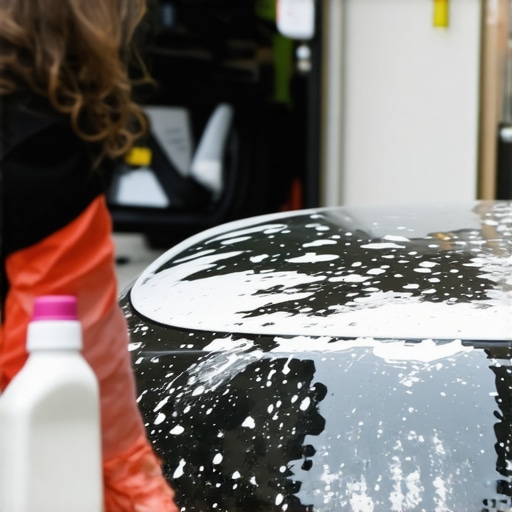
How to remove tree sap without ruining your clear coat
It was a bright Saturday afternoon when I parked under a sprawling oak tree during a quick stop at the grocery store. As I returned, I noticed a fresh, stubborn streak across my hood — a thick, glistening deposit of tree sap. My heart sank. I knew that if I didn’t act fast, that sticky mess would bake into the clear coat, turning into a nightmare to remove later. That moment was my lightbulb: I realized how little I actually knew about safely removing tree sap without ruining my car’s pristine finish.
Why Removing Tree Sap Can Be So Tricky for Your Car’s Finish
Tree sap is like nature’s glue — sticky, tenacious, and impressively resistant to the usual cleaning methods. The problem isn’t just the sap itself; it’s what it does to your car’s clear coat if left untreated. I learned this the hard way early on, by scrubbing too aggressively and ending up with micro-scratches that made my finish look dull. The harsh scrubbing, using abrasive cleaners, actually exacerbated the damage, making me realize that removing sap requires patience and the right approach.
According to automotive experts, the key is to soften the sap before attempting removal, preventing unnecessary scratches and maintaining your vehicle’s appearance. If you’re like me and value that glossy, mirror-like finish, understanding how to remove sap safely is essential.
Are you tired of battling stubborn sap spots on your vehicle, only to worry about damaging your paint? If so, you’re not alone. I’ve been there, and that’s why I want to share the methods I’ve discovered that protect your clear coat while effectively removing tree sap.
Is This Process Too Good To Be True?
Early in my car-care journey, I made the mistake of using aggressive solvents right away. I thought stronger chemicals would cut through the sap faster. But I soon learned that high-strength solvents could also dull or even strip away your clear coat if you’re not cautious. Trust me, patience and gentle products are your best allies. If you want to avoid costly repairs and preserve your vehicle’s shine, sticking to proven, gentle techniques is crucial.
Now that I’ve spilled my lessons learned, let’s move on to how to tackle those sticky interruptions without threatening your car’s finish.
Start by Softening the Sap
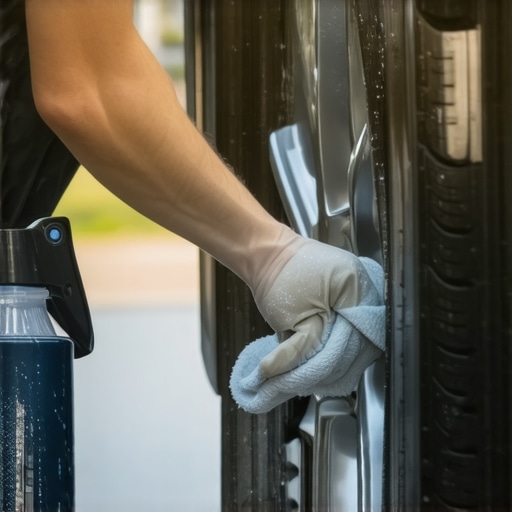
In my experience, the first crucial step is to soften the sap to prevent scratching. I recommend using a microfiber cloth soaked in warm, soapy water and gently laying it over the sap for a few minutes. This helps to loosen the sticky residue. Once softened, carefully peel back the cloth, avoiding any aggressive scrubbing that can damage the clear coat.
Apply a Gentle Car-Safe Solvent
Next, I used a dedicated automotive sap remover or a gentle solvent like isopropyl alcohol. I dabbed a small amount onto a clean microfiber towel and gently applied it directly onto the sap. Avoid using harsh chemicals like acetone or paint thinners, which can strip your clear coat. Patience is key here: let the solvent sit for 30 seconds, giving it time to dissolve the sap, then gently wipe away.
Use a Plastic Scraper for Stubborn Spots
If some sap remains, I used a plastic razor blade or scraper—something soft enough to avoid scratching but sturdy enough to lift the residue. Hold it at a shallow angle and gently lift the softened sap. I found that applying light, steady pressure minimizes the risk of damage. Never use metal tools, as they can gouge your paint.
Repeat and Clean
For particularly stubborn areas, repeat the application of solvent and gentle scraping. After removing the sap, clean the area with a mild car wash soap, rinse thoroughly, and dry with a clean microfiber cloth. This final rinse ensures no residue is left behind that might cause degradation over time.
Protect with Wax or Sealant
Finally, I applied a quality car wax or sealant to restore the shine and add a protective layer. This step is vital; it acts as a shield against future sap deposits and environmental contaminants. Regular waxing, as emphasized in top oil change tips for safe driving in 2025, extends your vehicle’s lifespan and maintains its finish.
Note: Always test any solvent on a small, inconspicuous area first. If you’re unsure, consulting a professional at an ASE-certified shop, like what ASE certification means for your cars maintenance, can save you from costly mistakes.
What I Learned from My First Attempt
My initial attempt involved multiple harsh chemicals and aggressive scrubbing, which resulted in micro-scratches on my clear coat—an experience I don’t want you to repeat. Instead, patience and the correct products are your best allies when tackling tree sap. When in doubt, seek advice from a trusted, ASE-certified technician. For instance, diagnosing vehicle issues isn’t difficult if you know the right approach and tools.
Many car owners believe that all service centers are the same, but in my experience, there’s a disconnect between common perceptions and what truly matters for your vehicle’s longevity. One widespread myth is that an ASE certification guarantees a technician’s expertise in every area. While ASE certifies a technician’s competency, it doesn’t necessarily mean they specialize in complex diagnostics or high-mileage maintenance. For instance, a technician with an ASE L1 certification has advanced diagnostics skills, which are crucial for modern engine issues, but many technicians lack this specialization. Relying solely on certification without understanding the technician’s focus can lead to missed issues or unnecessary repairs.
Another misconception is that oil changes are just routine and don’t require attention beyond replacing the filter and oil. However, the type of oil and the intervals between changes significantly impact engine health. Using synthetic oil and adhering to manufacturer recommendations can extend your engine’s lifespan, as explained in this detailed guide. Skipping or delaying oil changes might seem like a time-saver, but it can cause sludge buildup and wear, especially under high-stress conditions.
Similarly, many overlook the importance of transmission maintenance. The myth is that transmission fluid lasts forever; in reality, degraded fluid leads to slipping, rough shifts, and eventual failure. A common mistake is neglecting regular transmission fluid checks, which should be done with the proper tools. For advanced readers, note that manual transmission fluid can degrade faster due to heat and driving style, making scheduled changes essential. Learn more about the significance of transmission care in this expert article.
One Oops to avoid is assuming that all cheap parts or quick-lube shops provide the same quality service. Skilled technicians with proper tools, like those with higher levels of ASE certification, focus on preventive maintenance rather than quick fixes. Cutting corners might save money now but could lead to costly repairs later. Remember, regular maintenance acts as an investment in your vehicle’s future, not just an expense.
Ever wonder why your vehicle’s performance deteriorates despite regular service? The answer often lies in not paying attention to nuances like proper diagnostics, part quality, or service intervals. As I emphasized earlier, understanding the real reason behind common issues can prevent costly mishaps. For example, unfamiliarity with the specific needs of high-mileage transmissions or turbo engines can lead to unnecessary repairs. A great resource is this article on choosing qualified technicians.
As a reminder, the key is to look beyond surface-level certifications and focus on a shop’s specialization and diagnostic capabilities. Ensuring that your service provider keeps up with the latest technologies—like adaptive transmission systems or synthetic oils—is vital. Don’t fall for myths that could cost you more in the long run. Have you ever fallen into this trap? Let me know in the comments.
Keep It Running: Tools I Trust for Long-Term Maintenance
Maintaining a vehicle over time demands more than just routine oil changes; it requires precise tools and a solid understanding of how to use them effectively. One of my go-to instruments is a high-quality digital inspection mirror. This small but powerful device allows me to peer into tight spots, such as behind the engine or beneath the vehicle, without the need to lift the whole car. It’s invaluable for early detection of issues like leaks or worn belts, helping prevent major repairs down the line. Regularly inspecting components with this mirror saves time and money and keeps my vehicle in peak condition.
Similarly, a digital multimeter is indispensable for diagnosing electrical issues. I rely on it to quickly verify battery health, check sensor voltages, and troubleshoot wiring problems. The precision offered by a good multimeter ensures I don’t misinterpret signals, which is critical when dealing with complex systems like the transmission or engine control units. Investing in a reliable multimeter streamlines diagnostics and minimizes unnecessary part replacements, aligning with the higher standards of ASE-certified technicians.
How do I maintain my vehicle’s systems over time?
Beyond handheld tools, software solutions have revolutionized vehicle maintenance. I use an OBD-II scanner connected via Bluetooth to my smartphone, which provides real-time data on engine parameters and fault codes. This approach helps me catch problems early, often before dashboard warnings illuminate. For example, monitoring transmission temperature through the scanner informs me when it’s time for a fluid check, preventing overheating or premature wear. As technology advances, these tools will become even more integrated, offering predictive insights that extend component lifespan and improve driving safety.
Prediction suggests that future car maintenance will lean heavily on AI-driven diagnostics, allowing for even more proactive upkeep. Staying ahead means adopting these intelligent tools now, ensuring your vehicle remains reliable and safe for years to come.
When working on critical systems like oil circulation or transmissions, I always rely on specific, certified products. For instance, using synthetic oils approved by reputable brands and following manufacturer recommendations, as explained here, guarantees optimal lubrication and cooling. Combining these quality supplies with the right tools—like a torque wrench for precise tightening—ensures long-term performance and mitigates the risk of costly failures.
Don’t overlook the importance of regular, detailed inspections of your transmission and oil systems. For example, periodically checking fluid levels and condition with a simple test can save you from catastrophic breakdowns. Remember, dimensionally, a well-maintained system runs more smoothly, lasts longer, and is safer for everyone on the road. Want to improve your maintenance skills? Try using a transmission fluid test kit this week and learn to spot degradation early. For more detailed guidance, explore this expert article.
Ultimately, combining the right tools, software, and habits—like routine inspections, software diagnostics, and the use of certified products—provides a comprehensive strategy that keeps your vehicle running at its best. Regular maintenance isn’t just about fixing things when they break; it’s about preventing issues before they escalate, ensuring your car’s longevity and reliability over the years.
Lessons That Changed My Approach to Car Care
One of the most eye-opening lessons I learned was from my own mistakes. I once used harsh chemicals like carburetor cleaners, thinking they’d quickly dissolve the sap, only to find my clear coat dulled and micro-scratches appearing. Now, I realize that patience and gentle methods are the real keys to preserving your car’s shine. Additionally, I discovered that regularly inspecting your vehicle with simple tools, like a digital inspection mirror, can catch issues before they escalate, saving time and money. Lastly, trusting brands with proven quality, both in products and certified technicians, ensures that your maintenance supports your vehicle’s longevity rather than risking damage from shortcuts.