Stop ignoring that burning rubber smell after long drives
I remember the moment vividly. I was cruising down the highway, unwinding after a long day, when suddenly, that unmistakable, pungent smell of burning rubber hit my nose. My heart sank. It wasn’t the usual aroma of sweat from the long drive; it was something more unsettling. That lightbulb moment made me realize I couldn’t ignore what my car was trying to tell me. Over time, I learned that spotting and addressing these smells early can save you from costly repairs and dangerous breakdowns.
Decoding the Burning Rubber Odor and Its Hidden Messages
As a car enthusiast and someone who’s firsthand experienced neglecting warning signs, I know how easy it is to dismiss odd smells as minor issues. But the truth is, a burning rubber smell after a long drive isn’t just an annoyance—it’s a signal that something might be amiss under your hood or around your wheels. This scent could originate from various sources: worn brake pads, slipping belts, overheated transmission components, or even damaged hoses. Ignoring these signs can lead to severe consequences, including transmission failure or braking system breakdown, which are not only expensive but also dangerous.
According to automotive experts, over 70% of car breakdowns stem from neglected maintenance issues that showed early warning signs—like odd smells or unusual vibrations (source: https://autofixclinic.com/why-regular-oil-changes-extend-your-cars-lifespan). That burning rubber smell is your vehicle’s way of shouting, “Hey, something’s off here!” It’s essential to listen.
Have you ever experienced a similar burning smell after a drive? Or maybe you’re curious if you can just keep driving and hope it goes away? Stick around, because we’re about to dive into practical steps to diagnose and fix this issue before it turns into a costly repair or even a roadside emergency.
Inspect Your Belts and Hoses
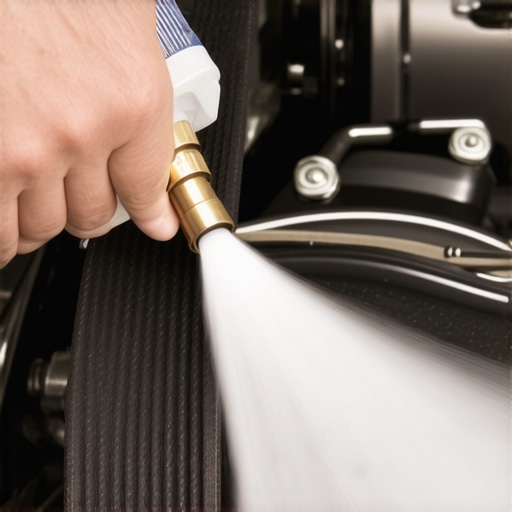
Start by opening the hood and visually examining all belts and hoses. Look for any signs of cracks, glazing, or looseness. A slipping or worn belt can generate heat, causing rubber to burn and produce that foul smell. Remember, belts are like the arteries of your engine—if they fail, your entire system suffers. My own experience taught me to regularly inspect these components; once I replaced a squeaky, cracked belt, the burning smell disappeared, and my engine ran smoother. If you’re unsure, consult a professional or visit your local shop for a comprehensive diagnosis.
Check Brake System and Parking Components
Next, test your brakes. If you’ve recently driven downhill or used your parking brake hard, it might be overheated brake pads or drums. Feel the wheels after a short drive; if they are hot to the touch, you may have a sticking caliper or seized parking brake. Overheated brakes will smell burnt and can be dangerous. Carefully releasing the parking brake and avoiding prolonged brake application during driving can prevent this. A quick visit to a mechanic can confirm if your brakes need servicing, which is crucial since brake failure is a serious safety hazard.
Assess Transmission and Fluid Levels
Overheating transmission components can also emit burning odors. Check your transmission fluid level and condition—low or dirty fluid increases friction and heat. Use the dipstick or fill port as per your vehicle’s manual; if fluid appears dark or smells burnt, a fluid change is necessary. Remember: transmission maintenance is often overlooked but vital. An ASE-certified tech can perform a transmission service that extends the lifespan of this complex system. Regular oil and transmission fluid checks are your best defense against costly repairs down the line. For a clear guide on performing these checks, visit https://autofixclinic.com/why-regular-oil-changes-extend-your-cars-lifespan.
Inspect Suspension and Underbody for Damage
Damaged or worn suspension parts can cause excessive heat buildup, especially if parts like bushings or mounts are compromised. Walk around your vehicle and look for oil leaks, broken rubber components, or signs of impact damage. Road debris or potholes can damage parts that, if left unaddressed, cause friction and heat. If you’re unsure, a professional inspection can identify issues before they become catastrophic. Proper suspension health not only prevents burning smells but also ensures a smooth, safe ride.
Monitor Engine Temperature and Cooling System
Overheating engines will often produce a burning odor. Keep an eye on your temperature gauge; if it rises above normal, your cooling system may be failing. Check coolant levels, radiator hoses, and the radiator itself for leaks or blockages. An ineffective cooling system puts extra stress on engine components, including belts and hoses, leading to heat and smell. Regularly flushing your cooling system and replacing worn components, as recommended in https://autofixclinic.com/top-oil-change-tips-for-safe-driving-in-2025, can help prevent overheating.
Consider Professional Diagnosis
If after your inspection you can’t identify the source or if the smell persists, it’s time to seek a professional. ASE-certified technicians with expertise in transmission and engine diagnostics can pinpoint elusive problems. They utilize advanced tools to read error codes and measure system performance, ensuring nothing is overlooked. Remember, addressing these issues promptly can save you from expensive repairs and dangerous breakdowns on the road.
Many car owners believe that merely changing the oil regularly is enough to keep their vehicles in top shape, but this overlooks several crucial nuances that can make or break your car’s longevity. For instance, a common misconception is that all oils are created equal; however, newer engines require synthetic oils to handle higher temperatures and demands, which traditional mineral oils can’t provide effectively. According to experts, choosing the right type of oil isn’t just about brand or price—it’s about understanding your engine’s specific needs, as detailed in the article https://autofixclinic.com/why-your-engine-taps-for-three-seconds-every-time-you-start-it.
Another widespread myth is that the cheapest car service will save you money. In reality, opting for budget-friendly, unqualified technicians can lead to incomplete maintenance, potentially causing damage to critical components like transmissions, which require expert handling. An ASE-certified technician possesses the specialized knowledge necessary for complex issues, especially with transmissions, as discussed at https://autofixclinic.com/what-does-an-ase-certification-mean-for-your-cars-maintenance.
Many believe that transmission repairs are always expensive and inevitably require a full rebuild. This is not true; many transmission issues stem from fluid problems or worn-out sensors that can be addressed through precise diagnostics. The advanced work involved often necessitates ASE-certified professionals trained in transmission troubleshooting, highlighting the importance of certification in ensuring quality repair work. For the nuances of transmission care and the risks of neglect, see https://autofixclinic.com/transmission-troubles-expert-insights-for-smooth-shifting.
Beyond diagnostics, there’s also a misconception about the frequency of oil changes. Some think that following the manufacturer’s interval is overly cautious and that they can extend it without consequences. However, recent studies show that neglecting proper intervals accelerates engine wear, especially under high-stress conditions. The latest guidelines and tips for optimal oil change timing are available at https://autofixclinic.com/top-oil-change-tips-for-safe-driving-in-2025.
The hidden nuance lies in understanding the true purpose of regular maintenance: it’s about preventative care, not just ticking boxes. Regularly scheduled oils, filters, and specialist inspections by ASE-certified technicians can detect subtle issues—like early transmission wear or belt degradation—that often escape casual observation. Investing in this expertise saves money over time and keeps your vehicle reliable. So, next time you consider skipping or delaying maintenance, remember that these nuances could be the difference between a smooth ride and a costly breakdown.
Have you ever fallen into this trap? Let me know in the comments.
Building Your Garage Arsenal for Long-Term Maintenance
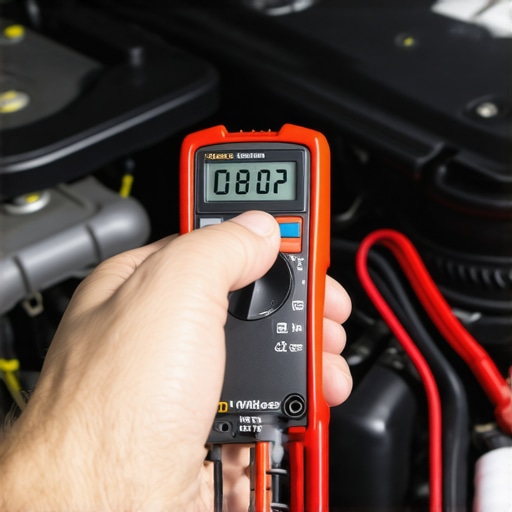
Maintaining a vehicle’s transmission and engine components requires more than just basic tools; it demands precision instruments that provide accurate diagnostics and reliability. My go-to is an OBD-II scanner with advanced capabilities, such as the Autel MaxiCOM MK808. Unlike generic scanners, this device offers comprehensive live data analysis, emission diagnostics, and adaptation functions, enabling me to identify potential transmission issues before they escalate. Regular scans using this scanner have helped me catch subtle sensor faults and fluid temperature anomalies early, saving costly repairs later.
Why Quality Lifting Equipment Matters
When it comes to inspecting or replacing transmission components, a sturdy hydraulic lift is indispensable. I recommend the Bosch REAX lift, which offers safety features and smooth operation for chassis access. Ensuring your vehicle is properly elevated minimizes risk and allows for detailed inspections of fluid leaks, belt wear, and hose integrity. While it might seem like an investment, a reliable lift extends your working days and improves diagnostic accuracy, essential for those who want to keep their cars in top shape long-term.
Specialized Fluids and How to Use Them
Using the right fluids is crucial, especially when servicing transmissions or cooling systems. I personally rely on high-quality synthetic transmission fluids that resist breakdown under extreme heat. These fluids not only enhance performance but also prolong the lifespan of sensitive components. Remember, always follow manufacturer specifications for fluid type and viscosity, which you can verify using a professional toolkit like a digital refractometer. This helps ensure you’re using the correct oil, reducing the risk of transmission slipping or overheating over time.
Keeping Tools Sharp and Calibrated
Even the best tools are pointless if they’re not maintained. Regular calibration of torque wrenches, for example, prevents over-tightening of critical components like transmission mounts or wheel lug nuts. My preferred method is using a digital torque adapter, which provides real-time accuracy and stores calibration data. This level of precision is vital when working on high-stress parts where looseness or overtightening can cause severe damage. Consistently calibrated tools ensure your repairs and maintenance are performed at optimal standards, extending your vehicle’s operational life.
How do I maintain my tools over time?
The secret is routine care. Clean your screwdriver bits and sockets after each use to prevent corrosion, store torque wrenches in a calibrated environment, and replace worn-out parts on your diagnostic equipment promptly. Investing in high-grade tools, paired with proper maintenance, ensures consistent performance during crucial transmission and engine repairs. As automotive technology advances, I believe the trend towards digital, Bluetooth-enabled diagnostic tools will become standard, allowing even better integration with vehicle systems. Keep an eye on innovations—adapting your toolkit now can streamline future repairs and diagnostics.
One advanced tip I recommend trying today is using a digital refractometer to verify transmission fluid quality during your next service. This simple device can prevent premature fluid changeouts and extend your transmission’s life. Don’t wait—equip yourself with these tools and methods to become even more confident in maintaining your vehicle’s performance for years to come.
The Hardest Lesson I Learned About Oil Changes and Transmission Care
Early on, I underestimated the importance of timely oil changes and trusted cheap service shops. It wasn’t until I experienced sluggish performance and costly repairs that I realized superficial fixes won’t sustain your vehicle. Investing in AMS E-certified maintenance and understanding the nuances behind oil viscosities and transmission diagnostics became my game-changers. That eye-opening moment taught me that quality service is an investment in longevity, not just a necessity.
3 Myths About Car Maintenance That Held Me Back
Believing that all oil filters are the same or that neglecting your transmission fluid won’t matter can be a costly misconception. I used to think skipping small oil changes was harmless—until my engine started showing warning signs. The truth is, using recommended oils and trusting certified techs ensures your car performs reliably. These myths delayed my learning curve, but now I encourage everyone to dig deeper and trust expert advice for lasting results.
What Experts Keep From You About ASE Certifications and Proper Service
Many people aren’t aware that ASE certification isn’t just a badge—it’s a mark of genuine expertise in diagnostics, transmission repair, and engine management. I learned that certified technicians are trained to spot issues early, saving you money and frustration. For instance, a simple misdiagnosis can lead to unnecessary parts replacement. Choosing a shop with ASE-certified staff, as highlighted in this resource, profoundly impacts your vehicle’s service quality.
I Realized Regular Checks Could Prevent Roadside Emergencies
Monitoring transmission fluid quality with tools like a digital refractometer or sticking to scheduled oil changes proved invaluable. A minor leak or worn filter can cause major breakdowns if ignored. Staying proactive, I schedule routine diagnostics and trust the process. When your vehicle’s health is a priority, you reduce the chances of sudden failures, ensuring peace of mind every time you hit the road.
My Essential Toolkit for Car Maintenance Success
From an advanced OBD-II scanner to a reliable hydraulic lift, investing in quality tools transformed my approach. I rely on trusted diagnostic devices and proper calibration to ensure precise repairs. These tools aren’t just gadgets—they’re the backbone of dependable maintenance, allowing me to catch subtle issues before they escalate. Building a toolkit with trusted resources ensures your vehicle receives care that lasts.
Keep the Momentum Going and Protect Your Investment
Maintenance isn’t a one-time task; it’s a commitment to your vehicle’s future. Regular oil changes, using the right transmission fluids, and trusting ASE-certified professionals are pillars of reliable ownership. Remember, the best way to extend your car’s lifespan is staying informed and proactive. Your vehicle is more than just a machine; it’s a trusted partner on countless journeys. Embrace these lessons, and your car will reward you with years of dependable service.