Stop using dish soap to wash your car immediately
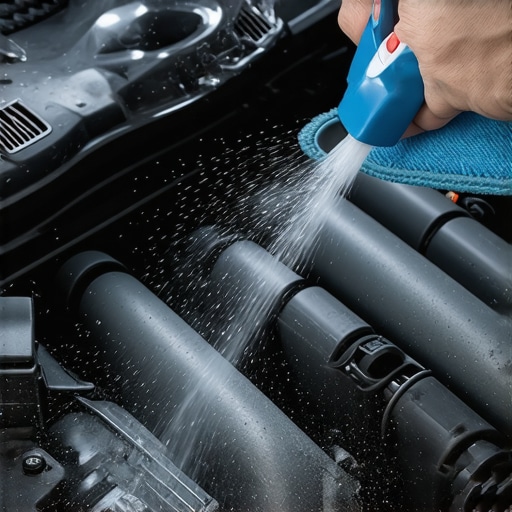
I remember the exact moment it hit me—muddy water splashing onto my driveway, my rag slipping from my hands, and that terrible, soapy residue glaring back at me from my car’s surface. I’d been using dish soap for months, convinced it was an easy fix, but somehow, my paint was starting to look dull, and I was getting more frustrated by the day. That lightbulb moment made me really question my approach and sparked a journey into proper car maintenance practices.
Why Dish Soap Is a Car Care Villain
If you’re anything like me, you probably started washing your car with dish soap because it’s cheap, readily available, and you think it’s designed to cut through grease—so it must work on a car’s dirt, right? Well, not exactly. Dish soap, especially the kind we often keep in our kitchens, is harsh and strips away the protective wax and sealants on your vehicle’s paint. Over time, this can accelerate paint deterioration, leaving your car vulnerable to damage from the elements and reducing its resale value.
From personal experience, I learned this the hard way. My paint job started looking streaky and faded before I even realized what was happening. Plus, I was unknowingly removing the layers that actually protect the paint from UV rays, dirt, and moisture. According to professional detailers, the frequent use of dish soap can cause premature aging of your car’s finish, and that’s not something you want to take lightly. Want to keep your car looking new longer? Then you need to switch to the right cleaning approach.
Is It Really Worth Crapping the Bed Over Dish Soap?
I must admit, I made a classic blunder early on—assuming all soaps are created equal. I was using whatever was in the sink, not realizing that many of these cleaners contain detergents that can do more harm than good to your vehicle’s delicate surfaces. That mistake cost me time, money, and miles of patience. If you’re still skeptical, just ask yourself: Are you willing to risk your car’s paint just to save a few bucks and a few minutes? I didn’t think so.
So, if you’re tired of battling dull paint and wondering how to wash your car properly without harming it, stay tuned. I’m about to share some practical tips and insider secrets that will keep your car shining like new. Ready to say goodbye to dish soap and hello to a smarter way of washing? Let’s dive in.
Start with Regular Oil Changes
Think of your car’s engine like your body’s bloodstream; without fresh oil, it can’t function properly. Schedule oil changes based on your vehicle’s recommendations, typically every 5,000 to 7,500 miles. When performing an oil change, always use the correct type—synthetic or conventional—and consider the quality of oil filters. A high-quality oil filter ensures that contaminants don’t circulate through your engine, prolonging its life. Remember, neglecting oil changes can lead to engine sludge and severe damage, which expensive repairs can’t fix. For detailed guidance, check out top oil change tips.
Choose Certified Car Service Providers
Opt for services with ASE-certified technicians—think of them as the cardiologists of the auto world—who have proven their skills and knowledge. Cars require professional diagnostics and repairs to maintain optimal performance. When selecting a service shop, verify their certification status through ASE certification info, and look for honest reviews and transparent pricing.
Perform Transmission Checks
Your vehicle’s transmission is akin to a human heart, pumping power to keep you moving smoothly. Regular checks prevent issues like slipping or hesitation. For automatic transmissions, keep an eye out for symptoms such as delayed shifting or unusual noises. Consider a professional fluid flush to remove debris and old fluid, extending lifespan and maintaining performance. Read more about transmission troubleshooting to understand common problems and solutions.
Routine Brake and Suspension Inspection
Think of brakes and shocks as your vehicle’s feet and knees—crucial for safety and comfort. Regularly inspect for squeals, vibrations, or softness when braking. Worn shocks and struts can cause uneven tire wear and poor handling. Use visual cues or professional diagnostics to identify leaks or wear. Prompt repairs prevent costly replacements and keep your ride smooth. Want to learn how to spot failing shocks? Check out this guide.
Maintain Coolant and Heating Systems
Engine cooling systems prevent overheating, which is similar to the human body’s sweat mechanism—critical for health. Regularly check coolant levels and look for leaks or discoloration. Flushing the cooling system periodically removes rust and deposits, improving efficiency. If your engine temperature gauge rises unexpectedly, it could signal a radiator or thermostat issue. For detailed cooling system maintenance, visit cooling system tips.
Inspect Tire Tread and Pressure
Imagine driving on a slick or flat surface—your tires are your only contact with the road. Regularly check tire tread depth and ensure proper inflation for safety and fuel efficiency. Uneven wear patterns can indicate alignment issues or suspension problems. Use a tread depth gauge or the penny test to assess wear. Properly inflated tires improve handling and reduce premature tire replacement. Learn about tire health at tire inspection tips.
Set Up a Maintenance Schedule
Think of this as your personal health diary for the car—keeping track of services prevents forgotten tasks and surprises. Record dates for oil changes, fluid flushes, filter replacements, and inspections. Use digital apps or a physical log. Regular maintenance not only avoids breakdowns but also preserves resale value. For guidance on scheduling, check this planning.
Conclusion: Taking Action Now
Implement these tangible steps one at a time, similar to building a health routine. Addressing each core aspect of your vehicle with care and precision will reward you with a reliable, long-lasting car. Remember, routine maintenance is an investment—think of it as consistently fueling and exercising your car to keep it at peak performance for years to come. Need tailored advice? Reach out via contact us.
Many car owners believe that a straightforward approach suffices for vehicle upkeep, but in reality, the devil lies in the details. A common misconception is that all transmission issues are self-evident or that a quick fluid change fixes everything. However, seasoned technicians understand that diagnosing and maintaining transmissions requires a nuanced approach, often overlooked by amateurs. For instance, the term “transmission flush” can be misleading; professionals distinguish between a simple pan drop and a full flush, which, if misapplied, might exacerbate problems instead of solving them. According to expert insights, improper fluid addition can lead to foaming, reducing lubrication efficiency and accelerating wear.
One critical error is assuming ASE certification alone guarantees expert service. While ASE certification indicates a proven skill level, it doesn’t automatically mean the technician is experienced in advanced diagnostics or modern vehicles with complex electronic systems. Many shops might hold certifications but lack the specific expertise for intricate issues like CVT fluid degradation or dual-clutch transmissions. It’s vital to ask not just about certification but also about the technician’s experience with your vehicle model—this is where understanding becomes crucial.
Is Your Oil Change Really Protecting Your Engine?
Another false assumption revolves around the frequency and quality of oil changes. Many believe that sticking to the factory-recommended miles or opting for cheap oil filters saves money. Yet, research shows that using substandard oil and filters can lead to sludge buildup, engine wear, and ultimately, costly repairs. A deeper nuance here is the importance of the oil’s additive package, which directly affects engine health, especially in modern turbocharged engines. Regular, high-quality oil changes boost engine longevity, but only if performed correctly—meaning the right oil type, proper filter, and accurate measurement. For a comprehensive overview, refer to top tips by industry experts.
Understanding these intricacies can prevent you from falling into costly traps. For example, a “cheap” oil change might seem economical initially but could void warranties or trigger engine issues down the line. Always opt for certified services that understand the subtle differences in risk levels and maintenance needs.
Have you ever fallen into this trap? Let me know in the comments. Mastering the nuances of car maintenance is not just about following guidelines but about understanding the why behind them. This knowledge empowers you to ask the right questions and demand superior service, ultimately extending your vehicle’s lifespan and performance.
Keeping It Working: Essential Tools and Methods
Maintaining your vehicle over time requires more than just routine oil changes; it demands the right tools, consistent methods, and a proactive mindset. One tool I personally swear by is a high-quality digital battery tester. This device provides instant readings of your battery’s state of health, allowing me to catch potential issues before they leave me stranded. Unlike traditional voltmeters, which only measure voltage, a digital tester assesses cranking amps and reserve capacity, essential for cold starts and long-term reliability.
Similarly, a professional-grade torque wrench has become a staple in my toolkit. Proper torque settings during lug nut replacements or component repairs ensure safety and extend part lifespan. I prefer a calibrated, click-type torque wrench because it provides a tactile indicator, reducing the risk of under- or over-tightening. Investing in precise tools minimizes damage and promotes better maintenance outcomes, especially when working on sensitive parts like wheel bearings or suspension components.
For windshield or headlight restoration, I rely on a dual-action polisher with variable speed settings. This tool allows me to restore clarity without risking damage, which is crucial in preserving visibility and safety. Paired with reputable polishing pads and compounds, I can maintain the exterior’s aesthetics while preventing long-term degradation caused by oxidation or pitting.
Regular diagnostics are another key. I use an OBD-II scanner capable of reading live data streams and clearing codes. This device, especially when connected via Bluetooth to a smartphone app, provides insights into engine performance and emissions, helping identify issues early. In my experience, catching a misfire or a pending sensor fault early prevents costly repairs later.
Going forward, the trend in maintenance tools is moving toward automation and AI-assisted diagnostics. Companies are developing devices that analyze patterns more comprehensively, offering predictive maintenance alerts. This evolution means you’ll soon be able to plan repairs proactively, saving money and maximizing your vehicle’s lifespan. To stay ahead, I recommend integrating advanced diagnostic tools into your routine, making preventive care more effective and less disruptive.
How do I maintain my transmission over time? The key is regular fluid checks and adhering to the manufacturer’s service intervals. For example, many modern transmissions benefit from a diagnostic scan at least once a year to monitor internal temperatures and shift parameters. Reading specific transmission data helps identify early signs of wear, such as increased clutch slip or abnormal shift timings. For detailed insights, check out expert transmission troubleshooting. Using sophisticated tools like a transmission scan tool connected to a diagnostic computer or a Bluetooth-enabled device can reveal hidden problems before they escalate. Incorporate this practice into your maintenance routine to keep your transmission running smoothly for years to come.
Remember, investing in quality tools and staying informed on emerging diagnostics not only extends your vehicle’s lifespan but also ensures a safer and more reliable ride. Don’t wait for warning lights—equip yourself with the right technologies and adopt proactive maintenance habits today. If you’re unsure about selecting the best diagnostic tools or need professional advice, reach out through contact us for personalized recommendations.

Lessons That Changed My Car Care Philosophy
- I realized that trusting quick fixes like superficial oil changes or ignoring transmission diagnostics only led to costly repairs down the line. Embracing a comprehensive maintenance routine, including ASE-certified diagnostics, saved me hundreds of dollars and nerves.
- One lightbulb moment was understanding that not all service providers are equal—certifications matter, but experience with specific vehicle models truly makes a difference. This insight pushed me to seek shops with real expertise, especially for complex issues like transmission servicing.
- Finding reliable resources and tools, such as a quality OBD-II scanner, enabled me to catch problems early. Taking ownership of diagnostics shifted my mindset from reactive to proactive, drastically improving my vehicle’s longevity.
Tools and Resources That Boost My Confidence
- Automotive Diagnostic Scanner: A Bluetooth-enabled OBD-II scanner connects seamlessly to my phone, helping me monitor my engine and transmission health in real time. I trust it because it provides detailed, actionable insights from reputable brands recommended by industry experts.
- Premium Oil and Filter Brands: Using high-quality oils from trusted manufacturers, coupled with quality filters, has proven essential in maintaining engine performance. I rely on recommendations from professional sources and trusted online reviews to select the best products with proven additive packages.
- Educational Platforms and Tech Articles: Resources like the detailed guides on top oil change tips and transmission troubleshooting have helped me understand my vehicle inside-out. These trusted sources equip me with knowledge that goes beyond generic advice.
- Professional Consultations: Establishing relationships with ASE-certified technicians for annual diagnostics ensures I stay ahead of potential issues. Their expertise adds a layer of confidence to my DIY efforts and preventive care.
Step Into Better Car Care Today
Now is the moment to take charge of your vehicle’s health—deliberate, informed, and proactive. Embracing a detailed understanding of transmission care, oil changes, and regular diagnostics doesn’t just prolong your car’s life, it also makes driving safer and more enjoyable. Remember, the journey toward optimal vehicle maintenance begins with small, consistent steps. Curious about improving your own routine? Feel free to reach out via contact us for personalized advice.