How to tell if your mechanic actually performed the fluid flush
I remember one particular oil change appointment that left me feeling uneasy. The mechanic handed me a receipt, smiled confidently, and sent me on my way. But within a few days, I started noticing odd behaviors from my car—sluggish shifts, a not-so-smooth ride, and a strange smell when I started it up in the morning. It was my lightbulb moment—maybe they didn’t do what they claimed. That experience made me realize how easily you can get duped into paying for a service that isn’t fully executed.
Why Verifying Your Fluid Flush Matters More Than Ever
As car owners, we want to believe that professionals will take care of our vehicles properly. But the reality is that some shops might cut corners—whether out of negligence or oversight—and leave us to deal with the consequences down the road. Performing a fluid flush isn’t just about maintaining a shiny engine; it’s about ensuring your car’s longevity and safety. If the service isn’t genuinely performed, you risk worsening wear, expensive repairs, or even breakdowns unexpectedly.
Even well-meaning mechanics can make mistakes early in their careers. For example, I once trusted a shop that boasted about their ASE certification (you can learn more about what that actually means at this link), but I later discovered the technician had bypassed a crucial step in the transmission fluid change. It made me realize the importance of being proactive and knowing how to verify that the task was genuinely completed.
In this post, I’m going to share practical, proven methods to help you confirm whether your mechanic truly performed that fluid flush or just took you for a ride. Because knowing when your car has been properly serviced can save you hundreds (or thousands) of dollars—and a lot of headache.
Have you ever felt unsure about whether a mechanic actually did the work they charged you for? If so, you’re not alone. Let’s dive into how you can regain confidence in your vehicle’s maintenance and avoid unnecessary surprises.
Check the Fluid Yourself
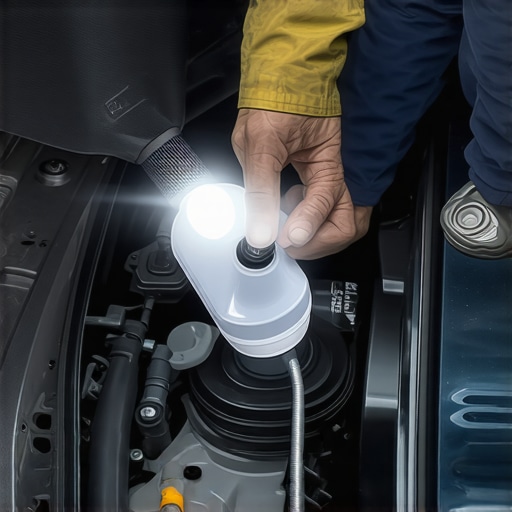
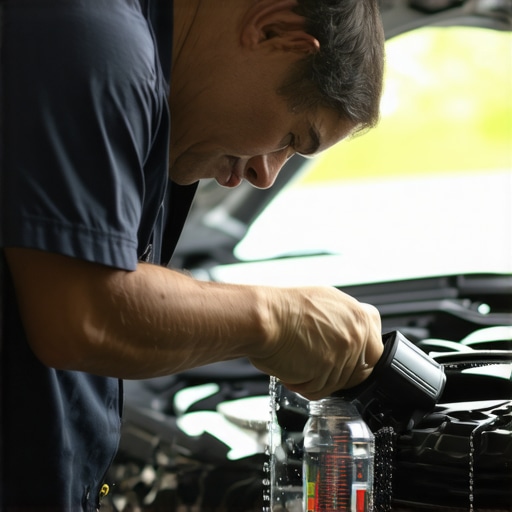
Start by locating the transmission or engine oil dipstick or fill cap, depending on your vehicle. Use a clean cloth to wipe the dipstick or inspect the fluid reservoir. When you pull out the dipstick, look at the fluid’s color and smell. Fresh transmission fluid should be vibrant red or pink, not brown or murky, and should lack a burnt smell.
Use the ‘Pour and Run’ Test for Oil Changes
This simple method involves checking the level after a short drive. After an oil change, drive around for 15 minutes, then park on a level surface. Check the oil level and color again; if the fluid has burned or darkened significantly, the flush might not have been properly done. I once did this after a recent oil change and found the oil was still dark, which indicated they didn’t fully replace it. That prompted me to go back and request a proper drain and fill.
Inspect for Knowledge and Certifications
Verify your mechanic’s credentials. An ASE certification, especially in transmission or advanced diagnostics, shows they’re trained to perform complex services properly. Use this guide to spot a genuine technician quickly. When I visited a new shop, I used their certification info to reassure myself before trusting their work on my transmission, which was crucial because some shops might perform shortcuts if you’re unaware.
Look for Physical Signs of Proper Service
After a fluid change, ask your mechanic if they used new drain plugs or replaced the filter if applicable. Check for clean, properly filled fluid, and make sure no leaks are present around service points. On my third visit, I personally observed the technician drain and refill the transmission, noting the fresh fluid in the pan and no drips on the garage floor—clear signs the job was done correctly. If you see old, degraded fluid mixed with new, it’s a red flag.
Monitor Vehicle Performance
Pay attention to how your car shifts or runs after the service. Smooth, consistent shifts indicate proper fluid levels and quality. If you notice slipping, hesitation, or odd smells, it suggests the service may be incomplete or improperly executed. I once noticed my car hesitating in gear shortly after a transmission flush, prompting me to revisit the shop. They then verified and corrected the service, saving me costly repairs later.
Consult Resources for Verification
Leverage online resources like transmission troubleshooting guides to understand what proper performance should look like. If in doubt, ask your mechanic to demonstrate the steps they took or provide proof of maintenance records aligned with manufacturer schedules. This transparency can prevent future headaches.
Many car enthusiasts and everyday drivers believe that having an ASE certification on a technician’s wall guarantees flawless service, especially for routine tasks like oil changes or transmission repairs. But let’s dig deeper into this assumption. In reality, ASE certification indicates that a mechanic has passed certain exams and demonstrated knowledge, but it doesn’t always mean they’re performing every job correctly or following best practices. A common myth is thinking that certification alone ensures quality, yet according to automotive experts, experience and thoroughness matter just as much—if not more—than formal credentials.
Another misconception revolves around oil changes. Many assume that topping off oil or using the right brand is all that’s needed to prevent engine wear. However, the real nuance lies in the quality of the oil, proper drainage, and correct filter installation. Skipping essential steps or rushing the service can leave harmful debris and degraded oil circulating, accelerating engine wear and reducing efficiency.
When it comes to transmission service, some drivers believe that a simple fluid top-up suffices. But a neglected transmission service involves more than just adding fluid. Over time, metal shavings and degraded fluid can accumulate, leading to slipping or grinding noises. A common mistake is neglecting the importance of replacing the filter or conducting a thorough fluid flush. According to transmission experts, proper maintenance involves comprehensive service to prevent costly repairs down the line.
Advanced car service nuances often fly under the radar. For example, many mechanics rely solely on visual inspection or incomplete diagnostic scans, missing underlying issues that can compromise vehicle safety or longevity. This is where understanding specific signals—like unusual vibrations or fluid smells—becomes critical. Faulty service can lead to issues like premature component failure or safety hazards that are easily mistaken for minor problems.
Have you ever fallen into this trap? Let me know in the comments.
Why Does a Certification Sometimes Mislead Even the Savviest Drivers?
It’s tempting to trust a shop solely based on their ASE badge, but industry insiders highlight that certifications are just one part of the quality puzzle. Routine inspections, customer reviews, and transparent procedures offer a fuller picture of a shop’s reliability. An ASE certification informs you of a technician’s training level, but it doesn’t guarantee the absence of shortcuts or rushed work. Being informed about recent vehicle recalls, service bulletins, and the mechanic’s ongoing training can further safeguard your vehicle’s health.
In sum, focusing solely on certifications or quick fixes can be a costly mistake. Deepening your understanding of these nuances enables you to be a proactive car owner, ensuring that maintenance tasks like oil changes and transmission repairs truly serve their purpose. For more insights on personalized car care, check out this guide.