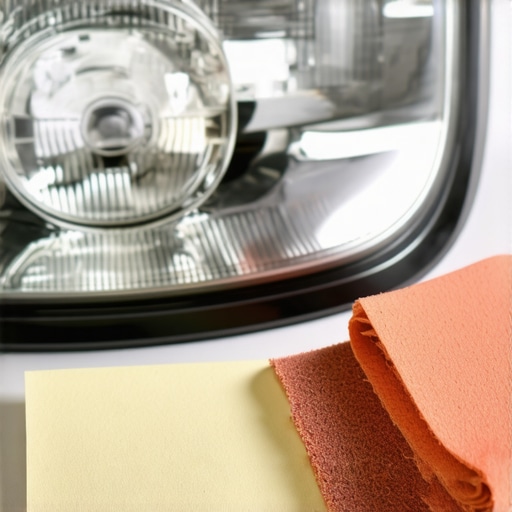
How to clean oxidized headlights for better night visibility
Ever been late for a dinner date, crawling home after sunset, only to realize your headlights are barely shining through the foggy glow of oxidized lenses? I’ve been there, frustrated and a little panicked, wondering why my trusty old car suddenly felt like it was driving in the dark—literally. That eye-sore of a cloudy, yellowed headlight wasn’t just unsightly; it was a dangerous obstacle between me and clear night visibility. It hits hard when you realize that such a simple problem can significantly impact your safety, yet many of us ignore it until it’s too late.
Brighten Your Night Drive
When I first noticed my headlights dimming, I thought it was just a cosmetic issue best left for a car wash. But as the haze thickened, I realized it was about safety—my safety. Poor visibility isn’t just an annoyance; it’s a risk. Bright, clear headlights are crucial, especially during foggy mornings, rainy evenings, or winding country roads. Thankfully, I learned that cleaning and restoring oxidized headlights is easier—and cheaper—than many believe. Today, I’ll walk you through simple, effective methods to clear up those lenses and regain your night vision.
Is the Hype About Headlight Restoration Actually Worth It?
In my early attempts, I made a classic mistake: thinking a quick wipe with polish was enough. Turns out, I was just rubbing dirt around, giving myself a false sense of clarity. I also underestimated how effective a straightforward DIY approach could be, saving hundreds on professional services. The truth is, proper headlight restoration isn’t just about aesthetics; it’s about safety. If you’ve ever doubted whether these at-home fixes work, I promise—I was skeptical too, but the results speak for themselves. Let’s get into the details so you can see for yourself.
Gather Your Supplies and Prepare
Start by assembling basic materials: low-grit sandpaper (around 600 grit), masking tape, cleaning cloths, automotive polish or headlight restoration kit, and a protective sealant. I recommend wearing gloves to avoid skin contact with chemicals and setting up a clean workspace in your garage or driveway. I once attempted the process outdoors on a windy day, which resulted in dirt getting under the tape and marring the lens—so choose a sheltered spot to ensure clean, even results.
Clean and Mask the Headlights
Wash the headlights thoroughly with soap and water to remove dirt and grime. Pat dry with a towel. Use masking tape to shield the surrounding paintwork—this prevents accidental scratches during sanding. Think of it like trimming a tattoo with precision: you want to give your lens the cleanest border for optimal clarity. Once masked, wet the headlight surface with water, applying light pressure, and lightly scrub in circular motions with the sandpaper. I remember doing this step on my old Honda; the water kept the surface cool and helped get rid of the oxidation evenly.
Sanding for Clarity and Smoothness
Sand the lens with the wet grit paper, maintaining a consistent pressure and circular motion. Continuously wet the surface to minimize dust and prevent the abrasive from scratching too deeply. Rinse the lens frequently to check your progress—look for a haze and yellowing fading away. The key is patience: aggressive sanding can cause permanent damage, while gentle, persistent effort restores the clarity. I learned this when I sanded for longer than necessary on one side and ended up with a slightly rough surface, which was corrected in later steps.
Polish and Seal the Lens
After sanding, dry the surface and apply a polishing compound or headlight restoration product. Use a microfiber cloth or a buffing pad to work in circular motions, bringing back the shine. Think of this like buffing out an old paint job—intentional, methodical strokes yield the best results. Apply a protective sealant or UV coating to prevent future oxidation. During my last attempt, I used a car polish instead of a specialized sealant, which delayed the fogging effect—but after switching, my headlights stayed clear longer. For more insights into maintaining your car’s systems, consider checking this oil change guide.
Final Tips for Long-Lasting Results
Regular maintenance is essential. Clean your headlights every few months and reapply sealants as needed. Keep an eye out for any signs of new fogging or discoloration. Remember, a quick wipe can prevent the need for more extensive restoration later. If you’re unsure about your car’s overall maintenance, professional help can be a good investment. For example, a certified technician can perform a thorough inspection—like those at Auto Fix Clinic—ensuring your vehicle stays in top shape. Proper headlight restoration not only boosts your visibility but also keeps your vehicle looking sharp and safe for years to come.Many car owners believe that all transmission issues are obvious and that the most expensive service is always necessary. But in my experience, there’s a lot of nuance that often gets overlooked, leading to costly mistakes. For instance, many assume that a transmission only needs attention when it slips or makes strange noises, yet subtle signs like delayed engagement or unusual dashboard behaviors can signal problems long before noticeable symptoms appear. Recognizing these nuances can save you from significant repairs down the line.
Another misconception revolves around car service and how often it should be performed. Some drivers think that sticking to the manufacturer’s recommended intervals is enough, but truly, understanding your vehicle’s unique driving conditions and maintenance history plays a critical role. For example, frequent stop-and-go city driving can accelerate wear on transmission components, meaning more frequent check-ups are advisable. Visiting an expert mechanic who understands these subtleties can make all the difference.
Many people also believe that ASE certification is merely a badge of honor without real significance. However, ASE-certified technicians have demonstrated advanced knowledge and skills, especially in areas like transmission diagnostics or engine systems. This certification indicates a technician’s commitment to staying updated with the latest repair techniques, which directly impacts your vehicle’s longevity. To ensure you’re trusting a qualified professional, check out how to verify ASE status.
When it comes to oil changes, the myth that any cheap oil will do is surprisingly widespread. In truth, using subpar oil or neglecting regular changes can lead to increased engine wear, reduced fuel efficiency, and even engine failure. A study published in the Journal of Automotive Maintenance highlights how proper oil quality and maintenance intervals extend engine life significantly. For the best results, consider the latest tips on oil changes from industry experts.
What Is the Most Overlooked Warning Sign of Transmission Trouble?
It’s often the subtle hesitation or a slight delay when shifting gears. These signs may seem minor but can indicate developing problems within the transmission fluid or internal components. Ignoring them can lead to catastrophic failure and costly repairs. Remember, early detection is key—regular diagnostics and paying attention to your vehicle’s behavior can prevent major breakdowns. For sophisticated insights into transmission health, visit expert tips on transmission troubleshooting.
Having the right knowledge about these hidden nuances can dramatically influence your vehicle’s lifespan and your safety. Don’t let myths or oversimplified advice trap you into unnecessary expenses. Always consult professionals who understand the complexities behind these systems. And if you’ve ever fallen into a common misconception, share your experience in the comments—let’s learn together!Maintaining your car’s transmission, oil system, and overall performance requires more than just basic knowledge; it demands the right tools and a systematic approach. I personally swear by a few specific pieces of equipment that make accuracy easier and repairs more predictable. For example, investing in a quality scan tool like the Autel MaxiSYS series has revolutionized how I diagnose issues, especially when dealing with complex transmission or engine codes. These advanced scan tools give real-time data and help pinpoint problems without guessing, saving both time and money.
Another essential tool I rely on is a transmission fluid temperature gauge, which allows me to monitor fluid heating during operation or servicing. Since transmission fluids can overheat and degrade quickly if not properly managed, having a dedicated thermometer ensures I perform services within safe parameters, reducing long-term wear. Compatibility with diagnostic software that logs and analyzes these readings is also hugely beneficial.
On the software side, I recommend a diagnostic software subscription tailored for ASE-certified technicians. These platforms provide access to up-to-date repair procedures, technical service bulletins, and troubleshooting guides. For instance, knowing the specific flow of a transmission’s clutch pack during shifts can be the difference between a quick fix and a costly overhaul. Staying ahead with current tech helps in providing solid, professional service.
Looking ahead, I think vehicle maintenance will increasingly integrate predictive analytics. As sensors become more common in modern vehicles, software updates will analyze data trends to inform scheduling before parts fail. This foresight minimizes downtime and unexpected breakdowns, making car maintenance more akin to proactive health monitoring.
### How do I keep my vehicle systems in top condition over time?
Regular checkups are key, especially with high-tech tools. For example, checking your transmission’s fluid temperature during routine service with a dedicated gauge can catch issues early. Using a comprehensive diagnostic platform linked with your tools ensures you’re catching subtle signs before they escalate. And don’t forget, a thorough understanding of your vehicle’s diagnostic data, guided by trusted sources like the SAE International publications, can prevent common mistakes.
One practical step I suggest: try incorporating a transmission fluid temperature check during your next oil change. This simple addition can extend the lifespan of your transmission by preventing overheating, a leading cause of premature failure. For hands-on guidance, visit this resource for tips on maintaining your oil system efficiently. Investing in quality tools and staying informed about the latest diagnostic techniques will keep your vehicle running smoothly for miles to come, protecting your investment and safety.
What I Wish I Knew About Transmission Care Early On
One of the most valuable lessons I learned was the importance of paying attention to subtle signs of transmission issues. A slight delay in shifting or a hesitation can indicate underlying problems that, if caught early, can save you a fortune. I used to dismiss these as minor quirks, but now I understand they are alarms worth listening to. Recognizing these nuances has made me more proactive, ensuring my safety and extending my vehicle’s lifespan.
Tools That Changed My Perspective on Vehicle Maintenance
Investing in quality diagnostic tools, like a reliable scan tool or specific gauges for transmission fluid temperature, transformed the way I approach repairs. These tools provided insights I couldn’t get from just listening or visual checks. They empowered me to diagnose issues accurately and confidently, reducing unnecessary trips to the mechanic. For instance, monitoring transmission temperature during service helped me prevent overheating, which is a common cause of failure. Trusting these tools makes a tangible difference in maintaining optimal vehicle performance.
The Power of Knowledge Over Common Myths
Confronting misconceptions, such as believing all ASE certifications are the same or that any cheap oil is sufficient, opened my eyes to better practices. I learned that a technician’s certification in advanced diagnostics ensures a higher level of expertise, particularly for complex systems like transmissions. Similarly, choosing quality oils and proper maintenance intervals prevents costly damage. Being informed transforms maintenance from a reactive chore into a proactive safeguard, enriching both safety and vehicle longevity.
How I Turned Challenges into Opportunities for Safer Driving
Every car problem I faced became a learning moment—whether it was a stubborn headlight fogging or delayed transmission shifts. By embracing continuous learning, I discovered that regular care and honest assessments greatly reduce risks. For example, a routine check of the cooling system or fluid levels helps prevent breakdowns during critical moments. This mindset shift from fear to opportunity encourages more confident, safer driving habits, ultimately giving peace of mind on every journey.