Why your steering wheel vibrates only at 60 mph
I still remember the moment I first felt it—my hands gripping the steering wheel, cruising effortlessly until suddenly, a strange vibration rattled through the wheel at exactly 60 mph. It was disconcerting, almost like a mini earthquake happening right in my palms. Years ago, I brushed it off as some minor imbalance, but that pattern persisted, nagging me every time I hit that speed. The more I drove, the more I wondered—why only at 60 mph? What’s causing this odd vibration? And more importantly, how can I fix it without spending a fortune or losing my mind?
Understanding the Unique Nature of Vehicle Vibrations
Let me tell you, vehicle vibrations are often a sign that something’s not quite right. They can stem from a range of issues—worn tires, misaligned wheels, or even suspension problems. But what made my situation tricky was that the vibration was only at a specific speed. This kind of ‘speed-specific’ vibration can be especially sneaky because it doesn’t always show visible signs until it becomes more serious. Studies have shown that imbalanced tires or damaged wheel assemblies can cause vibrations that peak at certain speeds—often around 60 mph—making detection all the more confusing for drivers. You might feel fine driving 50 or 70 mph, but hit that sweet spot, and bam!—the shake sets in.
Early on, I made a critical mistake: I replaced the tires without checking if they were properly balanced or if the wheels were aligned. Trust me, jumping straight to new tires can seem like a quick fix, but it rarely hits the mark if the root cause is different. If you’d like to understand more about how oil can affect your driving experience, check out this helpful guide about vehicle health.
What We Will Cover
In this post, I’ll walk you through how to identify the real cause behind that pesky 60 mph vibration and, more importantly, what DIY steps or professional fixes can solve it once and for all. So, have you ever experienced that specific wobble? Keep reading; we’re about to demystify this common car quirk together and get you back to smooth sailing.
Start with a Visual Inspection
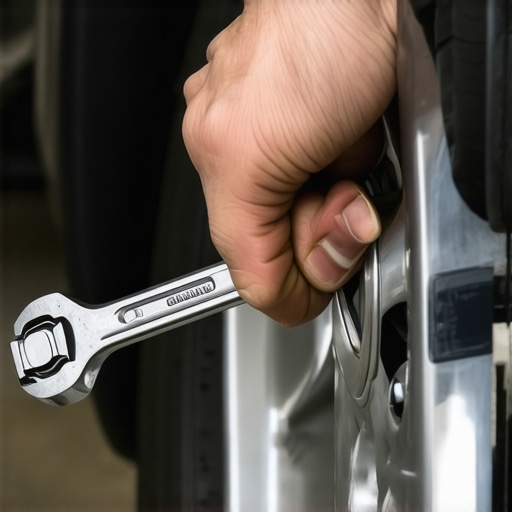
My first move was to do a quick visual check of my tires and wheels, looking for any obvious signs of damage or uneven wear. I lifted a corner with a jack, spun the wheel by hand, and listened for wobbles or irregularities. If you notice bulges or missing weights, these are clues you can target. During a similar time, I found a loose lug nut almost falling off — tightening it immediately solved part of my vibration issue. Always ensure lug nuts are torqued to manufacturer specs; otherwise, they can cause balancing issues.
Check Wheel Balance and Alignment
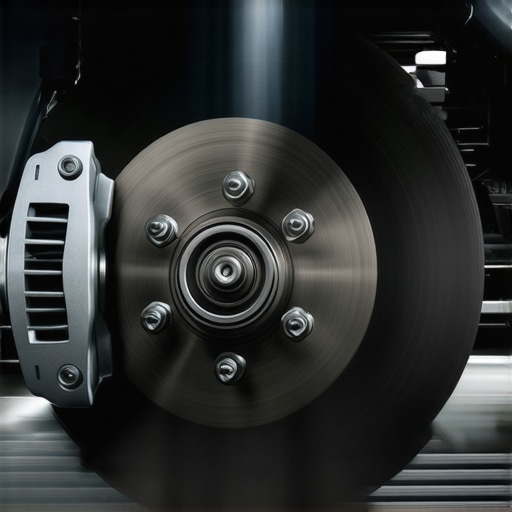
Next, I scheduled a professional wheel balance and alignment. Think of your tires as shoes; if they’re unevenly worn or unbalanced, it’s like wearing uneven heels — uncomfortable and wobbly. During my visit, the shop used a dynamic balancer to see if one tire was heavier on one side, and an alignment machine to straighten the wheels. This step is crucial because improperly balanced wheels will vibrate at specific speeds, usually around 60 mph. If you want to understand how to confirm your suspension isn’t the culprit instead, check out this guide on shocks.
Investigate Tire Wear and Condition
After balancing, I looked for uneven tire wear—another red flag. Irregular wear patterns such as cupping or feathering can cause vibrations. If your tread looks worn or if the tires aren’t of the same brand or size, replacing or matching them can make a significant difference. During my case, replacing a worn-out tire with a newly balanced one eliminated my vibration at 60 mph.
Examine the Suspension Components
Don’t forget the suspension. Loose or damaged parts like tie rods, control arms, or struts can mimic tire imbalance effects. I jacked up the car, shook the wheels for play, and checked for leaks around the shocks. If any component feels loose or looks worn, replace or repair it. This proactive step is like tightening the bolts that hold your car’s structure together—crucial for smooth drives and safety.
Test Drive and Fine-Tune
After physical fixes, I took a test drive. If tiny vibrations persisted, I revisited the shop for wheel re-balancing or adjusted the alignment. Sometimes, balancing weights need tweaking, especially after new tires are installed. Keep in mind, proper tire inflation is also essential; under- or over-inflated tires can cause vibrations and uneven wear.
Consult a Certified Technician When Needed
If these steps don’t resolve the issue, it’s time to see a professional ASE-certified mechanic. They can perform more advanced diagnostics, such as inspecting the driveshaft, CV joints, or transmission components, which can also produce speed-specific vibrations. For example, issues with the torque converter or transmission fluid might be the hidden cause, especially if the vibration correlates with shifting or acceleration patterns.
Maintain Consistent Tire Care
Lastly, regular maintenance like balanced tires, proper alignment, and timely oil changes can prevent vibrations before they start. Remember, just as you’d keep your skin moisturized to avoid dryness, your car needs consistent TLC to run smoothly at any speed. If you want to dive deeper into preventing future issues, consider reading this post on oil change intervals.
 Many car owners believe that all transmission fluids are created equal or that an ASE certification guarantees a mechanic’s infallibility. However, these assumptions often lead drivers astray, resulting in costly repairs or subpar vehicle performance. Let’s dig deeper into these misconceptions to protect your vehicle and save money.
First, the myth that any transmission fluid suffices is widespread. While many assume that topping off with generic fluid is acceptable, the reality is that modern transmissions require specific fluid types, especially in CVT or dual-clutch systems. Using incorrect fluid can cause excessive heat, accelerated wear, and eventual failure. For instance, vehicles with high-mileage engines benefit from specialized additives that can reduce internal friction—something many overlook when selecting fluid. Check out this article on transmission fluid choices for a comprehensive understanding.
Next, many assume that all ASE-certified mechanics are equally qualified across all vehicle systems. While ASE certification indicates a level of competency, it doesn’t guarantee expertise in complex or emerging automotive technologies like hybrid powertrains or advanced driver-assistance systems. Some technicians may hold certifications but lack recent experience with latest models. It’s crucial to ask about a technician’s specialization and ongoing training, especially if your vehicle has unique features. Recognize that even ASE-certified professionals can make advanced mistakes if they’re not up-to-date with the latest diagnostics. To learn about nuances in diagnostics, you might find this post on ASE practices insightful.
Furthermore, a common pitfall is neglecting the importance of oil change intervals. Many drivers stick to a fixed schedule without considering driving conditions or oil quality. Modern synthetic oils can last up to 10,000 miles, but heavy city traffic, towing, or extreme temperatures demand more frequent changes. Skipping timely oil service can lead to sludge buildup, which hampers engine efficiency and causes subtle vibrations or increased fuel consumption. For a detailed look into oil change intervals and their impact, see this guide on oil maintenance.
A nuanced mistake many overlook involves diagnostic practices. When a vehicle exhibits symptoms like shifting irregularities or engine hesitation, some technicians rely solely on generic scan tools. While valuable, these tools might miss issues like clogged transmission coolers or failing torque converters. Advanced diagnostics, including thermal analysis or specialized transducer readings, provide a clearer picture. For example, knowing that transmission temperature spikes can cause slipping beyond typical sensor readings emphasizes the need for comprehensive diagnostics. To explore this, check out this article on transmission diagnostics.
Finally, beware of the trap of overlooking preventative measures. Many drivers only address issues after symptoms worsen, often neglecting fluid flushes or system inspections that could prevent costly failures. Regular maintenance, such as inspecting for leaks or early signs of component wear, can extend the lifespan of costly parts. Remember, routine checks combined with professional advice are your best defense against big surprises.
Have you ever fallen into this trap? Let me know in the comments. Remember, understanding these nuances empowers you to make smarter decisions about your vehicle care—saving you time, money, and stress.
Master Your Vehicle Maintenance with Proven Tools
As a car enthusiast and professional, I rely on specific equipment and software to ensure optimal vehicle performance, especially when dealing with delicate systems like transmissions. One indispensable tool I use is a OBD-II scanner capable of reading and clearing transmission-related trouble codes. Not all scanners are created equal; I prefer models that feature live data streaming, allowing me to monitor parameters such as transmission fluid temperature and solenoid operation in real-time. This approach helps me detect issues before they escalate, saving time and money.
Alongside hardware, I incorporate diagnostic software like the latest OEM-specific programs. These tools provide detailed insights into the vehicle’s systems, especially for ASE-certified repairs. For example, when diagnosing a high-mileage engine or a slipping transmission, software that accesses manufacturer data can reveal nuances like torque converter engagement issues or solenoid pack failures, which are often overlooked by generic scanners.
Why Regular Inspection Beats Guesswork
Routine visual inspections are also crucial. I personally check transmission fluid levels and consistency using a high-quality digital dipstick or sight glass, if available. This simple step can spotlight dark, burnt-smelling fluid or metal shavings—a clear sign of impending failure. For long-term durability, I recommend consulting this guide on oil and fluid maintenance to understand proper intervals and fluid types.
Invest in Quality Parts and Proper Tools
When it’s time to replace a component, I always select high-quality, OEM-recommended parts and tools. Using inferior parts can undermine everything else, especially with sensitive elements like transmission solenoids or line hoses. For instance, I ensure that all replacement fluid matches manufacturer specifications—using cheap, generic fluids can accelerate wear, leading to costly repairs down the line. Leveraging tools like a torque wrench set to the correct spec ensures sensitive components like wheel bearings or transmission mounts are properly secured, reducing the risk of future problems.
Plan for Sustainable Maintenance and Future Challenges
Looking ahead, I predict that the industry will increasingly rely on advanced diagnostic AI-powered tools that can predict failures based on patterns and historical data—much like how predictive maintenance works in aviation. This future shift will empower drivers to address issues proactively rather than reactively.
Ready to step up your maintenance game? Try integrating a comprehensive diagnostic app with your scanner and set a scheduled check for transmission temperatures. Doing so today can prevent unexpected breakdowns tomorrow. Remember, consistent maintenance and smart tool use are your best allies in keeping your vehicle running smoothly for years to come.
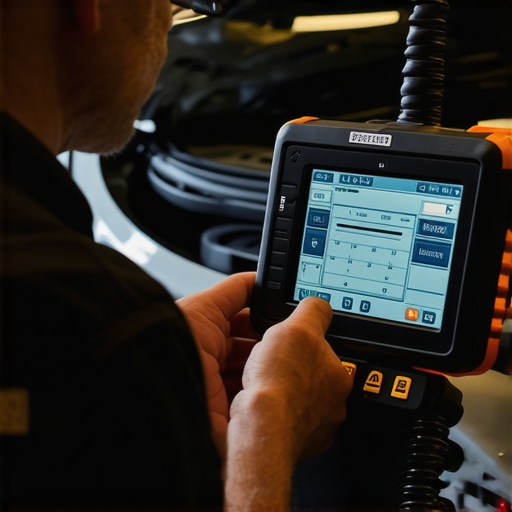
Image prompt: A mechanic using an advanced OBD-II scanner connected to a modern vehicle, with a focus on diagnostic data on the screen. Alt: Technician diagnosing car transmission with scanner, Title: Modern Vehicle Diagnostics, Caption: Utilizing advanced tools to prevent transmission failures.
What I Wish I Knew Before It Became a Big Problem
One of the most eye-opening lessons I learned is that persistent speed-specific vibrations often hide deeper issues. Jumping straight into replacements without proper diagnosis can lead to wasted money and frustration. Recognizing the subtle signs—like uneven tire wear or loose lug nuts—early on has saved me countless headaches. If you’re experiencing that unsettling wobble at 60 mph, remember that the root cause could be lurking in your tire balance, alignment, or suspension. Learning to trust your instincts and understanding when to seek professional help is crucial to keeping your vehicle reliable.
My Personalized Arsenal for Any Transmission Troubles
Over years of experience, I’ve curated tools and resources that truly make a difference. I rely heavily on a high-quality OBD-II scanner with real-time transmission data to catch issues early. Additionally, books like The Essential Guide to Modern Car Maintenance have reshaped my approach to vehicle care, emphasizing preventative measures over reactive fixes. For diagnostics that challenge even experienced technicians, OEM-specific software is a game-changer, helping me avoid unnecessary parts replacements and focus on what truly matters.
Take the Leap and Command Your Car’s Future
Understanding the intricacies of transmission vibrations and car care elevates your confidence behind the wheel. You don’t need to be a mechanic to identify warning signs or perform simple maintenance—knowledge is power. Regular inspections, smart tool choices, and staying curious about your vehicle’s behavior ensure you’re always one step ahead. Your journey toward a smoother, safer drive begins now. Are you ready to take control and master your vehicle’s secrets? Share your experiences below and let’s grow together in this automotive adventure.