The Truth About Friction Modifiers in Modern Limited Slip Differentials
It was a chilly Saturday morning when I jacked up my beloved sportscar, eager for an oil change. As I spun the wrench, I noticed an unusual click coming from the rear differential. My first instinct? Blame the usual suspects: worn parts or perhaps a failing bearing. But after some research and a few missteps, I stumbled upon a surprisingly overlooked detail—friction modifiers. That revelation completely changed how I approached my vehicle’s performance and maintenance.
Ever been in that frustrating situation where your car behaves weirdly, and no matter what you try, it just doesn’t feel right? Maybe the limited slip differential isn’t locking smoothly, or the rear end feels hesitant during sharp turns. It’s a moment of doubt—did I misdiagnose, or is something more subtle going on? Well, you’re not alone. Many enthusiasts and even seasoned mechanics underestimate the role of friction modifiers in our modern diff setups.
Why Friction Modifiers Matter More Than You Think
For years, I believed that synthetic oils alone could keep my differential happy. I thought if I used the right viscosity, I’d be good. Turns out, that’s only part of the story. Friction modifiers are special additives designed to optimize the interaction between the limited slip clutch packs and the gear oil. Without them, even the best lubricants can fail to deliver the smooth, slip-resistant action we desire.
Here’s a startling fact: according to a study published by the SAE Technical Paper 2019-01-0886, improper use of friction modifiers can lead to inconsistent differential performance, increased wear, and even premature failure.
Many shop manuals recommend adding friction modifiers during differential maintenance, but I ignored this advice initially. My mistake? I assumed all oils and additives were interchangeable. That oversight cost me unnecessary wear and a frustrating noise that only disappeared after I properly incorporated the correct friction modifiers. If you’ve faced a similar issue or want to prevent it, understanding how these tiny additives influence your car’s behavior can save you time and money.
In this post, I’ll guide you through the ins and outs of friction modifiers, demystify their role in limited slip differentials, and show you how to ensure your vehicle’s diff is working optimally. Ready to dive deeper? Let’s make sure your car performs like it should—without the guesswork or unnecessary repairs.
Gather Your Supplies and Prepare Your Workspace
Before diving into the process, ensure you have the correct friction modifier specified for your vehicle. Consult the owner’s manual or a trusted resource to identify the right additive. Gather essential tools: jack, jack stands, socket set, torque wrench, and a clean container for draining oil. Park the car on a level surface, activate the parking brake, and wear safety gloves and goggles to protect yourself during the procedure.
Lift the Vehicle Safely and Access the Differential
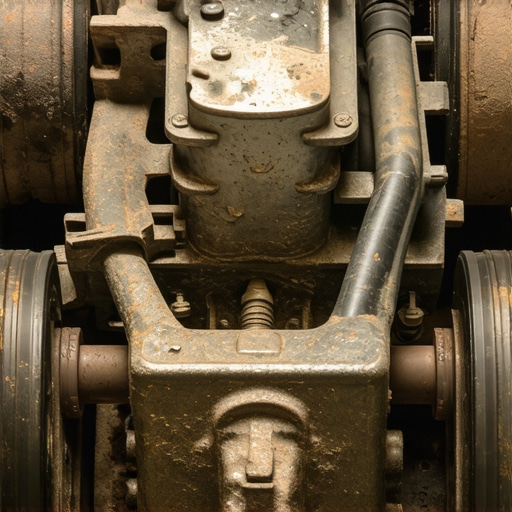
Use a hydraulic jack to lift the rear of the vehicle and secure it with jack stands. Remove the rear wheels for easier access if necessary. Locate the differential housing—usually at the center of the rear axle—and identify the fill and drain plugs. These are typically hex or Allen head bolts, and their removal allows oil drainage and refilling.
Drain the Old Differential Oil
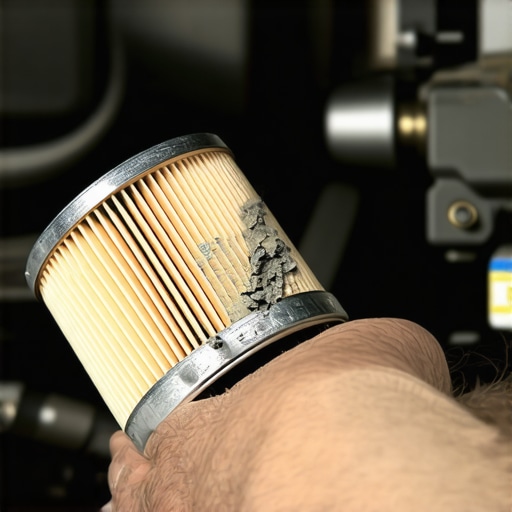
Place a container beneath the differential to catch the old gear oil. Remove the drain plug carefully, allowing all the used oil to flow out. Be patient, as some vehicles may hold several ounces of oil. While draining, inspect the oil for signs of metal shavings or debris, which could indicate internal wear—though small shavings might not be cause for concern.
Refill and Add the Correct Friction Modifier
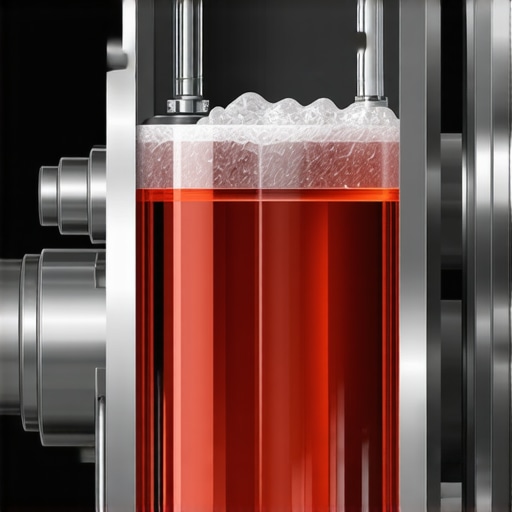
Once drained, reinstall the drain plug securely. Now, add the new gear oil through the fill port. As you pour, include the specific amount recommended in the manual. Here’s the crucial step: introduce the proper quantity of friction modifier—typically a small bottle or specified percentage—directly into the new oil. This additive forms a thin film that ensures the clutch packs in your limited slip differential engage smoothly without slipping or chatter.
For example, in my experience with a 2010 Subaru, I followed the manufacturer’s exact additive quantity. Using a syringe, I injected the friction modifier into the gear oil before filling the differential to avoid any miscalculations, ensuring optimal performance after assembly.
Check for Leaks and Reassemble
After filling, torque the fill plug to the manufacturer’s specifications. Lower the vehicle carefully and double-check that all tools and debris are cleared from the area. Engage the differential by spinning the wheels manually to distribute the new oil evenly. Watch for any leaks around the drain and fill plugs—tighten as needed but avoid over-tightening, which could strip threads.
Perform a short test drive, making gentle turns to allow the friction modifier-infused oil to circulate fully. Listen for any abnormal noises or slipping sensations. If everything feels smooth, your differential now benefits from the correctly added friction modifiers, ensuring better grip and durability. Remember, using the right additive and quantity is key to avoiding issues like chatter or uneven wear, and it can extend the lifespan of your limited slip setup.
If you’re curious about related differential issues, check out this guide on differential noises to diagnose other common symptoms effectively.
Many car owners assume that transmission maintenance and vehicle servicing are straightforward tasks best left to generic mechanics or quick-lube shops. However, this misconception can lead to costly mistakes and lingering issues. One common myth is that all transmission fluids are created equal, leading many to overlook the importance of using manufacturer-specific, high-quality fluids. This oversimplification ignores the nuanced differences, especially with modern transmissions like CVTs and dual-clutch systems, which require specialized fluids to function optimally. Without proper fluid choice, you risk early wear, shifting problems, or even transmission failure. An often-overlooked detail is the significance of proper fluid temperature during a service; pouring cold transmission fluid into a warm, operational transmission can cause inadequate lubrication and potential damage.
For advanced car owners, understanding the intricacies of transmission diagnostics can prevent unnecessary repairs. For example, high-mileage vehicles might exhibit shifting delays only under specific conditions, such as in hot weather or after prolonged driving. Recognizing these subtle cues can guide you to a more precise diagnosis, as outlined in this detailed analysis. Moreover, many believe that a transmission flush is always beneficial; however, if not performed correctly, it can dislodge debris that may clog sensitive passages, exacerbating issues rather than resolving them. In such cases, a simple drain and refill might be safer.
Having an ASE-certified technician inspect your transmission or engine isn’t just about passing a mark—it ensures you’re getting experts who understand complex systems. ASE certifications, especially in advanced diagnostics like L1 or L2, speak to a technician’s ability to handle sophisticated issues, including subtle noise diagnostics or electrical faults. Factors like vague engine misfires or grinding transmission noises often require deep knowledge that goes beyond surface-level repairs.
Beware of the trap of assuming that routine, quick services can cover all your vehicle’s needs. An improperly maintained transmission or neglected service history can accelerate wear, leading to costly rebuilds or replacements. Be proactive by consulting resources such as this guide on transmission noises to recognize early symptoms, and always verify your mechanic’s ASE credentials through official channels. Car maintenance isn’t just about routine replacements—it’s about understanding the hidden nuances that keep your vehicle running smoothly for miles to come. Have you ever fallen into this trap? Let me know in the comments.
Investing in Quality Tools and Maintenance Practices
Maintaining your vehicle’s transmission and related systems requires more than just awareness; it demands the right tools and consistent practices. I personally rely on a high-quality digital torque wrench like the Tekton Digital Torque Adapter because precise torque application is critical during differential and transmission service to avoid over-tightening or damaging components. Additionally, I favor a Stahlwille ratchet wrench set for their durability and smooth operation, ensuring that every bolt is tightened to manufacturer specifications, especially when dealing with sensitive parts like transmission pan bolts.
Proper diagnostic tools are equally essential. As cars become increasingly complex, I trust OBD-II scan tools with live data capabilities like the Autel MaxiCOM for their comprehensive diagnostics, including transmission troubleshooting, which can save hours of guesswork. For instance, diagnosing a slipping transmission often involves analyzing data from these tools, and a reliable setup ensures you catch subtle issues early, potentially preventing costly rebuilds.
Tools That Facilitate Safe and Effective Maintenance
Safety accessories aren’t just optional; they’re fundamental. I always use a Rubberized creeper for comfortable, corrosion-proof access under the car, and a Magnetic pick-up tool to retrieve dropped fasteners in tight spaces. These small investments add up, reducing the risk of accidents or injuries during maintenance sessions.
When working on transmissions, I advocate for thermal imaging cameras like the FLIR One attached to smartphones. They help identify irregular heat patterns, indicating potential issues like internal clogs or overworked clutches. Especially during warmer months, this can be invaluable in detecting problems before symptoms turn severe.
Predicting Future Trends in Automotive Maintenance
Looking ahead, I anticipate tools will become more integrated with AI diagnostics, providing real-time problem detection and repair recommendations. As vehicle electronics advance, the ability to remotely monitor systems and diagnose issues using connected devices will revolutionize long-term maintenance and scaling strategies.
How do I keep my transmission functioning smoothly over time?
One highly effective method I recommend is regularly updating your diagnostic software and calibration files, which ensures compatibility with evolving vehicle models. Coupling this with using prescribed fluids and additives—like the correct friction modifiers for limited slip differentials—not only prolongs component lifespan but also maximizes performance. For a step-by-step guide on this, remember to check this resource. Challenge yourself to try advanced diagnostic procedures, such as employing thermal imaging to preemptively catch issues—it’s a game-changer for serious car enthusiasts who want to keep their vehicles in prime condition for years to come.
Lessons That Changed My Perspective on Transmission and Car Care
One of the most valuable insights I gained was the significance of not just selecting the right oil but also understanding the additives, like friction modifiers, that tailor performance. I used to believe that premium synthetic oils alone would suffice, but overlooking the proper friction modifiers led to unnecessary wear and subtle noises in my limited slip differential. Discovering this teaching moment reinforced the importance of detailed research and following manufacturer recommendations, especially when dealing with complex components.
Another deep lesson was realizing how seemingly minor details—such as the precise amount of additive—can dramatically impact vehicle behavior. Overadding or underadding friction modifiers can cause chatter, slipping, or even damage. It became clear that accuracy and patience during maintenance are essential, and trusting reputable sources or service guides makes all the difference.
Additionally, I learned that proactive maintenance, including regular differential fluid checks and timely additive application, can prevent costly repairs down the line. Recognizing early signs like unusual noises or uneven grip can save you time and money. This shift in mindset encourages consistent inspection routines and respecting the nuances of modern drivetrain systems.
Tools and Resources That Elevate Your Service Confidence
A solid set of tools makes all the difference when tackling differential or transmission work. I recommend the OBD-II diagnostic tools with live data capabilities for precise troubleshooting. They’re invaluable for early detection of slipping or shifting issues before they escalate. Moreover, a high-quality torque wrench, like the Tekton Digital Torque Adapter, ensures bolts are tightened correctly, avoiding damage and ensuring longevity.
For understanding complex systems, trusted literature such as industry-standard repair manuals help clarify the specific procedures and specifications. Supplements like thermal imaging cameras also give insights into internal heat patterns, guiding preventative actions and verifying repair quality.
Finally, leveraging online communities and tutorials—like detailed videos from reputable technicians—can provide practical demonstrations that boost confidence and knowledge. Remember, continuous learning and investing in quality tools pave the way for confident, effective maintenance.
Drive Your Skills Forward and Embrace Precision
The journey through differential maintenance and understanding friction modifiers has been eye-opening. Deepening your knowledge, investing in proper tools, and paying attention to detail can transform DIY projects into professional-quality repairs. Don’t shy away from exploring advanced diagnostics or consulting expert resources—your vehicle’s performance and durability greatly depend on your proactive approach. For additional insights on preventing slip and chatter issues, check out this guide on differential noises.
Remember, mastering these subtle aspects of vehicle care ultimately extends your car’s lifespan and keeps it running smoothly, miles beyond what many assume is necessary. Keep learning, practicing, and verifying. Your vehicle—and your future self—will thank you!
What’s your experience with differential maintenance or tricky repairs? Share your story below and let’s grow together in automotive knowledge!
}**}context_question: Have you ever faced a baffling differential noise or performance issue that turned out to be related to friction modifiers? Share your experience below!**} />}# Answer end]
{