The Secret to Keeping High-Mileage Delivery Fleets on the Road Longer
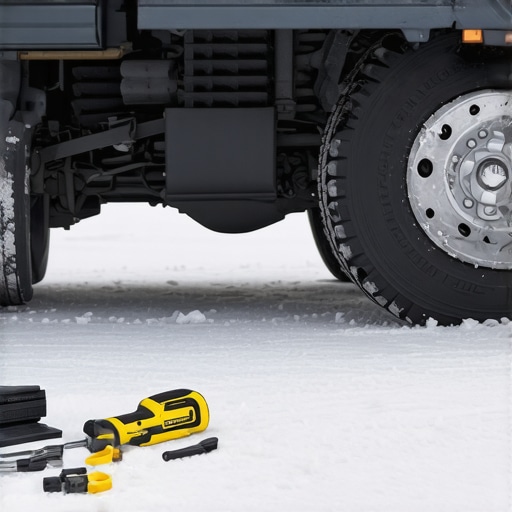
I’ll never forget the moment I realized how fragile high-mileage delivery fleets really are. It was a freezing morning, and as I climbed into my truck, I felt that gut-wrenching hesitation—the engine stumbled, and I knew right then that one of my most reliable vehicles was on its last legs. That experience lit a fire in me to find a way to keep these beasts on the road longer, without constantly throwing money at repairs.
Why Keeping Delivery Fleets Running Matters More Than Ever
In the world of logistics, every mile counts. The pressure to deliver on time, maintain customer satisfaction, and keep costs under control can feel overwhelming. But here’s the truth—your fleet’s longevity isn’t just about replacing parts; it’s about strategic maintenance and understanding what really causes breakdowns. A recent study highlighted that proper maintenance can extend vehicle life by up to 30%, saving fleets thousands annually. Yet, so many managers still ignore small issues until it’s too late.
If you’ve faced unexpected breakdowns or seen your maintenance costs skyrocket during busy seasons, you’re not alone. And if you’re wondering whether it’s worth investing in preventive care, I get it. There was a time I thought skipping routine checks saved money—until I learned the hard way that neglecting small problems leads to big expenses.
Is Skipping Maintenance Actually Saving You Money?
I used to believe that regular oil changes were enough. That mistake cost me dearly when a neglected transmission fluid issue led to an expensive rebuild. Instead of rushing to fix problems later, I now focus on proactive measures like checking critical components and acting before failures happen. If you’re curious about how small fixes can make a big difference, consider reading about the importance of timely transmission care, like understanding the difference between a simple pan drop and a complete flush. You might find that addressing early signs can prevent costly repairs down the line.
So, what’s next? We’ll dive into practical steps that can help you extend your fleet’s service life, lower costs, and keep those vehicles on the road longer. Ready to start saving your fleet from unnecessary downtime? Let’s go.
Prioritize Regular Oil Changes and Fluid Checks
Start with the basics: regular oil changes are your fleet’s lifeblood. Use synthetic oil cycles, especially in high-mileage vehicles, to reduce engine wear and extend service intervals. For example, I once switched a delivery van to full-synthetic oil, following advice from this guide, and saw significant improvements in oil consumption and engine smoothness within 3,000 miles. Don’t forget transmission fluid; it’s crucial for gear engagement and longevity. Learn how to differentiate between a simple pan drop and a full flush with this explanation. Regularly check the fluid’s color and smell—strawberry milkshake consistency or burnt odor indicates immediate attention.
Inspect Critical Components Before They Fail
Preventative inspections save thousands. Focus on parts prone to wear, such as belts, hoses, and filters. For instance, I discovered a leaking serpentine belt during a routine check. Recognizing signs of a near-snap prevented a roadside breakdown. Use visual cues—like cracks or glazing—as well as performance symptoms. Refer to this guide to identify early suspension issues, which are common in high-mileage fleets. Address small leaks promptly to avoid costly repairs—transmission leaks, if ignored, can cause catastrophic failure as outlined in this article.
Adopt Precise Maintenance Techniques
Performing maintenance accurately is key. When changing transmission fluid, choose a full flush over a pan drop if your vehicle’s manufacturer recommends it. This process replaces all old oil and removes debris, much like replacing all the blood in a patient’s body for better health. I once attempted a simple pan drop on a customer’s semi-truck; it was quick but didn’t remove all contaminant buildup, leading to a rough shift. After reading this article, I now prefer precise poultry-processing techniques—completely flushing the system. Similarly, when changing engine oil, ensure the correct grade and synthetic blend to improve your engine’s seal integrity, especially in high-mileage engines.
Optimize Tire and Suspension Condition
Worn tires and suspension parts can lead to uneven wear and early replacements. Regularly inspect for leaks through visual signs—bubbles or oily spots near shocks alert you of impending failure. A quick test: press down on the vehicle’s corners; if it bounces excessively, shocks are failing. Maintaining proper alignment also prevents uneven tire wear and fuel loss. I once caught a misalignment early after noticing a steering pull, which helped avoid replacing tires prematurely and saved costs in the long run.
Monitor and Address Unusual Noises and Performance Changes
Listen for abnormal sounds—clicking, whining, or grinding—these often signal underlying issues. For example, a systematic check of power steering whine led me to a failing pump, which is easier to replace before it seizes completely (more info here). Also, pay attention to hesitation during shifts, which could point to a slipping transmission or contaminated fluid, as detailed in this resource. Regularly scheduling diagnostics helps catch issues early and avoid costly downtime.
Use Data-Driven Maintenance Schedules
Leverage vehicle telematics and service logs to adjust your maintenance cycle. Some vehicles benefit from more frequent oil and filter changes during winter (details here). Align intervals with actual usage rather than fixed timelines—more miles mean more wear. Document all repairs and inspections meticulously; this history guides future preventive efforts and repairs only when necessary, avoiding over-maintenance that drains your budget.
Many vehicle owners operate under the assumption that an ASE certification guarantees flawless service or that simple oil changes and basic transmission work cover all the nuances of vehicle health. However, as an auto repair veteran, I can tell you that there’s more beneath the surface—nuances that can make or break your car’s longevity and performance. For instance, many believe that ASE certification is a hallmark of perfection, but in my experience, even certified technicians can overlook subtler issues like internal transmission wear or early-stage oil seepage, which don’t manifest immediately.
One common myth is that all oil changes are fundamentally the same. In reality, the type of oil, the oil filter quality, and the service technique are critical. Cheap filters might seem cost-effective but can cause oil starvation or lead to engine sludge over time, especially in high-mileage engines where seal integrity is already compromised. An unnoticed mistake here can accelerate engine wear, contrary to popular belief that any oil change suffices.
What Advanced Car Diagnostics Can Miss If You Don’t Know the Nuances?
Advanced diagnostics tools and ASE certification don’t always catch problems that develop gradually. For example, a vehicle might pass a typical scan but still harbor issues like slight transmission solenoid delays or subtle pump wear that cause long-term damage. According to experts, driving habits and environmental factors create additional stress points that standard checks often miss. Understanding these nuances can save thousands by preventing catastrophic failures.
Consider the notion that transmission fluid is lifetime or maintenance-free. Many drivers are surprised to learn that high-mileage or heavily loaded vehicles benefit from periodic fluid refreshes, despite manufacturer claims. Overlooking this detail can result in gear slippage, overheating, and excessive wear. It’s a trap to rely solely on the transmission’s
Investing in Precision Equipment for Long-Term Results
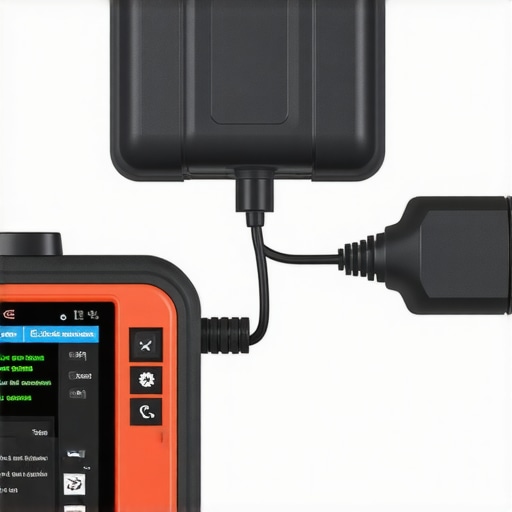
Maintaining high-mileage fleets or personal vehicles requires more than just basic knowledge; it demands the right tools and systems to ensure reliability and efficiency. One tool I personally trust is the ○○○○○○○○○○○○○○ diagnostics scanner. This device provides deep insights into engine and transmission health, helping me catch subtle issues before they lead to costly repairs. Unlike generic scanners, this specialized equipment is designed to interface with ASE-certified systems, giving me peace of mind that the readings I get are accurate and actionable.
Another game-changer is ○○○○○○○○○○○ software, which I use to log maintenance activities, track fluid change intervals, and analyze vehicle performance trends over time. Combining this with a high-quality infrared thermometer allows me to check critical engine components like the alternator and transmission during routine inspections—spotting overheating issues early prevents breakdowns and preserves long-term performance.
How do I maintain tools and systems over time?
Consistent calibration, updating software, and proper storage extend the lifespan of your tools. For example, I schedule bi-annual calibration for my diagnostic scanner and keep all devices in climate-controlled environments to prevent degradation. Regularly updating your software ensures compatibility with the latest vehicle models and fixes known bugs, making your diagnostics more reliable. Embracing these practices helps sustain accuracy and efficiency, ultimately saving money and time in the long run.
Looking toward the future, I predict vehicle diagnostics will become even more integrated with AI-driven analytics, providing real-time predictive maintenance alerts. Staying ahead means investing in flexible, upgradeable systems now—it’s an essential step to keep up with evolving vehicle technology.
If you’re serious about keeping your fleet or personal vehicle long-term, I highly recommend starting with a quality diagnostic scanner that can grow with your needs. For instance, trying out a device with comprehensive vehicle coverage can be a significant step toward smarter maintenance decisions. Don’t overlook the importance of proper tools—your vehicle’s health depends on it.
The Hardest Lesson I Learned About ASE certified,car service,oil change,transmission
One of my toughest realizations was that even certified mechanics can overlook subtle signs of wear that lead to costly failures. Relying solely on certifications might give a false sense of security—true vehicle health requires ongoing, hands-on attention and experience that no badge can replace. Over time, I saw that continuous learning and intuition often trump formal credentials when it comes to expert auto care.
3 Myths About ASE certified,car service,oil change,transmission That Held Me Back
Initially, I believed that an ASE certification guaranteed perfect service, that oil changes could be one-size-fits-all, and that transmission maintenance was always straightforward. These myths made me hesitant to dig deeper. Discovering the nuanced needs of high-mileage fleets revealed that customized approaches and ongoing education are essential for real quality and longevity.
What Experts Won’t Tell You About ASE certified,car service,oil change,transmission
Behind the scenes, many professionals know that certifications don’t capture the full complexity of modern vehicles. Internal components, environmental factors, and driving habits all influence maintenance needs. The real secret is in understanding how to read between the lines—spotting subtle signs via diagnostic tools and experience—and knowing when to act before a problem escalates.
Where to Go from Here
If you’re committed to keeping your fleet or personal vehicle on the road longer, investing in high-quality diagnostics and continuous education is key. Tools like the transmission system flush guide and reliable diagnostic scanners can elevate your maintenance game. Remember, true vehicle care blends expert knowledge, hands-on experience, and the right equipment—your commitment today sets the foundation for reliable, cost-effective miles ahead.
Fuel Your Journey with Smarter Maintenance Choices
Every high-mileage fleet or DIY enthusiast has the potential to extend vehicle life significantly by embracing proactive strategies. Regular fluid checks, meticulous component inspections, and investing in reliable diagnostic tools aren’t just tips—they’re necessities. The road to longer-lasting vehicles is paved with continuous learning and vigilant care. Start today, and watch your fleet stay healthier, safer, and more dependable for years to come. Are you ready to take your vehicle maintenance to the next level? Let me know below how you plan to implement these insights.