Why Your Gearbox Refuses to Upshift Until the Engine is Hot
Have you ever been stranded in your driveway, trying to leave but your car just refuses to shift out of first gear? Maybe you’ve felt that frustrating delay where your transmission stubbornly clings to low gears until the engine warms up, leaving you puzzled and annoyed. I’ve been there—messing around with low-quality oil changes, ignoring strange noises, and thinking maybe my transmission was just giving up. But trust me, it’s often a lot simpler—and more common—than you think.
Understanding the Warm-Up Hiccup: Why Your Transmission Acts Up
The moment I realized what was really happening was a lightbulb moment: my transmission fluid was too cold and thick, making it hard for the system to function smoothly. Until the oil warmed up, the transmission couldn’t shift properly. This isn’t just my experience—it’s a widespread issue among car owners and is frequently misunderstood. The good news? There are concrete steps to address this, and you’re about to learn how.
Are transmission troubles worth stressing over?
I used to think that a slow warm-up was just part of my car’s personality—until I learned I was making a mistake early on. Relying on quick fixes or ignoring warning signs can lead to bigger, more expensive repairs down the line. For example, neglecting how your transmission responds in cold weather can cause issues similar to those discussed in this article on oil change intervals. Recognizing the root causes early helps prevent costly damage and keeps your car running smoothly for years to come. Now, let’s dig into what causes this cold gearbox delay and, more importantly, how to get your transmission shifting effortlessly, regardless of temperature.
Check Your Transmission Fluid Properly
Start by ensuring your transmission fluid is at the correct level and condition. In my own experience, I once took a moment to check my fluid when my car refused to shift after a cold night. Using a clean dipstick and warming the engine slightly helped me read the fluid accurately—a good reminder that it’s crucial to use the right technique, especially in cold weather. If the fluid looks dark or smells burned, it’s time for a flush; learn more about transmission flushes as a preventative measure.
Replace Old or Thick Transmission Fluid
Old or thickened fluid hampers the transmission’s ability to operate smoothly, especially when cold. I replaced mine with fresh, high-quality synthetic fluid, which flows more easily at lower temperatures. Remember, not all oils are created equal; choosing the right type that is compatible with your transmission can make a significant difference. Consulting an ASE-certified technician is advisable if you’re unsure, but replacing the fluid yourself with proper precautions can save money and improve performance.
Use the Correct Tools and Follow Safety Steps
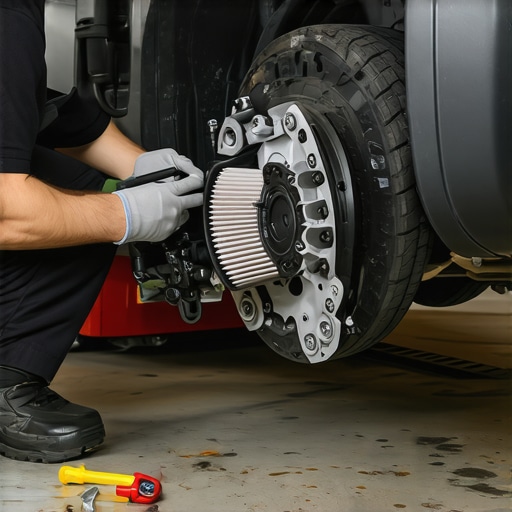
Before draining your transmission fluid, ensure your engine is warm but not hot — a key step that I sometimes overlooked, leading to suboptimal results. Make sure to have the right tools to access the drain plug safely. Wear gloves and work in a well-ventilated area. Carefully remove the drain plug, drain the fluid into a suitable container, and check the vehicle’s manual for the proper refill amount and type. This straightforward maintenance restores proper fluid circulation, especially in winter.
Consider a Transmission Service
While a simple fluid change can often solve cold shifting issues, a more comprehensive service might be needed if problems persist. This involves a full transmission flush, removing old fluid and debris that can cause sluggish shifting. If you’re unsure whether a flush is necessary, learn more about the differences between a simple pan drop and a full transmission flush. Routine maintenance becomes especially important with high-mileage vehicles or those operating in cold climates.
Synchronize Engine and Transmission Wiring
Sometimes, cold weather problems stem not just from fluid conditions, but also from electrical issues. Inspect and clean the transmission sensors and wiring harnesses for corrosion or loose connections. I once rearranged some loose wiring and noticed an immediate improvement in my transmission’s cold behavior. Proper electrical communication ensures that the transmission receives correct signals from the engine control unit, helping alleviate delays.
Use Quality Oil and Follow Up Regularly
Lastly, selecting the right oil and maintaining a regular service schedule prevents future cold-weather headaches. High-quality synthetic oils are designed to operate effectively over a broader temperature range. Keep an eye on your car’s maintenance schedule, and don’t skip routine checks, especially before winter strikes. Properly maintained fluid levels and clean filters allow your transmission to function more reliably, regardless of the weather. If you notice persistent issues, it may be a sign to visit a professional and explore detailed diagnostics, such as checking the transmission solenoids or valve body. Discover more about diagnosis at how to spot a failing transmission solenoid.Many car owners operate under false assumptions about vehicle maintenance, especially concerning oil changes, transmission care, and ASE certification. Firstly, the myth that frequent oil changes are unnecessary if the engine runs smoothly can lead to long-term damage. Modern synthetic oils can last longer, but neglecting regular oil changes still risks engine sludge buildup, which can cause severe wear over time. It’s a misconception that all oils are equal; choosing the right synthetic oil suitable for your engine’s specifications is crucial, and consulting an ASE-certified technician can ensure optimal selection and service.
Another often-missed nuance is that transmission problems aren’t always noticeable until they become serious. Many assume that if their car shifts smoothly, the transmission is healthy. In reality, early issues like transmission fluid degradation or minor solenoid failures can silently deteriorate, leading to costly repairs. Routine transmission services, including fluid and filter changes, help prevent this. However, some shops promote unnecessary flushes as a quick fix, so understanding when it’s appropriate is vital.
Moreover, many believe that ASE certification guarantees a perfect repair. While it indicates a certain level of expertise, it’s not infallible. Some shops may display the ASE emblem but still push upsell services like unnecessary battery drainage solutions or other costly repairs without proper diagnosis. Always ask for diagnostics and a transparent estimate—they’re your best defense against being misled.
Have you ever fallen into this trap? Let me know in the comments.
Investing in Reliable Equipment for Long-Term Maintenance
Staying on top of your vehicle’s transmission health requires more than just knowing what to do; it involves having the right tools that ensure precision and safety. I personally rely on a high-quality digital torque wrench to accurately tighten transmission components, preventing over-tightening that can cause damage. A professional-grade scan tool, like the AUTEL MaxiCOM MK808, is indispensable for diagnosing transmission control module issues without guesswork. These devices allow me to quickly identify fault codes and reset them after repairs, streamlining the entire process.
Furthermore, I use a dedicated transmission fluid pump with a flexible hose to facilitate cleaner, more efficient fluid exchanges, especially when performing a full flush. These tools help me maintain consistency and avoid common mistakes such as under- or over-refilling, which can lead to performance issues. Investing in the right equipment isn’t just about convenience—it’s about ensuring your maintenance sessions leave your car better than before.
Mastering Software for Status Monitoring
Beyond physical tools, software solutions like the AutoEnginuity Scan Tool provide real-time data from your vehicle’s electronic systems. I use this to monitor parameters like transmission fluid temperature, solenoid operation, and shifting patterns. This insight helps me proactively spot irregularities before they escalate into costly repairs. The trend moving forward points toward more integrated diagnostics—think of a future where vehicle maintenance is partly managed by AI-enabled systems that alert you instantly when something’s amiss.
Routine Checks to Sustain Performance
Integrating routine procedures such as checking the transmission fluid level and condition every few thousand miles is crucial. For example, I regularly inspect the fluid for signs of contamination or burnt smell, which can indicate underlying problems. Remember, a simple visual check is often overlooked by many car owners, yet it can save you from major failures. Using a magnetic drain plug can also help catch metal shavings early, preventing internal wear and tear.
How do I maintain my transmission over time?
One effective method is scheduling comprehensive transmission services at certified shops, especially before extreme weather seasons. This includes full fluid exchanges, filter replacements, and system diagnostics. For high-mileage vehicles, adding conditioners or conditioners that contain conditioners can rejuvenate seals and prevent leaks. Regularly scheduled maintenance doesn’t just prolong the lifespan of your transmission; it also optimizes fuel efficiency and driving comfort.
A Future of Smarter Maintenance
As technology advances, so will the tools at our disposal. Machine learning algorithms are starting to analyze pattern data for personalized maintenance schedules, predicting failures even before symptoms emerge. I believe that in the next decade, owning a quality scan tool combined with predictive software will become standard for serious car owners. To get started today, try using your scanner to monitor real-time data during your next oil change, and see how early signs of issues can be caught—saving you time and money. For in-depth guidance, check out this article on transmission service types.
Lessons From a Transmission Hopelessly Stuck in First
One of the most eye-opening lessons I learned was that neglecting proper transmission maintenance during cold months can turn a minor glitch into a costly repair. I used to dismiss slow shifts as weather quirks, but now I understand they’re signs, not anomalies—like whispers warning me to pay attention. Recognizing early signs of thickened fluid or electrical anomalies saved me from a complete transmission rebuild, a lesson that only experience and honest diagnostics can teach.
My Go-To Tools for Cold-Weather Transmission Checks
Over time, I’ve curated a toolkit that helps me keep my transmission in top shape, especially in winter—things like a digital scan tool to read real-time solenoid data, a high-quality transmission fluid pump for precise exchanges, and a magnetic drain plug to catch shavings. These tools empower me to catch issues early, extending my vehicle’s lifespan and saving hundreds in repairs. Trust me, investing in good tools makes all the difference.
Fuel Your Confidence with Better Maintenance Habits
Maintaining your transmission isn’t just a chore—it’s a form of self-respect for your vehicle. I make it a point to schedule routine fluid checks and flushes, especially before freezing weather, because I know that synthetic oils and regular inspections keep my car shifting smoothly. Embracing a proactive mindset means you’ll enjoy safer drives and fewer surprises on the road. Remember, your car’s health depends on your knowledge and persistence—so stay curious, stay vigilant.