The Trick to Removing Stubborn Brake Dust Without Ruining Your Wheel Finish
Ever scrubbed and scrubbed at those stubborn brake dust spots only to find them stubbornly clinging to your wheels? I used to think I was doing everything right—wearing gloves, using the best cleaners, even spending extra time on those tight spots. Still, the finish on my wheels would get dull, sometimes even develop tiny scratches that made me regret trying to clean them myself. One day, after a particularly vigorous scrubbing session that left my wheel looking worse than when I started, I had a lightbulb moment. It hit me—there’s a smarter way to tackle this.
Why Dirty Brake Dust Can Do More Than Just Muffle Your Style
The harsh truth is, brake dust isn’t just an eyesore; it can actually damage your wheel’s finish if you’re not careful. Those tiny particles are a mix of iron particles, carbon, and other residue, which, over time, can degrade the surface, leading to dullness or even pitting. And the worst part? Many common cleaners do more harm than good, especially if they’made with aggressive chemicals or abrasive scrubbing tools. I learned this the hard way early on, using harsh wheel cleaners that stripped away my wheel’s original coating, making them look worn and uneven. The good news? You can avoid this by choosing the right products and techniques, a skill I’ve perfected through lots of trial and error—and a bit of research.
Is the Hype About Special Brushes and Heavy-duty Cleaners Overblown?
Initially, I thought that a stiff brush and a powerful cleaner were the only options. But I soon realized that approach often caused more scratches and took away my wheel’s luster. According to experts, the key is gentleness and knowing what products won’t strip your wheel’s protective finish—something I learned the hard way when I used cheap, abrasive wheel cleaners that only made the problem worse. For more insights on proper car care, check out this guide.
So, if you’re tired of wasting time on ineffective methods that either don’t remove the dust or damage your wheels, stick around. Because I’m about to share the tricks that will make your wheel cleaning routine safer, easier, and most importantly, effective—without sacrificing that beautiful finish. Ready to get your wheels looking like new? Let’s dive into the secrets of stubborn brake dust removal that actually work.
Prepare Your Workspace and Gather the Right Tools
Before diving into cleaning, ensure your vehicle is parked on a flat surface with the handbrake engaged. Gather soft-bristle brushes, microfiber cloths, pH-balanced wheel cleaner, and a hose with a spray nozzle. Use a dedicated wheel cleaner that’s safe for your specific finish, avoiding aggressive chemicals that can strip protective coatings. I learned this the hard way when I used a harsh cleaner, which dulling my wheel’s shine and caused micro-scratches. Starting with proper tools ensures a safer, more effective process.
Rinse to Loosen Brake Dust
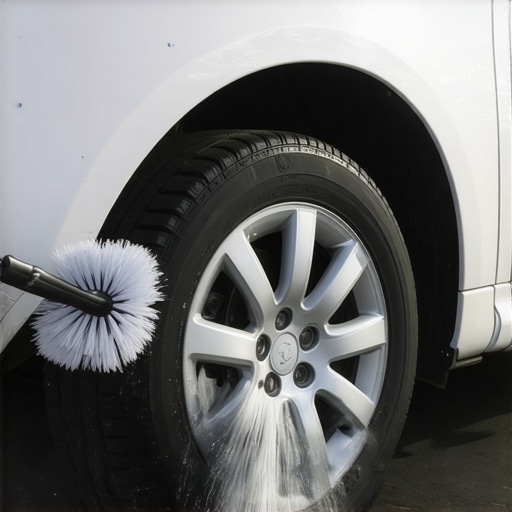
Begin by rinsing the wheels thoroughly with water to remove loose dirt and brake dust deposits. Use a low-pressure spray to avoid forcing debris into crevices. During one messy session, I neglected this step and ended up smearing dirt further into the finish, making cleaning more difficult later. A clean surface prevents scratching during brushing and reduces chemical use.
Apply the Gentle Cleaner and Wait
Use a pH-Balanced Wheel Cleaner
Select a wheel cleaner formulated to dissolve brake dust without harming the coating—avoid acidic or alkaline solutions unless specified for your wheels. Spray generously over the surface, ensuring coverage on all sides and in tight spots. Let it sit for a few minutes, but don’t let it dry out; this allows the active ingredients to break down stubborn deposits. I once rushed this step and scrubbed too early, which only spread the dirt instead of removing it, illustrating the importance of patience.
Consider the Impact of Water Temperature and Pressure
Use lukewarm water for rinsing to help loosen grime. High-pressure water can be effective but be cautious—too forceful and it might damage sensitive finishes or force dirt into micro-abrasions. Reflecting on my experience, dialing down pressure and using warm water significantly improved cleaning results without risking damage.
Gentle Scrubbing Is Key
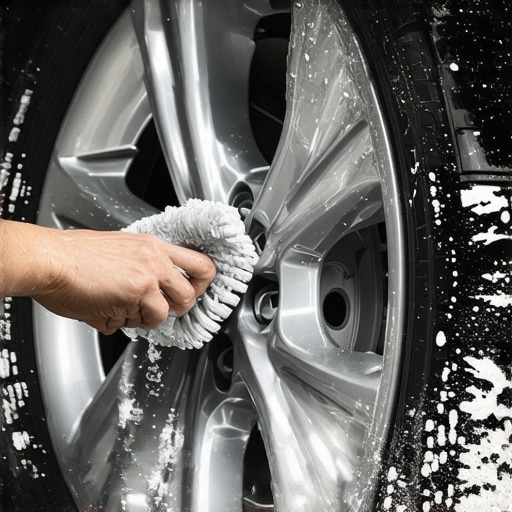
Use a soft-bristle brush or microfiber pad to gently agitate the cleaner, working from the outer rim toward the center. Focus on areas with heavy dirt accumulation, being careful not to apply excessive pressure. One time, I pressed too hard with a stiff brush, which left micro-scratches that tarnished the appearance. Instead, gentle, consistent motion preserves the wheel’s finish, and working in small sections ensures thorough cleaning.
Rinse Off and Dry Carefully
Thoroughly rinse the wheels with water, removing all cleaning residue. Any leftover cleaner can attract dirt or cause streaking once dry. Use a clean microfiber cloth to dry the wheel, absorbing water and preventing water spots. I recall skipping the dry step once, leaving streaks and water spots that ruined the shiny look, underscoring the importance of gentle drying.
Optional: Apply a Wheel Sealant for Extra Protection
After cleaning, apply a wheel sealant to repel brake dust and make future cleaning easier. This step enhances shine and prolongs the freshly detailed look. I found that sealing my wheels reduced brake dust adhesion by quite a bit, simplifying subsequent cleanings. Regular application can maintain that like-new appearance with less effort each time.
While many car owners believe they’re well-informed about routine services like oil changes or transmission care, there are subtle details and misconceptions that can lead to costly mistakes. For example, a widespread myth is that frequent oil changes always extend engine life, but experts highlight that using the wrong type of oil or neglecting the vehicle’s specific needs can do more harm than good. Understanding these nuances requires diving into the science behind automotive maintenance and debunking prevalent misconceptions.
Why Frequency Isn’t the Whole Story in Oil Changes
Many assume that sticking rigidly to a mileage-based oil change schedule guarantees engine health. However, recent studies suggest that driving conditions, oil quality, and engine design influence optimal intervals more than just miles driven. For instance, synthetic oils can last longer but may also mask underlying issues if oil quality drops prematurely. It’s essential to consider your driving habits and consult your vehicle’s manual or an ASE-certified technician for tailored advice instead of blindly following the ‘every 3,000 miles’ rule. For insights on engine oil behavior, see this guide.
Are Transmission Flushes Always Necessary or Sometimes Harmful?
A common misconception is that a transmission flush universally benefits all vehicles, but in reality, this procedure can sometimes accelerate wear, especially in older or poorly maintained transmissions. The difference between a simple pan drop and a full flush is critical; as explained here, a flush can dislodge debris that then blocks small channels instead of removing it cleanly. Recognizing when a flush is truly beneficial requires an understanding of the vehicle’s age, service history, and transmission condition, leaning on expert advice rather than generic recommendations.
Misinterpretations Around ASE Certification
Another area where misconceptions run deep involves ASE certification. Many think that an ASE badge guarantees a mechanic’s skill across all vehicle types, but in reality, ASE certifications are specific to certain areas and do not reflect the mechanic’s overall expertise. For example, a technician might be certified in engine diagnostics but not specialized in hybrid systems, which are increasingly common. To ensure quality, look for certifications in relevant categories and assess the technician’s experience with your specific vehicle or issue. Read more about what ASE certification actually means.
Watch Out for the Pitfalls of DIY Maintenance
Many car owners attempt DIY repairs or services, believing it’s a cost-effective choice. However, without proper knowledge, this can lead to overlooking intricate issues or causing damage. For instance, improperly topping off transmission fluid or using incompatible oil filters can result in accelerated wear or even failure. An advanced mistake is failing to recognize early signs of component failure, leading to more expensive repairs later. Always weigh the complexity of the task against your skill level; consulting a professional may save money in the long run. For common pitfalls in DIY car service, explore this article.
In the end, understanding the hidden intricacies of car maintenance empowers you to make smarter decisions and avoid costly mistakes. Recognize that not all advice is universal—context matters, and sometimes, what seems like good practice can be counterproductive if you miss the nuances. Have you ever fallen into this trap? Let me know in the comments and share your experiences with automotive myths or hidden pitfalls!
Maintaining your vehicle over the long haul requires more than just basic knowledge; it demands the right tools, a systematic approach, and an understanding of future trends in auto service. Investing in high-quality equipment and software can significantly extend the lifespan of your car and ensure you avoid costly repairs down the line. One essential tool I recommend is a professional-grade OBD-II scanner. Unlike basic code readers, a comprehensive scanner like the BlueDriver or Autel Maxisys provides real-time data, capability to clear codes, and detailed diagnostics that are invaluable for proactive maintenance.
Using advanced diagnostic tools allows you to identify issues before they escalate, saving you money and stress. For example, monitoring your engine’s oil pressure patterns over time can reveal early signs of wear that warrant a quick check-up, potentially avoiding engine failure. Regularly inspecting your transmission fluid with a high-quality dipstick and flashlight helps detect early signs of breakdown. Just as the industry is shifting towards integrated software solutions, many dealers now offer cloud-based maintenance logs and remote diagnostics, forecasted to become the norm in the next decade, making vehicle health tracking more seamless and accessible.
How do I maintain transmission health over time?
Proper transmission care involves scheduled fluid changes, using the correct type specified for your vehicle, and paying attention to transmission temperature data during driving. If you notice your car slipping or rough shifting, addressing these issues promptly can prevent more extensive damage. Consider installing a transmission temperature gauge—this helps monitor if your vehicle is operating within safe parameters, especially during heavy loads or seasonal changes. For comprehensive guidance, review this resource.
My recommendation is to set up a maintenance schedule that includes annual inspections of belts, hoses, and fluid levels, leveraging diagnostic tools to catch problems early. As technology evolves, expect new tools like AI-driven diagnostic systems and predictive maintenance software to become widespread, enabling personalized car care. Don’t wait until a warning light appears—prevention is always better than repair.
Try integrating a sophisticated OBD-II scanner into your routine and observe how early detection improves your vehicle’s longevity. This small investment can translate into significant savings and peace of mind. Over time, combining the right tools with consistent upkeep will not only keep your car running smoothly but also help you understand your vehicle at a deeper level, making maintenance less of a chore and more of a proactive strategy.

In the realm of car maintenance, precision tools matter. Visualize a professional diagnostic scanner connected to a vehicle’s port, with data streaming onto a tablet—this scene exemplifies the future of reliable vehicle care. The right equipment transforms guesswork into informed decisions, ensuring your car stays in top shape for years to come.
What I Learned When the Lights Started Flickering
One of the toughest lessons I faced was realizing that not every warning light on my dashboard is a crisis—sometimes, it’s a gentle nudge to pay attention. An intermittent engine light taught me the importance of proactive diagnostics rather than rushing to conclusions or ignoring early signs that could lead to costly repairs. This experience underscored the value of investing in proper tools like an advanced OBD-II scanner to catch issues before they escalate.
The Myth That ASE Certification Means Instant Trust
I once believed that an ASE badge on a technician guaranteed flawless service across all vehicle types. It wasn’t until I encountered a specialist in hybrid systems who lacked experience with traditional engines that I realized certifications are niche-specific. Learning to ask the right questions and understanding what certifications truly represent has empowered me to find experts who know my vehicle best, saving time and money in the process. For more insights, check this resource.
How Regular Maintenance Saved My Engine from Ruin
Skipping scheduled oil changes seemed harmless at the time, but I discovered that neglect can lead to accelerated engine wear and unexpected failures. Connecting with older mechanics who emphasized using the correct oil type and change intervals opened my eyes to the long-term benefits of proper car care. Learning that synthetic oils can last longer but still require diligent care reminded me that quality products and routine checks are investments in my vehicle’s longevity. Want to identify early signs of oil breakdown? See this guide.
Why My Transmission Health Hinge on Comfort and Care
The pivotal moment came when my transmission started slipping during cold mornings—an issue I initially ignored. It became clear that inspecting and maintaining transmission fluid, and understanding how heat affects performance, are crucial. Installing a transmission temperature gauge and scheduling regular fluid changes helped prevent potential rebuilds. Recognizing subtle shifts or noises early can make all the difference—learn more from this article.