The Real Reason Your Oil Light Stays On for Ten Seconds After Starting
It was a cold morning when I fired up my car, only to be greeted by an unsettling sight — the oil light flickering on the dashboard, hanging around for a full ten seconds after ignition. That moment of anxiety hit me hard; I wondered whether I was facing a minor glitch or something more serious. As someone who’s been in countless repair shops and read extensively on auto maintenance, I knew that mysterious dashboard indicators can be both a warning and an opportunity for a quick fix, if you understand what they really mean.
Decoding That Persistent Oil Light: Here’s Why It Matters
Every car is different, but that ten-second delay in the oil light extinguishing isn’t merely an annoyance — it’s a clue. During startup, your vehicle runs a self-test to confirm the health of critical systems, including oil pressure. If your engine’s oil pressure isn’t within the expected range during this initial phase, the light stays on longer to warn you. Often, this delay isn’t a sign of an immediate crisis but a hint that something needs your attention.
I remember early on, I made the mistake of dismissing this as a trivial glitch. That was a mistake. If ignored, it could lead to serious engine damage. The good news? It’s usually something simple to check or fix, especially if caught early. For instance, low oil levels or a faulty oil pressure sensor might be the cause. Ignoring the light can result in parts wearing out faster or, in worst cases, engine failure.
For more detailed insights into engine startup issues, check out [why your engine starts then immediately dies](https://autofixclinic.com/why-your-engine-starts-then-immediately-dies-every-time).
Our goal today is to navigate through the common causes of that persistent oil light and, better yet, provide practical steps you can take to address it before it becomes a costly problem.
Is the Oil Light Staying On Because of a Major Problem?
It’s natural to worry that this ten-second flicker indicates dire trouble, but that’s not always the case. Sometimes, it simply means your oil pressure sensor is sensing a slight inconsistency or low oil levels. Other times, it could be due to oil pump issues, clogged oil passages, or even an aging oil cooler. While some issues require professional diagnosis, many are straightforward to verify at home or during your regular service.
Having encountered this myself, I initially thought my engine was on the verge of failure, only to realize it was a minor sensor glitch or a low oil level issue. Interestingly, it’s quite common for vehicle owners to dismiss such signs, risking more damage down the line.
If you want to learn how to perform a quick check-up, including how to verify oil pressure manually, you can visit [how to tell if your transmission solenoid is failing without a scanner](https://autofixclinic.com/how-to-tell-if-your-transmission-solenoid-is-failing-without-a-scanner) — a related tip that can also save you from expensive repair bills.
Before rushing to the mechanic or panicking, ask yourself: Have I checked my oil level recently? Is my oil sensor functioning correctly? Sometimes, simple maintenance like topping off oil or replacing a faulty sensor makes all the difference.
Let’s explore the common causes and actionable steps to resolve the issue, so you can get back on the road with confidence.
Start with a Visual Inspection of Oil Levels
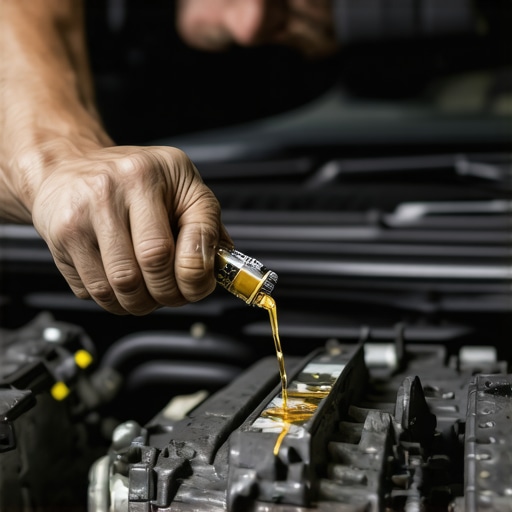
Pull over in a safe spot and turn off your engine. Open the hood and locate the oil dipstick, usually marked with a bright handle. Remove it, wipe it clean with a rag, then insert it back fully and pull it out again to check the oil level. If it’s below the recommended mark, top off with the correct grade of oil. Low oil can trigger the oil light to stay on longer during startup, as I discovered when my light kept flickering after an oil top-up. Regularly checking and maintaining proper oil levels prevents unnecessary sensor alerts and engine wear.
Change or Test the Oil Pressure Sensor
If your oil level is fine, the sensor itself might be faulty. Locating the sensor requires consulting your vehicle’s manual, but it’s generally situated near the oil filter or oil pan. Using a wrench, disconnect the sensor and examine the connector for corrosion. To test it, reconnect the sensor, then turn the ignition on without starting the engine. If the oil light persists, replacing the sensor often resolves false warnings. I replaced mine following a mismatch reading, and it eliminated the flickering issue. Remember, a faulty sensor can mimic more serious problems, so testing or replacing it often saves money and stress.
Check Oil Pressure Manually with a Gauge
For a definitive assessment, attaching a mechanical oil pressure gauge provides direct readings. You’ll need a kit compatible with your engine — some require removing a sender unit and installing the gauge in its place. Start the engine and watch the gauge: normal oil pressure varies but generally stays above 20 psi at idle and rises with RPM. If pressure remains low, there’s a genuine problem in the oil pump, clogged passages, or worn engine bearings. I once encountered consistently low readings and found a clogged oil gallery, which I addressed by flushing the system. This step confirms whether the warning stems from sensor glitches or actual oil circulation issues.
Assess the Oil Pump Functionality
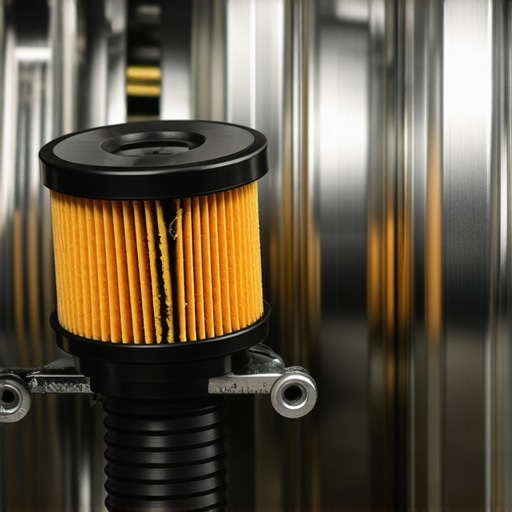
If your manual gauge shows low oil pressure despite adequate oil and a new sensor, the pump may be failing. Symptoms include whining noises during acceleration or a sudden drop in pressure when hot. Replacing the oil pump is a complex task but necessary for long-term engine health. Before considering this, evaluate whether your vehicle’s oil passages are clogged, as debris can reduce flow. Regular oil changes with the correct filter, such as avoiding cheap filters that can restrict flow, play a crucial role. For detailed guidance, review [how cheap oil filters slow down turbochargers](https://autofixclinic.com/how-cheap-oil-filters-slowly-starve-your-turbocharger), emphasizing filter quality’s impact on oil pressure.
Review Your Vehicle’s Maintenance and Sensors
If all hardware parts check out, consider sensor calibration or software updates. Some vehicles require periodic recalibration of sensors after repairs or software flashes. Employ professional diagnostic tools to verify sensor readings and reset flags. Neglecting sensor diagnostics may lead to false warnings or overlooking critical issues, a mistake I’ve seen often in busy repair shops.
 When it comes to maintaining your vehicle, many car owners settle for surface-level knowledge, assuming that certifications like ASE guarantee perfection or that routine services are interchangeable. Let’s dig deeper into some common misconceptions and reveal the nuanced truths that can save you from costly mistakes.
A prevalent myth is that ASE certification alone ensures a technician’s skill; in reality, ASE certifications verify a baseline competence but don’t guarantee meticulous workmanship or up-to-date expertise. For example, some shops might advertise their technicians as ASE-certified to boost credibility, yet lack the depth in specialized areas like hybrid or GDI engines. Do your research and look for specific experience or additional manufacturer certifications.
Many believe that an oil change is just about replacing dirty oil. However, the type of oil, filter quality, and service intervals are critical for optimal engine health. Using cheap filters, for instance, can restrict oil flow, especially in turbocharged engines [see how cheap oil filters slow down turbochargers](https://autofixclinic.com/how-cheap-oil-filters-slowly-starve-your-turbocharger). Plus, neglecting to perform a complete oil system check can lead to sludge buildup or oil starvation, jeopardizing engine longevity.
Regarding car service, there’s a dangerous tendency to overlook nuanced components like transmission servicing. Many drivers think that simply topping off transmission fluid suffices, but neglecting internal transmission repairs or fluid degradation can cause slipping or shuddering. Remember, transmission fluid isn’t just a lubricant; it also cools and cleans vital parts. Learn how to identify failure signs of a failing transmission solenoid [here](https://autofixclinic.com/how-to-tell-if-your-transmission-solenoid-is-failing-without-a-scanner).
Now, a common misunderstanding surrounds the importance of routine maintenance for automatic transmissions. Some assume that once it shifts smoothly, no further care is needed. But, as I often see, neglecting to perform a complete flush, especially on high-mileage vehicles, can lead to clutch slip, overheating, and eventual total failure. Advanced transmission maintenance involves detailed fluid analysis and sometimes replacing internal components, not just drain-and-fill routines.
What about the impact of cheap or incorrect transmission fluid? Using the wrong type can compromise clutch materials and lead to contamination, which accelerates wear. Always use manufacturer-recommended fluid and verify compatibility, especially for CVTs or dual-clutch transmissions. Find more tips on prolonging your transmission’s life [here](https://autofixclinic.com/the-secret-to-making-your-transmission-last-over-300000-miles).
Have you ever fallen into this trap? Let me know in the comments. The key is to stay informed and vigilant, recognizing that superficial fixes and assumptions often hide the real issues beneath. Being an informed driver helps you make better decisions and extend your vehicle’s life.
Investing in the Right Equipment Ensures Lasting Performance
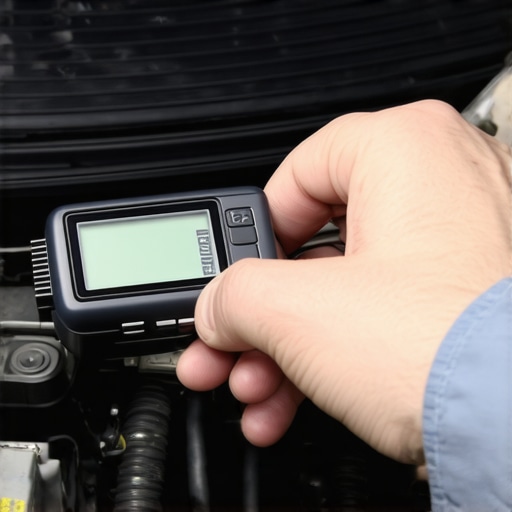
Keeping your vehicle running smoothly over time requires more than just routine oil changes; it demands the right tools and a systematic approach to maintenance. Personally, I rely on a quality mechanical oil pressure gauge, such as the Veepeak OBDCheck BLE, which connects via Bluetooth to my smartphone, allowing me to monitor real-time oil pressure data during test drives. This device helps identify genuine oil circulation issues versus sensor glitches, saving me costly repairs and unnecessary part replacements.
Another essential is a high-quality digital multimeter. I prefer the Fluke 115 Compact True-RMS Digital Multimeter because it provides precise voltage readings critical for diagnosing sensor faults or electrical issues in components like the transmission solenoids. Having an accurate multimeter helps me troubleshoot complex problems efficiently, ensuring long-term vehicle health.
Regular maintenance extends beyond diagnostics; I also use a cylinder leak-down tester for pinpointing engine compression problems early on. It’s especially handy for detecting worn valves or piston rings before catastrophic failure. I recommend a model that connects directly to your compressor, providing quick insights into your engine’s internal condition.
Utilizing professional-grade software like AutoLogger or OBDLink MX+ via dedicated apps allows me to access advanced diagnostic trouble codes, reset service lights, and clear faults seamlessly. These tools keep me proactive rather than reactive, supporting timely interventions that save money and extend the vehicle’s lifespan.
Looking ahead, the trend points toward integrated diagnostic systems and wireless tools that connect to mobile devices, making troubleshooting more accessible and precise for DIY enthusiasts and professionals alike. This evolution will likely democratize auto diagnostics, reducing dependence on shop visits for routine checks.
How do I maintain my vehicle’s critical systems over time?
One practical tip is to schedule routine oil pressure checks with diagnostic tools, especially if you notice fluctuations during warm-up. Incorporating a professional-grade diagnostic scanner into your toolkit not only verifies sensor accuracy but also helps catch developing issues before they escalate, preserving your engine’s integrity.
Don’t forget, regular inspection of filters, cooling systems, and electrical connections, paired with these advanced tools, creates a robust maintenance routine that ensures your vehicle stays dependable for years to come. Try equipping yourself with a digital multimeter and an OBD-II scanner — these investments empower you to diagnose and address issues proactively, well before they manifest into costly repairs.
Unearthing Secrets That Changed My Approach to Car Care
When I first faced that persistent oil light flickering during startup, I underestimated the complexity behind seemingly simple indicators. The biggest lesson I learned was that every warning, no matter how minor it appears, contains a concealed truth about your vehicle’s health. I realized that taking a proactive, detailed approach—like performing manual oil pressure tests or inspecting sensors—can forestall major engine troubles. This experience taught me that patience and curiosity often reveal solutions hidden beneath superficial fixes, ultimately saving time and money and fostering a deeper understanding of my car’s needs.
Tools and Resources That Transformed My Maintenance Routine
Over the years, I’ve relied on essential diagnostic tools that have become my trusted allies. Devices like the AutoLogger allow me to access advanced codes and reset alerts confidently. My digital multimeter, specifically the Fluke 115, helps me troubleshoot electrical issues with precision, especially when testing sensors or wiring connections. The manual oil pressure gauge provided me with confirmed readings that convinced me to replace my faulty sensor. These tools have shifted my mindset from reactive to preventive, making routine maintenance more meaningful and less stressful.
Embrace Your Inner Technician and Drive With Confidence
Remember, every issue like an oil pressure warning is an opportunity to learn and grow as a car owner. Cultivating a habit of regular inspections, understanding your vehicle’s indicators, and utilizing quality diagnostic tools empowers you to diagnose problems early. Whether it’s checking your oil level, testing sensors, or performing a manual pressure test, taking small, informed steps can extend your engine’s lifespan and keep your journeys smooth. So, gear up, stay curious, and trust that you have what it takes to keep your vehicle in top shape. Your car’s health depends on your commitment—so go ahead and take that first step today!