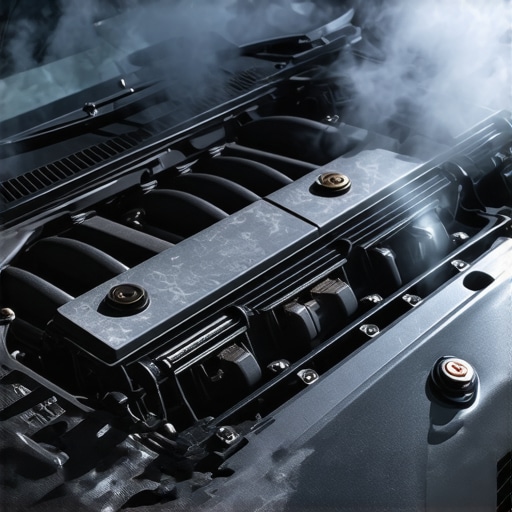
How to Tell if Your Transmission Fluid is Overheating Without a Gauge
It was a hot summer afternoon when I suddenly felt my car hesitating during a shift—like it was struggling to keep its cool under the hood. That lightbulb moment hit me hard: what if I could tell when my transmission fluid was overheating without relying on a fancy gauge? I’ve learned the hard way that small signs can save you a costly repair, and I want to share those secrets with you.
Why Recognizing Overheating Transmission Fluid Matters
Transmission fluid is the lifeblood of your car’s shifting system. When it gets too hot, it loses its ability to lubricate and cool effectively, leading to slipping gears, rough shifts, or even significant transmission damage. The tricky part? Many of us don’t have a gauge to tell us when things are getting too toasty. That’s where knowing your car’s behavior becomes essential.
Did you know that transmission fluid can reach dangerous temperatures without showing any warning lights? According to industry experts, transmission overheating is a common cause of early transmission failure, often caused by neglect or misdiagnosis (source: Auto Fix Clinic). So, if you’ve ever wondered whether your transmission is on the verge of a meltdown, you’re not alone—and there’s a lot you can do without a gauge.
Have you ever faced a moment where your car felt sluggish or hesitated during shifts, and you weren’t sure if it’s just normal wear or something more serious? If so, you’re in good company. I’ve been there, too. And I can tell you that developing a keen sense of your vehicle’s signals can save you time, money, and stress.
Let’s dive into some practical ways to tell if your transmission fluid is overheating—without needing a fancy monitor—and what signs to watch for before things get worse.
1. Gauge Your Car’s Behavior During Shifts
Start by paying close attention to how your car shifts. If you notice what feels like slipping or hesitation—like the transmission is struggling to settle into each gear—it’s a sign of potential overheating. For example, I once took my car for a quick trip, and during several shifts, I felt a delay and a slight thud. That micro-incident prompted me to dig deeper into my transmission health. These subtle signs are your first clues.
2. Observe Unusual Engine Feelings
Next, pay attention to how your engine responds. A sluggish feel, especially after a long drive or during acceleration, often correlates with transmission issues. I recall a time when my car jerked slightly when I accelerated from a stop. This feeling was a red flag indicating my transmission fluid was likely overheating. It’s like when you’re cycling uphill and start to pedal harder—your body’s response tells you when something’s off without needing a monitor.
3. Check for Signs Under the Hood and Vehicle
Finally, conduct a visual and practical check. Open your hood and inspect the transmission fluid’s condition—if it’s dark, greasy, or has an unusual smell, those are serious indicators. Also, feel the transmission temperature by carefully placing your hand on the area; if it’s excessively hot to the touch, immediate action is needed. Remember, no special tools are required—just your senses and a basic understanding. If you suspect overheating, consider consulting a professional and referencing trusted diagnostic guides like this resource to gauge the next steps.One of the most pervasive misconceptions in car maintenance is that ASE certification guarantees a technician’s competence across all vehicle types. Many assume that an ASE-certified mechanic is infallible, but in my experience, this isn’t the full story. ASE certification tests for general knowledge and specific skill sets, but it doesn’t always reflect a mechanic’s deep understanding of complex systems like modern transmissions or hybrid engines. For example, an ASE-certified tech might excel at traditional gasoline engines but lack the specialized training required for EVs or CVTs. To truly assess a technician’s expertise, look for evidence of ongoing training or certifications in niche areas—something that many overlook. You can verify a tech’s proficiency more accurately by asking targeted questions or reviewing their recent work, especially on sophisticated systems. Don’t fall into the trap of relying solely on certifications; instead, seek practical demonstrations of their understanding.
Many car owners also believe that regular oil changes are a routine task with little nuance. But the reality is far more complex. Using the wrong oil viscosity or a substandard filter can accelerate engine wear. High-mileage oils are often marketed as a catch-all solution, but they might not be suitable for newer engines, leading to issues like valve-stem seal leaks or sludge buildup if applied improperly. This misconception can cause owners to overspend or, worse, harm their engines. It’s crucial to understand your vehicle’s specific needs—consult your owner’s manual or a trusted professional—before choosing an oil type. Also, consider that the method of oil change matters; a simple drain-and-fill isn’t always enough for complex engines that require precise flushing or filter replacement techniques. Overlooking these nuances can lead to increased repair costs down the road. For example, neglecting to check for abnormal signs post-oil change might cause you to miss early indicators of problems like transmission fluid overheating or engine sludge.
When it comes to transmission maintenance, many people think a fluid change is straightforward—drain and replace. Yet, this simple practice can be a trap if not done correctly. Modern transmissions often require specific fluid types and precise procedures, such as a complete flush or a refill to exact specifications. Using the wrong fluid or neglecting the manufacturer’s instructions can lead to slipping, shifting issues, or even transmission failure. An advanced mistake I’ve seen is the misconception that all transmission fluids are interchangeable, but this isn’t true—European and Asian vehicles frequently demand specialized fluids that, if mismatched, can cause catastrophic damage. Additionally, some repair shops promote full flushes unnecessarily, which might dislodge debris and clog delicate valves rather than cleaning them. To avoid this, learn to identify whether your transmission actually needs a fluid change or if an inspection suffices. I recommend consulting authoritative guides or trusted sources like [Auto Fix Clinic](https://autofixclinic.com/why-your-transmission-shifts-early-and-bogs-the-engine-down) to understand the nuances involved.
Are you aware that improper service or ignoring subtle signals can accelerate vehicle deterioration more than neglect? For example, a seemingly minor misfire might stem from overlooked issues like fouled spark plugs, or worse, a compromised transmission solenoid—not just worn-out parts. Recognizing these advanced nuances can save you from costly repairs. Have you ever fallen into this trap? Let me know in the comments.
Keeping It Working: Essential Tools for Self-Maintenance
When it comes to maintaining your vehicle, the right tools can make all the difference. My personal favorite is a high-quality scan tool like the OBD-II scanner. I use models such as the BlueDriver because they provide real-time data and diagnostic trouble codes directly to my smartphone, saving me time and money. This allows me to identify issues like pending transmission problems or subtle engine misfires early, before they escalate. Knowing how to interpret these codes can help you communicate more effectively with professional technicians or even handle minor repairs yourself.
Another gadget I swear by is a infrared thermometer. I keep one handy for quickly checking the transmission or engine temperatures after a drive, especially when testing for overheating signs I discussed earlier. It’s astonishing how a quick scan with a $20 tool can alert you to potential fluid overheating before warning lights illuminate. For example, if your transmission fluid feels hot to the touch, this is a solid sign to take preventive action, such as a fluid change or professional inspection.
Staying Ahead with Quality Supplies and Regular Checks
Beyond tools, investing in high-quality maintenance supplies is key. I prefer to use OEM or reputable aftermarket fluids—particularly for transmissions. Using the correct fluid type precisely suited for your vehicle prevents issues like slipping or shifting delays, which can emerge if the wrong lubricant is used. This ties back to the importance of understanding your car’s specific needs, which I discuss in detail in the transmission fluid guide.
Alongside this, I schedule regular visual inspections—checking for dark or burnt-smelling transmission fluid, signs of leaks, or corrosion. Remember, a simple flashlight and a mirror can reveal a lot. If you notice discrepancies, consulting a trusted professional can prevent costly failures down the line.
Future Trends and How to Stay Prepared
The future of car maintenance leans heavily toward smart diagnostics and predictive tools. Mechanical parts are becoming more complex with hybrid and electric vehicles, but the principle remains: proactive monitoring saves money and enhances safety. As technology advances, I predict integrated smartphone apps and smarter scanners will become standard, offering even deeper insights into your vehicle’s health. Staying updated with these innovations can give you a significant advantage in keeping your car reliable for the long haul.
How do I maintain my car’s systems over time?
Developing a routine that combines regular visual checks, usage of diagnostic tools, and adherence to manufacturer recommendations is the key. I recommend starting with an advanced scan tool like the BlueDriver, which I use regularly, to keep tabs on potential issues before they become serious. Additionally, always use the proper fluids and part replacements—never compromise on quality. This proactive approach, paired with ongoing education—such as reading recommended guides or consulting trusted sources—will extend your vehicle’s lifespan and ensure it remains dependable on all your journeys.

What I Wish I Knew About Transmission Overheating Early On
One of my biggest lessons was realizing that subtle shifts and engine hesitations are often early warnings. Ignoring these signs can lead to costly repairs, and trusting my instincts saved me time and money. I learned that developing a keen sense of my car’s behavior helps catch problems before they escalate.
Why Relying Solely on Technology Can Be a Trap
While diagnostic tools are invaluable, I found that they shouldn’t replace paying close attention to my vehicle’s physical cues. Sometimes, a quick feel of the transmission temperature or a visual inspection can reveal issues that sensors might miss, especially if the system hasn’t yet flagged a problem.
Simple Habits That Can Prevent Major Headaches
Regularly checking transmission fluid condition—like color and smell—and listening for odd noises has made a huge difference. These simple habits are DIY-friendly and can alert you to overheating risks before any dashboard warning appears. Remember, a well-maintained transmission can last hundreds of thousands of miles when cared for properly.
Curated Gems for Staying Ahead of Transmission Troubles
To deepen my understanding, I turn to trusted resources such as Auto Fix Clinic’s guide on transmission shifts. Additionally, tools like the OBD-II scanner have been game-changers for early detection. The combination of quality information and practical tools helps me maintain my vehicle optimally.
Keep Your Drive Safe and Smooth
Remember, your vehicle’s health isn’t just about fixing problems—it’s about fostering a proactive mindset. By staying observant, learning the signs of overheating, and using trustworthy tools and resources, you can extend your transmission’s lifespan and enjoy a smoother ride. Don’t wait for warning lights—listen to your car’s whispers, and act before they become screams.
What small habit has helped you catch potential transmission issues early? Share your experience below—I’d love to hear your tips!