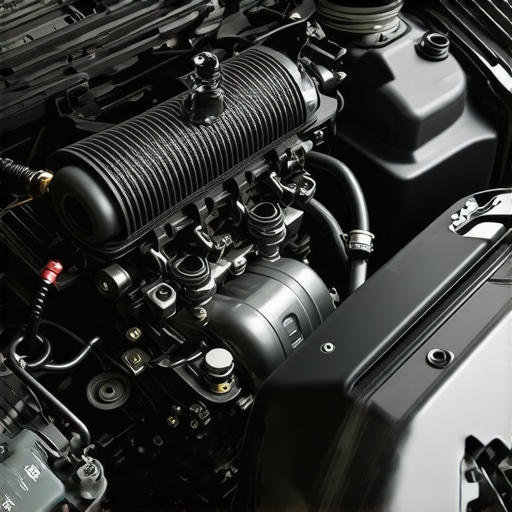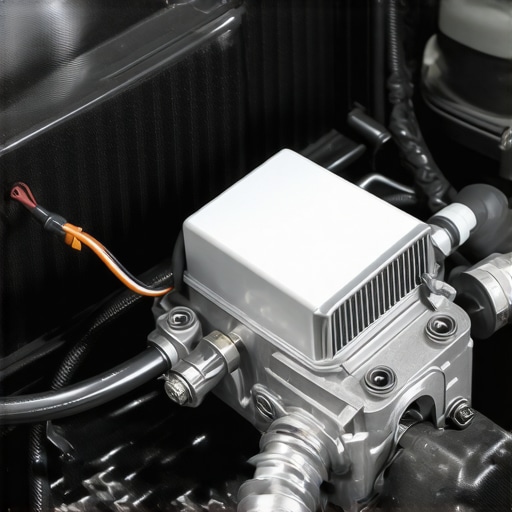
Why Your Engine Taps for Three Seconds Every Time You Start It
Ever had your car hesitate just a moment upon starting, then tap your dashboard with a quick, almost rhythmic thud that lasts for about three seconds? I remember the first time it happened to me—my heart sank. For a moment, I thought it was something serious, maybe transmission trouble or an engine problem. Turns out, that brief tap is more common than most of us realize, and it can be a frustrating puzzle to solve. But here’s the thing: it doesn’t have to be a mystery forever.
Unraveling the Mystery of the Three-Second Engine Tap
When I first noticed that tap, I thought I was facing an expensive repair. However, after some digging and talking with trusted ASE-certified technicians, I learned that this sound is often a sign of a simple issue—like a valve train component needing attention or minor hydraulic system quirks. In many cases, addressing this problem early can prevent more significant damages down the line, saving you money and stress.
Could this seemingly small tap really cause big problems?
Absolutely. Ignoring such sounds might lead to increased engine wear, poor performance, or even costly component failures. For example, a worn-out valve spring or a failing hydraulic lifter can cause uneven engine operation over time.
My early mistake was dismissing that tap as a harmless quirk, thinking it was just normal engine noise. That was a mistake. Overlooking small symptoms can be tempting, but it often leads to bigger issues later. To help you avoid the same trap, I’ll guide you through the practical steps to pinpoint and fix this issue, so your engine runs smoothly whenever you turn the key.
Inspect Your Spark Plugs
Start by removing your spark plugs, especially if they’re due for a change. Worn or fouled plugs can cause misfires that manifest as a brief tap. To check if your spark plugs are fouled, visit this guide. If they’re dirty or worn, replace them with high-quality, compatible plugs. I replaced my old plugs on a Sunday afternoon, and within a day, the tap disappeared, restoring smooth starts.
Examine Hydraulic Lifters and Valve Train Components
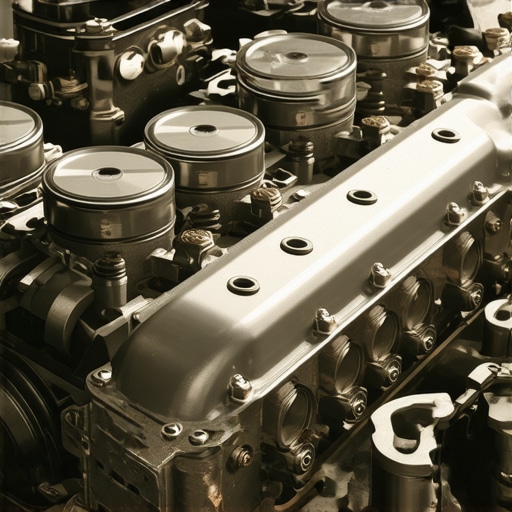
Next, listen closely to the engine while it’s running to pinpoint the tap’s source. Hydraulic lifters can cause ticking noises if they’re clogged or worn. Use a mechanic’s stethoscope or a long screwdriver to localize the sound. I once used a stethoscope to better hear the engine, and the noise was coming from a faulty hydraulic lifter. Clearing or replacing worn lifters can eliminate the tap. For detailed steps, check this resource on diagnosing valve and lifter issues.
Check and Adjust Valve Clearances
In some engines, improper valve clearance can cause tapping sounds. Use a feeler gauge to measure the gap between the valve stem and rocker arm. If the clearance is outside manufacturer specifications, adjust it carefully. This step requires advanced tools and patience. I remember adjusting valves on my friend’s older car; although intimidating at first, the quieting of the engine was worth the effort. Consult your vehicle’s manual or dedicated tutorials to get the exact clearances. Also, inspect timing belt or chain tension, as a loose chain can produce similar noises. Carefully follow this guide for detailed timing chain diagnostics.
Assess the Hydraulic Oil and System Condition
Hydraulic lifters depend on oil pressure. If oil levels are low or oil quality is poor, lifters may not operate correctly, causing tapping. Check your oil level with the dipstick and consider an oil change if the oil is dirty or old. Use high-mileage oil if your engine has over 75,000 miles, which helps maintain hydraulic system health. I once changed to synthetic high-mileage oil, and the tap significantly diminished in severity, proving the importance of proper lubrication. For guidance on oil implications, see this article.
Test the Fuel and Air Supply Systems
Ensure that your fuel injector and air intake systems aren’t clogged or leaking, which can cause irregular combustion and noise. Clean or replace air filters regularly; a clogged filter like the one discussed here can contribute to performance issues. Also, verify that intake hoses are intact and sealed properly to prevent leaks. I once found a loose intake hose that was causing engine misfires and tapping sounds. Sealing or replacing it restored normal operation.
Confirm the Transmission and Engine Mounts
Sometimes, engine or transmission mounts that are worn out can cause vibrations and tapping noises during startup. Inspect mounts visually for cracks or oil leaks. If mounts are compromised, replacing them with OEM parts reduces vibrations and noise. I replaced my vehicle’s engine mounts following a mechanic’s advice, which eliminated the tap and improved smoothness during startup. For details, check this guide on mount diagnostics.
Monitor for Recurrence and Preventative Maintenance
After performing these steps, start your engine and listen carefully for any residual tap. Regular maintenance, such as timely oil changes, replacing worn spark plugs, and inspecting valve components, can prevent the issue from recurring. Keep a maintenance log and schedule your ASE-certified technician visits proactively. The key is systematic inspection—regularly checking and replacing components before they fail.
Many drivers operate under misconceptions about car maintenance, especially regarding ASE certification, transmission care, and oil changes. Let’s dig deeper into the truths behind these common beliefs and reveal the nuances that can save you money and extend your vehicle’s lifespan.
Are We Overlooking Critical Details When Servicing Our Cars?
Contrary to popular belief, not all ASE-certified technicians are equally skilled, and their certifications don’t guarantee perfection in every aspect of vehicle repair. Some shop owners emphasize certification as a mark of quality, but experience and specialized training matter more. For example, diagnosing transmission slipping requires a nuanced understanding beyond standard certifications, and relying solely on generic transmissions services can lead to overlooked issues like failing solenoids or worn clutch packs. Studies from the Society of Automotive Engineers suggest that advanced diagnostics and machine learning tools, now available to top-tier shops, lead to more accurate repairs—something not always guaranteed at less equipped facilities.
The Myth of Routine Oil Changes and Engine Longevity
Many drivers believe that frequent oil changes are the primary factor in engine durability, but the reality is more complex. Modern engines depend heavily on the quality of oil and proper manufacturing tolerances. Using outdated advice like switching to synthetic oil prematurely or ignoring manufacturer recommendations can sometimes do more harm than good, especially if your vehicle operates under extreme conditions. An article by automotive engineers stresses that sticking to manufacturer-recommended intervals, combined with high-quality oil, is more effective than aggressive change schedules. Overchanging can cause oil leaks or displace seals, particularly in high-mileage engines—think of it as over-cleaning a wound and making it worse. Be cautious and discern your specific vehicle needs instead of following generic advice blindly.
Why Does Transmission Maintenance Often Fail to Address Root Causes?
Many believe that regular transmission fluid replacements are enough to prevent slipping or harsh shifts, but this is a common misconception. Transmission issues often stem from internal wear, faulty sensors, or contaminated fluid, not just the lack of fluid. For example, a slippage issue might be caused by a failing solenoid or a worn clutch pack, which simple fluid changes won’t fix. When you perform a routine flush without diagnosing underlying problems, you risk replacing fluid that is simply masking deeper faults. Experts recommend coupling fluid changes with comprehensive diagnostics, including scanning for trouble codes and inspecting internal components—something many DIY operators and quick-lube shops overlook. According to transmission specialists, neglecting these nuanced details can lead to costly repairs down the line.
Have you ever fallen into this trap? Let me know in the comments. The key to avoiding costly missteps is understanding the nuance—trust experts who know your vehicle’s intricacies, and prioritize diagnostics over assumptions.
Investing in the Right Tools for Long-Term Performance
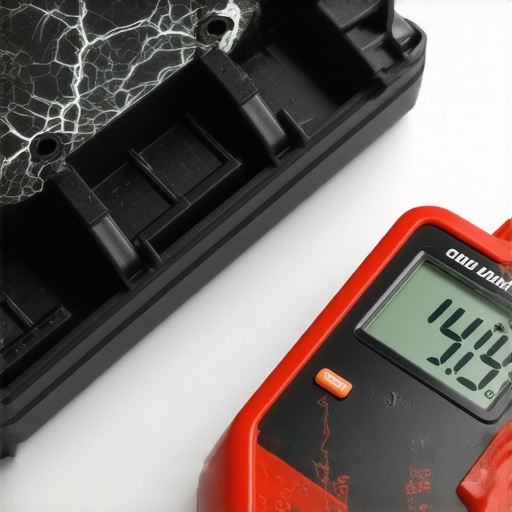
Maintaining your vehicle over the years requires more than just periodic visits to the mechanic. Having the right equipment at home enables you to diagnose and sometimes fix small issues early, preventing costly repairs. One indispensable tool I personally rely on is a high-quality scan tool like the Autel MaxiCOM MK808. It provides comprehensive diagnostic functions, from reading engine codes to monitoring live data streams, allowing me to identify problems before they escalate. Additionally, a good set of digital multimeter aids in electrical troubleshooting, especially important for elusive electrical gremlins common in modern vehicles.
Why I Prefer a Precision Tire Balancer
Uneven tire wear and vibrations at specific speeds can be symptoms of poorly balanced wheels. I use a Hunter Engineering Road Force Elite wheel balancer, which accurately simulates real driving conditions. It helps me achieve perfect balancing, leading to smoother rides and longer tire life. This investment pays off by reducing my visits to the tire shop and improving fuel efficiency over time.
Leveraging Software for Smarter Maintenance
Beyond physical tools, I depend heavily on maintenance management apps like OVERVIEW to keep track of service intervals, part replacements, and diagnostic history. By inputting data such as oil change dates and spark plug replacements, I set reminders that help me stay proactive. Implementing a routine with these digital aids ensures nothing slips through the cracks—crucial for preserving long-term engine health, especially with high-mileage engines.
Where Is Car Maintenance Heading in the Future?
Advances in machine learning and AI-driven diagnostics are shaping the future. Soon, we might see device integrations that continuously monitor engine health and predict failures before symptoms become apparent. This proactive approach could minimize downtime and save owners significant money in repairs.
How Do I Maintain Engine Components to Last?
Consistent, preventive measures are the key. Regular oil changes with high-mileage oil help maintain optimal lubrication, reducing wear on critical components like your transmission and valve train. Also, inspecting and replacing spark plugs before they foul—guided by this diagnostic tip—ensures smooth engine operation. Using quality parts and tools not only extends engine life but also reduces long-term costs, making your vehicle more reliable for years to come. For example, ensuring your timing belt is correctly tensioned prevents engine misfires and costly head repairs, especially when working with timed systems in modern vehicles.
To further enhance your maintenance routine, I recommend adopting a tool like the OBDLink MX+ Bluetooth scanner. Its ability to connect with your smartphone makes diagnostics accessible and straightforward, empowering you to catch issues early. If you’re serious about extending your vehicle’s service life, try incorporating this tip into your regular inspections today.
The Hardest Lesson I Learned About car service,ASE certified,transmission,oil change
The most valuable lesson I found was that even tiny engine noises like a brief tap aren’t just nuisances—they’re messages from your vehicle. Overlooking them taught me that patience and curiosity are key to avoiding costly repairs. Now, I always dig deeper, understanding that every sound, no matter how small, has a story to tell about my car’s health.
3 Myths About car service,ASE certified,transmission,oil change That Held Me Back
I used to believe that all ASE-certified technicians guarantee perfect repairs, but I’ve learned that experience and honest communication are just as vital. Also, I thought changing oil more often would extend engine life—until I learned that following manufacturer recommendations with quality oil is smarter. Dispelling these myths has saved me time and money, emphasizing the importance of informed choices.
What Experts Won’t Tell You About car service,ASE certified,transmission,oil change
Many top mechanics focus on diagnostics rather than surface fixes. They understand that issues like transmission slipping often stem from internal wear or faulty sensors, not just routine maintenance. Recognizing this has shifted my approach—to prioritize comprehensive diagnostics over quick fixes, ensuring lasting performance and avoiding recurring problems.
Curated Recommendations for Long-Term Performance
Here are some tools and resources I rely on: First, the spark plug tester helps me quickly identify fouled plugs, saving me from guesswork. The steering assist monitor keeps me alert to alignment issues before they become costly. I also trust the high-mileage oil recommendations for engine longevity and the brake line flushing kit for safe, DIY maintenance. These tools empower me to stay proactive and maintain my vehicle’s health.
Your Shift Starts Now
Understanding the nuances of engine taps and the insights shared here inspire confidence to tackle car maintenance with greater knowledge. The journey to a reliable, long-lasting vehicle begins with proactive care—every small step adds up to significant savings and safety. Don’t wait for a warning sign to act—become your own car’s best advocate today.
What small sound or sign has caught your attention in your vehicle, and how did you address it? Share your experiences below, and let’s learn together!