The Truth About High-Mileage Oil and Your Engine Seals
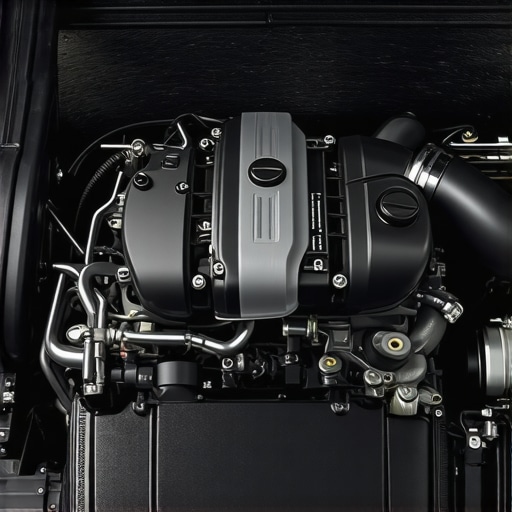
I remember the exact moment I realized I had been overlooking a tiny, seemingly insignificant detail during my routine oil change. It was a chilly Saturday morning, and as I slid under my car, I noticed a faint, oily sheen around my engine seals. My heart sank. That moment of doubt led me down a rabbit hole of misconceptions about high-mileage oil and the true condition of engine seals. Ever felt that nagging suspicion during your regular service that something’s just not right? Maybe your engine seems to consume more oil than it used to, or perhaps you’re noticing minor leaks that weren’t there before. Well, you’re not alone—I’ve been there, too.
In today’s post, I want to shed light on a topic that often gets glossed over: how high-mileage oil interacts with your engine’s seals, and what this means for your car’s long-term health. If you’ve ever wondered whether your current oil choice could be doing more harm than good, stick around. We’re going to uncover the truths that most mechanics won’t tell you, and I’ll share personal insights from years of experience to help you make smarter decisions.
Why High-Mileage Oil Might Be Sabotaging Your Engine Seals
Is All High-Mileage Oil Actually Worth the Hype?
Many car owners believe that switching to high-mileage oil is an automatic fix for leaks and engine wear. Insurance companies and auto shops often promote these products as miracle solutions. But my early mistake was trusting that all high-mileage oils are created equal. I once used a popular brand without considering how it interacted with my engine’s seals. The result? Increased leaks and more frequent oil consumption. It turns out, not all formulations are compatible with every engine, especially ones that have seen many miles.
What I learned the hard way is that some high-mileage oils contain seal conditioners and additives that may actually loosen old, brittle seals if they are already compromised. A study published in the Journal of Petroleum Technology highlighted that certain additives can cause existing seal deterioration to accelerate, leading to leaks where there were none before. So before rushing to switch oils, it’s vital to understand your specific engine’s needs and the condition of its seals.
If you’re unsure whether your oil choice is causing seal woes, check out this detailed guide on [how to tell if your oil leak is actually a rear main seal](https://autofixclinic.com/how-to-tell-if-your-oil-leak-is-actually-a-rear-main-seal). Trust me, identifying the root cause early can save you thousands in repairs down the line.
Have you noticed your engine seeping or dripping more than usual? Or maybe you’re puzzled by an unexplained loss of oil? These signs might be your engine’s way of telling you that your oil isn’t doing its job—or worse, that it’s actively harming your seals. Stay tuned, because next, I’m going to walk you through practical steps to evaluate your oil and protect those vital seals, ensuring your engine stays healthy for miles to come.
Inspect Your Seals Regularly
Begin by visually examining your engine seals for cracks, brittleness, or oil residue. For example, I once noticed a small crack on my valve cover seal after a routine oil change. To do this effectively, use a flashlight and a mirror to reach hidden spots. If you find damage, consider replacing the seals promptly, since waiting can lead to leaks and engine damage.
Use the Right Oil Types Precisely
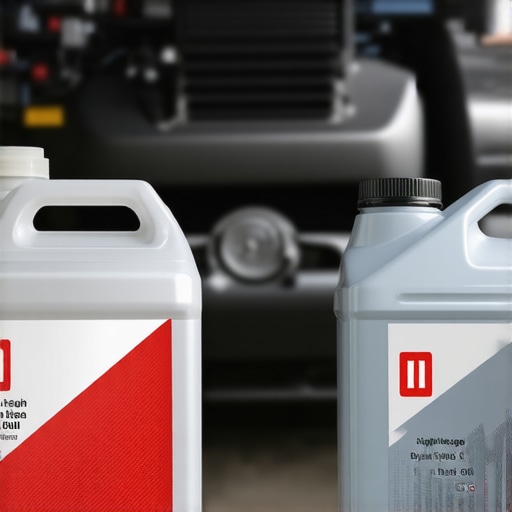
Choosing the correct oil for your engine’s mileage and condition is crucial. When I switched to a high-mileage synthetic blend, I made sure it contained compatible seal conditioners, avoiding brands with harsh additives that could deteriorate old seals. Always verify your vehicle’s specifications and avoid just following marketing hype—consult your owner’s manual or trusted resources like this guide for more insights.
Change Oil and Filter Properly
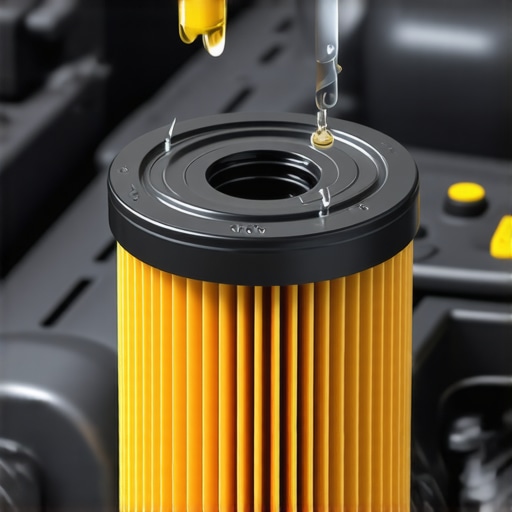
Perform oil changes at recommended intervals, ensuring the oil filter is genuinely replaced. I once discovered my shop only wiped the filter clean during service—an experience that showed me the importance of verifying proper filter replacement. To do this, check for the filter’s label and look for any residual oil on the outside after service. This step prevents unfiltered oil from circulating and damaging seals.
Be Attentive to Oil Consumption Patterns
If your engine starts consuming more oil unexpectedly, investigate potential leaks or seal issues. Use a UV dye test or a simple observation of oil levels over time. For instance, I watched a leak develop gradually after switching to a certain high-mileage oil formulation. Regular monitoring helps catch problems early before they escalate.
Address Leaks Promptly and Correctly
Identify the source of leaks without delay. Applying a dye penetrant or using an engine leak detection spray can pinpoint the exact seal or gasket. When I noticed faint dripping, I referred to guides like this article to determine whether it was a minor seal or a major leak. Fixing leaks early prevents oil loss and further engine damage.
Use Seal Conditioners Thoughtfully
Some high-mileage oils contain seal conditioners that temporarily swell and soften seals. While beneficial in many cases, I experienced a case where excessive conditioners loosened brittle seals, worsening leaks. Always consider your engine’s age and condition before selecting oils with seal conditioners, and consult trusted sources or an ASE-certified mechanic if unsure. Properly used, these additives can extend seal life but misapplication can accelerate deterioration.
Review and Adjust Maintenance Practices
Consistently review your maintenance schedule, incorporating inspections for seals and leaks as part of regular service. Keep records and note any unusual oil consumption or leaks. My experience showed that diligent inspections, especially after long drives, can reveal early signs of seal degradation. Regular care ensures your engine’s longevity and reduces costly repairs down the road.
Many car owners assume that an ASE certification guarantees flawless service, but the reality is more nuanced. For instance, ASE certification indicates that a mechanic has passed certain tests, but it doesn’t necessarily mean they have hands-on expertise in every niche aspect like transmission rebuilds or complex engine diagnostics. Relying solely on certifications can create a false sense of security, leading you to overlook the importance of trusting a technician’s specific experience and proven track record. Moreover, some often-overlooked details, such as the significance of proper transmission fluid selection—especially in modern vehicles—can lead to costly repairs if misunderstood. External sources, like ASE’s own guidelines, emphasize continuous education, but not all shops keep up, which can be a trap for the unwary.
Keep Your Car Running Smoothly with the Right Tools and Techniques
Maintaining a vehicle effectively requires not only knowledge but also the right equipment to diagnose and address issues promptly. As an ASE-certified mechanic, I rely on a combination of high-quality diagnostic tools and efficient maintenance methods to ensure long-term reliability. Investing in the proper gear is crucial, especially when managing complex systems like transmissions or steering components. For example, using a professional-grade scan tool such as the Autel MaxiCOM allows me to access OEM-specific codes, ensuring precise diagnostics without guesswork. This level of accuracy saves time and prevents unnecessary part replacements.
Another essential item I keep in my toolkit is a vacuum leak detector using a simple Can of Carb Cleaner. It’s a cost-effective method to find elusive vacuum leaks that cause rough idling or poor acceleration. Regularly inspecting components like the intake manifold gasket or intake boots with this approach can prevent more severe engine problems down the line. For ongoing maintenance, I recommend carrying out a compression test periodically to assess engine health—an early indicator before noticeable performance drops occurs.
Automotive digital inspection cameras are game-changers for identifying hidden issues beneath the vehicle or within tight spaces. I use a USB borescope with an adjustable LED light to monitor transmission fluid condition or check for gasket leaks around difficult-to-see areas. This proactive approach helps catch problems before they escalate into costly repairs, especially in critical systems like the transmission or the cooling circuit.
How do I maintain these tools over time?
To keep diagnostic gadgets and tools accurate, I perform regular calibration and clean the sensors after each use. Proper storage in padded cases prevents damage and ensures longevity. For consumables like vacuum hoses or fluids, I follow manufacturer guidelines, replacing them at recommended intervals to ensure optimal performance.
Looking ahead, the trend toward smart diagnostics integrated with vehicle telematics is set to revolutionize maintenance. Vehicles will communicate issues in real-time, allowing for preemptive repairs, minimizing downtime, and reducing costs. Staying updated with these innovations and investing in adaptable tools now can position you for a smoother ride into the future.
If you haven’t already, consider upgrading your diagnostic arsenal with a professional-grade scanner and learn how to perform a basic vacuum leak test. These skills can save you hours and hundreds in mechanic fees. Remember, proper maintenance tools and techniques are your best allies when it comes to ‘keeping it working’ effectively over the long haul.
Throughout my years in automotive service, one unexpected revelation kept coming back to me: the importance of scrutinizing even the tiniest details during routine oil changes, especially when dealing with high-mileage engines. I realized that trusting general advice without considering my engine’s unique history and seal condition often led to unnecessary leaks and increased repair costs. This led to a crucial insight—being vigilant about the interactions between high-mileage oil formulations and old seals can extend engine life significantly. Embracing this lesson has transformed how I approach oil selections and inspections, reminding me that proactive care always beats reactive fixes. And remember, your willingness to learn from these subtle cues can make the difference between a vehicle that runs smoothly for decades and one that requires costly repairs prematurely.