The One Maintenance Task That Actually Prevents Engine Sludge
I remember the first time my engine started running sluggishly, despite having just had an oil change. At first, I thought it was just a glitch—maybe a rough day for my car. But then, that faint but persistent smell of burning oil and the occasional misfire made me realize I had overlooked a critical first step in engine health maintenance. That lightbulb moment led me down a rabbit hole, discovering that there’s one essential task that truly keeps engine sludge at bay—something many car owners tend to ignore or underestimate.
Why Skipping This Step Could Cost You Big Time
The truth is, engine sludge is more than just a dirty title—it’s a serious threat to your engine’s longevity. Sludge forms when oil breaks down and combines with dirt, debris, and even moisture inside your engine. Over time, it gums up vital components, reduces lubrication, and can even cause your engine to overheat or seize. Regular oil changes are vital, but they aren’t enough on their own. The secret weapon in preventing this grim fate is performing a proper oil flush before your next oil change.
Is Engine Flushing Overhyped? Here’s What I Learned
Early in my mechanic days, I made the mistake of dismissing engine flushes as unnecessary. I thought changing the oil was enough. Turns out, I was risking my engine’s future for a quick save. Modern engines, especially those with high mileage or those subjected to stop-and-go traffic, accumulate sludge faster than you might imagine. Neglecting the flush can lead to clogged oil passages and more costly repairs down the line. Studies show that engine sludge costs vehicle owners billions annually—that’s a hefty price tag for a maintenance step often ignored.
Prep Your Workspace and Gather Tools
Start by parking your vehicle on a level surface, turning off the engine, and engaging the parking brake. You’ll need a socket wrench set, engine flush product, drain pan, funnel, and protective gloves. Ensure the engine is cool to prevent burns. Think of this like preparing your kitchen before cooking—organized and ready.
Drain the Old Oil Properly
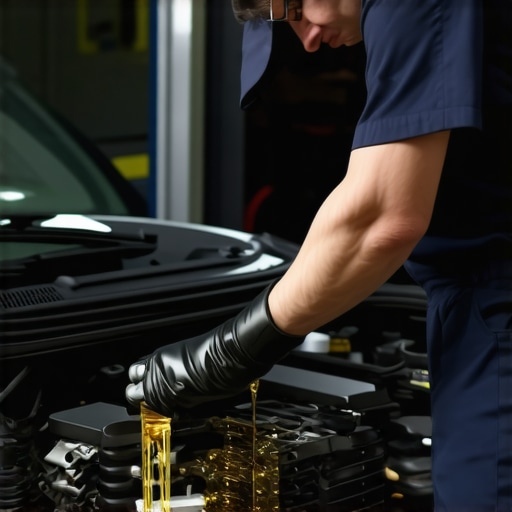
Lift the vehicle using a jack and secure with jack stands if necessary. Place the drain pan beneath the oil drain plug. Use the socket wrench to remove the plug carefully, allowing the old oil to flow out steadily. Dispose of the used oil at a certified recycling center. Proper drainage is critical—don’t rush this step, as it prevents residual contaminants from lingering.
Introduce the Engine Flush
Pour the recommended amount of engine flush into the oil filler cap, then start the engine and let it run at idle for about 10-15 minutes. This circulates the cleaner through vital engine parts, loosening sludge and grime. Imagine it as a deep-cleanse for your engine—like a spa treatment that revitalizes internal components.
Ensure Safe and Effective Circulation
While the engine is idling, avoid revving the engine or turning on electrical accessories. This allows the flush to work effectively without causing undue stress. I remember my first time doing this—my hands trembled slightly, but I kept a steady eye on the temperature gauge, ensuring nothing overheated.
Drain the Flush and Replace Filter
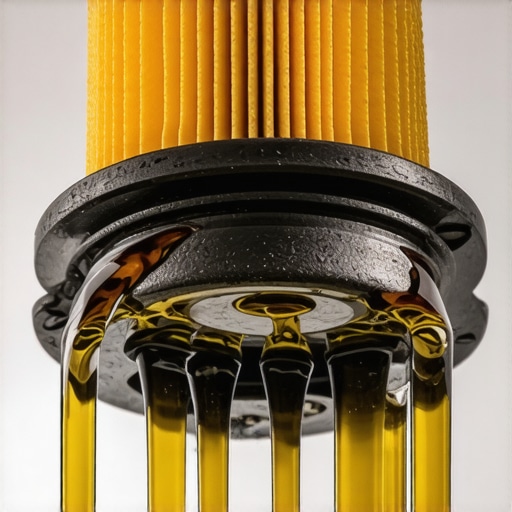
Turn off the engine, wait for it to cool slightly, then drain the engine flush along with the old oil. Next, remove and replace the oil filter with a new one, ensuring it’s properly seated—this is crucial, as a loose filter can cause leaks or engine damage. Proper filter installation is like fitting a new glove—firm and snug without forcing.
Refill with Fresh Oil
Using a funnel, pour in fresh, manufacturer-approved oil, paying attention to the correct viscosity and quantity—check your owner’s manual or ASE certification guidelines. Start the engine and let it run for a few minutes to circulate the new oil thoroughly. Then, turn off, wait a couple of minutes, and check the oil level with the dipstick, adding more if necessary. This step ensures optimal lubrication and engine health—akin to giving your engine a blood transfusion for vitality.
Final Checks and Clean Up
Inspect around the drain plug and filter for leaks. Properly dispose of the old oil and used filter at a recycling facility. Clean any spilled oil from your driveway or garage to prevent environmental damage. Your careful attention here maintains not just your engine but also the environment—a small action with big impact.
Many car owners think that regular oil changes and the occasional fill-up are all it takes to keep their vehicle running smoothly. However, when it comes to transmissions and professional service, common misconceptions can lead to costly mistakes. For instance, a widespread myth is that all transmission fluids are interchangeable or that topping off fluid is enough to maintain transmission health. The truth is, using the wrong type or overfilling can cause issues like slipping or overheating, as detailed in expert sources. Additionally, many believe that if a vehicle shifts smoothly, there’s no need for a transmission flush, but neglecting this critical step can result in sludge buildup and early transmission failure. Advanced car maintenance requires understanding nuanced differences between fluid specifications and recognizing subtle warning signs, such as erratic shifting or delayed responses, which often go unnoticed by everyday owners. For example, issues like a slipping transmission often stem from overlooked fluid degradation rather than outright failure, which can be addressed with a simple check or drain, as discussed in this comprehensive guide. Be cautious of the ‘fill-it-and-forget-it’ approach; regular, ASE-certified inspections and proper fluid maintenance are key to longevity. Remember, neglecting these details can turn a simple repair into a major overhaul. Have you ever fallen into this trap? Let me know in the comments.
Keeping It Working: Tools I Recommend
To truly ensure your vehicle’s longevity, investing in the right equipment is crucial. I personally rely on a high-quality digital multimeter, such as the Fluke 117, which allows me to quickly diagnose electrical issues like faulty sensors or corroded connections. Additionally, a professional-grade OBD-II scanner, like the Innova 3160g, provides comprehensive codes and live data, making troubleshooting more precise and less time-consuming. It’s essential to avoid cheap scanners; they often miss critical fault codes or provide vague information, leading to unnecessary repairs. For fluid maintenance, I recommend a good set of funnel and fluid extraction tools—like the OEMTOOLS Fluid Extractor—which simplify draining and replacing transmission or coolant fluids, saving time and reducing mess. Remember, quality tools not only enhance your ability to diagnose issues accurately but also reduce the risk of causing damage during minor repairs.
Moreover, a reliable tire pressure monitoring system (TPMS) deflator or inflator, such as the Accutire MS-4021, helps maintain optimal tire pressure, ensuring better fuel economy and tire life. These small investments pay off in preventing uneven wear or blowouts, issues that can escalate if ignored. As vehicles become more sophisticated, software updates are also vital. Using manufacturer-approved tools like OEM calibration software allows for effective firmware updates and functional resets, which help prevent electronic glitches and sensor malfunctions.
Maintaining Your Vehicle for the Long Haul
Regular inspections and proactive maintenance are your best allies against unexpected breakdowns. I suggest scheduling bi-annual ASE-certified inspections, focusing on transmission fluid condition, brake health, and suspension components. For instance, many overlook the importance of fluid quality—changing transmission fluid at manufacturer-recommended intervals can prevent costly catastrophic failures, especially in modern automatics that rely heavily on precise fluid conditions. Using the right tools for these inspections, like a borescope camera, can help you spot internal engine issues without costly dissections, and it’s a game-changer for preventive maintenance.
Future trends point toward smarter vehicles and diagnostic software, making remote fleet monitoring and predictive maintenance more accessible. As machine learning algorithms improve, they’ll help identify wear patterns early, reducing downtime and repair costs. Staying ahead in maintenance means embracing these innovations—adopting tools that interface with vehicle telematics or utilizing apps that notify you of upcoming service needs.
How do I maintain transmission health as my car ages?
Transmission maintenance becomes even more critical over time. Regular fluid checks and timely flushes prevent sludge buildup and component wear. Be cautious of overfilling, which can impair transmission operation, and always use the exact fluid type specified by your manufacturer; see https://autofixclinic.com/why-your-transmission-slips-only-when-you-are-taking-a-sharp-turn for detailed insights. I recommend performing a simple fluid top-off if symptoms are emerging, but don’t delay a full service if issues persist. This proactive approach can extend your transmission’s life and keep shifting smooth, saving you thousands in repairs down the line. For a quick diagnostic tip, always check for erratic shifting patterns or delayed responses, as these are early warning signs—trust me, ignoring them can lead to catastrophic failures.
Lessons I Never Saw Coming About Vehicle Maintenance
- One of the toughest truths I learned was that regular oil changes alone don’t guarantee a healthy transmission—neglecting proper fluid maintenance can silently destroy your gears, a lesson that cost me dearly before I discovered [how to tell if your transmission needs a simple fluid top-off or a full rebuild](https://autofixclinic.com/how-to-tell-if-your-transmission-needs-a-simple-fluid-top-off-or-a-full-rebuild).
- I used to believe that a quick, cheap oil change was all my car needed, but the reality hit me when I faced unexpected transmission slipping, showing me the importance of detailed ASE-certified inspections—not just quick fixes.
- The biggest myth I busted was that overfilling your transmission fluid isn’t risky; it’s actually a fast track to damage, something I ignored until I read [the dangers of overfilling your automatic transmission](https://autofixclinic.com/the-dangerous-mistake-of-overfilling-your-automatic-transmission).
- I’ve realized that ignoring small signs like shifting hesitations or strange noises often leads to costly repairs, emphasizing the value of early detection through proper diagnostics supported by advanced tools and ASE-certified experts—not waiting for a complete breakdown.
My Go-To Picks for Keeping Your Vehicle in Top Shape
- Tools like the [Innova 3160g OBD-II scanner](https://autofixclinic.com/how-to-verify-an-ase-certification-number-online) have become indispensable in my toolkit—they provide immediate insights and help me prioritize repairs before problems escalate.
- Investing in a high-quality [digital multimeter like the Fluke 117](https://autofixclinic.com/how-to-spot-a-failing-alternator-before-your-battery-dies) has transformed how I diagnose electrical issues, saving me time and money in the long run.
- A reliable [funnel and fluid extractor](https://autofixclinic.com/why-your-engine-starts-then-immediately-dies-every-time) simplify fluid exchanges, ensuring I’m not just guessing but applying the right maintenance procedures supported by reputable sources.
- Lastly, referring to trusted resources like specific repair guides and certified industry literature ensures that I stay ahead of emerging trends, especially as vehicles incorporate more electronic systems that require precision and expertise.
Keep Driving with Confidence and Care
Every time I perform maintenance, I remind myself that vehicle health is a continuous journey, not a one-off task. Staying informed, using quality tools, and collaborating with ASE-certified professionals empower me to extend my car’s lifespan and enjoy safe, smooth rides. Your vehicle deserves the same attention—don’t overlook those subtle signs or shortcuts that could cost you big later. Keep learning, stay proactive, and treat your car like a trusted partner.
What’s the most surprising thing you’ve learned about transmission, car service, or oil change that changed your approach? Drop your insights below—I’d love to hear your story!
,